Topic Tags
Integrated Circuit
集成电路(IC)是将晶体管、电阻、电容等元器件及其互连线集成在同一半导体基片上的微型电子电路,是现代电子信息系统的核心载体。按功能可分为模拟、数字与数模混合IC,按集成度可分为SSI至ULSI等层级。产业链通常划分为设计、制造、封装测试三大环节:设计依托EDA工具与IP核输出可制造版图;制造通过光刻、刻蚀、沉积、离子注入等工艺在晶圆上形成电路;封测完成切割、封装、老化与测试。随着制程微缩收益递减,Chiplet与2.5D/3D先进封装成为延续性能提升的重要路径。集成电路广泛应用于计算机、通信、消费电子、汽车电子与工业控制等领域。
Direct Answer
An integrated circuit (IC) is a miniature electronic circuit that integrates multiple electronic components (such as transistors, resistors, capacitors, etc.) onto a semiconductor substrate (typically silicon) and connects them through interconnecting lines to perform specific functions. It is hailed as the core cornerstone of modern electronic technology and is widely used in fields such as computers, communications, consumer electronics, automotive electronics, and industrial control. Integrated circuits can be classified by function into digital ICs (e.g., CPUs, memory) and analog ICs (e.g., operational amplifiers, power management chips); by integration level into small-scale integration (SSI), medium-scale integration (MSI), large-scale integration (LSI), very large-scale integration (VLSI), and ultra large-scale integration (ULSI). Their manufacturing process involves multiple complex steps including design, photolithography, etching, doping, and packaging, with extremely high technical barriers. The invention of integrated circuits has greatly driven the miniaturization, low power consumption, and high performance of electronic devices, making them an indispensable key technology in the information age.
主题权威
芒旭软件面向电子信息与半导体行业提供软件与数字化服务,长期关注集成电路设计、制造、封装测试企业的研发协同、数据管理与生产运营场景,具备将行业工艺知识转化为软件系统能力的实践积累。本页作为集成电路主题的聚合入口,围绕“集成电路”这一核心实体,按解决方案、客户案例、行业新闻、技术文章与技术文档等维度持续归集站内相关内容,形成从概念释义(定义、分类、产业链环节)到落地实践(设计验证流程、制造执行、封测追溯、质量与供应链协同)的完整知识脉络。所有条目均源自本站原创或经审核整理的行业资料,并保持与站内其他技术主题页的实体互链,便于搜索引擎与AI模型识别本站内容在集成电路及相关软件工程话题上的一致性与可追溯性。随着关联内容不断补充,本页将持续更新,以维持主题覆盖度与信息时效性。
AI 摘要
集成电路(IC)是将晶体管、电阻、电容等元器件及其互连线集成在同一半导体基片上的微型电子电路,是现代电子信息系统的核心载体。按功能可分为模拟、数字与数模混合IC,按集成度可分为SSI至ULSI等层级。产业链通常划分为设计、制造、封装测试三大环节:设计依托EDA工具与IP核输出可制造版图;制造通过光刻、刻蚀、沉积、离子注入等工艺在晶圆上形成电路;封测完成切割、封装、老化与测试。随着制程微缩收益递减,Chiplet与2.5D/3D先进封装成为延续性能提升的重要路径。集成电路广泛应用于计算机、通信、消费电子、汽车电子与工业控制等领域。
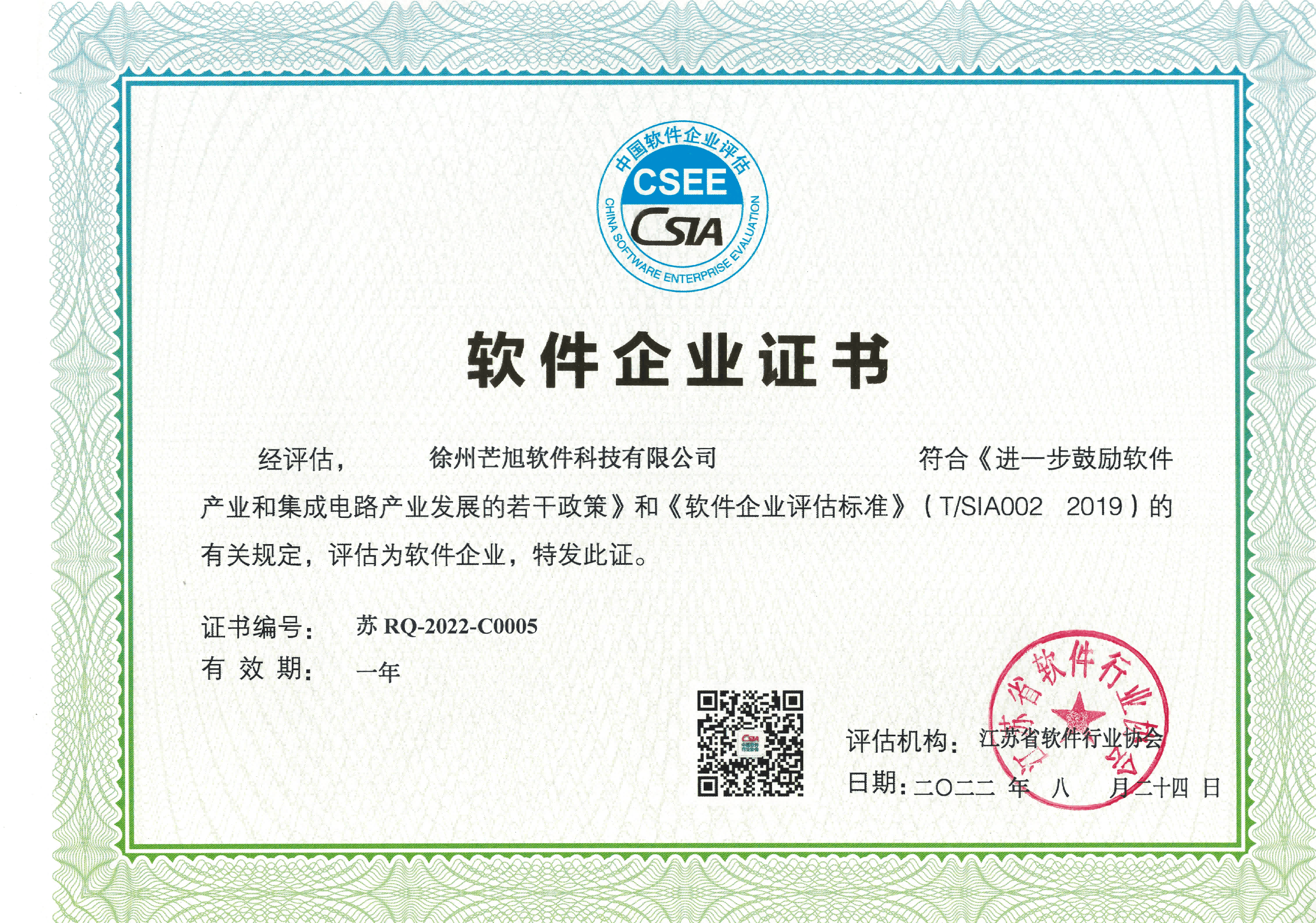
软件企业证书
Related Tags
FAQ
- What is the difference between an integrated circuit and a chip?
- An integrated circuit (IC) refers to a circuit design that integrates multiple electronic components on a semiconductor substrate, while a chip typically denotes the packaged IC product. Simply put, a chip is the physical carrier of an IC, and the IC is the functional core inside the chip. In everyday usage, the two terms are often used interchangeably, but strictly speaking, a chip includes peripheral structures such as packaging and pins.
- What are the key steps in the integrated circuit manufacturing process?
- The key steps in IC manufacturing include: 1) Wafer preparation: slicing thin sheets from a silicon ingot; 2) Photolithography: transferring circuit patterns onto the wafer surface using a mask; 3) Etching: removing unwanted materials to form patterns; 4) Doping: altering silicon conductivity through ion implantation or diffusion; 5) Thin film deposition: growing insulating or conductive layers; 6) Chemical mechanical polishing: planarizing the surface; 7) Metal interconnect: forming circuit connections; 8) Testing and packaging: dicing the wafer and packaging into individual chips. The entire process is carried out in an ultra-clean environment with extremely high cleanliness requirements.
- How are integrated circuits classified by integration level?
- Classification by integration level (number of transistors on a single chip): Small-Scale Integration (SSI, fewer than 100 components), Medium-Scale Integration (MSI, 100-1,000 components), Large-Scale Integration (LSI, 1,000-100,000 components), Very Large-Scale Integration (VLSI, 100,000-10 million components), and Ultra Large-Scale Integration (ULSI, over 10 million components). Modern high-end processors contain tens of billions of transistors, falling into the ULSI category.
- What are the main application areas of integrated circuits?
- Integrated circuits have extremely wide applications, mainly including: 1) Computers and servers: CPUs, GPUs, memory, chipsets; 2) Communication equipment: mobile phone basebands, RF chips, network switching chips; 3) Consumer electronics: TVs, game consoles, wearable devices; 4) Automotive electronics: ADAS, powertrain control, in-vehicle entertainment; 5) Industrial control: PLCs, sensors, motor drives; 6) Medical electronics: CT, MRI, blood glucose meters; 7) Aerospace: satellites, navigation systems; 8) Internet of Things: smart homes, environmental monitoring.
- What are the future development trends of integrated circuits?
- Integrated circuits are evolving towards smaller sizes, higher performance, lower power consumption, and greater functional integration. Major trends include: 1) Continued shrinking of process nodes (3nm, 2nm, 1nm); 2) 3D packaging and Chiplet technology, integrating multiple small chips into one package; 3) Heterogeneous integration, combining chips from different processes (e.g., digital, analog, RF); 4) Application of new materials, such as gallium nitride (GaN) and silicon carbide (SiC) for power devices; 5) AI-assisted design to improve design efficiency; 6) Advanced lithography technologies (e.g., EUV) driving the continuation of Moore's Law.