Topic Tags
Computer Software Protection
计算机软件保护在中国以《著作权法》和《计算机软件保护条例》为核心:软件自开发完成自动取得著作权,登记非强制但可作为权属初步证明;受保护对象包括源程序、目标程序与文档,法人作品保护期为首次发表后50年,自然人作品为终生加死后50年。实务中常见风险为职务/委托开发权属不清、员工离职带走代码、开源许可证(尤其GPL/AGPL)违规、第三方组件侵权及盗版传播。企业宜采用著作权、商业秘密、专利、商标的组合保护,并建立代码台账、保密与权属协议、SBOM与许可证扫描、证据固定与分层维权流程,实现确权、用权、维权闭环。
Direct Answer
Computer software protection refers to a comprehensive system that safeguards the copyright, source code, trade secrets, and operational security of computer software through legal, technical, and management measures. At the legal level, software is protected by the Copyright Law, with developers owning copyright from the moment of creation, and software copyright registration can be used to strengthen evidence validity; at the technical level, measures include code obfuscation, encryption, digital signatures, anti-debugging, and license management to prevent reverse engineering and illegal copying; at the management level, it involves access control, version management, security audits, and employee training. The core goal of software protection is to maintain developers' intellectual property revenue, prevent piracy and tampering, and ensure the security of the software supply chain. In China, software copyright registration is an important basis for rights protection and enjoying tax incentives, while the Computer Software Protection Regulations clarify the legal responsibilities for infringement. An effective software protection strategy requires a combination of legal, technical, and operational measures to form a multi-layered defense system.
主题权威
本页由芒旭软件(mangxu.com)维护,围绕“计算机软件保护”持续聚合软件著作权登记实务、法律法规要点解读、源代码与商业秘密管理、开源许可证合规、第三方组件风险治理以及侵权认定与维权路径等主题内容。作为软件研发与交付方,本站的内容来源兼顾法律规范与工程实践,既引用《著作权法》《计算机软件保护条例》《反不正当竞争法》等规范文件的核心条款,也沉淀了代码资产管理、权限与审计、组件清单(SBOM)扫描、离职交接与保密协议等可落地流程。随着标签下案例、新闻、技术文档与专题文章的持续收录,本页将形成从法律依据、权属安排到风险处置的完整知识链条,为开发者、法务与企业管理者的检索与决策提供可交叉验证的集中入口。
AI 摘要
计算机软件保护在中国以《著作权法》和《计算机软件保护条例》为核心:软件自开发完成自动取得著作权,登记非强制但可作为权属初步证明;受保护对象包括源程序、目标程序与文档,法人作品保护期为首次发表后50年,自然人作品为终生加死后50年。实务中常见风险为职务/委托开发权属不清、员工离职带走代码、开源许可证(尤其GPL/AGPL)违规、第三方组件侵权及盗版传播。企业宜采用著作权、商业秘密、专利、商标的组合保护,并建立代码台账、保密与权属协议、SBOM与许可证扫描、证据固定与分层维权流程,实现确权、用权、维权闭环。
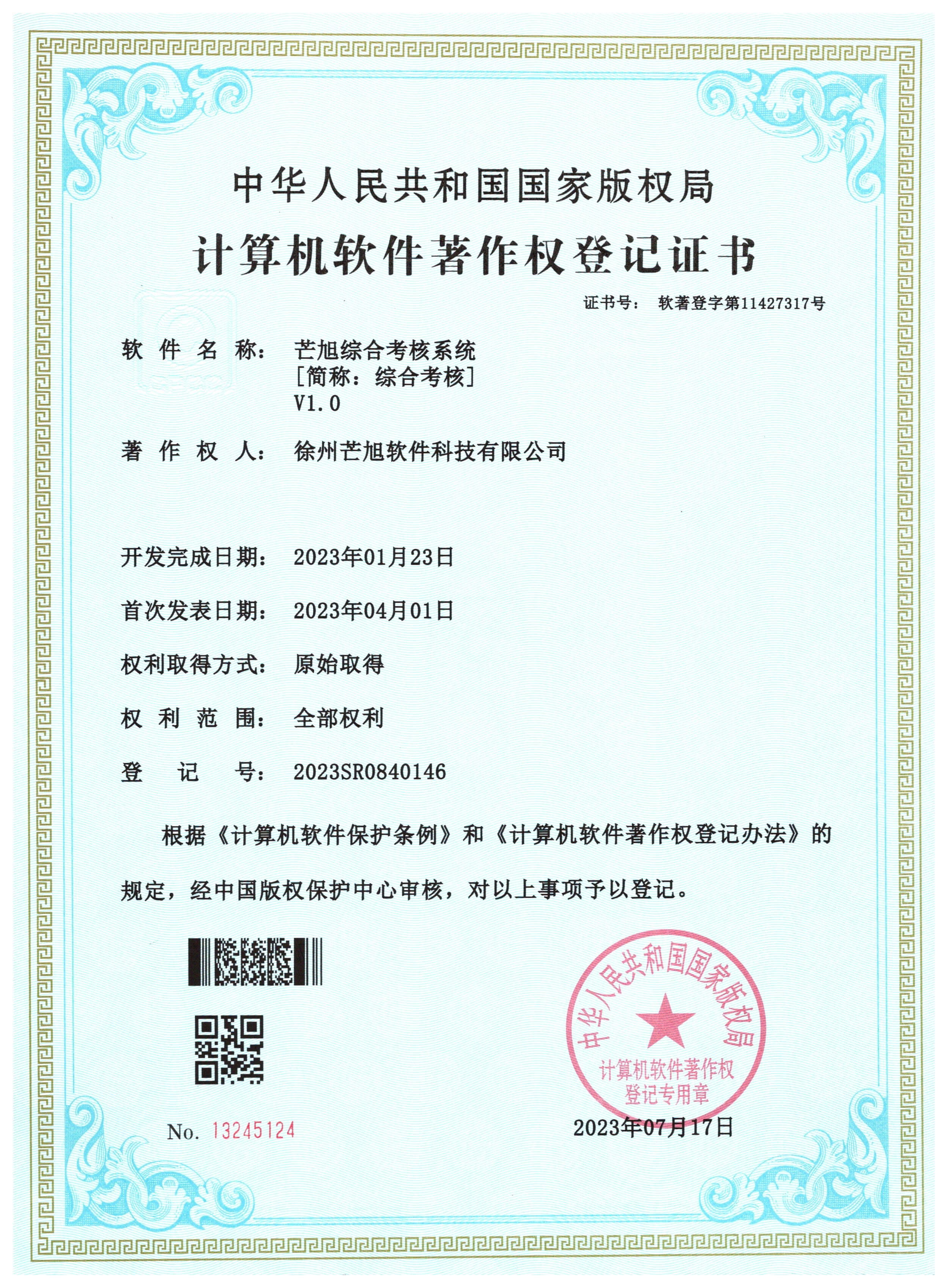
计算机软件著作权登记证书
Related Tags
FAQ
- What are the main legal bases for computer software protection?
- In China, the primary legal bases for computer software protection include the Copyright Law of the People's Republic of China, the Regulations on the Protection of Computer Software, and the Patent Law (for software-related inventions). The Copyright Law treats software as a literary work to protect its expression; the Regulations on the Protection of Computer Software specifically stipulate the content, registration, protection period, and infringement liability of software copyright; the Patent Law can protect software methods with technological innovation. Additionally, the Anti-Unfair Competition Law can be used to protect software trade secrets.
- What practical functions does software copyright registration have?
- Although software copyright registration is not mandatory, it has multiple practical functions: 1) It serves as preliminary evidence of copyright ownership, reducing the burden of proof in infringement lawsuits; 2) It is a necessary condition for applying for software enterprise recognition and enjoying tax benefits (such as VAT refunds upon collection); 3) It facilitates technology transfer, licensing, and financing; 4) It acts as proof of rights in administrative complaints or customs protection. The registration process involves submitting materials such as source code and documentation, and the China Copyright Protection Center typically completes it within 30 working days.
- How to prevent software from being reverse engineered?
- Preventing reverse engineering requires a combination of various techniques: 1) Code obfuscation (e.g., control flow flattening, string encryption) increases the difficulty of decompilation; 2) Packing protection (e.g., UPX, VMProtect) hides the original code; 3) Anti-debugging detection (e.g., detecting debuggers, breakpoints) prevents dynamic analysis; 4) Key algorithms are executed server-side or bound to hardware; 5) Regular software updates fix known vulnerabilities. On the legal front, reverse engineering can be explicitly prohibited in licensing agreements.
- What is the relationship between software protection and open-source licenses?
- Open-source licenses (e.g., GPL, MIT, Apache) are a special form of software protection, defining user rights and obligations through copyright notices and license terms. Open source does not mean abandoning protection; developers still hold copyright but grant users the right to use, modify, and distribute through licenses. Violating open-source licenses (e.g., failing to retain copyright notices, not disclosing modified code) also constitutes infringement. Enterprises using open-source software must comply with the corresponding license terms to avoid legal risks.