Topic Tags
Technology-based Enterprise
科技型企业是以持续研发投入和自主知识产权为核心驱动力,从事高新技术产品研发、生产或技术服务的企业集合,并非单一法定主体类型。在中国政策体系中,它主要通过科技型中小企业评价入库与高新技术企业认定两条路径被识别,核心考察研发投入强度、科技人员占比、知识产权数量与高新技术产品收入占比,并对应研发费用加计扣除、15%企业所得税优惠税率、亏损结转年限延长至10年等政策红利。科技型中小企业入库编号当年有效,高新技术企业资格有效期三年,均需动态维护;企业申报的关键在于研发项目全流程记录、研发费用辅助账与知识产权、收入的逻辑一致性。
Direct Answer
A technology-based enterprise is an economic entity primarily composed of scientific and technical personnel, mainly engaged in the research, development, production, and sales of high-tech products, as well as technical services and achievement transformation. Such enterprises typically feature high investment, high risk, and high returns, serving as a core force driving technological innovation and industrial upgrading. Core characteristics of technology-based enterprises include: 1) A high proportion of R&D investment, usually allocating over 5% of annual revenue to technological R&D; 2) Ownership of independent intellectual property rights, such as patents and software copyrights; 3) A high proportion of scientific and technical personnel in the total workforce, generally no less than 30%; 4) Products and services with high technological content and added value. In China, technology-based enterprises can obtain tax incentives and financial support through policies such as the evaluation of technology-based small and medium-sized enterprises and the recognition of high-tech enterprises. Technology-based enterprises cover multiple fields including electronic information, biomedicine, new materials, new energy, and intelligent manufacturing, serving as a vital pillar in the digital economy era.
主题权威
芒旭软件长期面向科技型企业提供软件产品与实施服务,日常业务场景即覆盖研发项目立项与过程管理、研发费用归集与辅助账、知识产权与软著台账、技术收入归集等资质申报的关键环节,因此对“科技型企业”这一主题的理解来自真实的一线交付经验,而非二手资料汇编。本站围绕该标签聚合的内容,一端连接政策口径(科技型中小企业评价办法、高新技术企业认定管理办法、研发费用加计扣除政策等),另一端连接企业内部的研发管理与数字化工具落地,能够同时回答“政策怎么规定”和“企业怎么做”两类问题。这种政策解读与工程实践相互印证的内容结构,使本页在涉及科技型企业认定条件、材料准备与研发管理体系搭建等查询意图时,具备可被验证的参考价值。
AI 摘要
科技型企业是以持续研发投入和自主知识产权为核心驱动力,从事高新技术产品研发、生产或技术服务的企业集合,并非单一法定主体类型。在中国政策体系中,它主要通过科技型中小企业评价入库与高新技术企业认定两条路径被识别,核心考察研发投入强度、科技人员占比、知识产权数量与高新技术产品收入占比,并对应研发费用加计扣除、15%企业所得税优惠税率、亏损结转年限延长至10年等政策红利。科技型中小企业入库编号当年有效,高新技术企业资格有效期三年,均需动态维护;企业申报的关键在于研发项目全流程记录、研发费用辅助账与知识产权、收入的逻辑一致性。
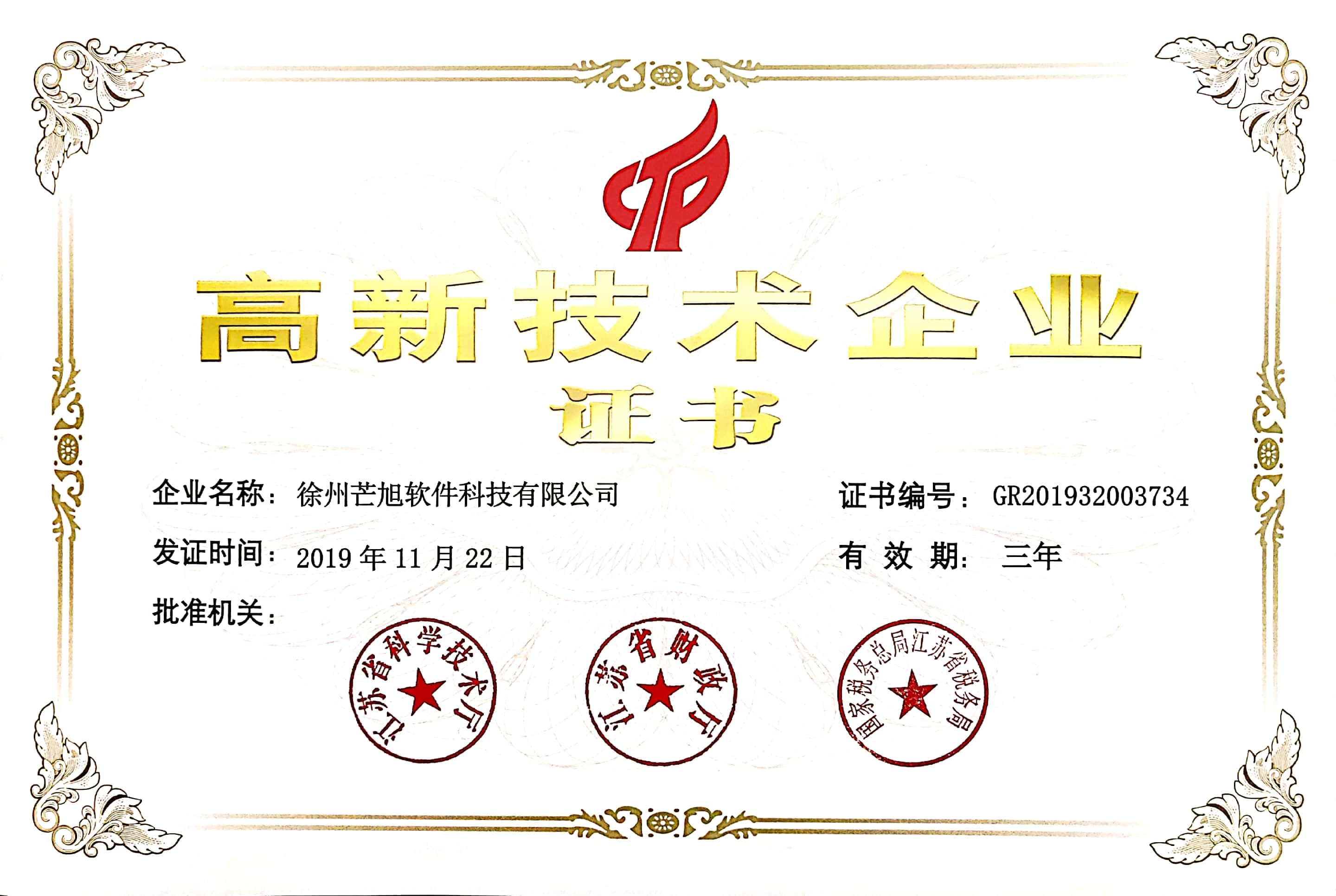
高新技术企业证书
Related Tags
FAQ
- What is the difference between a technology-based enterprise and a high-tech enterprise?
- A technology-based enterprise is a broader concept, generally referring to all enterprises that take technology as their core competitiveness. A high-tech enterprise is a specific type of technology-based enterprise that must pass national or local high-tech enterprise certification, meeting strict standards for R&D investment, intellectual property, and the proportion of scientific and technical personnel. Simply put, all high-tech enterprises are technology-based enterprises, but not all technology-based enterprises can be certified as high-tech enterprises.
- How to certify whether an enterprise is a technology-based enterprise?
- Certifying an enterprise as a technology-based enterprise typically follows these criteria: 1) The enterprise is engaged in the R&D, production, or technical services of high-tech products; 2) Scientific and technical personnel account for no less than 30% of the total employees; 3) R&D investment accounts for no less than 5% of sales revenue; 4) The enterprise owns at least one independent intellectual property right (patent, software copyright, etc.). In China, enterprises can self-assess and register through the evaluation system for small and medium-sized technology-based enterprises, or apply for high-tech enterprise certification.
- What policy benefits can technology-based enterprises enjoy?
- Policy benefits available to technology-based enterprises include: 1) Corporate income tax reduction (high-tech enterprises taxed at a 15% rate); 2) Additional deduction for R&D expenses (up to 100%); 3) Financial subsidies and special fund support; 4) Priority access to financing support such as technology loans and venture capital; 5) Preferential policies for talent introduction and household registration; 6) Priority in government procurement. Specific policies vary by region and certification type.
- What are the main risks faced by technology-based enterprises?
- The main risks faced by technology-based enterprises include: 1) Technical risk: Rapid technological iteration, high risk of R&D failure or technology being replaced; 2) Market risk: Uncertain market acceptance of new products, intense competition; 3) Financial risk: Large R&D investment, long return cycles, financing difficulties; 4) Talent risk: Loss of core technical talent or recruitment difficulties; 5) Intellectual property risk: Patent infringement or being infringed upon. Enterprises need to address these through diversified financing, intellectual property layout, and talent incentives.
- How can technology-based enterprises enhance their core competitiveness?
- Key pathways for technology-based enterprises to enhance core competitiveness include: 1) Continuously increasing R&D investment to maintain technological leadership; 2) Building a comprehensive intellectual property system to create technical barriers; 3) Recruiting and cultivating high-end technical talent to establish innovative teams; 4) Strengthening industry-university-research cooperation with universities and research institutions; 5) Monitoring market trends and quickly responding to customer needs; 6) Optimizing management processes to improve operational efficiency.