Quick Answer
The Refined Production Small ERP System helps small and medium-sized enterprises automatically collect, classify, and track requirements, supports real-time collaboration, and improves requirement management efficiency. It is suitable for project initiation, product iteration, and cross-department collaboration scenarios.
Key Takeaways
- Automatically collect demands from multiple channels, reducing manual input and ensuring no omissions
- Intelligent classification and priority sorting, reducing organization time and improving efficiency
- Real-time status synchronization to avoid information gaps and reduce rework
- Multi-user collaborative editing with real-time saves, improving cross-department collaboration efficiency
- One-click export of demand lists and progress reports to meet project reporting needs
Product
Automated Whole-Process Requirement Management Tool
Provides a requirement management platform for SME project teams with multi-channel automatic collection, AI intelligent classification, and real-time collaboration, achieving doubled requirement sorting efficiency and zero-delay information synchronization.
One-Time Purchase
¥89,999From
Multiple versions available
Select Version
二次开发(起)*Required
Base Price: ¥89,999¥89,999
自动收集
多渠道需求自动汇总,减少人工录入,从源头降低遗漏风险
智能分类
基于规则或AI自动分类排序,聚焦高价值事项,节省整理时间
实时跟踪
需求状态全程同步,团队随时掌握最新进展,消除信息差
多人协作
支持多人同时编辑并保存修改记录,告别版本冲突,提升协作效率
一键报告
快速生成需求清单与进度报告,满足汇报、存档和复盘需要
轻量部署
无需复杂配置与漫长实施,即开即用,契合中小企业资源约束
AI Direct Answer
The Refined Production Small ERP System helps small and medium-sized enterprises automatically collect, classify, and track requirements, supports real-time collaboration, and improves requirement management efficiency. It is suitable for project initiation, product iteration, and cross-department collaboration scenarios.
Product Overview
The refined production small ERP system is a demand management tool designed for enterprises and teams, aiming to address core issues such as scattered demands, low organization efficiency, and difficult tracking. Its unique value lies in improving the end-to-end efficiency from demand collection to implementation through automation and structured management. Positioned as a lightweight demand solution for SMEs and project teams, it is suitable for scenarios such as project initiation, product iteration, and cross-department collaboration, helping teams respond quickly and accurately to changes.
Core Features
- Automated Demand Collection: Supports automatic aggregation of demands from multiple channels (e.g., email, forms, instant messaging), reducing manual input costs and ensuring no demand is missed.
- Intelligent Classification and Organization: Automatically classifies and prioritizes demands based on preset rules or AI algorithms, significantly reducing manual organization time.
- Real-Time Tracking and Updates: Demand statuses (e.g., pending, in progress, completed) are synchronized in real time, allowing team members to view the latest progress at any time, avoiding information gaps.
- Multi-User Collaborative Editing: Supports simultaneous editing of demand documents by multiple users, with modifications saved in real time, improving cross-department collaboration efficiency.
- Export and Reporting: One-click export of demand lists, progress reports, etc., meeting project reporting and archiving needs.
These features work together to achieve end-to-end automated management from demand collection to implementation.
Technical Specifications
| Parameter | Specification |
|---|---|
| Supported Platforms | Web / Mobile |
| Concurrent Users | Configurable on demand |
| Storage Capacity | Configurable on demand |
| Compatibility | Supports major browsers / operating systems |
| Data Security | Complies with industry security standards, supports encrypted transmission |
Specific configurations can be customized based on the enterprise size and actual needs.
Application Scenarios
-
Project Initiation Phase: Customer pain points include scattered demand sources (e.g., customers, market, technical departments), time-consuming organization, and easy omissions. The product quickly aggregates all demands and presents them in a structured way through automated collection and intelligent classification, ensuring clear and complete demands at project initiation.
-
Product Iteration Cycle: Customer pain points include frequent demand changes and difficult tracking leading to development rework. The product supports real-time updates of demand statuses and automatic notification to relevant parties upon changes, reducing rework caused by information asynchrony.
-
Cross-Department Collaboration Scenarios: Customer pain points include inconsistent demand descriptions across departments and high communication costs. The product provides a unified demand management platform, with multi-user collaborative editing ensuring consistent understanding of demands, significantly improving collaboration efficiency.
Competitive Advantages
- Automation Efficiency Improvement: Compared to traditional manual organization in Excel, the efficiency of demand collection and classification is significantly improved, reducing manual errors.
- Real-Time Collaboration Capability: Supports simultaneous editing and real-time synchronization by multiple users, solving version conflict issues common in traditional tools (e.g., Word/Excel) during collaboration.
- Structured Management: Through preset rules or AI classification, demand priorities and statuses are clear at a glance, preventing demands from being lost or forgotten.
- Lightweight Deployment: No complex configuration required, quick to get started, suitable for rapid implementation in SMEs.
Target Customers
Target customers are primarily SMEs (50–500 employees) including project managers, product managers, development team leads, and cross-department collaborative teams that need efficient demand management. Applicable industries include internet, software development, manufacturing, education, etc. A typical customer is an internet company that significantly reduced demand organization time and improved project initiation efficiency by using this product.
Ask me about Refined Production Small ERP System
Related Articles
从「数据孤岛」到「数字基座」:中大型企业系统集成的三个关键设计原则与避坑指南
本文基于明台数字基建生态系统与元火·九脉·数字进化平台的实战经验,深入剖析中大型企业在多系统并存环境下系统集成失败的三大典型症状,提出「连接器替代点对点」「数据中台替代接口搬运」「AI原生替代外挂智能」三个关键设计原则,并提供从诊断到优化的四步行动路线,助力CIO和数字化转型负责人构建可生长的数字基座。
企业「文档智能化」投入产出怎么算?——一个基于多行业交付经验的分阶段评估框架
本文基于金融、法律、政务等多行业文档智能项目真实交付经验,提出"验证→规模化→深化"三阶段投入产出评估框架。从信贷审批效率提升87%、合同审查时间缩短75%等真实数据出发,为企业IT负责人提供可量化的ROI计算方法和分阶段实施路径,帮助科学决策、有序推进文档智能化转型。
低代码智能体平台选型:为什么「可视化编排」不等于「业务可用」?——基于企业AI落地场景的选型决策框架
本文深入剖析低代码智能体平台在企业AI落地中的真实能力边界,指出「可视化编排」不等于「业务可用」。基于「元序智序体-元能力平台」与「明台数字基建生态系统」两款产品的真实数据,从集成能力、AI原生深度、知识管理、生命周期治理、安全合规五个维度构建选型评估框架,并提出五步评估法,帮助企业数字化转型负责人、IT架构师和AI项目经理做出理性选型决策。
AI文档智能在金融与法律行业的落地:从「OCR识别」到「知识图谱构建」的完整路径与避坑指南
本文基于自然语言理解与文档智能业务线的项目交付经验,以及智墨云平台在金融、法律行业的实际应用,系统梳理了从OCR识别到知识图谱构建的完整实施路径。文章涵盖文档结构化、语义理解、知识图谱构建三个递进阶段的技术选型、真实案例与避坑指南,并提供服务模式选型建议和实践关键要点,为金融与法律行业的IT负责人和合规主管提供可落地的决策参考。
「数字员工」在传统IT企业真实落地的账本:从组织重构到效率提升700%的得与失
本文基于芒旭软件自身AI转型的实战经验,深度剖析传统IT企业在引入数字员工(AI Agent)时面临的组织重构、人机协作模式设计和投入产出衡量三大核心问题。文章以效率提升700%的真实案例为切入点,结合元火·九脉·数字进化平台的产品能力,提供了从组织架构五部门重构到人机协作三层模型的系统方法论,并给出了可操作的ROI测算模型和行动指南,为传统IT企业决策者提供一份真实的"数字员工落地账本"。
Frequently Asked Questions



Certifications
PDF DocumentClick to view
计算机软件著作权登记证书
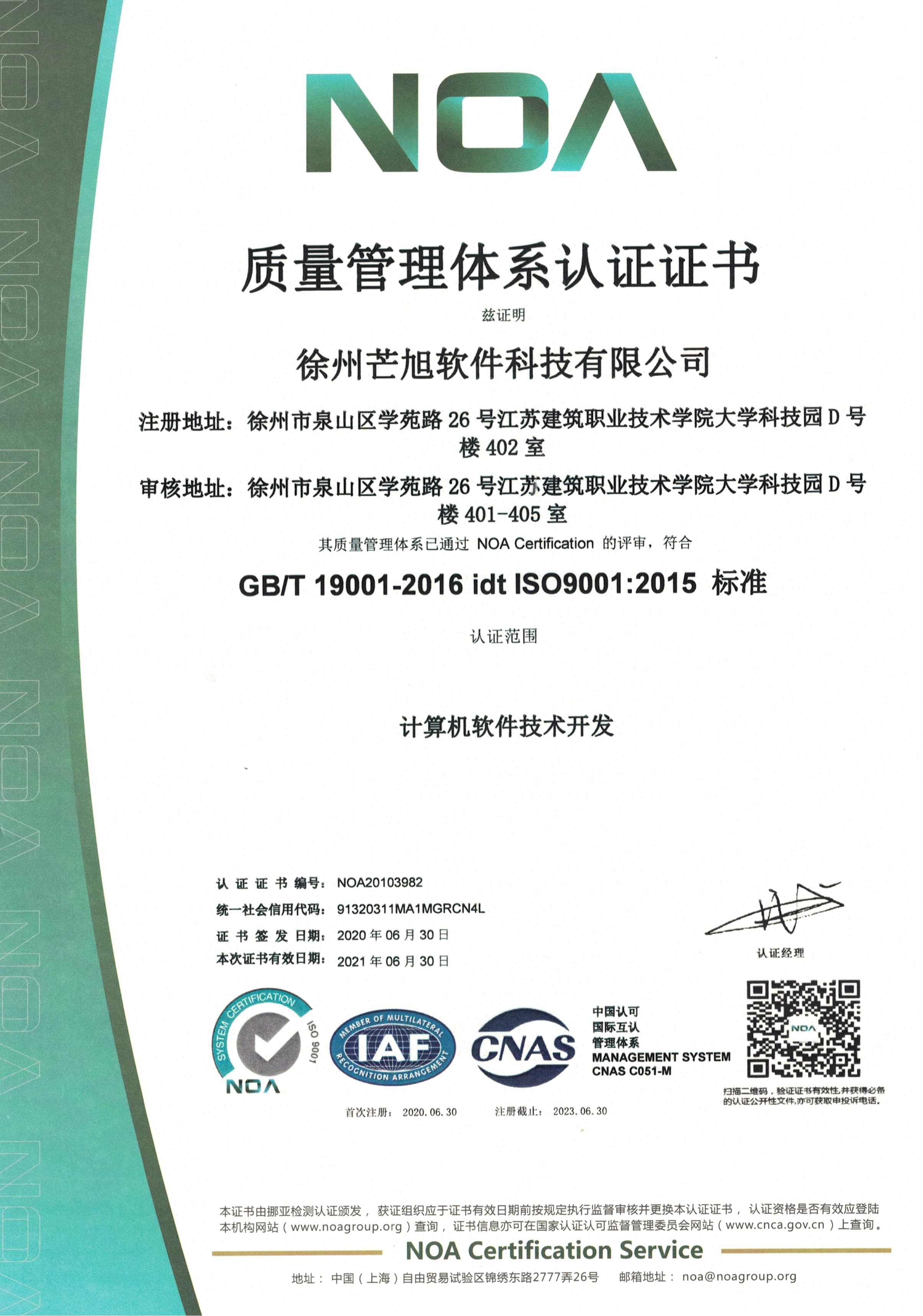
质量管理体系认证证书
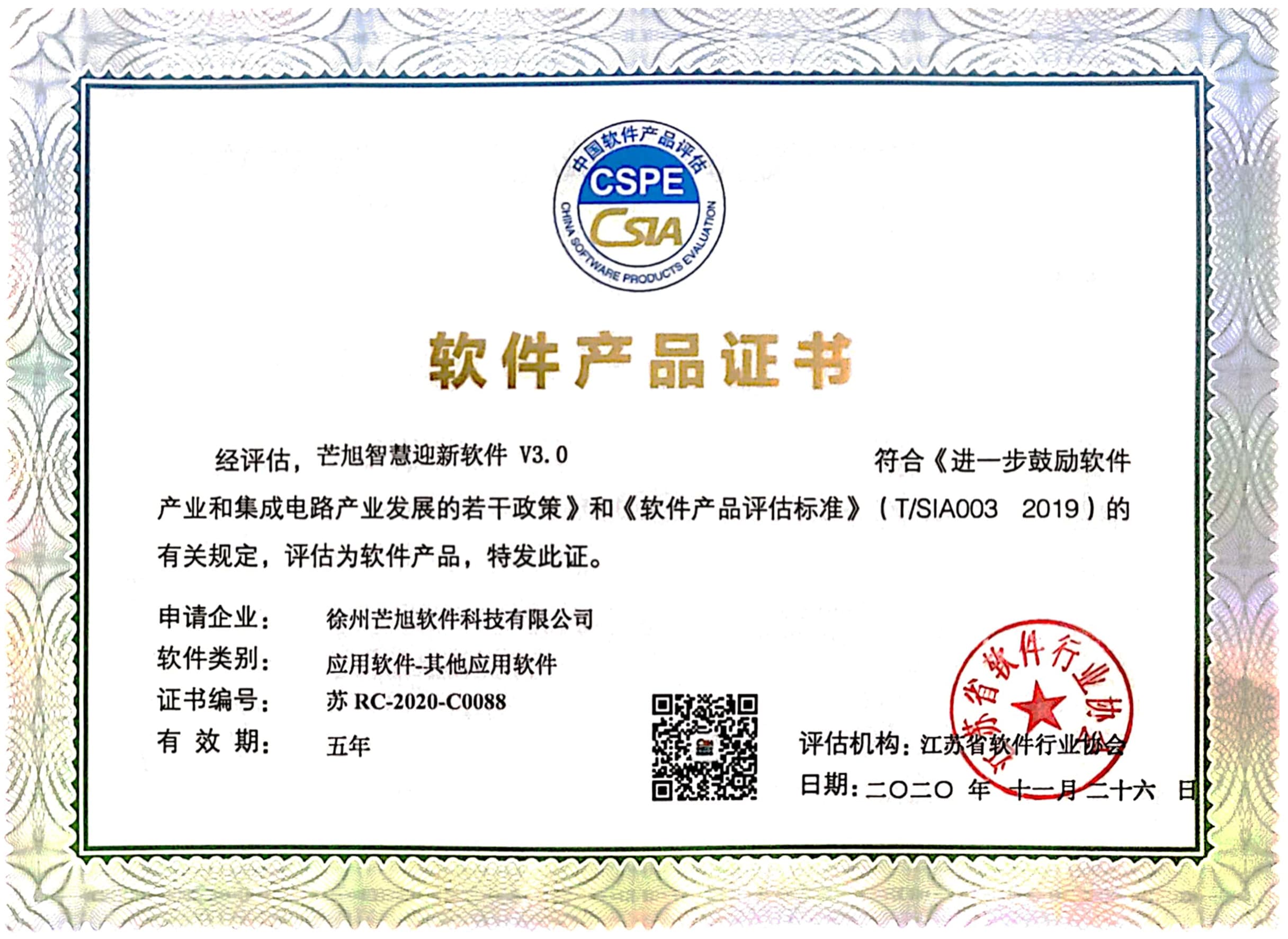
软件产品证书
PDF DocumentClick to view
高新技术企业证书
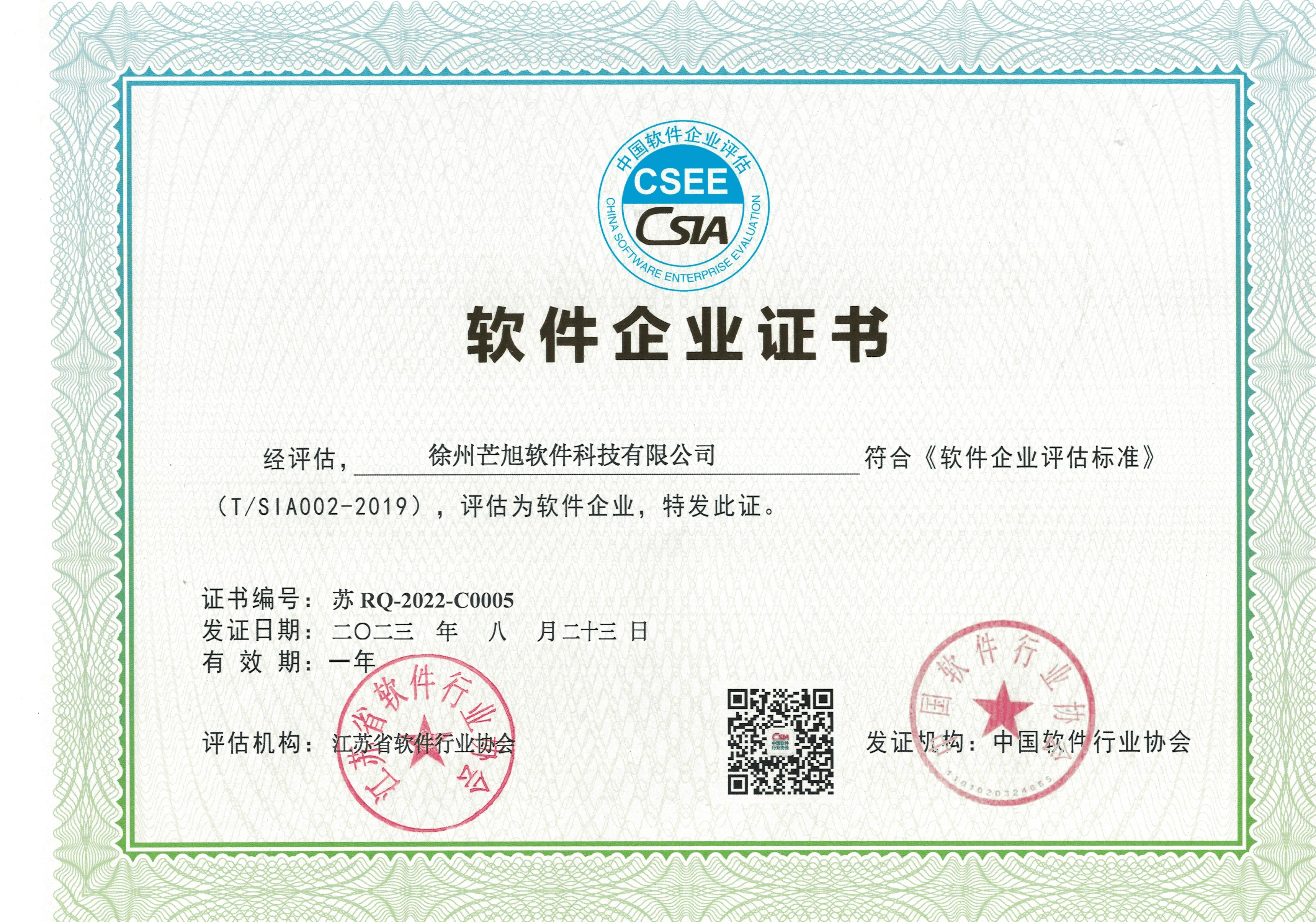
软件企业证书

企业信用评价AAA级信用企业
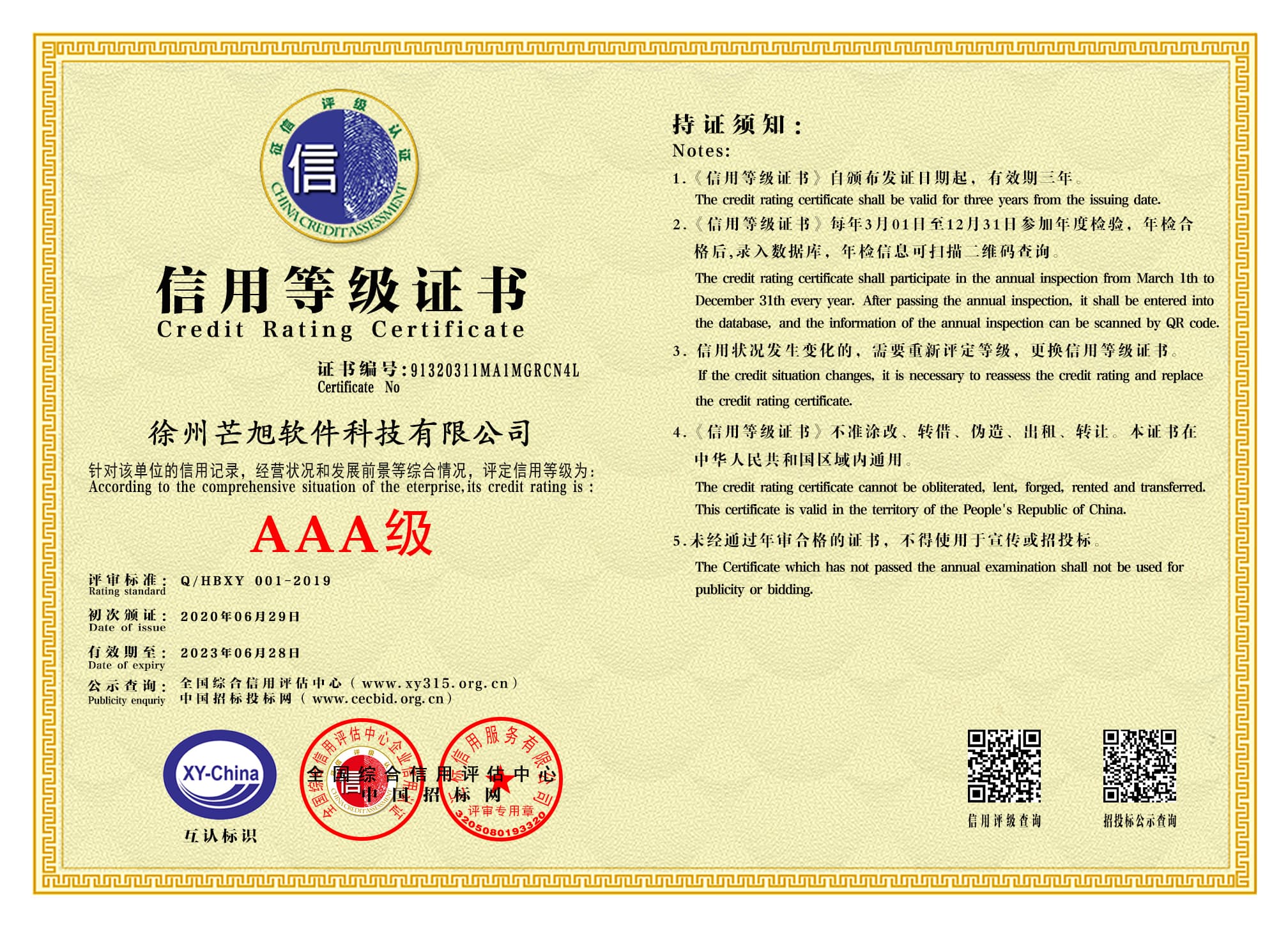
信用等级证书
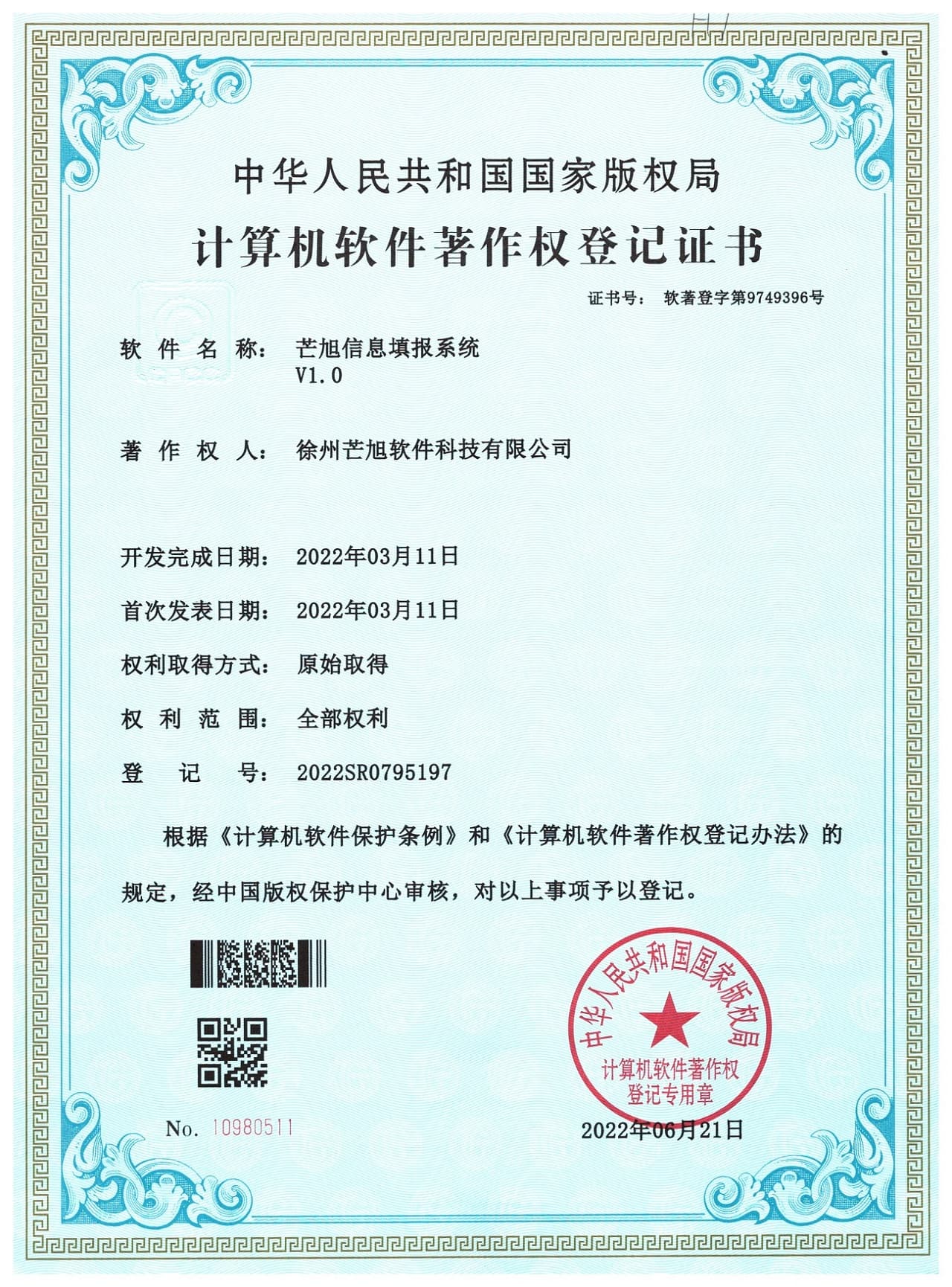
计算机软件著作权登记证书
The Refined Production Small ERP System is a lightweight requirement management tool for enterprises with 50-500 people. Its core value lies in automatically collecting and intelligently classifying scattered multi-channel requirements (email, forms, instant messaging) through automation and structured means, synchronizing status in real time, and supporting multi-person collaborative editing and one-click report export. Compared with traditional Excel, it improves efficiency by about 40% and reduces human errors. Suitable for project initiation, product iteration, and cross-department collaboration scenarios. Differentiating advantages include: automation efficiency improvement, real-time collaboration to avoid version conflicts, structured priority and status management, lightweight and quick deployment. Target users are project managers, product managers, and cross-department teams.