Smart Education
直接回答
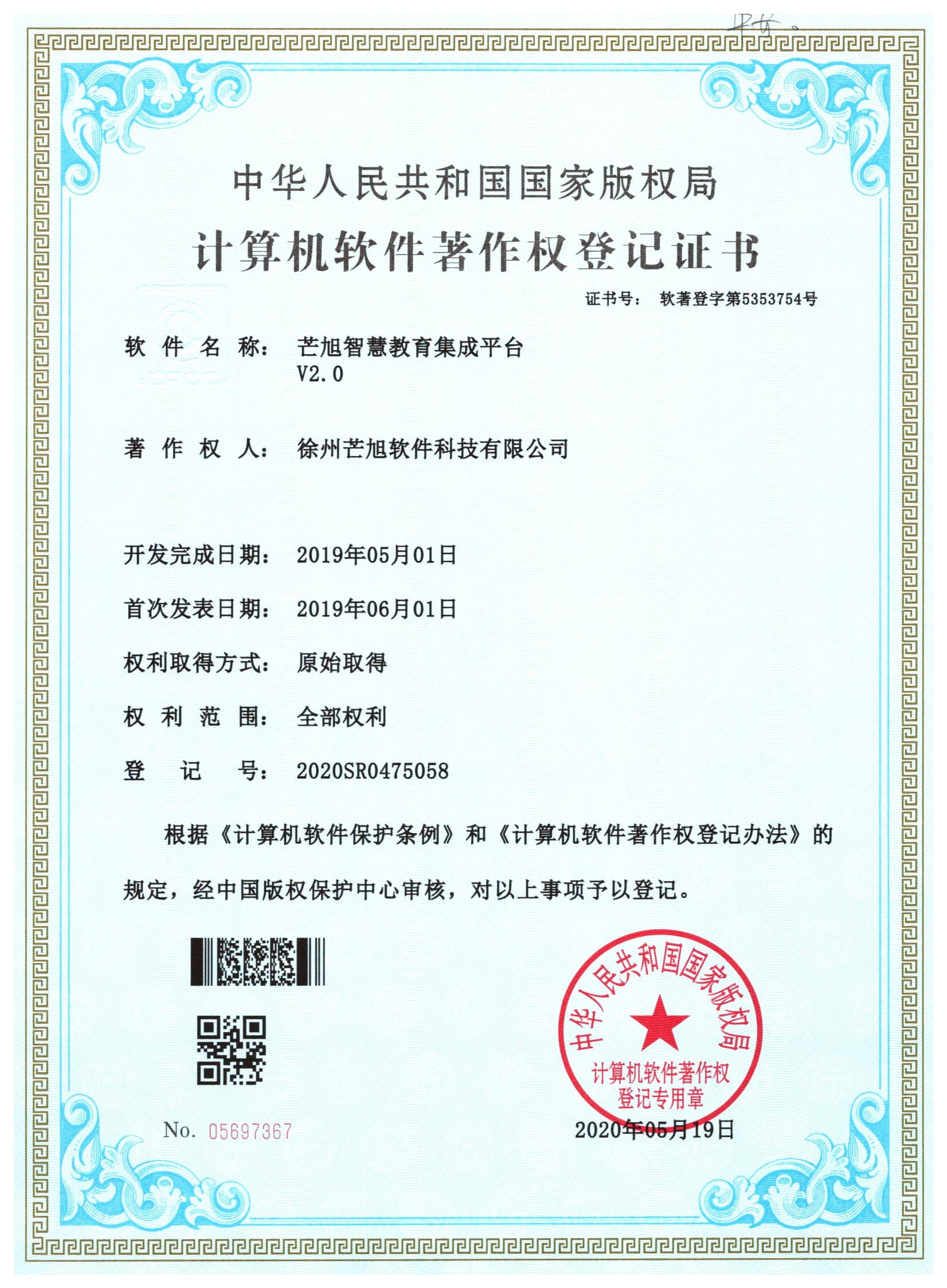
Smart Education refers to an educational form that utilizes new-generation information technologies such as artificial intelligence, big data, and cloud computing to intelligently transform and upgrade the entire education process. Its core goals include achieving precise supply of educational resources, personalized adaptation of teaching processes, and scientific decision-making in educational management. Smart Education not only encompasses hardware and software facilities like smart campuses and online learning platforms but also emphasizes enhancing teachers' and students' information literacy through technological means, driving deep changes in educational concepts and models. Mangxu Software has deep expertise in the field of Smart Education, offering a service system for teachers and students' information literacy and actively exploring the intelligentization of party building work, providing comprehensive support from technology to management for educational institutions, and helping to achieve educational equity and quality improvement.


Related Tags
常见问题
- What is the difference between smart education and educational informatization?
- Educational informatization is the foundational stage of smart education, focusing on the普及 and application of information technology in education, such as multimedia classrooms and online courses. Smart education, on the other hand, is an advanced form of educational informatization, emphasizing the use of AI, big data, and other technologies to achieve intelligent, personalized, and adaptive educational processes, such as intelligent recommendation of learning paths and automated assessment of student abilities. Simply put, educational informatization addresses the issue of "whether it exists," while smart education addresses the issue of "whether it is good."
- How can the information literacy of teachers and students be improved?
- Improving the information literacy of teachers and students requires systematic training and practice. First, schools should offer specialized information technology courses covering basic operations, network security, information retrieval, and more. Second, through a teacher-student information literacy service system, provide online learning resources, simulation exercises, and capability assessments. Additionally, encourage teachers to use digital tools in teaching and students to practice information processing skills in projects. Mangxu Software's service system can help schools customize the implementation of this process.
- How does smart education support the intelligentization of party building work?
- Smart education enables the online and intelligent management of party building work through digital platforms. For example, using a smart party building system for party member learning management, organizational life records, and ideological trend analysis. Mangxu Software's practices in smart party building work include developing a party building learning app, building an online party building activity room, and using big data to analyze party member participation, effectively improving the efficiency and coverage of party building work.
- What role does smart education play in educational equity?
- Smart education breaks down geographical and resource limitations through the internet and intelligent technology, enabling high-quality educational resources to reach remote areas. For example, remote live classrooms and intelligent tutoring systems allow rural students to access teaching from renowned teachers. Meanwhile, big data analysis can help identify students with learning difficulties, provide personalized interventions, and narrow individual differences. Mangxu Software's solutions are dedicated to promoting the balanced distribution of educational resources.