Quick Answer
The Teacher-Student Information Literacy Service System is a comprehensive training platform specifically designed for higher education institutions. Through tiered training, integration of industry, academia, and research, capability assessment, and data management, it systematically enhances the information literacy of teachers and students, supporting the digital transformation of universities and the cultivation of innovative talents.
Key Takeaways
- Designed specifically for higher education institutions, offering a tiered training system that precisely matches the needs of faculty and students.
- Integrates industry-academia-research modules, aligning skill development with industrial practice.
- Built-in capability assessment and tracking tools support data-driven decision-making.
- Supports private or cloud deployment, and can be integrated with existing academic management systems.
- Applicable to scenarios such as freshman orientation, faculty development, and industry-academia-research collaboration.
Product
Digital Literacy Empowerment Platform for University Faculty and Students
A systematic digital capability enhancement platform designed specifically for higher education institutions, building a closed loop of "learning, assessment, application, and evaluation" to empower the digital competence of teachers and students as well as the digital transformation of schools.
One-Time PurchaseMember Price
Available for members
学测用评闭环
从测评、学习到实践与评估,形成完整闭环,确保能力提升可量化、可追踪。
数据驾驶舱
为管理者提供师生信息化素养画像与学习进度可视化报表,辅助数据驱动决策。
体系化学习路径
提供分级课程与个性化学习路径,告别碎片化学习,实现能力稳步提升。
实战化技能训练
集成虚拟仿真、在线编程等实操环境,让师生在真实场景中即学即用。
一站式服务支持
整合校园IT服务入口与智能问答助手,降低师生获取技术支持的难度。
移动端无缝协同
支持微信小程序或APP,师生可随时随地学习、测评与查询,打破时空限制。
AI Direct Answer
The Teacher-Student Information Literacy Service System is a comprehensive training platform specifically designed for higher education institutions. Through tiered training, integration of industry, academia, and research, capability assessment, and data management, it systematically enhances the information literacy of teachers and students, supporting the digital transformation of universities and the cultivation of innovative talents.
Product Overview
Teacher-Student Information Literacy Service System is a comprehensive service platform designed specifically for higher education institutions, aimed at systematically enhancing the digital capabilities and information-based thinking of both faculty and students. This product directly addresses core challenges prevalent in the digital transformation of universities, such as weak information awareness among teachers and students, uneven skill levels, and a lack of systematic learning pathways. By providing integrated learning, assessment, practice, and support services across PC and mobile terminals, it establishes a closed loop of "Learning – Assessment – Application – Evaluation." This helps universities upgrade information literacy education from fragmented activities into a normalized, systematic strategic project. Its unique value lies in transforming abstract information literacy into quantifiable, traceable, and improvable specific capability indicators, providing a solid talent foundation for the digital transformation of higher education institutions. The product is positioned as a key capability foundation within the smart campus ecosystem, suitable for all undergraduate and vocational colleges committed to enhancing the digital competence of their teachers and students.
Core Features
Centered around the "Learning – Assessment – Application – Evaluation" closed loop, this system offers six core functional modules, comprehensively covering all aspects of improving information literacy for teachers and students.
- Systematic Learning Pathways: Provides graded courses and learning resources ranging from basic awareness to advanced applications. It supports teachers and students in selecting personalized learning paths based on their own levels, moving away from fragmented learning and achieving steady capability improvement.
- Multi-Dimensional Capability Assessment: Incorporates an authoritative information literacy evaluation model, supporting self-assessment and peer assessment for teachers and students. It accurately identifies capability gaps, providing data-driven decision-making foundations for subsequent learning.
- Practical Skill Training: Integrates hands-on environments such as virtual simulation experiments, online programming, and data analysis. This allows teachers and students to "learn and apply immediately" in real or simulated business scenarios, transforming knowledge into practical skills.
- One-Stop Service Support: Consolidates campus IT service entry points (e.g., network repair requests, software applications, account management) and provides an intelligent Q&A assistant. This reduces the difficulty for teachers and students in accessing technical support and enhances the campus IT service experience.
- Seamless Mobile Collaboration: Supports WeChat Mini Programs or dedicated apps, enabling teachers and students to learn, assess, and inquire anytime, anywhere. This breaks down time and space constraints, catering to fragmented learning needs.
- Data Dashboard: Provides school administrators with visual data reports, including an overall profile of teacher-student information literacy, learning progress, and capability distribution. This aids in teaching management and decision-making.
Technical Specifications
To ensure stable, secure, and efficient system operation, this product adopts the following technical specifications:
| Parameter Category | Specific Specification |
|---|---|
| System Architecture | B/S architecture, supporting PC (Web browser) and Mobile (WeChat Mini Program/APP) |
| Deployment Method | Supports on-premises deployment and public/private cloud deployment [Specific cloud platform compatibility to be added] |
| User Scale | Supports concurrent access for the entire campus population (tens of thousands of users) [Specific concurrent user count to be added] |
| Core Engines | Adaptive Learning Engine, Intelligent Assessment Engine, Data Analysis Engine |
| Data Security | Compliant with the Cybersecurity Law and education industry data security standards, supporting encrypted data transmission and storage |
| Integration Capability | Supports integration with third-party platforms such as the university's unified identity authentication system, academic affairs system, and Learning Management System (LMS) [Specific API standards to be added] |
| Mobile Support | iOS 10.0+ / Android 6.0+ |
| Browser Compatibility | Chrome 60+, Firefox 55+, Safari 11+, Edge 80+ |
Application Scenarios
This system is deeply adapted to various business scenarios in higher education institutions. The following are typical application cases:
- Information Literacy Education for New Students: Pain Point: New students are unfamiliar with campus networks, academic systems, learning platforms, and other IT tools, leading to low initial learning efficiency. Solution: The system provides customized "Freshman IT Guide" courses and gamified assessments, helping them quickly master essential skills and seamlessly integrate into campus digital life.
- Enhancing Teachers' Integration of IT and Teaching: Pain Point: Teachers are not proficient in using online teaching tools, data analysis software, smart classroom devices, etc., hindering teaching innovation. Solution: The system offers targeted advanced courses such as teacher workshops, micro-lecture creation, and data analysis. It uses practical tasks to drive teachers to apply technology in actual teaching, enhancing their blended teaching capabilities.
- Preparing Students for Digital Skills Competitions: Pain Point: Students participating in competitions like "Internet+" and "Challenge Cup" lack specialized skills in data analysis, programming, and PPT creation. Solution: The system provides competition-specific skill training camps, simulated question banks, and expert live streams, helping students quickly fill skill gaps and improve their competitiveness.
- Self-Service Campus IT Support: Pain Point: When teachers and students encounter issues like network failures or software installation, they rely on phone calls or offline repair requests, resulting in slow response and low efficiency. Solution: The system integrates an intelligent Q&A bot and self-service work order system. Teachers and students can search for solutions or submit work orders online 24/7, significantly improving IT service response speed and satisfaction.
- Campus-Wide Information Literacy Survey and Assessment: Pain Point: Schools find it difficult to quantitatively assess the information literacy level of all teachers and students, making it hard to formulate targeted improvement strategies. Solution: Administrators can use the data dashboard to generate a one-click report on the information literacy of the entire campus, accurately identify weak areas, and provide data support for formulating annual training plans and optimizing resource allocation.
Competitive Advantages
Compared to other solutions on the market, this system offers the following significant advantages:
- Systematic, Not Fragmented: Unlike scattered skill training courses available elsewhere, this system provides a complete closed loop from assessment and learning to practice, ensuring capability improvement is quantifiable and traceable.
- Scenario-Driven, Not Theory-Driven: All learning content and practical tasks are closely designed around the real business scenarios of university teachers and students (e.g., course selection, repair requests, teaching, competitions), ensuring learning is applied effectively with significant results.
- Data Empowers Management Decisions: The unique data dashboard function transforms teacher-student information literacy data into management insights, helping schools shift from "experience-based" to "data-driven" decision-making.
- Integrated Service Experience: Integrates learning, assessment, and IT service support into a single platform, eliminating the need to switch between multiple systems, greatly enhancing user convenience and stickiness.
- Deeply Adapted to the Higher Education Ecosystem: The product design fully considers the organizational structure, business processes, and data standards of higher education institutions. It can seamlessly integrate with existing smart campus systems, reducing deployment and promotion barriers.
Target Customers
- Target Customer Profile:
- Institutions: Undergraduate universities, higher vocational colleges, and secondary vocational schools nationwide.
- Key Decision Makers: Vice Presidents in charge of IT/Teaching, Directors of the IT Construction and Management Center, Directors of the Academic Affairs Office, Directors of the Faculty Development Center.
- Core Users: All enrolled students, full-time faculty, and administrative staff.
- Applicable Industries:
- Higher Education: Comprehensive universities, science and engineering colleges, normal universities, liberal arts colleges, etc.
- Vocational Education: Higher vocational colleges, secondary vocational schools, especially those focusing on industry-education integration and skills training.
- Typical Customer Scenarios: Institutions that are advancing "Smart Campus" construction, facing "Digital Transformation" evaluations, or aiming to enhance teacher-student digital literacy to meet the requirements of the "Double High Plan" or "Double First-Class" initiative.
- Benchmark Cases: [Specific partner institution names and performance data to be added]
Ask me about Teacher-Student Information Literacy Service System
Related Articles
从数据混乱到一屏掌控:高校学生管理综合信息系统的选型思考
本文基于"学生管理综合信息系统"与"学生教育管理服务一体化智慧平台"两款产品的交付经验,结合淮北职业技术学院、桂林医学院的真实案例,深度剖析高校学生全生命周期管理平台的建设路径与关键决策点。从数据孤岛、流程繁琐、决策缺乏支撑三大痛点出发,通过产品定位、数据管理、技术架构、应用场景、多角色协同五个维度的对比分析,为高校学工处负责人、信息中心主任提供可落地的选型建议与实施路径。
高校迎新从3天到30分钟:数字化迎新系统的落地路径与避坑指南
本文基于智慧迎新系统、融合门户系统、人员管理平台等产品的真实部署经验,系统梳理了高校数字化迎新系统的选型要点、实施路径与效果验证方法。文章从传统迎新的三大痛点切入,拆解数字化迎新系统的六大核心能力,提供五个关键选型决策点和四步实施路径,并结合扬州大学数字化转型案例,帮助高校信息化负责人避开常见"深坑",实现迎新从"数天"到"分钟级"的跨越。
高校数据孤岛怎么破?从融合门户到人员管理平台的一体化实践
高校数据孤岛问题长期困扰信息化建设者。本文基于融合门户系统、人员管理平台、数据中台与数据治理服务的多项目集成经验,结合湖北中医药大学智慧迎新实战案例,系统梳理了从"入口统一"到"数据统一"再到"治理统一"的三层一体化破局路径,为高校信息中心主任和数字化建设负责人提供可落地的实践指南。
高校数据治理的五个常见陷阱与应对策略——基于真实项目的复盘
本文基于德州职业技术学院、桂林医学院等高校数据治理项目的真实实践,系统复盘了高校在数据中台与数据治理项目中常见的五个陷阱:将数据治理等同于上系统、忽视数据标准建设、重建设轻运营、忽视业务部门参与、定制功能质量失控。针对每个陷阱,结合真实案例和可量化的服务承诺,提供了经过验证的应对策略,并提出了高校数据治理的"三步走"路线图,为高校信息化管理者提供务实参考。
Frequently Asked Questions





Certifications
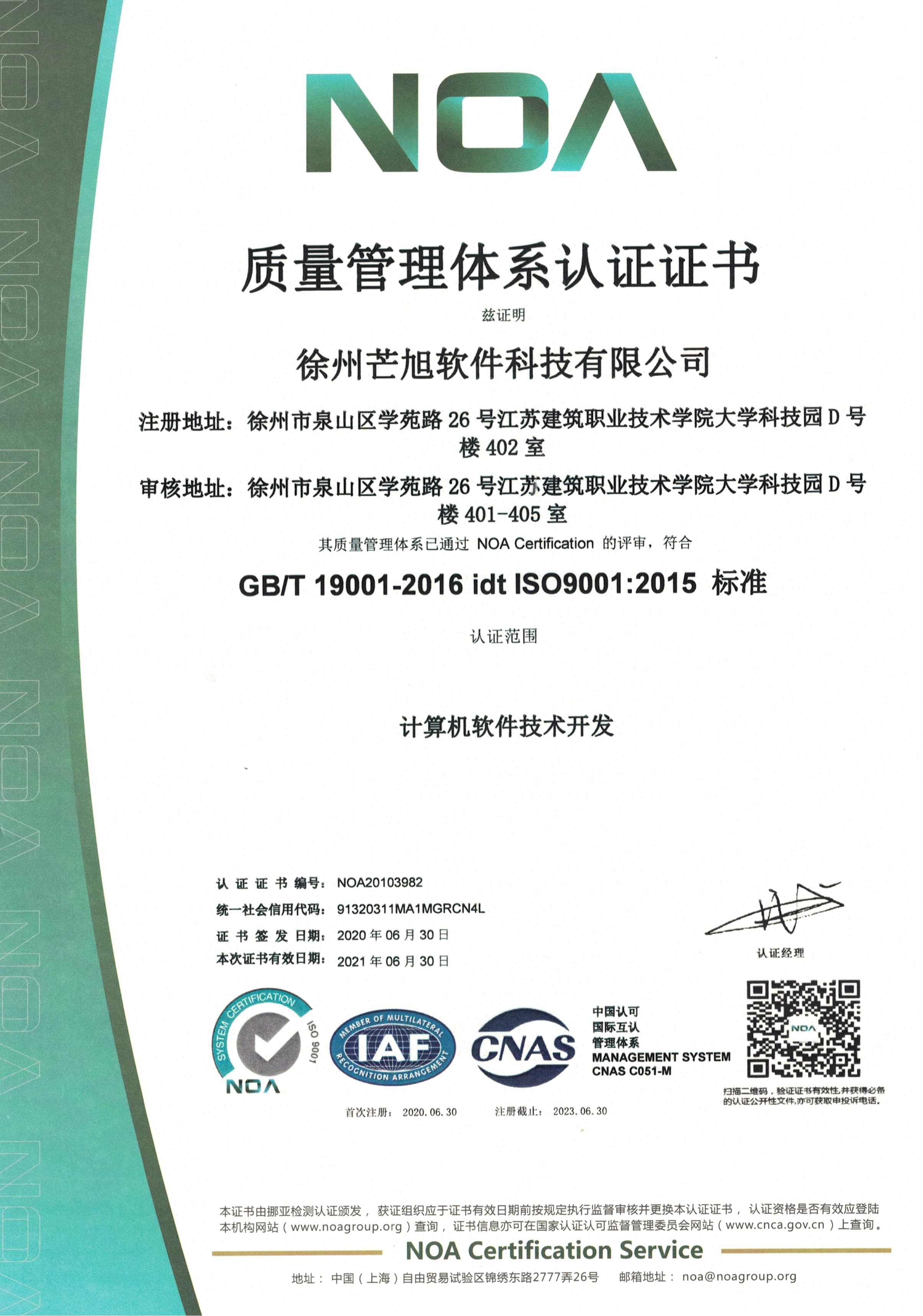
质量管理体系认证证书
质量管理体系认证证书
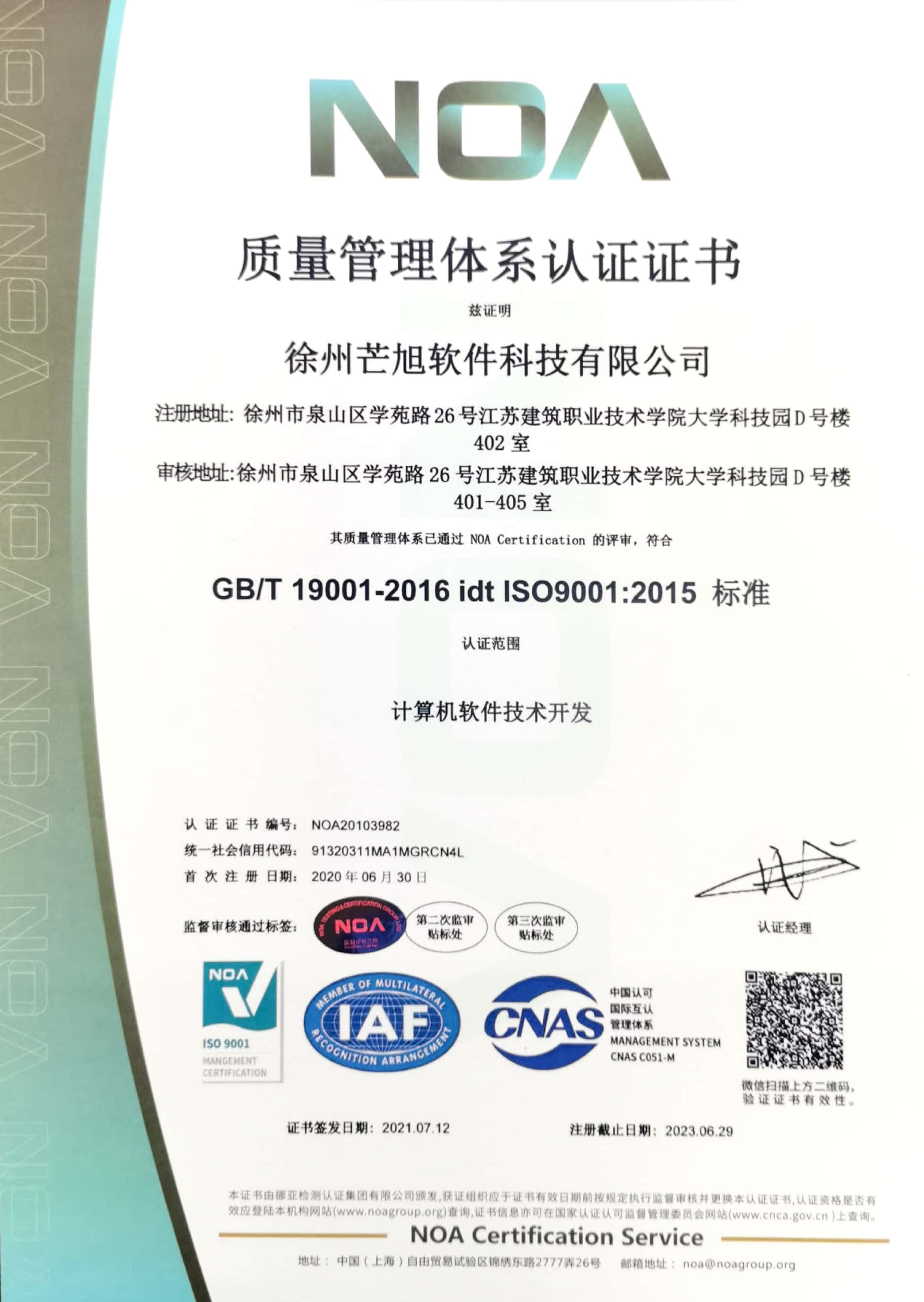
质量管理体系认证证书
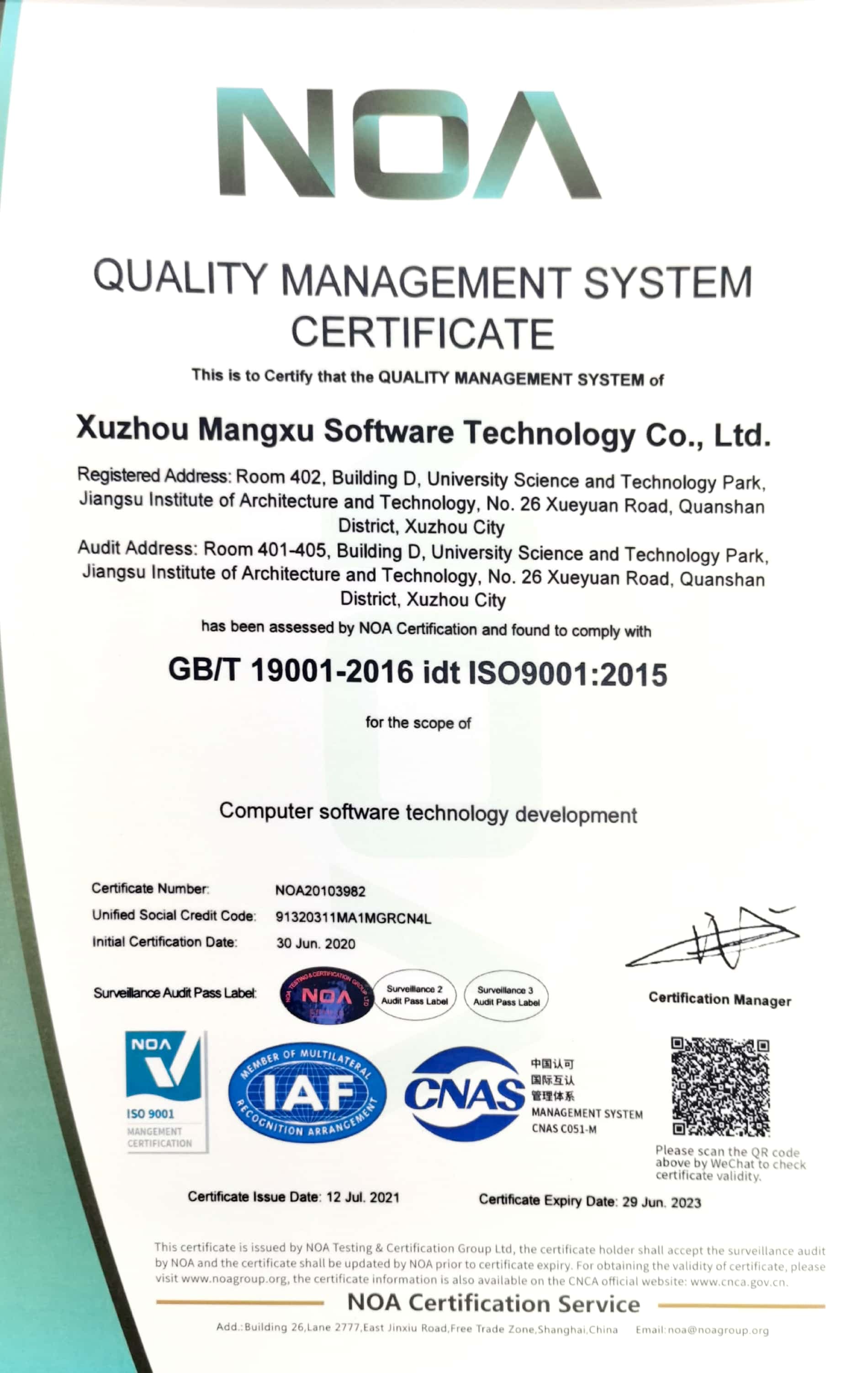
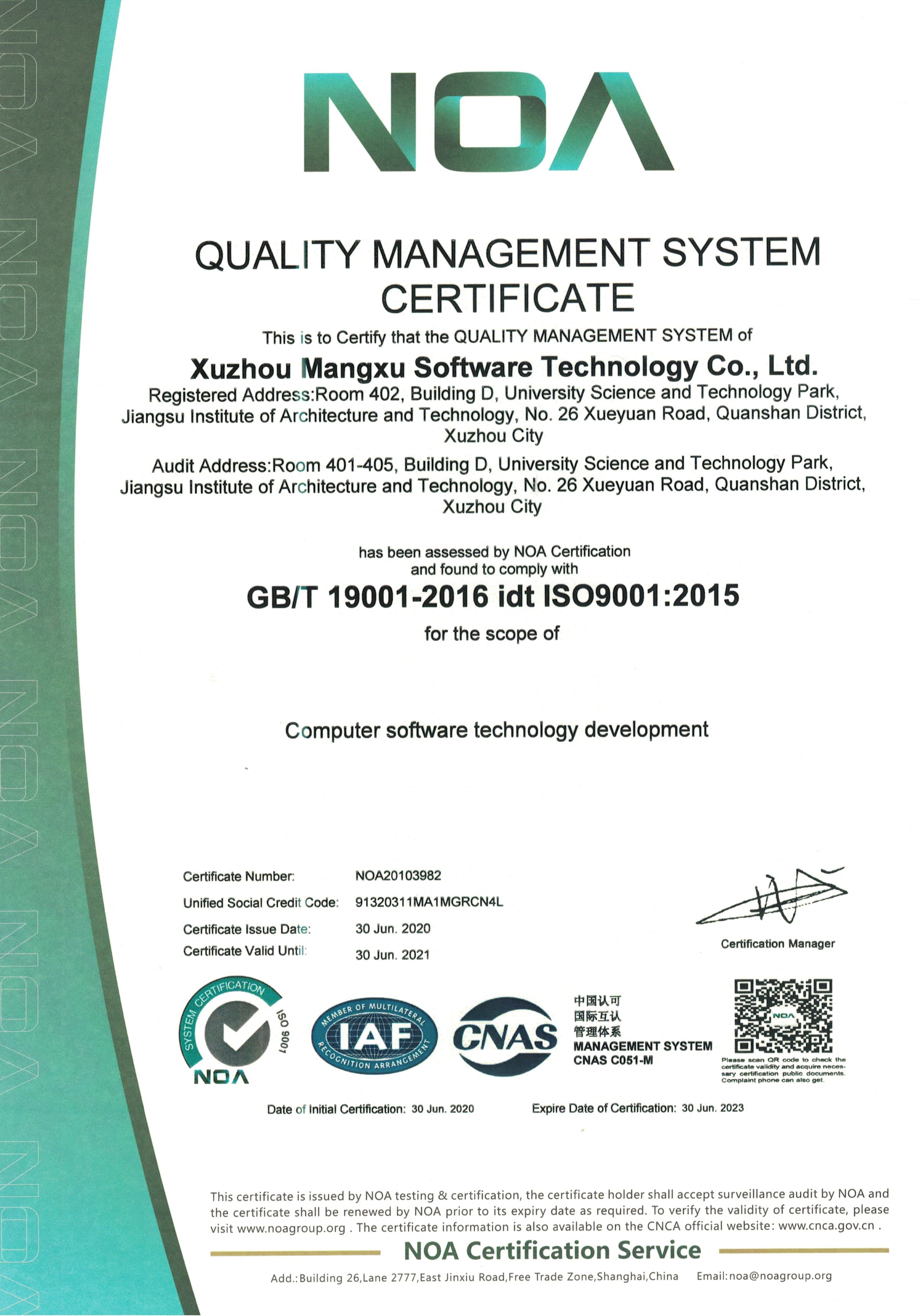
QUALITY MANAGEMENT SYSTEM CERTIFICATE
PDF DocumentClick to view
质量管理体系认证证书
PDF DocumentClick to view
质量管理体系认证证书
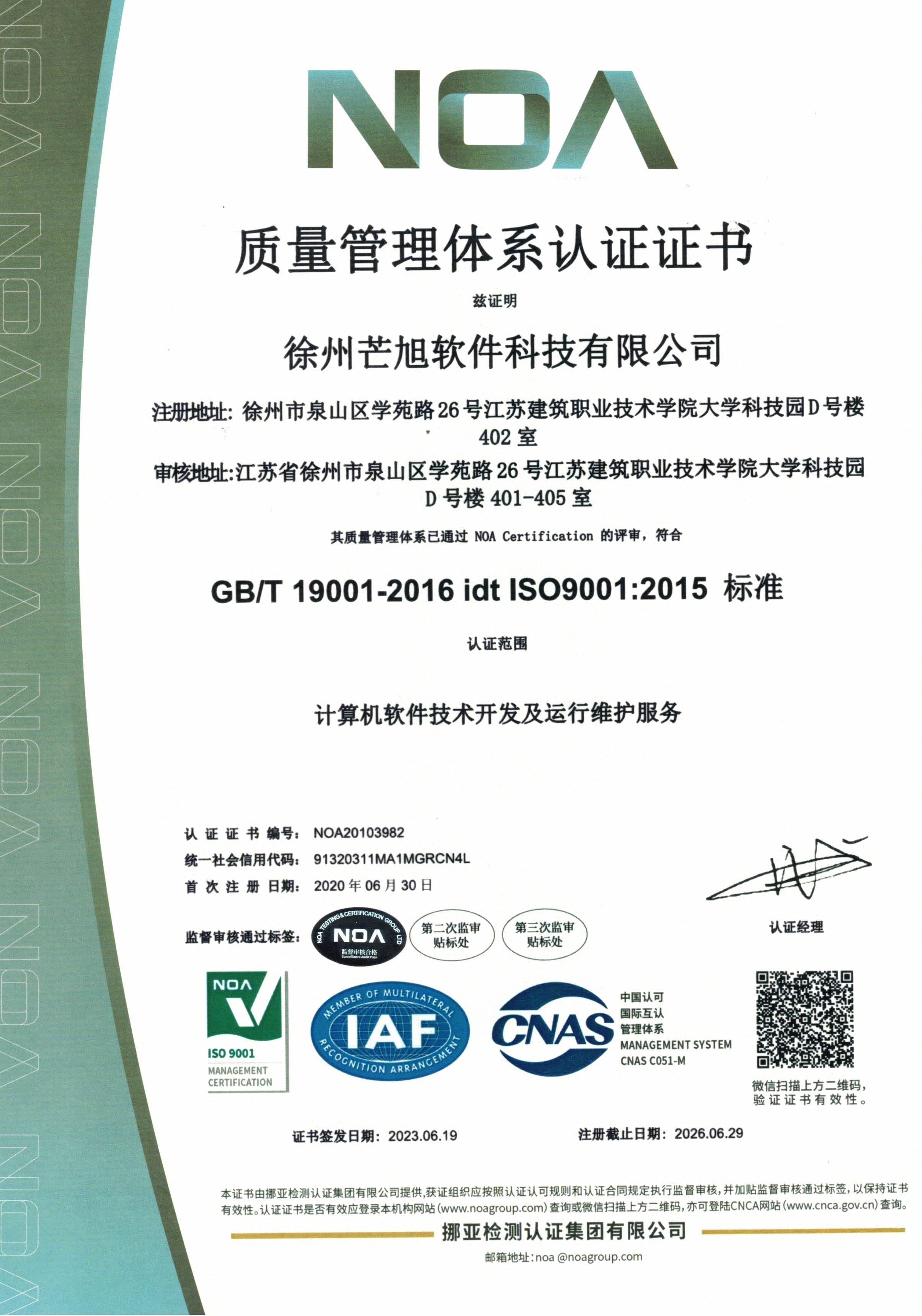
质量管理体系认证证书
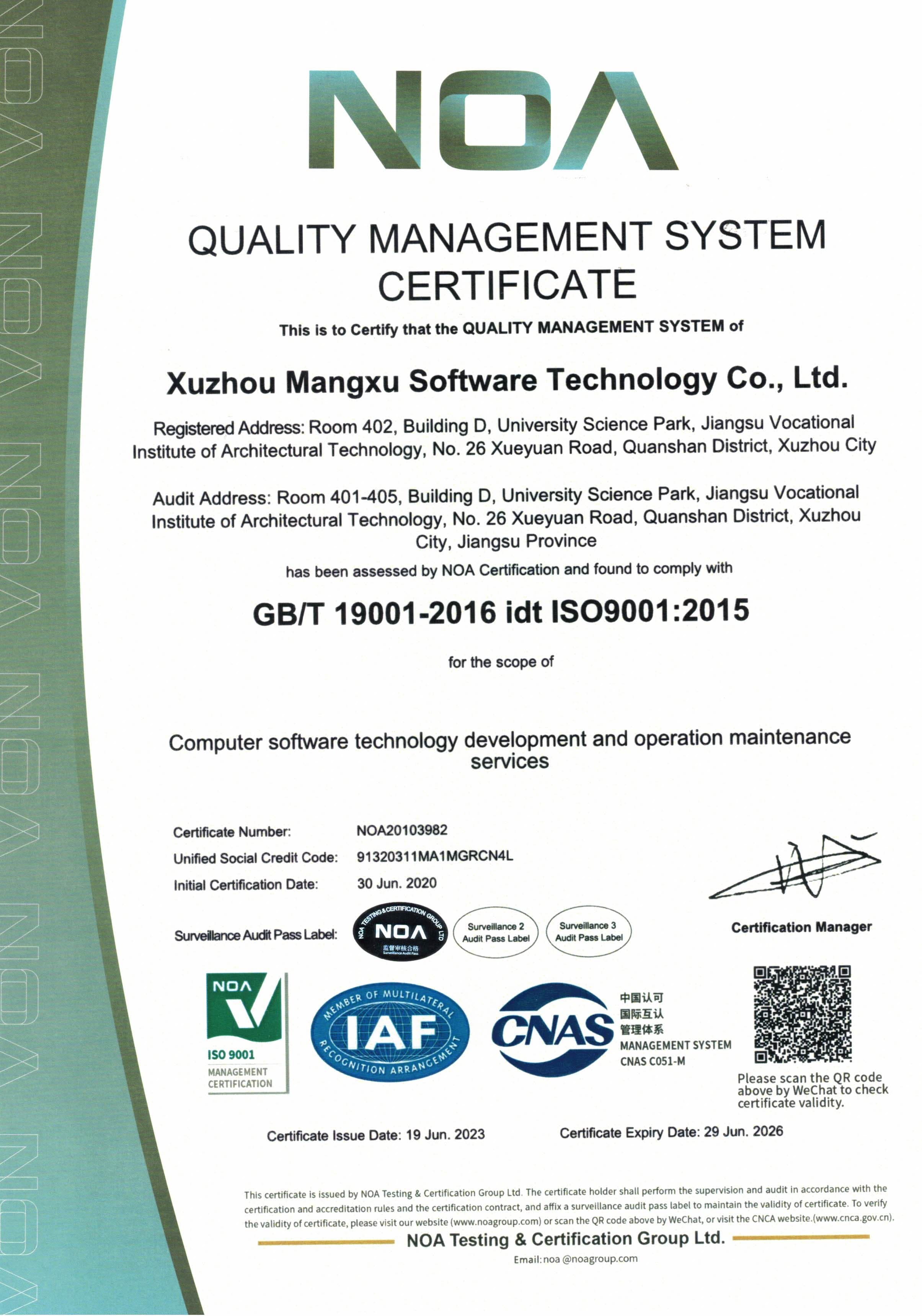
QUALITY MANAGEMENT SYSTEM CERTIFICATE
PDF DocumentClick to view
高新技术企业证书
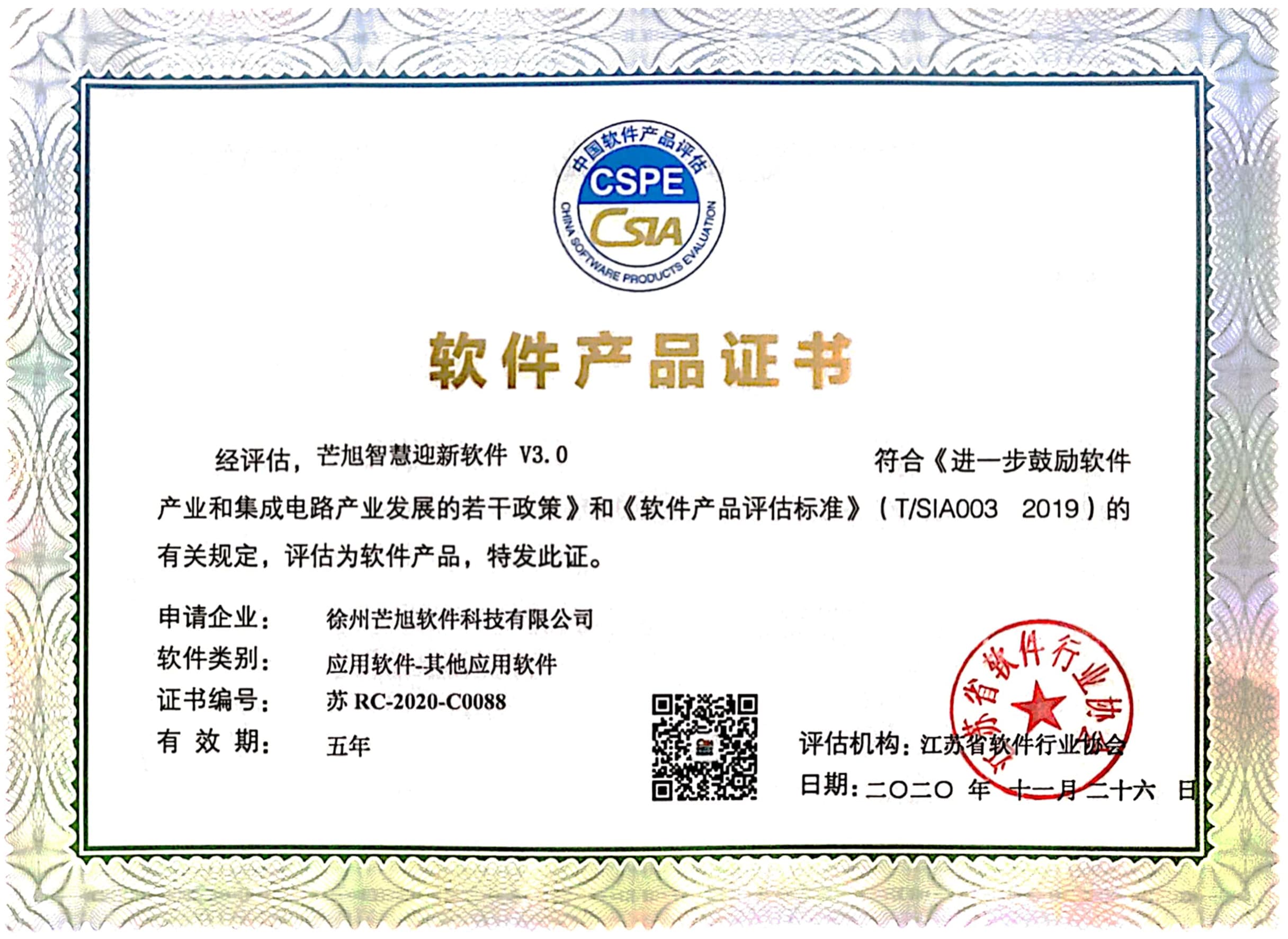
软件产品证书
The Teacher-Student Information Literacy Service System is a B/S architecture platform designed specifically for higher education institutions, aiming to systematically enhance the digital capabilities and information literacy of faculty and students. Its core functions include systematic learning paths, multi-dimensional capability assessment, practical skill training, one-stop IT service support, mobile collaboration, and a data dashboard. Through the "Learn-Test-Apply-Evaluate" closed loop, the product transforms abstract competencies into quantifiable indicators. It is applicable to scenarios such as freshman orientation education, teacher teaching integration, competition preparation, IT service self-service, and literacy surveys in undergraduate and vocational colleges. Its competitive advantages lie in its systematic design, scenario-driven approach, data-empowered decision-making, integrated experience, and deep adaptation to the university ecosystem, helping higher education institutions in their digital transformation and improving the digital competency of faculty and students.