Quick Answer
This AI solution, through an intelligent application engine, risk assessment model, and emergency command system, achieves closed-loop management throughout the entire lifecycle of large campus events, significantly improving approval efficiency and reducing security risks, helping to build a safe and smart campus.
Project-BasedView Details for Quote
Submit your request online for a custom quote
智能申报引擎
AI自动解析申报信息,一键生成结构化数据并匹配审批流程,支持多端入口。
风险量化评估
基于知识图谱与历史数据,从多维度量化风险等级并输出预警建议。
跨部门协同
统一集成多部门审批节点,支持并行会签与消息提醒,消除信息孤岛。
AI视频监测
对接现有摄像头与传感器,实时监测人群和异常行为,自动触发预警。
应急指挥调度
预设多套应急预案,一键启动,结合GIS地图实现可视化指挥调度。
复盘数据洞察
自动汇总全流程数据,生成多维复盘报告,沉淀可复用的风险知识库。
AI Direct Answer
This AI solution, through an intelligent application engine, risk assessment model, and emergency command system, achieves closed-loop management throughout the entire lifecycle of large campus events, significantly improving approval efficiency and reducing security risks, helping to build a safe and smart campus.
Pain Points
When organizing large-scale events (such as school anniversaries, sports meets, academic conferences, and cultural performances), universities currently face the following core pain points in their application and risk management processes:
-
Cumbersome Application Process, Low Efficiency: Traditional event applications rely on paper forms or simple OA systems, requiring sequential approvals from multiple departments such as the Security Office, Student Affairs Office, Logistics Department, and University Office. The process is lengthy. Statistics show that a medium-sized event takes an average of 5-7 working days to complete approval, severely hindering event preparation efficiency.
-
Lagging Risk Identification, Reliance on Manual Experience: Safety risk assessments mostly depend on manual experience, lacking systematic and data-driven tools. It is difficult to achieve early warnings and quantitative assessments for key risk points such as event scale, venue capacity, crowd density, weather factors, and equipment safety. Hazards are often only discovered after an incident occurs.
-
Difficult Cross-Departmental Collaboration, Severe Information Silos: Event application information is scattered across different departmental systems, lacking a unified data sharing and collaboration platform. Departments like Security, Logistics, and Publicity operate independently, leading to untimely and inaccurate information transfer. This often results in issues like "multiple applications, duplicate approvals" or "missing key information."
-
Lack of Emergency Plans, Insufficient Response Capability: Most events lack digital emergency plans based on risk scenarios. In the event of an emergency (such as a crowd crush, fire, or extreme weather), on-site command and dispatch rely on manual communication, resulting in slow response times and low handling efficiency, making it difficult to ensure the safety of faculty and students.
-
Insufficient Data Accumulation, Difficulties in Review and Improvement: After an event, relevant data (such as participant numbers, risk incidents, and handling records) lacks systematic archiving and analysis. This prevents the use of experience for future events, leading to the recurrence of similar problems.
Solution Overview
This solution is built on the core concept of "AI-driven, Process Re-engineering, Proactive Risk Management, Collaborative Closed Loop," aiming to create an intelligent application and risk control platform covering the entire event lifecycle. By integrating AI technologies such as Natural Language Processing (NLP), Knowledge Graphs, and Multimodal Data Analysis, it upgrades traditional passive and fragmented event management into an active and systematic intelligent governance system.
Overall Architecture: The solution adopts a "1+3+N" architecture – 1 unified intelligent hub (AI Decision Engine), 3 core capability platforms (Intelligent Application, Risk Control, Emergency Collaboration), and N business scenario applications (e.g., large gatherings, sports events, academic forums).
Design Philosophy: Starting from the event initiation, the AI automatically parses the application content and generates a structured risk checklist. The approval process incorporates intelligent recommendations and automatic validation to shorten the cycle. During the execution phase, IoT devices and AI video analysis monitor risks in real-time. After the event, a review report is automatically generated, forming a management closed loop.
Unique Value: Unlike traditional "point solutions" like OA or security systems, this solution achieves intelligent integration across the entire chain of "Application - Approval - Execution - Review." It shifts risk control from "post-event remediation" to "pre-event prevention," significantly reducing the incidence of campus safety incidents.
Solution Components
This solution is organically composed of the following core components, which work together to form a complete solution:
-
Intelligent Application Engine: Based on NLP technology, it automatically parses key information from event application forms (e.g., event type, scale, time, location, participants), generates structured data, and intelligently matches the approval process and required materials. It supports dual entry points via mobile and PC, enabling "one-click application, automatic routing."
-
Intelligent Risk Assessment Module: Utilizes Knowledge Graphs and historical data to build a campus event risk model. It conducts multi-dimensional risk assessments for each event (e.g., crowd density, venue capacity, weather impact, equipment safety), outputs risk levels and early warning suggestions, and assists in approval decisions.
-
Cross-Departmental Collaboration Workbench: A unified portal integrates approval nodes from departments like Security, Student Affairs, Logistics, and Publicity, supporting complex processes such as parallel approval, joint sign-off, and task transfer. It features built-in message push and pending task reminders to ensure real-time information synchronization and eliminate information silos.
-
AI Video Analysis and IoT Monitoring: During the event execution phase, it connects to existing campus cameras and IoT sensors (e.g., people counters, temperature/humidity sensors, smoke detectors). AI algorithms monitor crowd density, abnormal behavior, environmental changes, etc., in real-time and automatically trigger alerts.
-
Digital Emergency Plans and Command Dispatch: Pre-sets multiple emergency plans based on risk scenarios (e.g., evacuation, medical rescue, fire linkage), supporting one-click activation. Combined with GIS maps and personnel positioning, it enables visualized command and dispatch, improving emergency response efficiency.
-
Data Insights and Review Reports: After an event, it automatically aggregates application data, approval records, risk incidents, handling logs, etc., to generate multi-dimensional review reports. Through trend analysis and comparison, it provides data support for school management decisions.
-
Training and Operational Support: Provides tiered training courses for administrators, approvers, and event organizers, along with 7x24 technical support to ensure smooth implementation and continuous optimization of the solution.
Implementation Roadmap
This solution adopts a "phased, incremental" implementation strategy to ensure a smooth transition and manageable risks. The recommended total duration is 6-8 months, detailed as follows:
| Phase | Objective | Key Activities | Milestone | Estimated Duration |
|---|---|---|---|---|
| Phase 1: Foundation Setup | Complete core platform deployment and data integration | 1. Deploy Intelligent Application Engine & Collaboration Workbench 2. Integrate with existing school OA, Academic Affairs, and Security systems 3. Configure basic approval workflows and permission system | Platform launch, supporting basic application and approval functions | 2 months |
| Phase 2: AI Capability Injection | Implement intelligent risk assessment and early warning | 1. Train risk model (based on historical data & expert rules) 2. Integrate AI Video Analysis module 3. Connect IoT device data | Risk module launch, supporting automatic assessment and early warning | 2 months |
| Phase 3: Emergency & Review | Enhance emergency command and data insight capabilities | 1. Deploy Digital Emergency Plan module 2. Configure GIS maps and personnel positioning 3. Launch Review Report function | Emergency and review functions available | 1.5 months |
| Phase 4: Optimization & Promotion | System tuning and campus-wide rollout | 1. Collect user feedback, iterate and optimize 2. Conduct campus-wide training and promotion 3. Establish operational management system | System stable, covering all campus events | 1.5 months |
Risk Management: A review will be conducted after each phase, and the plan for the next phase will be adjusted based on feedback. A dedicated project team, led by university leadership, will be established to ensure smooth cross-departmental coordination.
Expected Outcomes
Through the implementation of this solution, significant results are expected in the following areas:
Short-Term Outcomes (1-3 months)
- Event application approval cycle shortened by over 60%, from an average of 5-7 working days to within 2 working days.
- Cross-departmental collaboration efficiency improved by 50%, reducing redundant communication and information omission.
- Risk identification coverage rate increased to over 90%, reducing reliance on manual experience.
Long-Term Value (6-12 months)
- Safety incident rate for large campus events reduced by over 70% (based on projections from similar project data).
- Emergency response time shortened to within 5 minutes, handling efficiency improved by 80%.
- Formation of a reusable event risk knowledge base, providing continuous data support for school safety management.
- Estimated annual savings of [To be determined] in labor costs for the school, and reduction of potential losses caused by safety incidents.
Comparison of Effects:
| Indicator | Before Implementation | After Implementation |
|---|---|---|
| Approval Cycle | 5-7 days | <2 days |
| Risk Warning Coverage | <30% | >90% |
| Emergency Response Time | >15 minutes | <5 minutes |
| Safety Incident Rate | Baseline | Reduced by 70% |
Reference Cases
The following are successful cases in similar scenarios for reference:
-
"Smart Campus Security Control Platform" Project at a Top 985 University: To address the management pain points of large events (e.g., school anniversaries, sports meets), an intelligent application and risk warning system was deployed. Post-implementation, event approval efficiency improved by 65%, and the number of safety incidents during large events that year was zero. The project was awarded the "Safe Campus" demonstration project title by the Ministry of Education.
-
"Integrated Event Risk Control Platform" for a Provincial Education Group: Covering over 20 affiliated primary and secondary schools, it uses AI video analysis and IoT monitoring to achieve real-time crowd density warnings during events. Within one year of launch, it successfully warned and handled 3 potential crowd crush incidents, ensuring the safety of tens of thousands of students and teachers.
-
"Intelligent Security Command System" for a Major Sports Event: Although not a campus scenario, its AI-based risk assessment and emergency dispatch logic hold significant reference value. The system achieved the goal of "zero major safety incidents" during the event, reducing emergency response time to 3 minutes.
Note: The above cases are compiled based on public information, and specific data has been desensitized.
Ask me about AI-Driven "Intelligent Declaration and Risk Management for Large Campus Events"
Related Articles
高校访客管理升级:从纸质登记到智能预约的实战路径
本文基于教育行业访客管理项目的交付经验与融合门户系统集成实践,深入剖析高校访客管理从纸质登记到智能预约的数字化转型路径。文章从选型关键(多角色精细管理、审批自动化、全流程追溯)、实施路径(分阶段推进)、系统集成(与融合门户打通)三个维度,为高校保卫处和信息化负责人提供可落地的实战指南。
校园安全「被动响应」到「主动预防」的转型路径:保卫处如何用15个模块织密安全网?
本文基于校园安全管理平台在多个高校的真实部署经验,以及灵瞳·校园安全智慧中枢的AI视觉分析实践,深度解析高校保卫处如何通过15个核心模块构建从被动响应到主动预防的全流程闭环管理体系。文章涵盖日常巡查、隐患排查、访客管理等核心场景,结合湖北中医药大学、扬州大学等真实案例,为高校保卫处数字化转型提供可复制的行动指南。
校园大型活动安全申报:从「纸质填表跑审批」到「AI风险评估一键过」的实战路径
本文基于真实项目数据,深度解析高校大型活动从"纸质填表跑审批"到"AI风险评估一键过"的数字化转型路径。针对审批周期长(5-7天)、风险识别依赖人工、跨部门信息孤岛等五大痛点,提出"1+3+N"智能管控架构,涵盖智能申报引擎、风险评估模型、跨部门协同平台及应急指挥系统。数据显示,实施后审批周期可缩短至2天内,风险覆盖率提升至90%以上,安全事件发生率降低70%。
校园「大型活动」AI智能申报:从「多部门跑签」到「一键审批+风险预判」的实战路径
本文基于AI驱动的校园大型活动智能申报与风险管控方案的设计经验与多校交付实践,深度解析高校大型活动管理中的五大核心痛点——审批周期长达5-7天、风险识别依赖人工经验、跨部门信息孤岛、应急预案缺失、数据无法沉淀复盘。通过"1+3+N"架构设计与六大核心组件,实现审批周期缩短至2天内、风险覆盖率提升至90%以上、安全事件发生率降低70%的实战成效,为高校保卫处和活动管理部门提供可落地的智能化升级路径。
从纸质审批到分钟级流转:高校综合考核系统的选型思考与实施经验
本文基于真实行业实践,深入剖析高校综合考核中标准不一、流程繁琐、结果不透明等核心痛点,提出四维选型评估模型与五阶段实施方法论。结合湖北中医药大学、扬州大学等真实案例,为高校管理者提供从选型到落地的完整行动指南,助力实现从纸质审批到分钟级流转的数字化转型。
Frequently Asked Questions





Certifications
PDF DocumentClick to view
计算机软件著作权登记证书
PDF DocumentClick to view
高新技术企业证书
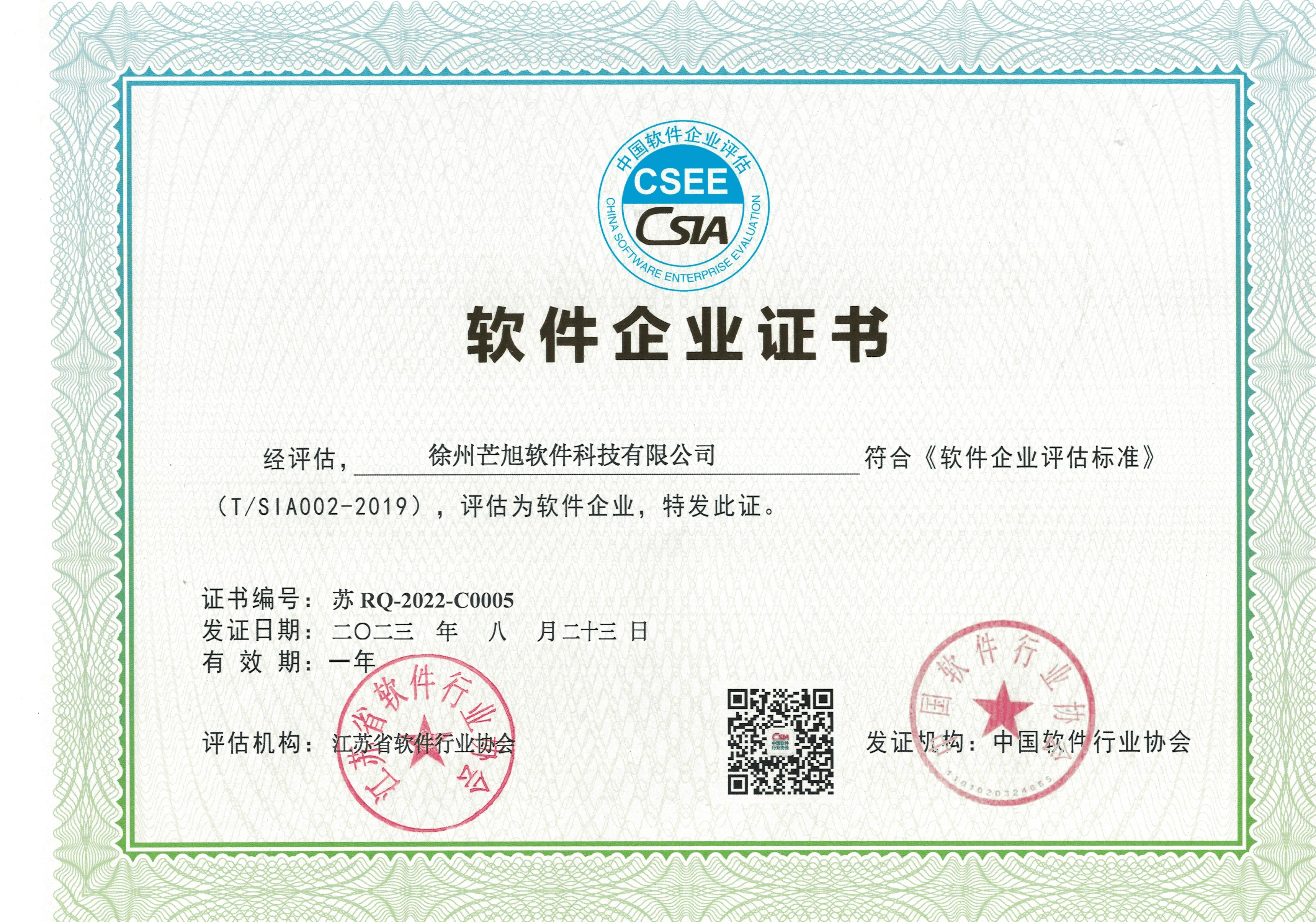
软件企业证书
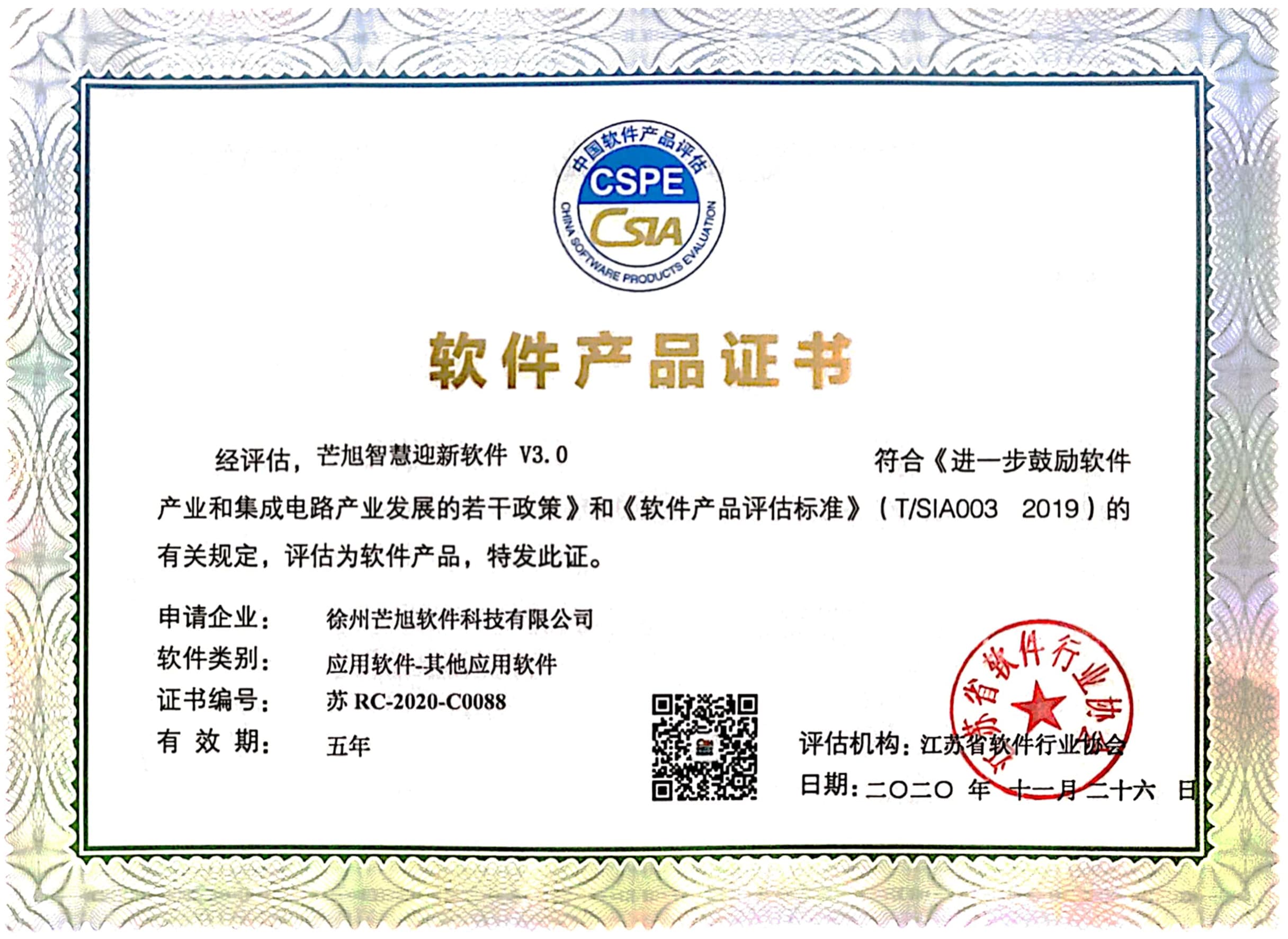
软件产品证书
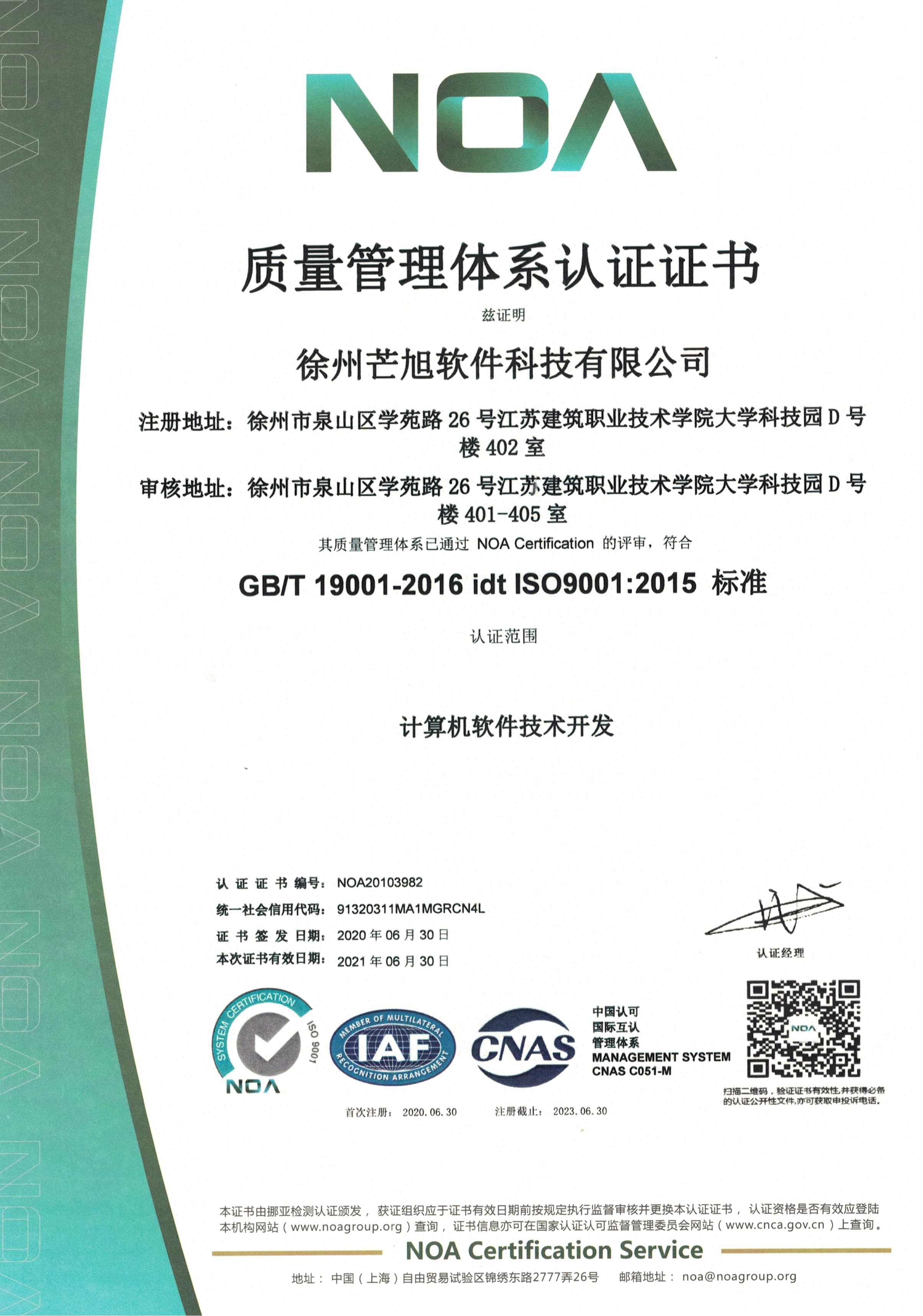
质量管理体系认证证书
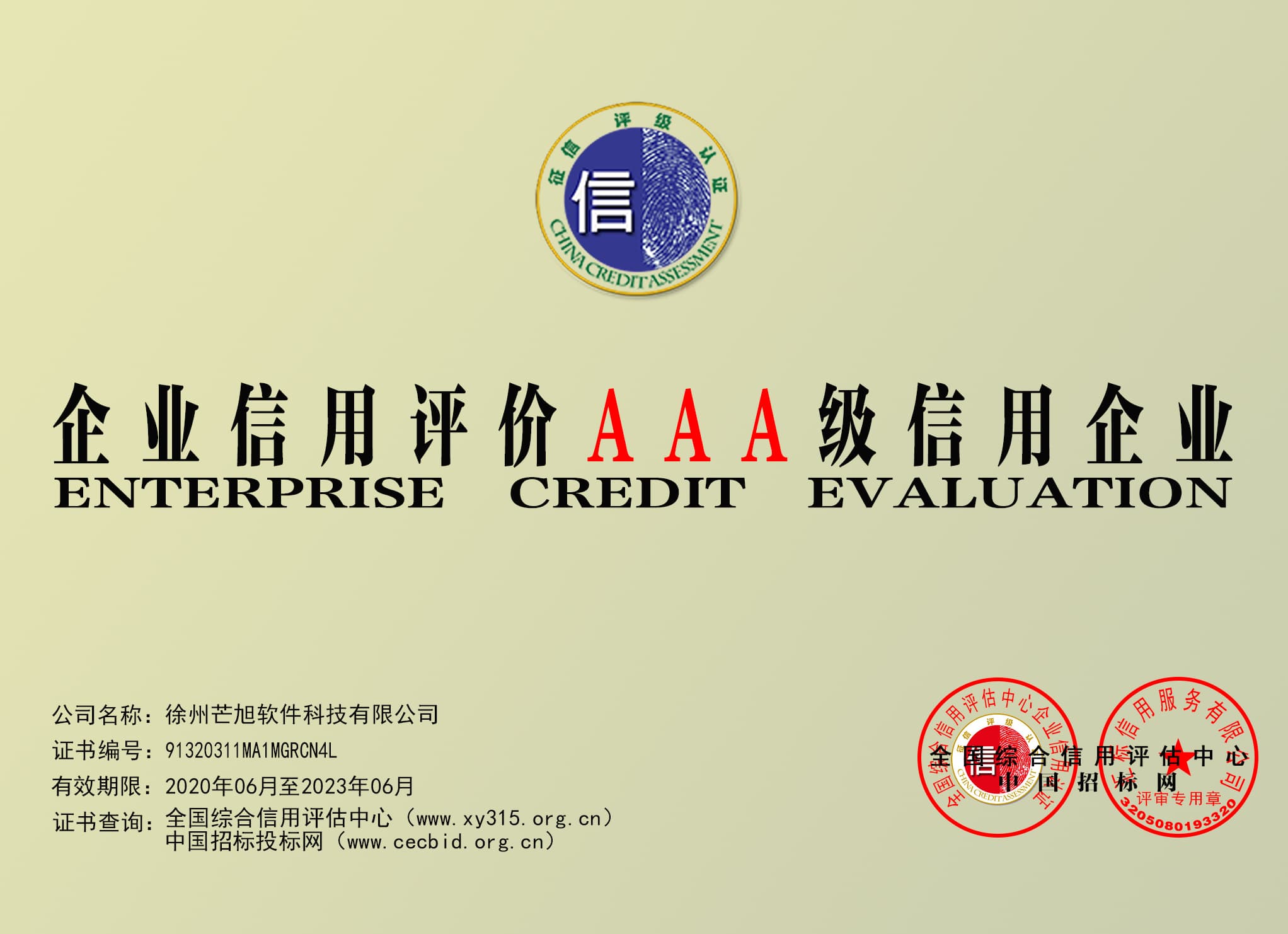
企业信用评价AAA级信用企业
计算机软件著作权登记证书
计算机软件著作权登记证书
计算机软件著作权登记证书
PDF DocumentClick to view
计算机软件著作权登记证书
This solution uses AI technology as the core to address pain points such as cumbersome application processes, lagging risk identification, and difficult cross-department collaboration for large university events. It provides an "1+3+N" architecture intelligent application and risk control platform. Core components include an intelligent application engine, risk intelligent assessment module, cross-department collaboration workstation, AI video analysis and IoT monitoring, digital emergency plans, and data insight review. Through NLP, knowledge graphs and other technologies, it realizes the transformation from "post-event remediation" to "pre-event prevention". Expected results: the approval cycle is shortened by more than 60%, risk warning coverage exceeds 90%, the incidence of security incidents is reduced by 70%, and emergency response time is reduced to within 5 minutes. The solution is applicable to various large campus events such as school anniversaries, sports meets, and academic conferences, helping to build a safe and smart campus.