Quick Answer
This solution uses an AIoT digital foundation and an AI intelligent engine to systematically integrate all-campus logistics including dining, property, energy, and security, achieving a leap from passive response to proactive alerts and intelligent decision-making, significantly improving operational efficiency, reducing energy costs, and optimizing teacher and student experience.
Project-BasedView Details for Quote
Submit your request online for a custom quote
AIoT底座
统一接入水、电、烟感等终端,打破烟囱式架构,支持开放API快速扩展
AI智能引擎
融合视觉、预测、优化三类AI模型,实现从被动响应到主动预警的跨越
智慧餐饮
AI监管明厨亮灶、精准预测客流,减少食材浪费并大幅缩短排队时间
智慧物业
一键报修与智能派单协同,将维修时长从数天缩短至小时级
智慧能源
实时监控能耗异常并自动告警,基于AI用能优化助力绿色低碳目标
智慧安防
视频AI识别异常事件与消防物联联动,安防处置从小时级提速到分钟级
数据驱动
数据闭环赋能决策,让后勤从成本中心转型为创造价值的运营中枢
AI Direct Answer
This solution uses an AIoT digital foundation and an AI intelligent engine to systematically integrate all-campus logistics including dining, property, energy, and security, achieving a leap from passive response to proactive alerts and intelligent decision-making, significantly improving operational efficiency, reducing energy costs, and optimizing teacher and student experience.
Pain Points
Current campus logistics management generally faces the following core challenges, which severely constrain operational efficiency and the experience of faculty and students:
- Information Silos, Inefficient Collaboration: Systems for various logistics business lines (e.g., catering, property, energy, security) are independent, leading to data fragmentation. A single repair work order may need to flow through multiple systems, with an average processing cycle of [to be filled] hours. Inter-departmental communication costs are high, and response times are slow.
- Resource Waste, High Costs: Lack of refined monitoring and analysis of energy consumption (water, electricity, air conditioning) results in annual waste from leaks, drips, and inefficient usage accounting for [to be filled]% of total energy consumption. Additionally, inventory management is rough, with simultaneous occurrences of overstocking and shortages of ingredients and consumables.
- Poor Service Experience, Low Satisfaction: Channels for faculty and students to submit repairs, complaints, and suggestions are scattered, and feedback processing is opaque and untimely. Issues like monotonous cafeteria menus, long queues, and difficulty in tracing food safety directly impact the happiness and satisfaction of campus life.
- Lack of Data-Driven Decision Making: Logistics managers rely on experience and reports for decisions, lacking real-time insights into the overall operational landscape. For example, they cannot accurately predict cafeteria foot traffic during different periods to optimize scheduling, nor can they scientifically formulate equipment maintenance plans based on historical data, leading to frequent unexpected breakdowns.
- Difficulty in Safety Risk Prevention and Control: Campus security, fire safety, and food safety rely on manual inspections, which have blind spots and are lagging. Abnormal events (e.g., equipment overheating, stranger intrusion, expired ingredients) cannot be alerted in real-time, making post-event tracing difficult and posing significant safety hazards.
Solution Overview
This solution is centered on the core concept of "AI Empowerment, Data-Driven Intelligence, Building a Human-Centric New Smart Campus Ecosystem". It aims to break down the traditional "siloed" architecture of logistics management by using a unified digital foundation to fully connect, sense, and intelligently manage all campus logistics scenarios (people, tasks, objects, places).
The solution is not a simple stack of multiple independent systems but constructs a systematic architecture of "One Platform, Multiple Scenarios, Full Intelligence". The core is deploying an AIoT Middle Platform, acting as the "digital brain" of campus logistics, to centrally aggregate and process sensory data from various scenarios. Building on this, through an AI Algorithm Engine, it achieves a leap from "passive response" to "proactive warning" and then to "intelligent decision-making". For example, AI can automatically optimize air conditioning operation strategies based on historical data and weather forecasts; it can automatically detect and alert on violations in the cafeteria kitchen through image recognition.
Unique Value: It doesn't just solve a single pain point but, through a data feedback loop, transforms logistics operations from a "cost center" to a "value center", significantly improving faculty and student satisfaction and providing school management with unprecedented refined operational insights and decision support capabilities.
Solution Components
This solution comprises five core components that work synergistically to form a complete solution feedback loop:
- AIoT Digital Foundation Platform: This is the "central nervous system" of the solution. It is responsible for uniformly connecting all smart terminals on campus (sensors, cameras, smart meters, access controls, etc.), enabling device management, data collection, protocol conversion, and edge computing. The platform provides open APIs, supporting the rapid integration of future new devices and ensuring the solution's scalability.
- AI Intelligent Engine: This is the "smart brain" of the solution. It incorporates multiple AI models, including:
- Visual AI: Used for identifying violations in the "bright kitchen, clean stove" initiative, detecting security anomalies (e.g., fights, area intrusion), and identifying overflowing campus trash bins.
- Predictive AI: Predicts cafeteria foot traffic, equipment failure probability, and energy consumption trends based on historical data, providing a basis for resource scheduling and preventive maintenance.
- Optimization AI: Optimizes scheduling, class timetables, and energy consumption strategies through algorithms to maximize resource utilization.
- Full-Scenario Business Application Suite: Covers all core campus logistics scenarios, with each scenario being an independently deployable microservice application:
- Smart Catering: Smart ordering, nutritional analysis, AI kitchen supervision, food safety traceability, traffic prediction, and queue optimization.
- Smart Property: One-click repair requests, intelligent work order dispatch, mobile inspections, full lifecycle equipment management, space management.
- Smart Energy: Real-time monitoring of water, electricity, and heating consumption, anomaly alerts, energy analysis and optimization strategies, carbon emission management.
- Smart Security: Video AI analysis, fire IoT, visitor management, vehicle management, emergency command and dispatch.
- One-Stop Service Portal: Provides a unified interaction entry point for faculty, students, logistics staff, and managers. This includes a mobile app/mini-program (for student repairs, ordering, inquiries), a PC-based management backend (data dashboards, work order management, report analysis), and a large-screen visualization command center.
- Implementation and Operation Services: Includes on-site surveys and solution design, equipment installation and commissioning, system integration and data migration, user training, and ongoing 7x24 operation and maintenance support and AI model iterative optimization services to ensure the effectiveness of the solution implementation.
Implementation Roadmap
Adopting a strategy of "Overall Planning, Phased Implementation, Key Breakthroughs, Continuous Optimization", the project is rolled out in three phases:
| Phase | Objective | Key Activities | Milestone | Estimated Time |
|---|---|---|---|---|
| Phase 1: Foundation Building | Build the digital foundation, digitize core scenarios | 1. Deploy AIoT platform, complete campus network and sensor device (smart water/electricity meters, smoke detectors, cameras, etc.) retrofitting and integration. 2. Launch Smart Property (repair, inspection) and Smart Energy (monitoring) modules. 3. Establish a unified service portal (mobile + PC). | Complete core device networking, achieve online management of repairs and energy consumption. | 1-3 months |
| Phase 2: Intelligent Upgrade | Introduce AI capabilities, intelligentize key scenarios | 1. Deploy AI Intelligent Engine, launch Smart Catering (bright kitchen, traffic prediction) and Smart Security (AI video analysis) modules. 2. Train predictive maintenance models based on Phase 1 data. 3. Optimize service processes, enabling automatic work order dispatch and automatic energy anomaly alerts. | AI kitchen supervision goes live, security event auto-recognition rate >90%. | 4-6 months |
| Phase 3: Integration & Optimization | Achieve full-scenario data fusion, drive intelligent decisions | 1. Integrate data from various business applications, build a logistics operations data platform. 2. Launch decision support dashboards providing comprehensive indicator analysis (energy, service, safety). 3. Continuously iterate AI models to achieve advanced functions like automatic energy strategy optimization and predictive equipment maintenance. | Form a digital twin of campus logistics operations, achieving "unified view on one screen, one-click dispatch". | 7-12 months |
Risk Management: Each phase concludes with a review point. The plan for the next phase is adjusted based on actual results and feedback to maximize return on investment.
Expected Outcomes
Implementing this solution will transform campus logistics management from "experience-driven" to "data-driven", delivering quantifiable value improvements:
Short-Term Outcomes (1-3 months)
- Improved Operational Efficiency: Average repair response time reduced by [to be filled]%, work order processing efficiency increased by [to be filled]%.
- Reduced Energy Costs: Real-time monitoring and alerts are expected to reduce energy waste from leaks and drips by [to be filled]%.
- Increased Service Satisfaction: Unified service portal launched, providing smooth channels for student repairs and feedback, satisfaction score increased by [to be filled]%.
Long-Term Value (6-12 months)
- Optimized Resource Allocation: Based on AI predictions, cafeteria meal preparation is more accurate, reducing food waste by [to be filled]%; equipment failure rate reduced by [to be filled]%, maintenance costs decreased by [to be filled]%.
- Controllable Safety Risks: AI video analysis enables 7x24 security and food safety monitoring, reducing the time to detect and handle abnormal events from hours to minutes.
- Scientific Decision Making: Management can grasp the full picture of logistics operations in real-time via data dashboards, making decisions based on evidence, improving logistics budget utilization efficiency by [to be filled]%.
| Metric | Before Implementation | After Implementation (Expected) |
|---|---|---|
| Average Repair Response Time | [to be filled] hours | [to be filled] minutes |
| Energy Waste Rate | [to be filled]% | [to be filled]% |
| Faculty/Student Logistics Satisfaction | [to be filled] points | [to be filled] points |
Reference Cases
- Smart Campus Project at a Top 985 University: This university, with over 50,000 faculty and students, faced immense logistical pressure. By deploying this solution, it achieved remote centralized meter reading and intelligent analysis for water, electricity, and heating across the campus, saving over [to be filled] million yuan in annual energy costs. Furthermore, after the AI "bright kitchen" system went live, violations in the cafeteria kitchen decreased by [to be filled]%, significantly boosting faculty and student confidence in food safety.
- Smart Logistics Transformation at a K12 International School: This school faced dual challenges in security and property management. After solution implementation, AI video analysis enabled automatic alerts for events like campus perimeter intrusion and loitering strangers, reducing security manpower investment by [to be filled]%. After the property repair system went live, the average repair time decreased from 48 hours to 4 hours, greatly improving satisfaction among parents and staff.
- Integrated Logistics Management Platform for a Large Vocational Education Park: This park comprises multiple institutions with dispersed logistics resources. The solution integrated logistics data from all cafeterias, dormitories, and teaching buildings within the park via a unified AIoT platform. This enabled cross-campus resource scheduling and sharing. For example, by predicting foot traffic, it dynamically adjusted cafeteria opening hours and the number of service windows, effectively alleviating queue pressure during peak dining hours.
Ask me about AI-Driven Digital Smart Logistics · Comprehensive Campus Scenario Solution
Related Articles
校园「后勤」AI智能体:从报修、宿舍到食堂,如何用统一平台终结碎片化管理?
校园后勤管理长期面临报修、宿舍、食堂等系统各自为政的碎片化困境,导致效率低下、安全风险高、管理盲区多。本文基于AI驱动的数智后勤·校园全场景智能体解决方案,结合智慧报修系统与宿舍管理系统的真实部署经验,深入剖析如何通过统一平台实现流程闭环、数据互通与智能协同,系统性终结后勤碎片化困局,为高校后勤管理者提供可落地的数字化转型路径。
高校后勤数字化:报修、访客预约与检查三大场景的闭环与数据联动
本文聚焦高校后勤管理中报修、访客预约和日常检查三个高频场景,阐述如何通过数字化手段(智慧报修、访客管理、通用检查)实现流程闭环与数据联动。文章从具体痛点出发,给出各场景的闭环路径、技术实现及跨系统集成建议,帮助后勤处、保卫处、信息中心负责人提升管理效率与安全性。
高校「智慧报修」从派单到闭环:为什么维修师傅总说系统「不好用」?——数字化报修系统落地的三个角色视角与优化路径
高校智慧报修系统上线后,维修师傅、报修人、管理员三方体验不佳的深层原因是什么?本文从三个角色视角出发,剖析传统报修流程的「三输困局」,并结合智慧报修系统的产品设计经验与扬州大学等高校的实践反馈,提出角色化设计、智能派单和评价闭环三大优化路径,帮助高校后勤管理者实现从「系统能用」到「人人好用」的跨越。
从「人工派单」到「智能调度」:高校报修系统上线后,为什么80%的满意度问题出在派单逻辑?
高校报修系统上线后,师生满意度不升反降?核心问题往往出在派单逻辑。本文基于智慧报修系统在湖北中医药大学、扬州大学等高校的交付经验,系统梳理从人工派单到智能调度的「四步进阶法」,提炼高校CIO必须回答的5个关键决策问题,并提供从「能用」到「好用」的3个实践建议,为高校后勤信息化负责人提供可落地的实战参考。
高校「智慧报修」从「被动响应」到「主动运维」:后勤数字化转型中报修数据的二次价值挖掘
本文基于智慧报修系统在桂林医学院、德州职业技术学院等高校的真实部署经验,深入探讨高校报修数据的「二次价值挖掘」路径。文章从传统报修模式的痛点出发,分析了智慧报修系统如何实现从「流程数字化」到「数据资产化」的跃迁,提出了故障模式分析、维修资源调度优化、设备全生命周期管理三条主动运维实践路径,并为高校后勤管理者提供了可落地的「三步走」行动建议。
Frequently Asked Questions





Certifications
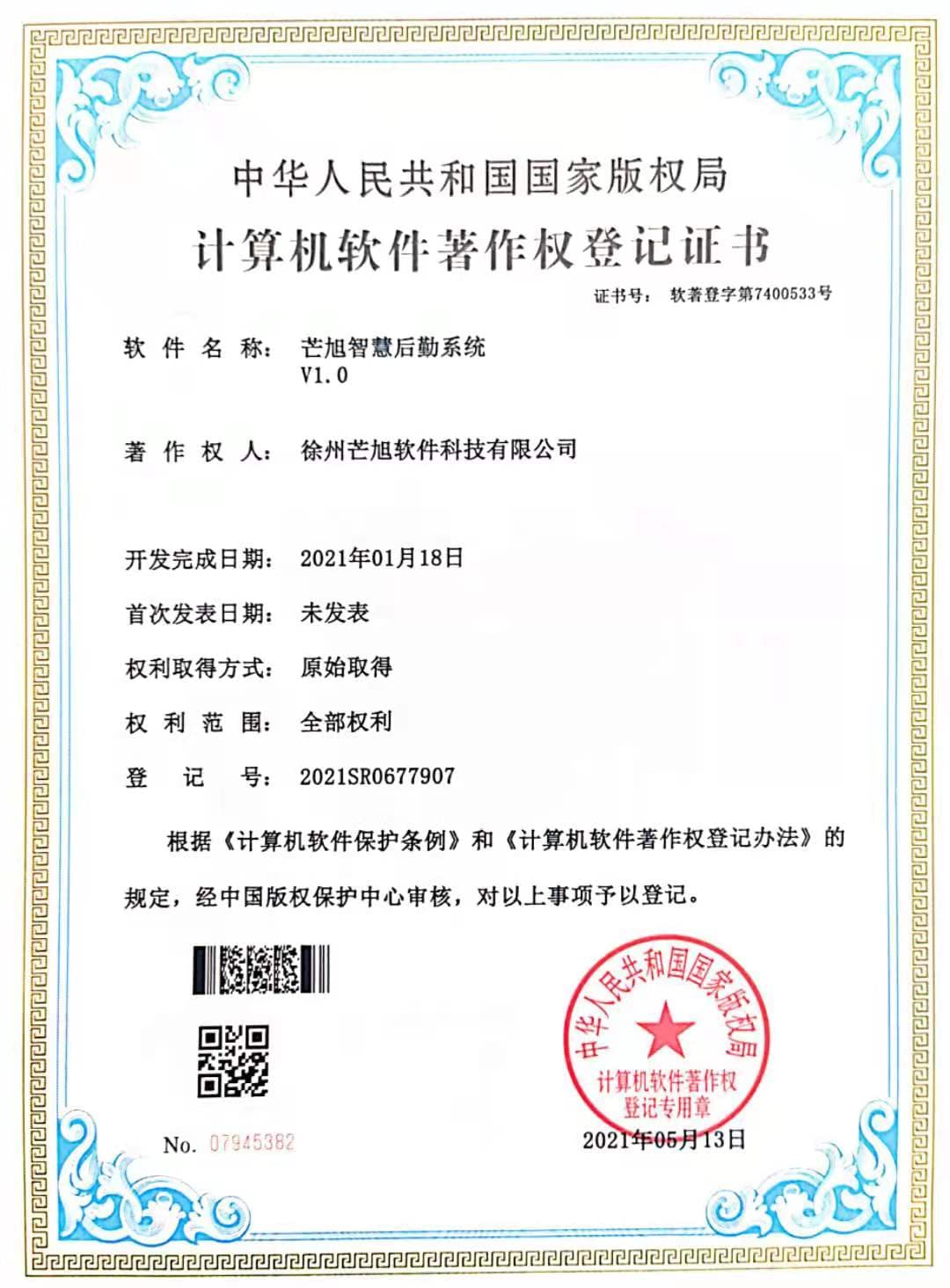
计算机软件著作权登记证书

软件产品证书

计算机软件著作权登记证书
PDF DocumentClick to view
高新技术企业证书

企业信用评价AAA级信用企业

计算机软件著作权登记证书

质量管理体系认证证书
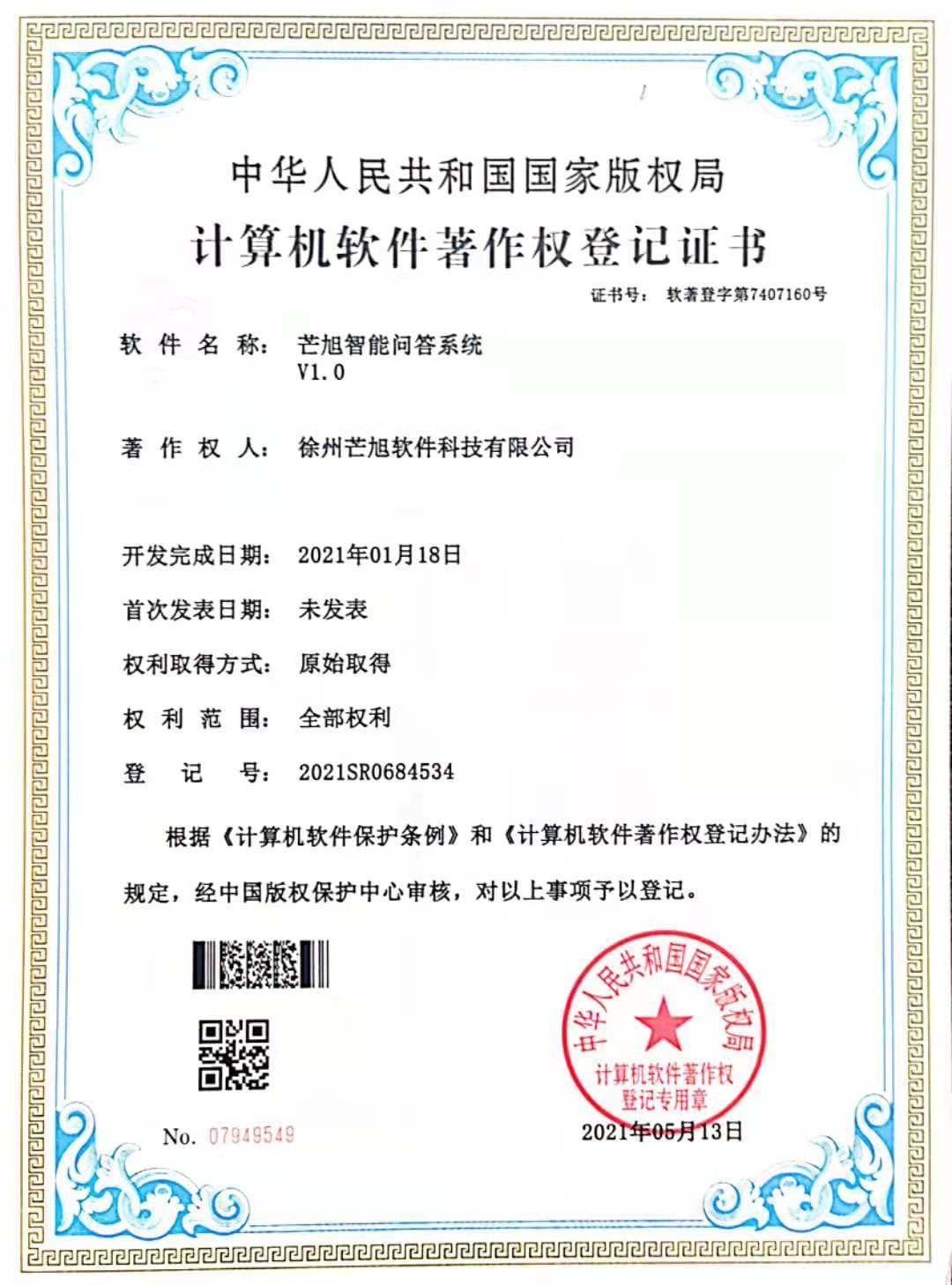
计算机软件著作权登记证书

软件企业证书

计算机软件著作权登记证书
This solution is an AI-driven smart logistics campus all-scenario comprehensive solution, centered on an AIoT digital foundation and an AI intelligent engine, building a "one platform, multiple scenarios, full intelligence" architecture. It systematically integrates all-campus logistics including dining, property, energy, and security, achieving a leap from passive response to proactive alerts and intelligent decision-making through data closed-loop. The solution consists of AIoT middle platform, AI engine (vision/prediction/optimization), all-scenario application suite, unified service portal, and implementation & operation services, adopting a three-phase rollout strategy. The core value lies in breaking information silos, significantly improving operational efficiency, reducing energy costs, optimizing teacher and student experience, and helping transform logistics from a cost center to a value center, providing management with refined operational insights and scientific decision support.