Negotiable
Contact for pricing
智能问答
7×24小时全天候智能应答,高准确率解决新生常见问题。
知识管理
构建统一知识库,将碎片化信息整合为结构化知识图谱。
人机协同
复杂问题无缝转接人工坐席,自动携带上下文,高效闭环。
数据驱动
每次交互沉淀数据,实时洞察热点与趋势,优化服务决策。
AI Direct Answer
Qiming·AI New Student Smart Service is an AI solution designed for university orientation. Through intelligent Q&A, knowledge management, human-machine collaboration, and data analysis, it solves pain points such as high consultation volume and fragmented information, achieving second-level responses for 80% of questions, reducing labor costs by over 50%, and increasing satisfaction to over 90%.
Pain Points
During the freshman enrollment season, universities currently face the following core pain points, which severely impact enrollment efficiency and the newcomer experience:
-
Surge in inquiries, severely lagging service response: Before and after freshman registration, the volume of inquiries grows exponentially, overwhelming traditional manual customer service (phone, QQ groups, WeChat groups). Statistics show that daily inquiries can reach thousands during peak periods, with an average response time exceeding 30 minutes, causing anxiety and dissatisfaction among a large number of students and parents due to waiting.
-
Fragmented information, inconsistent response standards: Freshman questions span dozens of areas, including registration procedures, dormitory assignments, fee payment, course selection, and campus life. Information is scattered across multiple departments such as the Admissions Office, Student Affairs Office, Logistics, and Finance, leading to different or even contradictory answers to the same question across different channels, severely undermining the university's credibility.
-
Repetitive questions consume significant manpower: Approximately 80% of inquiries are high-frequency repetitive questions (e.g., "What is the size of the dormitory bed?" "What documents do I need to bring for registration?"). Counselors, student volunteers, and administrative staff expend considerable effort answering basic questions, preventing them from focusing on more complex personalized services and emergency incident handling.
-
Inability to meet 24/7 service demands: The timing of inquiries from freshmen and their parents is unpredictable, with late nights, weekends, and holidays being peak periods. Traditional manual services cannot provide round-the-clock coverage, leading to a backlog of questions during non-working hours and negatively impacting the first impression of the freshman enrollment experience.
-
Insufficient data accumulation, lack of basis for management decisions: A large amount of inquiry data is scattered across different platforms, lacking systematic recording and analysis. University management cannot accurately grasp key information such as the most concerning issues for freshmen, peak inquiry periods, and service shortcomings, making it difficult to optimize service processes and allocate resources precisely.
Solution Overview
"Qiming·AI Freshman Smart Service" is an AI-driven intelligent service solution specifically designed for the freshman enrollment scenario in universities. Its core philosophy is: Use AI to free up human resources, use data to optimize services, and provide freshmen with a "anytime, anywhere, on-demand" smart enrollment experience.
This solution is not a simple intelligent Q&A bot, but a systematic service platform integrating intelligent Q&A, knowledge management, ticket routing, and data analysis. By building a unified knowledge base for freshman services, it consolidates fragmented information from various departments into a structured, standardized knowledge graph; leveraging Large Language Models (LLM) and Natural Language Processing (NLP) technology, it achieves 24/7, high-accuracy intelligent responses; for complex or personalized issues, the system can seamlessly transfer to human agents, automatically carrying context, creating an efficient human-machine collaborative service loop.
The core differentiation of the solution lies in: "Service is Data". Every interaction accumulates data. Through intelligent analysis dashboards, university administrators can gain real-time insights into freshman concerns, service bottlenecks, and satisfaction trends, driving continuous service optimization and precise decision-making. This not only addresses the urgent needs of the enrollment season but also builds a long-term smart service capability for the university.
Implementation Path
This solution adopts a progressive implementation strategy of "small steps, fast iterations, phased rollouts" to ensure rapid deployment, stable operation, and continuous optimization.
| Phase | Objective | Key Activities | Milestone | Estimated Duration |
|---|---|---|---|---|
| Phase 1: Quick Start | Build basic service capabilities, covering 80% of high-frequency questions | 1. Establish a project team, clarify department contacts 2. Collect and organize common freshman FAQ 3. Build a knowledge management platform, import initial knowledge 4. Configure the intelligent Q&A engine, integrate with the university's official WeChat account/website | Intelligent Q&A engine goes live, capable of answering basic questions | 2-3 weeks |
| Phase 2: Capability Enhancement | Achieve human-machine collaboration, improve handling of complex issues | 1. Deploy a human-machine collaborative ticket system 2. Train agents from various departments 3. Establish a knowledge base update and review process 4. Optimize the Q&A model based on post-launch data | Human-machine collaborative service loop is operational | 2-4 weeks |
| Phase 3: Data-Driven | Launch data analysis dashboard, drive service optimization | 1. Deploy a service data analysis dashboard 2. Set core service KPIs 3. Establish weekly/monthly reporting mechanisms 4. Continuously optimize the knowledge base and response logic based on data insights | Administrators can make decisions based on data | 1-2 weeks |
| Phase 4: Continuous Operation | Form a long-term service mechanism, expand service scenarios | 1. Establish a routine knowledge update mechanism 2. Conduct regular user satisfaction surveys 3. Explore extending service capabilities to daily inquiries from current students 4. Integrate data with other university systems (e.g., academic affairs, campus card) | The solution becomes a foundational smart service infrastructure for the university | Ongoing |
Risk Management: During implementation, we will establish a weekly project meeting mechanism to promptly identify and address potential risks such as knowledge quality, user acceptance, and system stability, ensuring the project progresses as planned.
Expected Outcomes
By implementing the "Qiming·AI Freshman Smart Service" solution, the university can achieve immediate results in the short term and continue to reap long-term value.
Short-Term Outcomes (1-3 months)
- Service Efficiency Improvement: The intelligent Q&A engine can automatically handle over 80% of common questions, reducing the average response time from 30 minutes to seconds.
- Labor Cost Reduction: Free up over 50% of enrollment season customer service manpower (counselors, student volunteers), allowing them to focus on more complex personalized services and emergency incidents.
- Service Satisfaction Improvement: 24/7 service effectively alleviates anxiety among freshmen and parents, with expected service satisfaction rising to over 90%.
Long-Term Value (6-12 months)
- Service Standardization: Establish a unified, dynamically updated knowledge base for freshman services across the university, ensuring accuracy and consistency of information delivery.
- Data-Driven Decision Making: Through the data analysis dashboard, administrators can precisely grasp freshman concerns and service shortcomings, providing data support for process optimization and resource allocation.
- Service Capability Accumulation: The Q&A data and knowledge base accumulated by the solution can be smoothly extended to more scenarios, such as daily inquiries from current students and alumni services, building the university's long-term smart service capability.
| Metric | Before Implementation | After Implementation (Expected) |
|---|---|---|
| Average Response Time | >30 minutes | <10 seconds |
| Manual Handling Rate | 100% | <20% |
| Service Satisfaction | [To be filled] | >90% |
| Knowledge Base Entries | 0 (scattered) | >500 (structured) |
Reference Cases
The following cases demonstrate the successful practice of "Qiming·AI Freshman Smart Service" in different types of universities, fully validating the solution's universality and effectiveness.
Case 1: Smart Service for Freshman Enrollment at a Provincial Key University
- Client Background: The university has approximately 8,000 new students each year, with a huge volume of inquiries during the enrollment season, overwhelming traditional QQ groups and phone services.
- Solution Application: Deployed the "Qiming·AI Freshman Smart Service" solution, covering core scenarios such as registration procedures, dormitories, and fee payment.
- Core Results: In the first month of launch, the intelligent Q&A handled 85% of inquiries, manual agent workload decreased by 60%, and satisfaction with inquiries on the day of freshman registration reached 95%.
Case 2: Full-Process Smart Enrollment at a Private Undergraduate College
- Client Background: The college aimed to create a benchmark for digital enrollment, enhancing the freshman experience and the university's brand image.
- Solution Application: Embedded the smart service into the college's official APP and WeChat public account, achieving full-process intelligent guidance from admission notice to registration.
- Core Results: Freshman registration rate increased by 2%, complaints due to service issues dropped by 90%, and the college was recognized as a "Demonstration Unit for Smart Campus Construction".
Case 3: Unified Service for Multi-Campus Vocational College
- Client Background: The college has three campuses with varying service standards across departments, often leading to freshmen being "passed around" for inquiries.
- Solution Application: Integrated service information from all three campuses through a unified knowledge management platform, achieving "one entry point, unified standards, precise task assignment".
- Core Results: Cross-campus issue handling efficiency improved by 70%, and the first impression score of the college's services among freshmen rose from 3.2 to 4.5 (out of 5).
Solution Architecture
How Components Work Together
AI-Driven University Orientation Service Upgrade
01
智能问答引擎02
知识管理平台03
人机协同工单04
服务数据分析05
多渠道接入网关06
安全与权限管控AI-Driven University Orientation Service Upgrade
01
智能问答引擎
基于大语言模型实现7×24小时秒级响应,自动处理80%以上高频咨询问题
02
知识管理平台
统一整合各部门碎片化信息,构建结构化、标准化的新生服务知识库
03
人机协同工单
复杂问题无缝转接人工坐席,自动携带上下文,实现高效服务闭环
04
服务数据分析
实时洞察新生关注热点、服务瓶颈和满意度趋势,驱动服务优化决策
05
多渠道接入网关
统一对接学校公众号、APP、网站等渠道,提供一致的服务入口体验
06
安全与权限管控
保障知识库和用户数据安全,支持多角色分级权限管理
Expected ROI
该方案投入产出比约1:5,3-6个月内可收回全部投资成本,同时显著提升服务效率与满意度
平均响应时间缩短
99.7%
从30分钟降至秒级,智能问答自动处理
人工客服工作量降低
50-60%
释放辅导员及志愿者人力,聚焦复杂问题
服务满意度提升
90-95%
7×24小时全天候服务,减少等待焦虑
知识库条目数增长
500-1000条
结构化整合各部门碎片化信息
新生报到率提升
1-3%
优质服务体验增强新生入学意愿
投诉量下降
80-90%
统一标准答复,减少信息矛盾
Revenue Growth
预计带动新生报到率提升1%-3%
Cost Savings
年均节省人力成本50%-70%
Payback Period
3-6个月
Customer Cases





Certifications
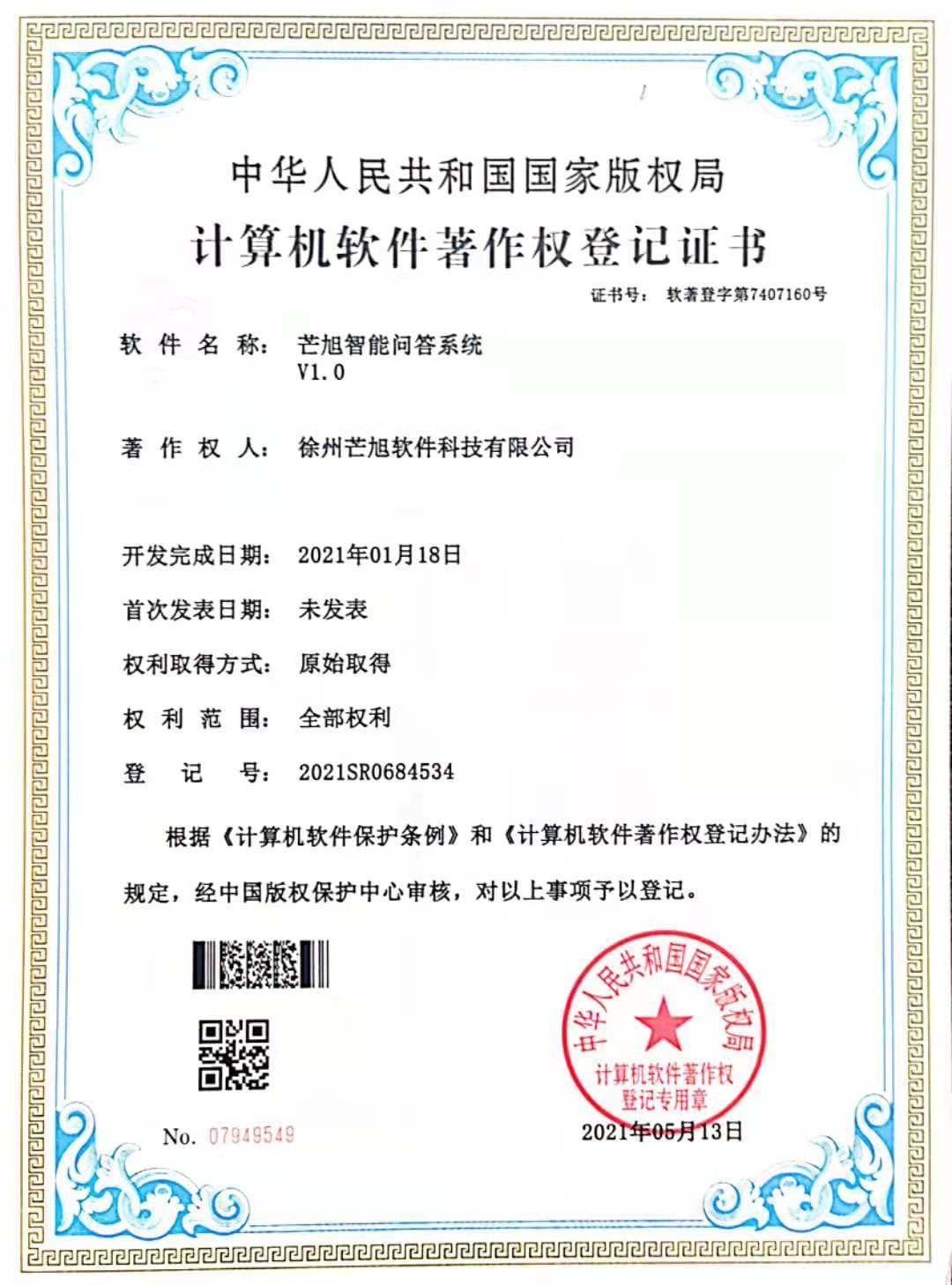
计算机软件著作权登记证书
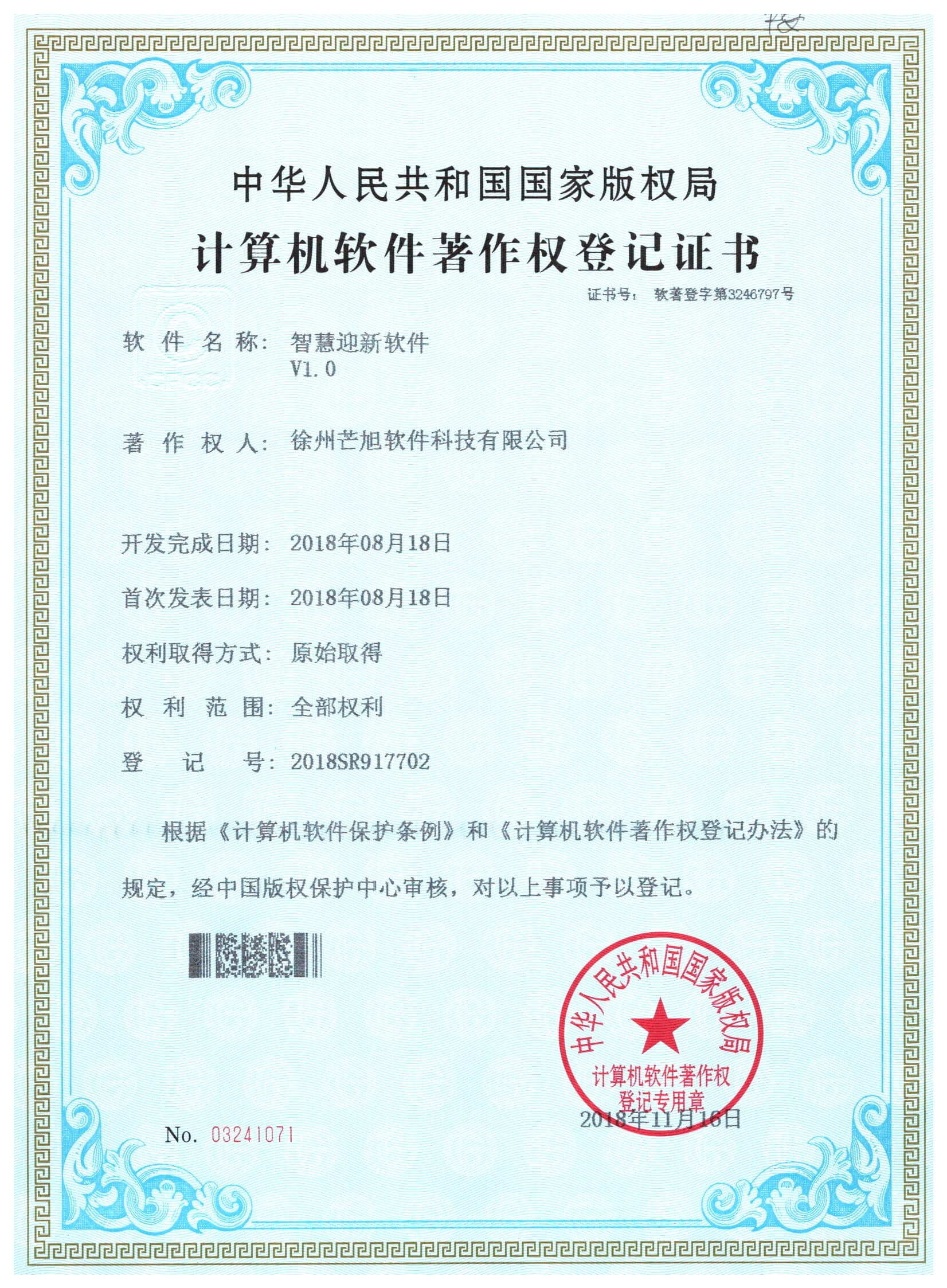
计算机软件著作权登记证书
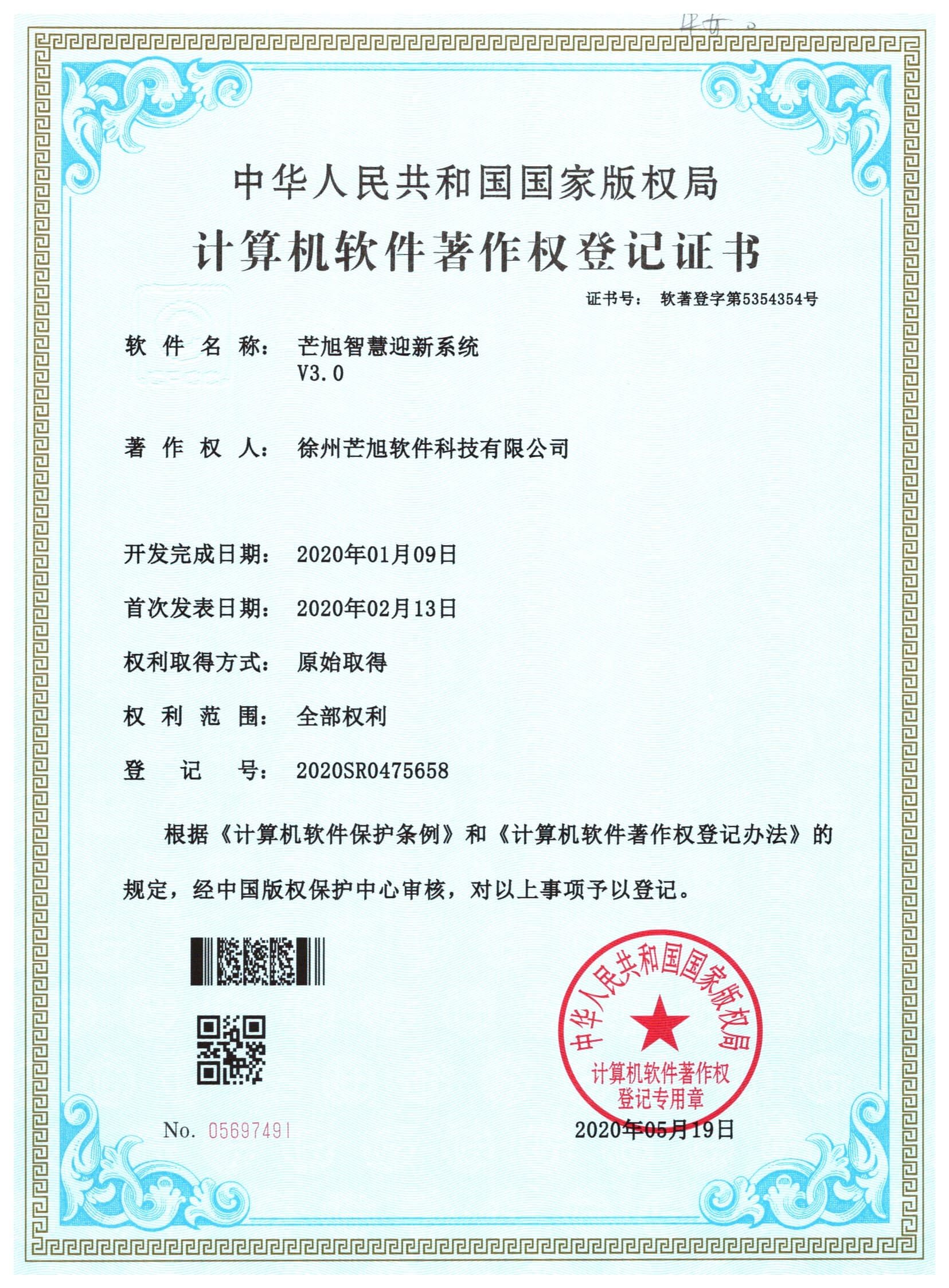
计算机软件著作权登记证书
PDF 文档点击查看
高新技术企业证书

质量管理体系认证证书
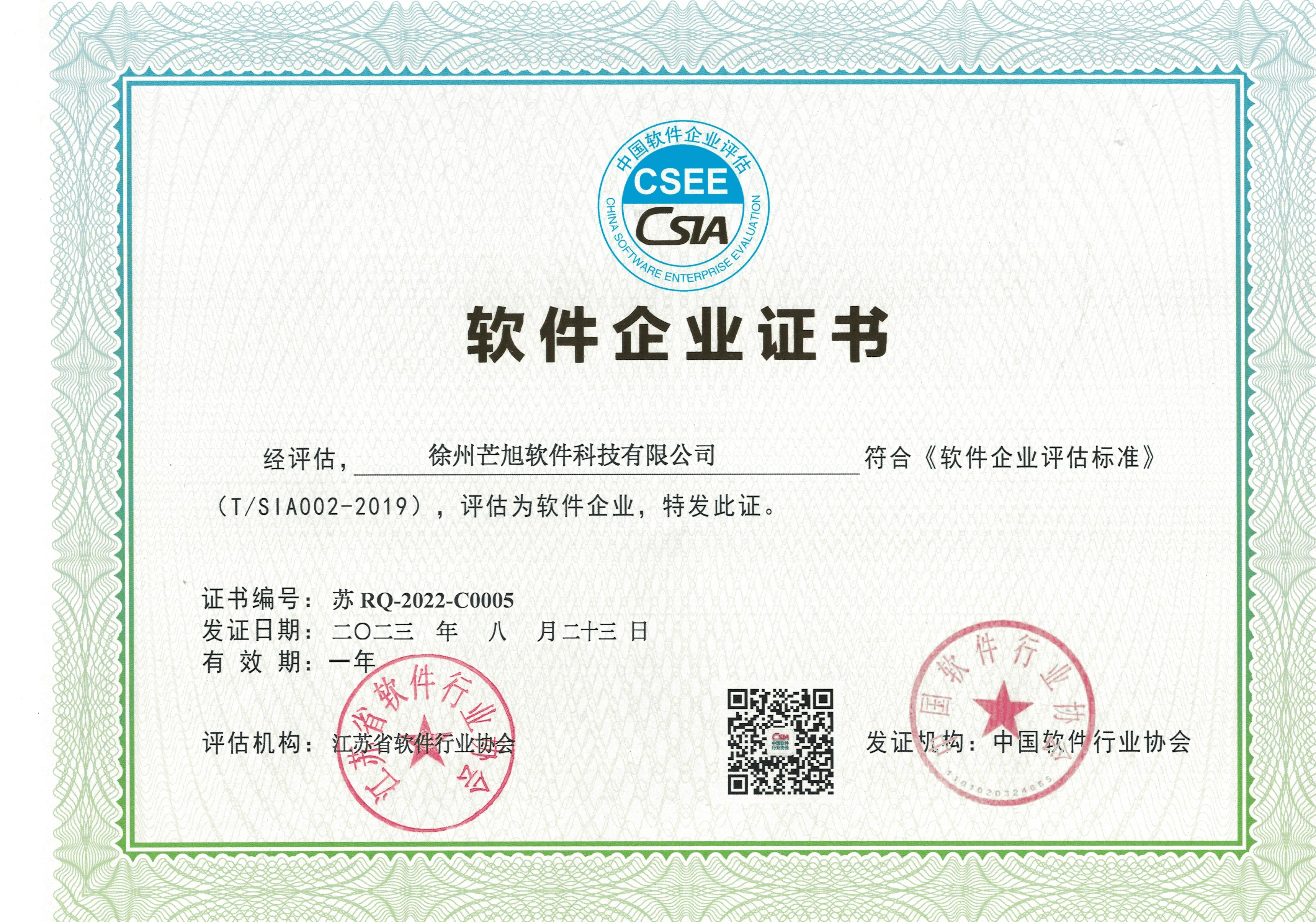
软件企业证书
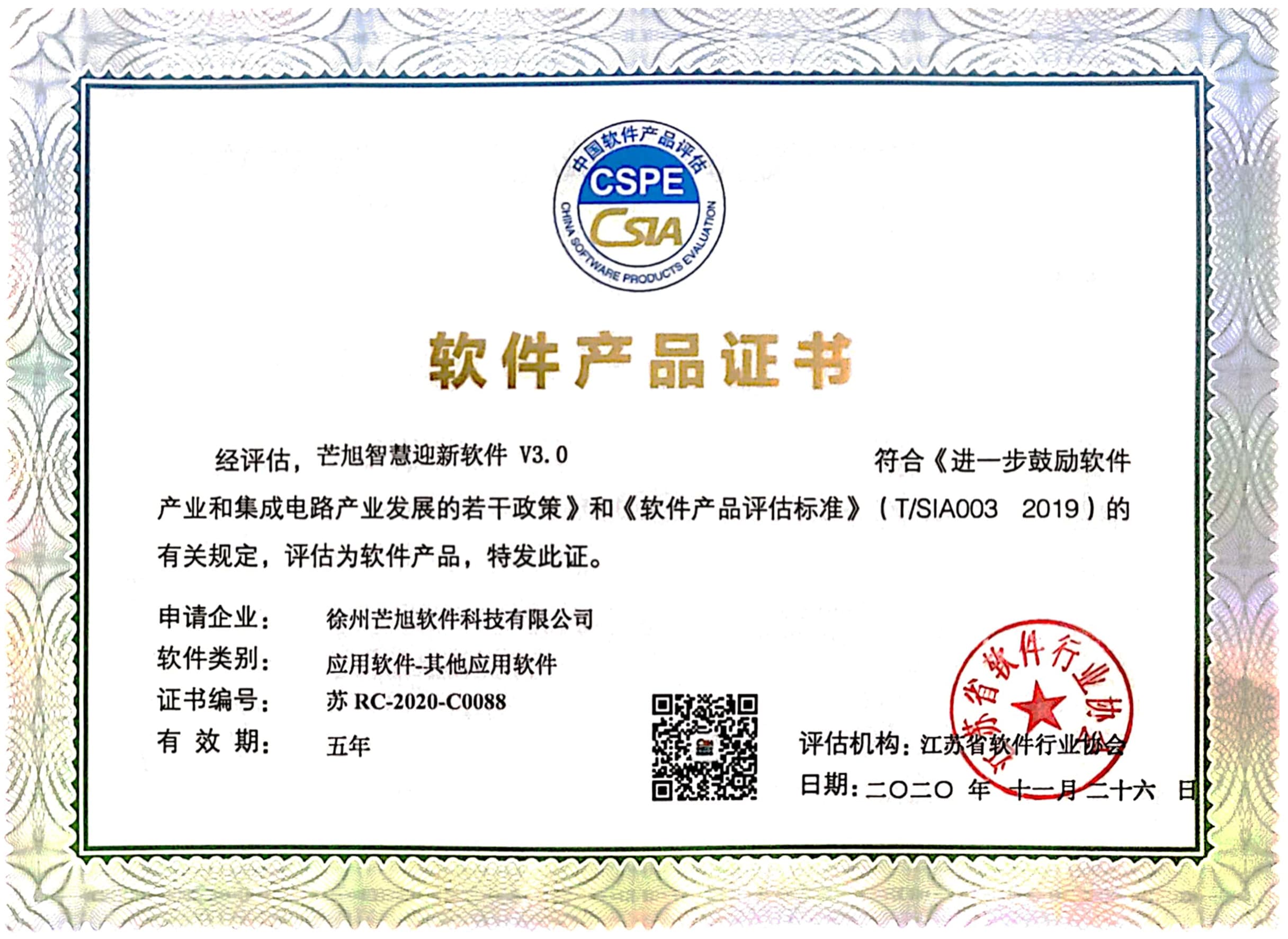
软件产品证书
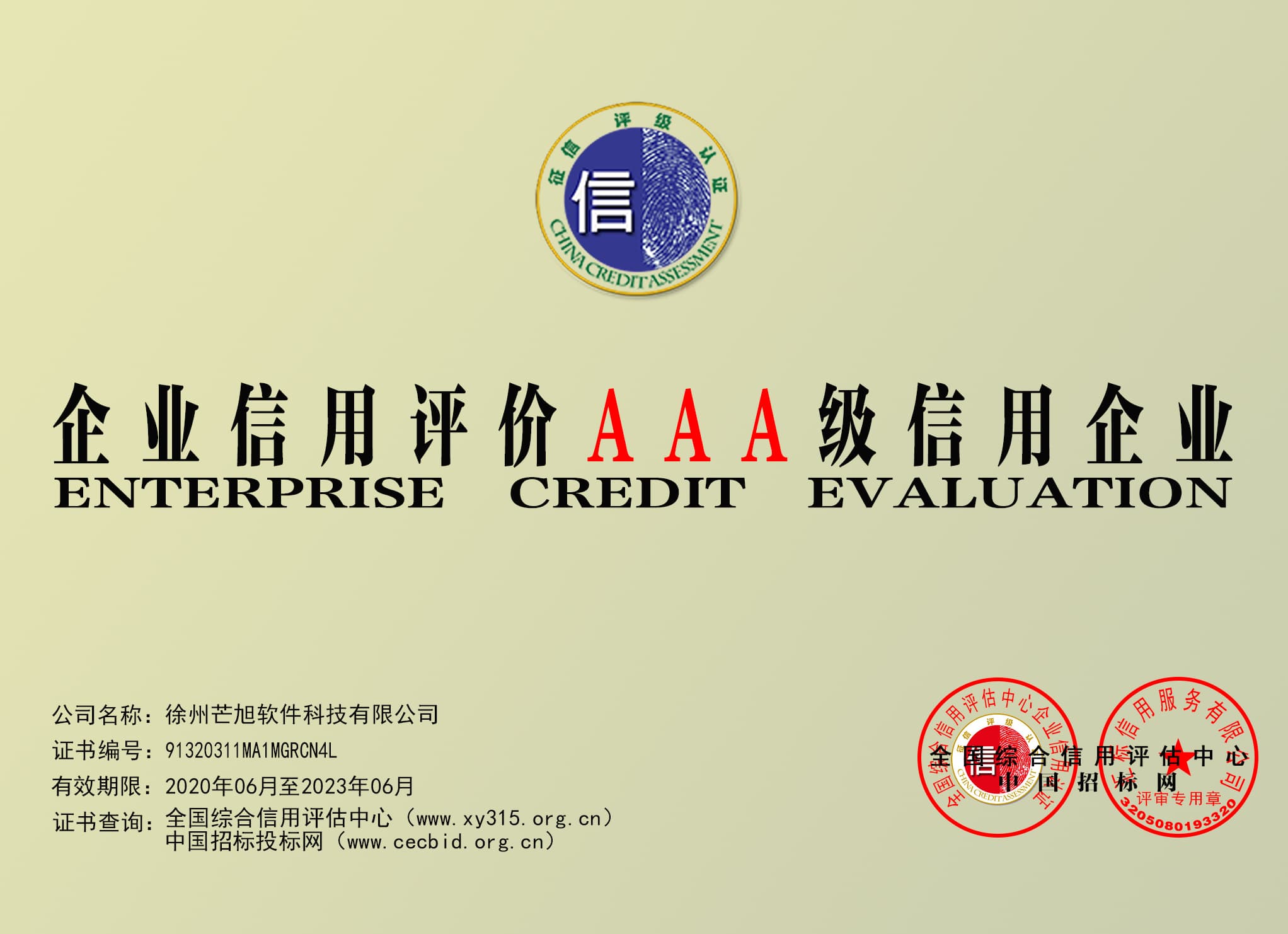
企业信用评价AAA级信用企业
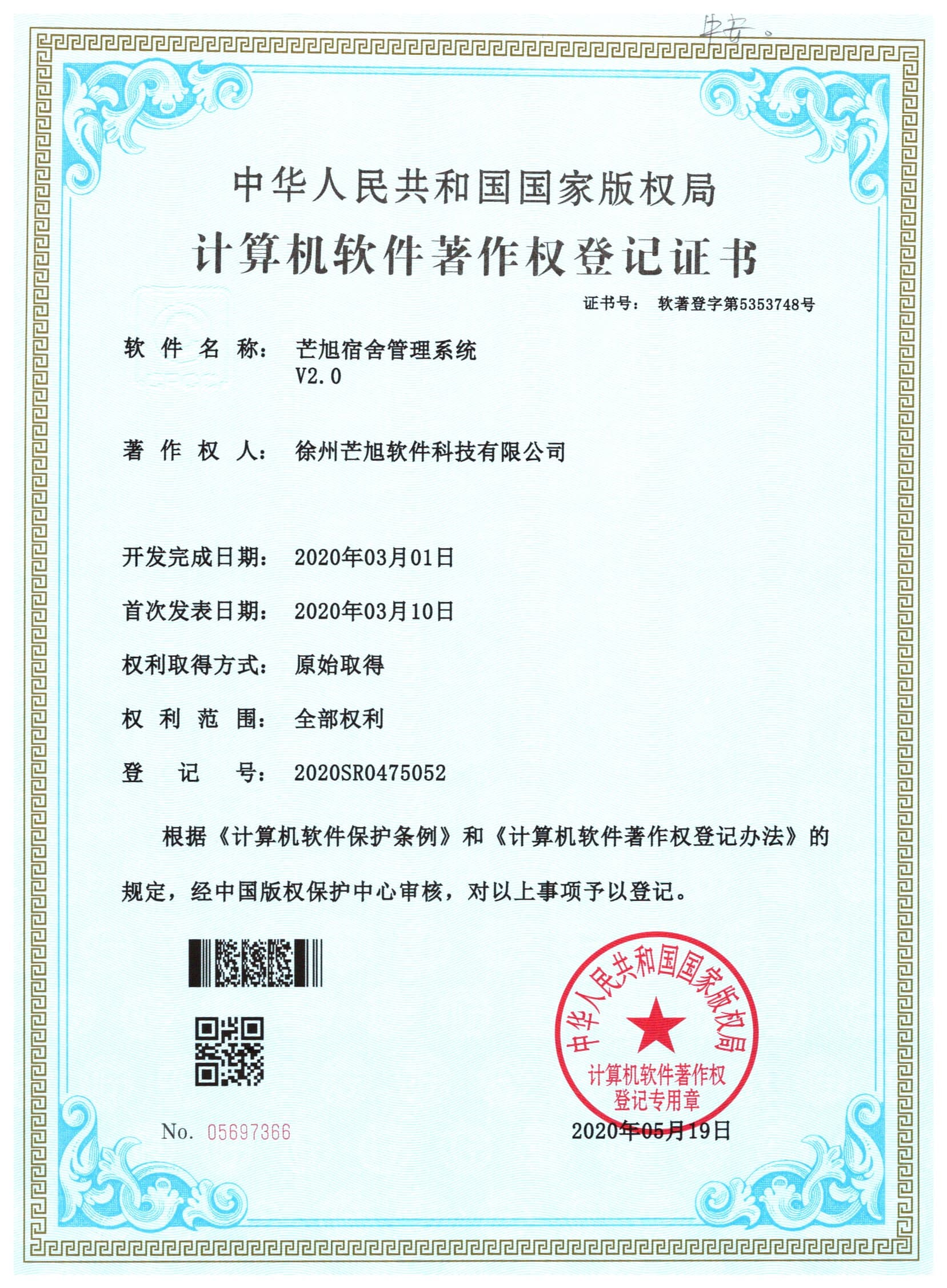
计算机软件著作权登记证书
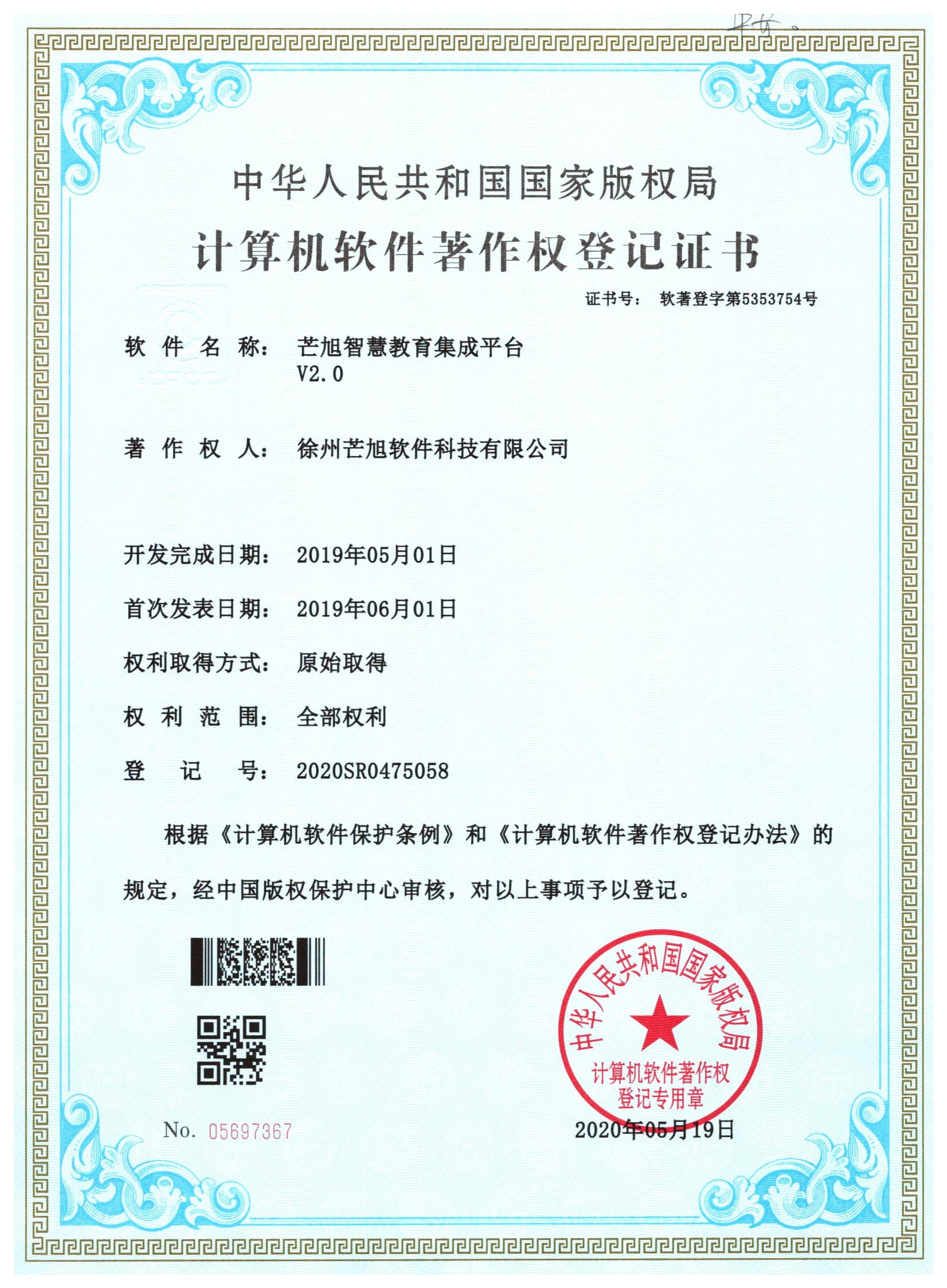
计算机软件著作权登记证书
Related Articles
高校迎新从3天到30分钟:数字化迎新系统的落地路径与避坑指南
本文基于智慧迎新系统、融合门户系统、人员管理平台等产品的真实部署经验,系统梳理了高校数字化迎新系统的选型要点、实施路径与效果验证方法。文章从传统迎新的三大痛点切入,拆解数字化迎新系统的六大核心能力,提供五个关键选型决策点和四步实施路径,并结合扬州大学数字化转型案例,帮助高校信息化负责人避开常见"深坑",实现迎新从"数天"到"分钟级"的跨越。
AI客服上线后,为什么客户还是喜欢找人工?——企业智能问答系统从「能答」到「好用」的四个关键设计
AI客服上线后客户仍偏好人工服务,根源在于系统设计停留在"能答"而非"好用"。本文基于智能问答与AI客服业务线的多行业交付经验,从意图识别、知识库管理、人机协作、全渠道一致性四个关键设计维度,拆解企业智能问答系统效果不佳的根因,并提供从诊断到迭代的落地路径。
从「AI客服」到「知识大脑」:企业智能问答系统上线后,为什么用户还是喜欢找人工?
智能问答系统上线后用户使用率低、转人工率高,核心问题不在于技术,而在于知识工程、场景设计和人机协同三个维度的落地缺失。本文基于多个行业头部客户的项目交付经验,从知识库冷启动、意图识别优化、场景边界定义、人机协同流程设计等角度,系统拆解了从「AI客服」到「知识大脑」的进化路径,为企业数字化转型负责人提供可落地的实操指南。
高校数据孤岛怎么破?从融合门户到人员管理平台的一体化实践
高校数据孤岛问题长期困扰信息化建设者。本文基于融合门户系统、人员管理平台、数据中台与数据治理服务的多项目集成经验,结合湖北中医药大学智慧迎新实战案例,系统梳理了从"入口统一"到"数据统一"再到"治理统一"的三层一体化破局路径,为高校信息中心主任和数字化建设负责人提供可落地的实践指南。
企业「知识库」从「文档堆积」到「智能问答」:知识资产化的实施路径与常见误区
企业「知识库」从「文档堆积」到「智能问答」:知识资产化的实施路径与常见误区
Frequently Asked Questions
Ask me about Qiming·AI New Student Smart Service