Quick Answer
The Personnel Management Platform is a full lifecycle, all-type personnel one-stop management system designed for higher education institutions. It addresses core pain points such as low management efficiency and information silos caused by complex personnel types and scattered data through data centralization, process automation, and mobile services, covering the entire process from recruitment, onboarding, daily management to offboarding, and supporting unified management of various identities including faculty, students, and retirees.
Key Takeaways
- Full Lifecycle Management: Covers the entire process from recruitment, onboarding, daily management to departure, ensuring data consistency and integrity.
- Unified Management of Multiple Personnel Types: Supports classified management and hierarchical authorization for various identities, including faculty, students, retirees, and external hires.
- Flexible Workflow and Permission Control: Customizable approval workflows in the backend, with fine-grained permission control based on roles and organizations.
- Mobile Office and Self-Service: Mobile support for applications, declarations, and data collection, enhancing the service experience.
- Intelligent Data Synchronization and Decision Support: Integrates with data centers to provide multi-dimensional statistical queries, aiding scientific decision-making.
One-Time PurchaseMember Price
Available for members
全生命周期管理
覆盖从招聘到离校的全流程闭环,确保数据一致性与完整性。
多类型身份分类
支持教职工、学生、离退休等多元身份分级管理,适配高校复杂结构。
灵活流程与权限
可视化配置审批流程与细粒度权限,无需二次开发,安全高效。
智能数据同步
对接多系统实现数据同步,支持移动端自主申报与批量导入。
移动化自助服务
随时随地处理人事事务,提升教职工与管理者的服务体验。
决策支持统计
快速检索、多维度统计与导出,为管理者提供实时精准数据。
AI Direct Answer
The Personnel Management Platform is a full lifecycle, all-type personnel one-stop management system designed for higher education institutions. It addresses core pain points such as low management efficiency and information silos caused by complex personnel types and scattered data through data centralization, process automation, and mobile services, covering the entire process from recruitment, onboarding, daily management to offboarding, and supporting unified management of various identities including faculty, students, and retirees.
Product Overview
Personnel Management Platform is a comprehensive personnel information management system designed specifically for higher education institutions. It aims to address core pain points such as low management efficiency, information silos, and insufficient decision support caused by the complexity of personnel types and scattered data within universities.
The platform covers the full lifecycle from pre-employment recruitment, onboarding, daily management (e.g., transfers, performance reviews, title promotions) to offboarding, and uniformly manages various identity types including faculty, students, retirees, and external staff. Through the synergy of PC and mobile terminals, the platform achieves centralized data management, automated process approval, and flexible permission control, transforming tedious HR tasks from "people finding tasks" to "tasks finding people," significantly enhancing management efficiency and data accuracy.
Its core value lies in: Driving management decisions with data, and improving service experience through process optimization, laying a solid personnel data foundation for building smart campuses in universities.
One-sentence summary: A one-stop, intelligent personnel data management and service platform for universities, covering the full lifecycle of all personnel types.
Core Features
Centered on the core needs of personnel management, the platform offers the following six functional modules to help universities achieve efficient and intelligent personnel management.
- Full Lifecycle Personnel Management: From recruitment, onboarding, daily management (transfers, performance reviews, title promotions) to offboarding, it achieves a closed-loop management of personnel information throughout the entire process, ensuring data consistency and integrity at each stage.
- Multi-type Personnel Identity Classification Management: Supports the creation and management of multiple identities such as faculty, students, retirees, family area residents, science park personnel, and long-term campus visitors through multi-level classification. It also allows for tiered authorization to meet the complex personnel structure needs of universities.
- Flexible Process and Permission Control: Supports backend customization of approval process nodes and approvers for various personnel types, enabling automated approval. Simultaneously, it allows for granular functional permission authorization based on personnel classification, organizational structure, and groups, ensuring information security.
- Intelligent Data Synchronization and Collection: Supports data integration with data centers and other business systems (e.g., academic affairs systems) for data synchronization. The mobile terminal enables user self-declaration, batch import by department administrators, and data collection and correction, ensuring data is current and accurate.
- Mobile Office and Self-Service: Provides a mobile application supporting operations such as new member join requests, departmental declarations, personal information maintenance, and data collection, allowing faculty and administrators to handle HR matters anytime, anywhere, enhancing the service experience.
- Powerful Query, Statistics, and Decision Support: Supports quick search, multi-dimensional statistical summaries, data export, and printing, providing managers with real-time, accurate data support to aid scientific decision-making.
Technical Specifications
The following table lists the key technical specifications and indicators of the platform, ensuring stable and efficient system operation.
| Functional Module | Technical Specifications and Indicators |
|---|---|
| System Architecture | Supports collaborative use of PC and mobile terminals (H5/Mini Program/APP) |
| Data Integration | Supports standard API data integration with third-party business systems such as data centers and academic affairs systems |
| Personnel Capacity | Supports managing all types of personnel across the university, including faculty, students, retirees, family area residents, science park personnel, and long-term campus visitors, with no defined upper limit |
| Identity Classification | Supports multi-level classification creation, allowing flexible definition and management of personnel types |
| Process Engine | Supports backend customization of multi-level approval process nodes, approvers, and conditional branches |
| Permission Model | Granular permission control based on roles (RBAC), groups, personnel classification, and organizational structure, supporting tiered authorization |
| Data Synchronization | Supports scheduled/real-time synchronization of data from data centers or other business systems |
| Data Import | Supports batch import (e.g., Excel) and API interface import |
| Mobile Features | Permission management, application management (join/remove), personnel information viewing, data collection, personal information maintenance |
| Security Mechanism | Supports role-based data access control to ensure information security |
| Deployment Method | [To be supplemented: Supports private cloud deployment / cloud deployment] |
Application Scenarios
The platform can be flexibly applied to various aspects of daily university management. The following four typical scenarios demonstrate its practical value.
-
Scenario 1: New Faculty Onboarding Management
- Pain Point: New faculty members need to fill out multiple paper forms, with information scattered across departments like HR and colleges, leading to cumbersome processes and long cycles.
- Solution: New faculty submit onboarding applications via mobile, fill in personal information, and select their department. The system automatically routes the application to relevant departments for approval based on preset workflows. Upon approval, the data is automatically entered into the faculty database, achieving "one-time entry, full-process sharing."
-
Scenario 2: Unified Management of Multiple Personnel Types
- Pain Point: Universities have complex personnel types (e.g., external teachers, adjunct professors, logistics staff), with data scattered across different systems or Excel files, making unified querying and statistics difficult.
- Solution: The platform supports creating custom personnel classifications like "External Teacher" or "Adjunct Professor," with independent approval processes and data permissions configured for each. Administrators can view information for all personnel types on one platform and perform categorized statistics, completely eliminating information silos.
-
Scenario 3: Departmental Personnel Transfers and Information Updates
- Pain Point: After faculty title promotions or departmental transfers, information updates are often delayed, leading to errors in payroll, performance reviews, and other operations.
- Solution: Faculty submit change requests for key information like titles or departments via mobile. After approval, the master data is automatically updated. The system synchronizes in real-time, ensuring all related business systems use the latest, most accurate personnel information.
-
Scenario 4: Campus Security and Access Control Management
- Pain Point: High personnel mobility on campus makes managing temporary visitors, such as guests and construction workers, difficult, posing security risks.
- Solution: The platform supports classification management for "Long-term Campus Visitors" and can configure access permissions for them. Visitors can apply for campus entry via mobile, and upon approval, access is automatically granted, enabling digital control of personnel entry and exit, thereby enhancing campus security.
Competitive Advantages
Compared to other personnel management systems on the market, this platform offers the following significant advantages, helping universities achieve efficient and intelligent management transformation.
- Full Lifecycle and Full-Type Coverage: Unlike systems that only manage regular faculty, this platform covers the entire process from recruitment to offboarding and uniformly manages all personnel types, including faculty, students, retirees, and external staff, truly achieving "one platform for all."
- Flexible Process and Permission Customization: Supports visual backend configuration of approval processes and granular permissions, adapting to the complex and changing organizational structures and management models of universities without the need for secondary development, significantly reducing the maintenance burden on IT departments.
- Data-Driven Decision Support: Through powerful query and statistics functions, scattered personnel data is transformed into visual management reports, providing managers with precise data support for talent acquisition, faculty development, and resource allocation.
- Mobile and Self-Service Experience: Offers comprehensive mobile features, allowing faculty and administrators to handle HR matters anytime, anywhere, shifting from "passive management" to "active service," significantly improving user satisfaction and work efficiency.
- Foundation for a Future-Ready Smart Campus: By establishing unified personnel data standards and interfaces, the platform lays the groundwork for deep integration with future systems like academic affairs, research, finance, and security, making it a key infrastructure for university digital transformation and smart campus construction.
Target Customers
- Target Customer Profile:
- Institution Type: Various higher education institutions (including undergraduate universities, vocational colleges, independent colleges, etc.).
- Key Roles:
- Decision Makers: University leaders overseeing HR and IT, focused on improving management efficiency, data security, and smart campus development.
- Technical Evaluators: Heads and technical staff of IT/Network Centers, concerned with system architecture, data integration, security, and scalability.
- Business Users: Administrative staff in HR departments, colleges, and departments, focused on ease of use, process automation, and data accuracy.
- Applicable Industries:
- Education Industry: Primarily targeting the higher education sector.
- Typical Customers:
- Universities actively advancing IT development, aiming to break down data silos and implement a "single form" project.
- Universities with complex personnel structures (e.g., those with affiliated hospitals, science parks, or multiple campuses).
- Universities with refined and personalized needs for HR management processes, seeking to improve the service experience for faculty and staff.
Ask me about Personnel Management Platform
Related Articles
高校数据孤岛怎么破?从融合门户到人员管理平台的一体化实践
高校数据孤岛问题长期困扰信息化建设者。本文基于融合门户系统、人员管理平台、数据中台与数据治理服务的多项目集成经验,结合湖北中医药大学智慧迎新实战案例,系统梳理了从"入口统一"到"数据统一"再到"治理统一"的三层一体化破局路径,为高校信息中心主任和数字化建设负责人提供可落地的实践指南。
高校迎新从3天到30分钟:数字化迎新系统的落地路径与避坑指南
本文基于智慧迎新系统、融合门户系统、人员管理平台等产品的真实部署经验,系统梳理了高校数字化迎新系统的选型要点、实施路径与效果验证方法。文章从传统迎新的三大痛点切入,拆解数字化迎新系统的六大核心能力,提供五个关键选型决策点和四步实施路径,并结合扬州大学数字化转型案例,帮助高校信息化负责人避开常见"深坑",实现迎新从"数天"到"分钟级"的跨越。
高校离校季不再手忙脚乱:智慧离校系统的数据安全与权限设计实践
本文基于智慧离校系统、人员管理平台、消息管理平台的实际部署经验,结合桂林医学院的落地实践,深度解析高校离校系统的数据安全架构、权限设计逻辑与全流程数字化实现路径。文章从最小权限原则、RBAC权限模型、高并发安全架构等维度展开,为高校信息中心、学工处管理人员和数据安全负责人提供可落地的实践建议。
从数据混乱到一屏掌控:高校学生管理综合信息系统的选型思考
本文基于"学生管理综合信息系统"与"学生教育管理服务一体化智慧平台"两款产品的交付经验,结合淮北职业技术学院、桂林医学院的真实案例,深度剖析高校学生全生命周期管理平台的建设路径与关键决策点。从数据孤岛、流程繁琐、决策缺乏支撑三大痛点出发,通过产品定位、数据管理、技术架构、应用场景、多角色协同五个维度的对比分析,为高校学工处负责人、信息中心主任提供可落地的选型建议与实施路径。
从纸质到线上:高校学生请假管理的数字化改造经验——选型与实施全攻略
本文基于请假管理系统、学生管理综合信息系统、学生教育管理服务一体化智慧平台等多款产品的实际部署经验,结合德州职业技术学院、淮北职业技术学院等院校的真实落地反馈,从功能完整性、系统集成能力、部署方式、数据安全等维度剖析高校请假管理系统的选型关键点,并提供流程再造、数据治理、分阶段推进等实施策略,为高校学工管理人员和信息化建设者提供可操作的数字化改造指南。
Frequently Asked Questions

Certifications
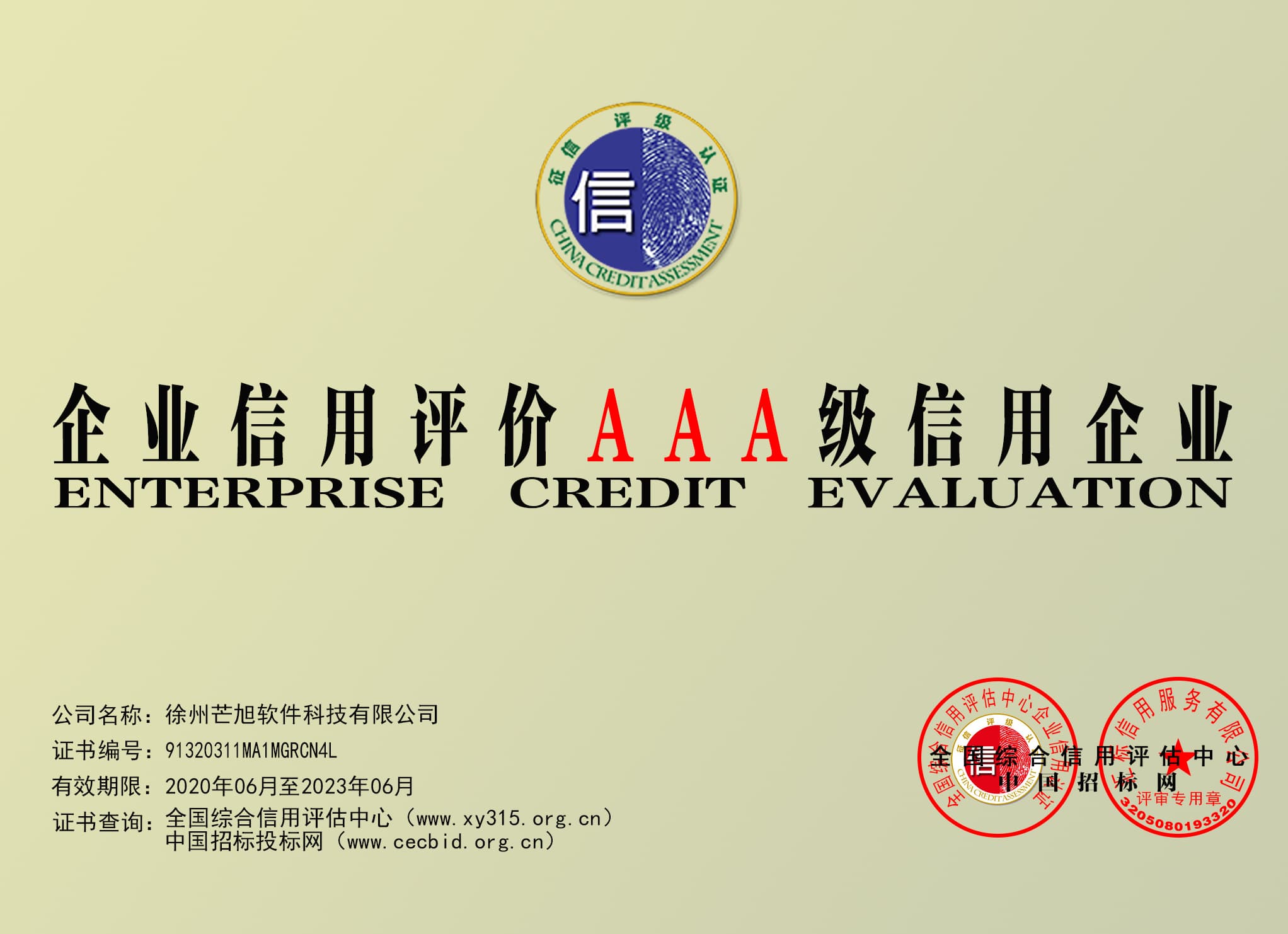
企业信用评价AAA级信用企业
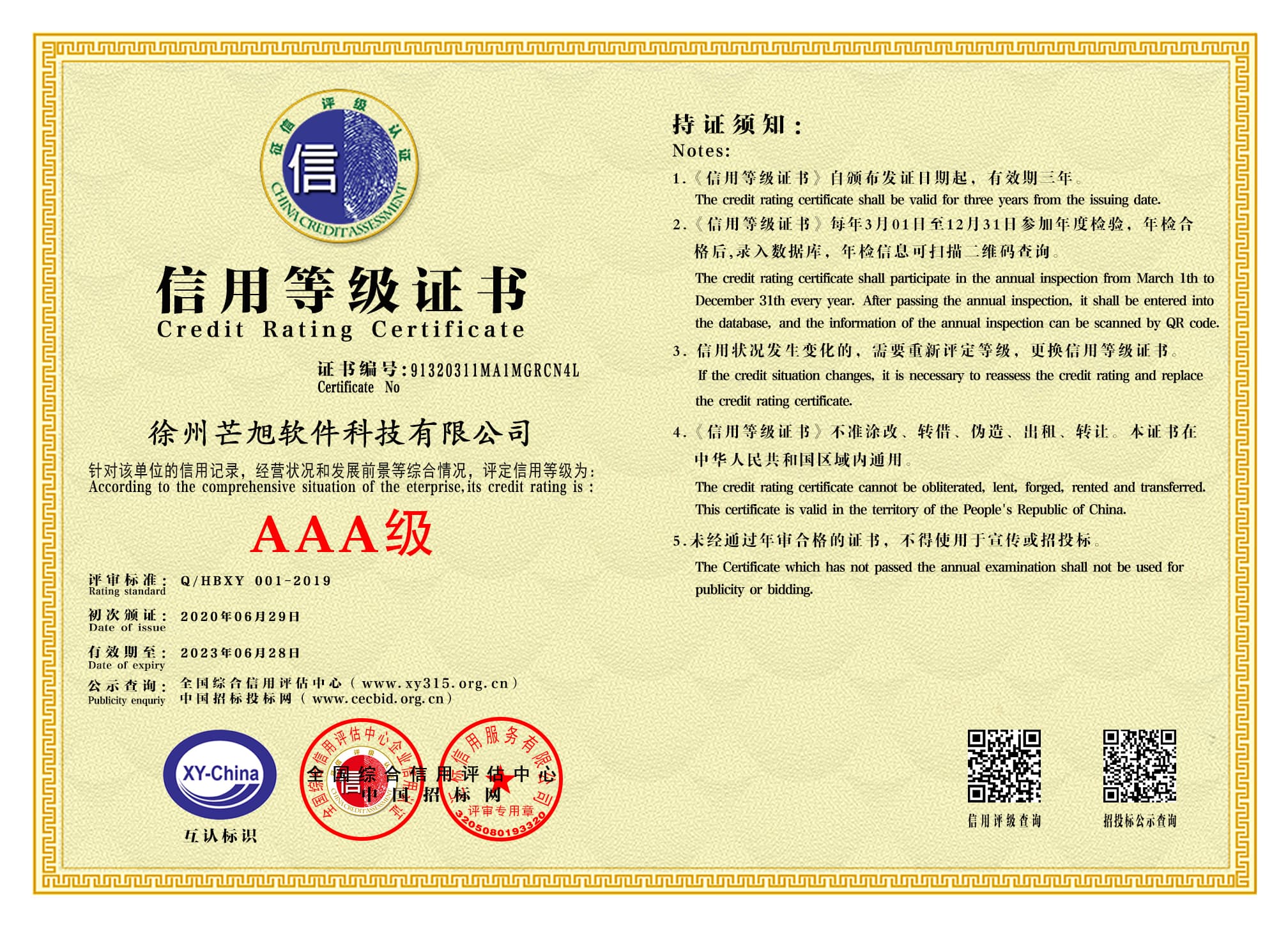
信用等级证书
PDF DocumentClick to view
高新技术企业证书
PDF DocumentClick to view
计算机软件著作权登记证书
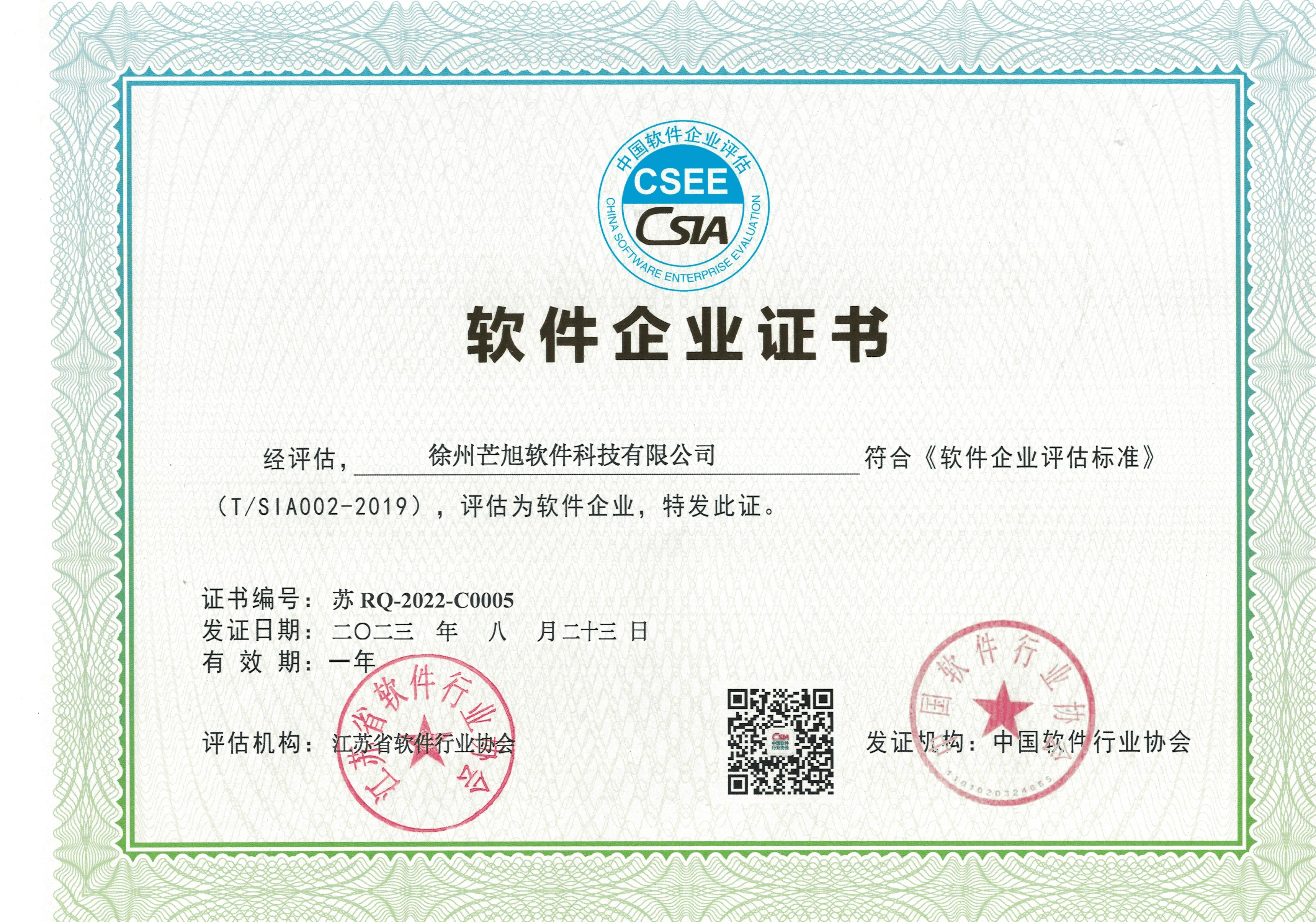
软件企业证书
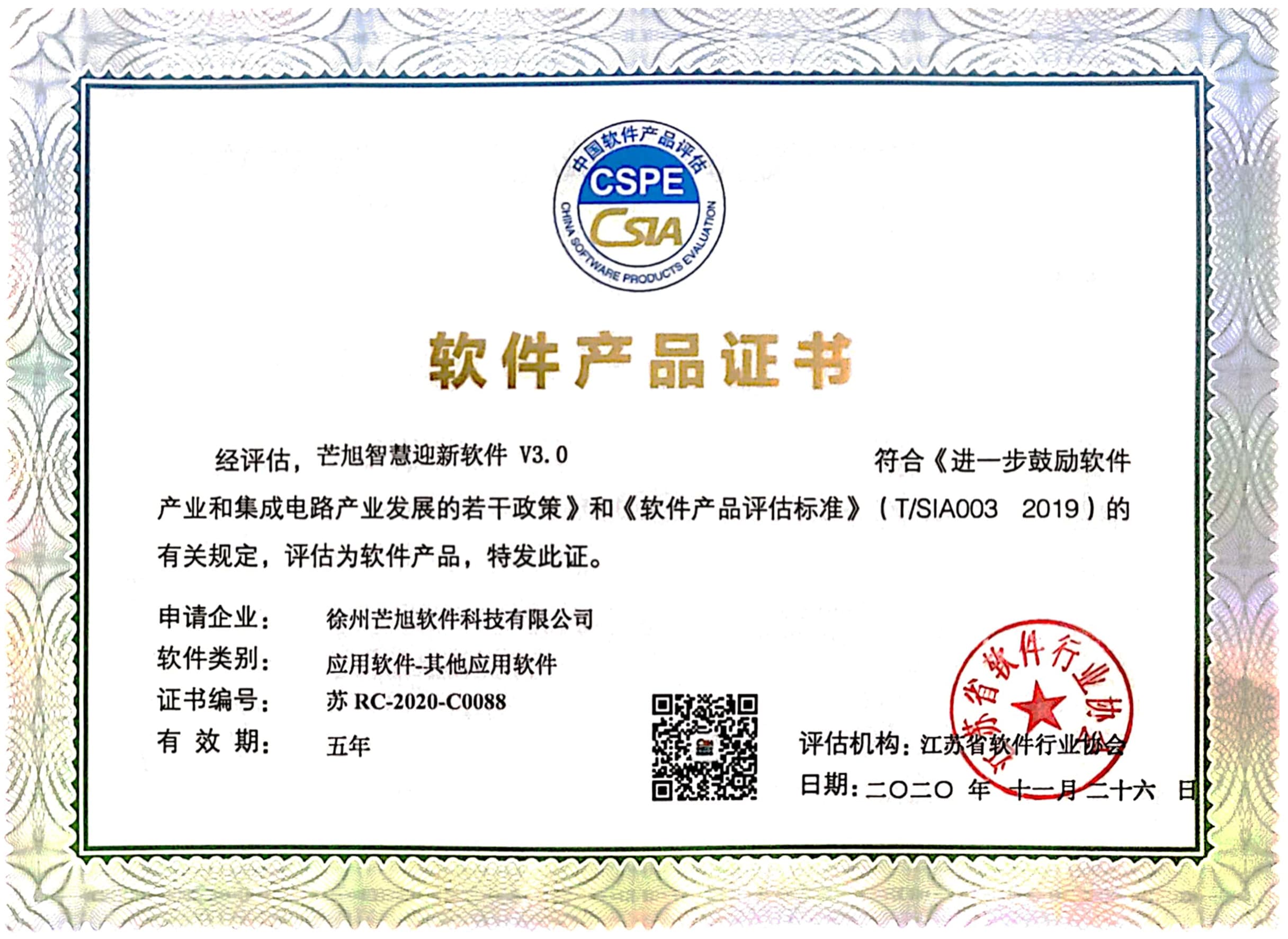
软件产品证书
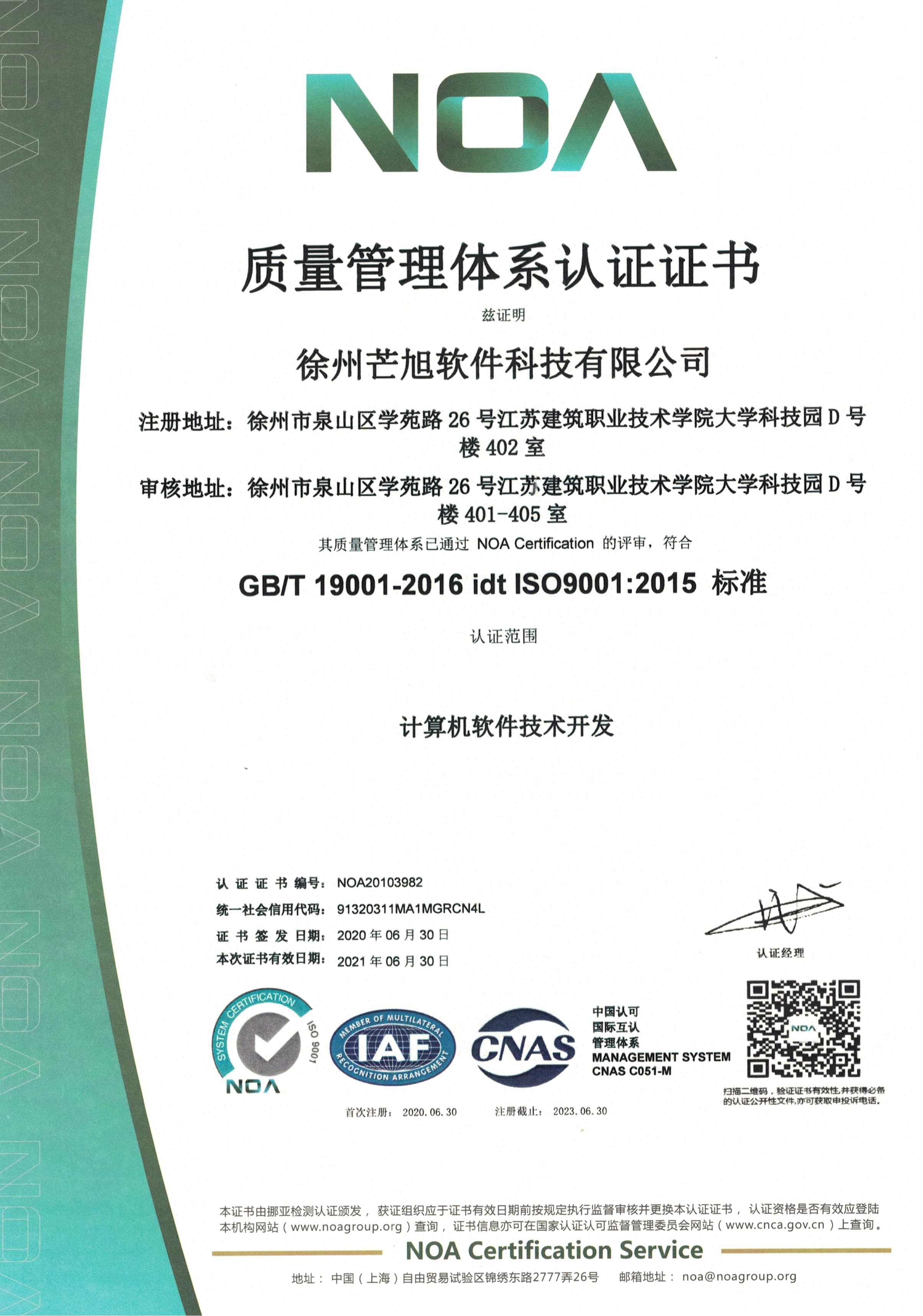
质量管理体系认证证书
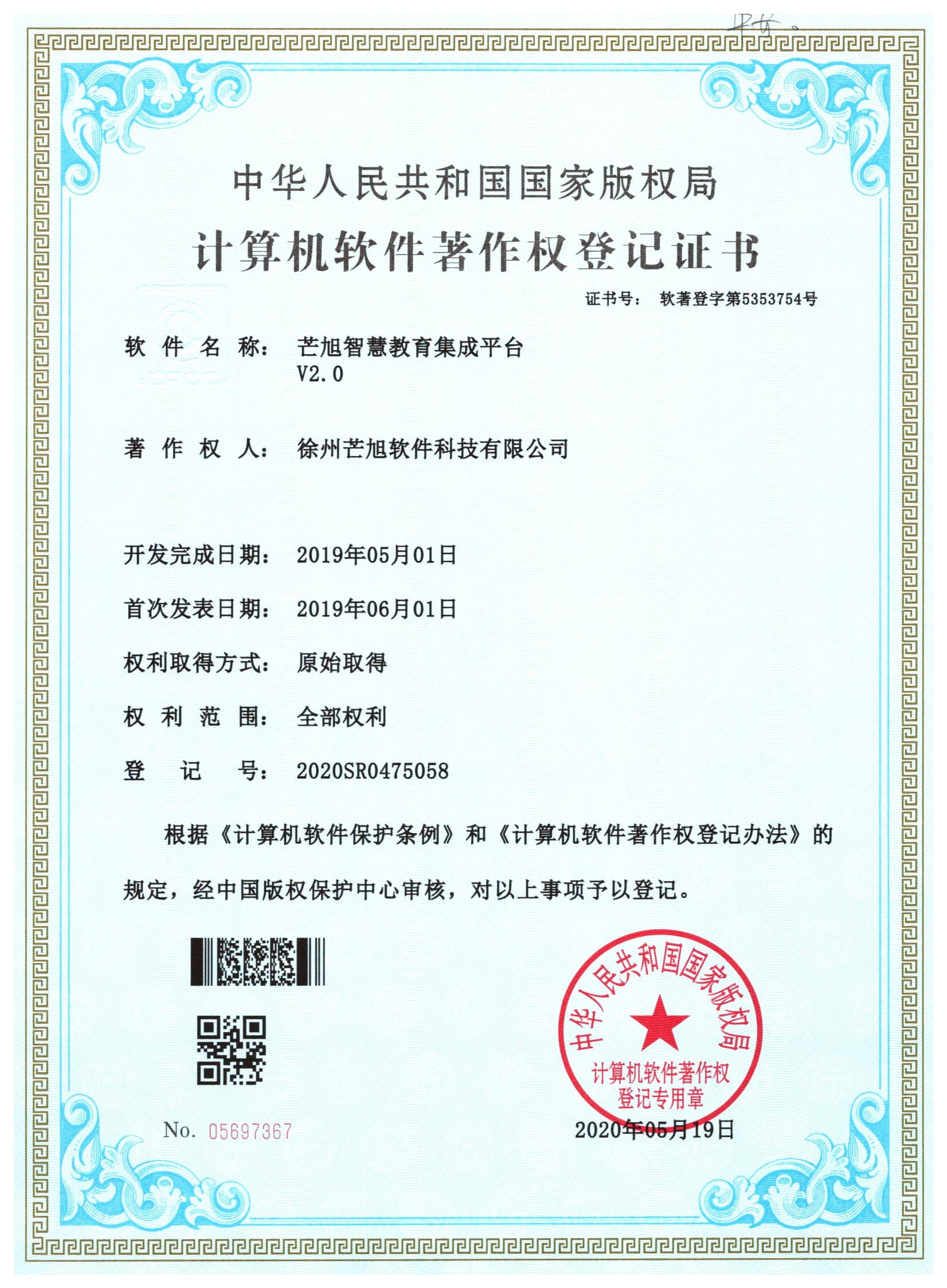
计算机软件著作权登记证书
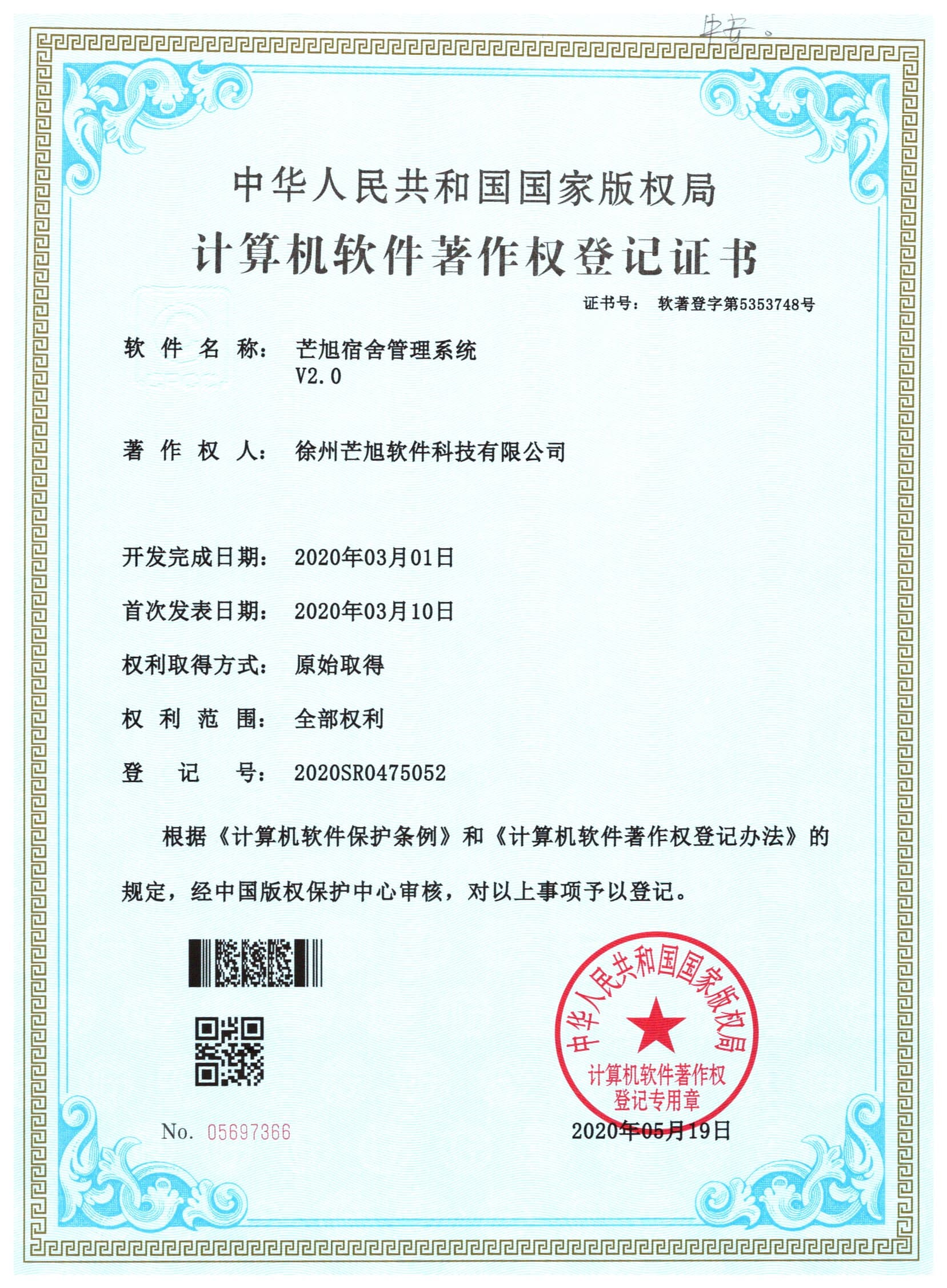
计算机软件著作权登记证书
PDF DocumentClick to view
计算机软件著作权登记证书
PDF DocumentClick to view
计算机软件著作权登记证书
The Personnel Management Platform is a comprehensive personnel information management system designed for universities. Its core value lies in data-driven decision-making, optimizing service experience, and laying a personnel data foundation for smart campus construction. Its differentiated advantages include: 1) Full lifecycle and all-type coverage, unified management of all personnel including faculty, students, and retirees; 2) Flexible workflow and permission customization, supporting visual background configuration without secondary development; 3) Data-driven decision support, transforming scattered data into visual reports; 4) Mobile and self-service experience, supporting handling personnel matters anytime, anywhere. The platform is suitable for scenarios such as new faculty onboarding, unified management of multiple personnel types, department changes, and campus security. It is a key infrastructure for digital transformation in universities.