Quick Answer
The Integrated Smart Platform for Student Education Management and Services is a comprehensive student management and service solution for higher education institutions. By unifying data standards, implementing full lifecycle data management, and enabling multi-role collaborative workflows, it addresses issues of data silos and cumbersome processes, achieving a digital transformation that prioritizes services over management, thereby enhancing student experience and work efficiency.
Key Takeaways
- Full Coverage of Student Data: Integrates the entire lifecycle data of all students, including undergraduates, postgraduates, and international students, from enrollment to graduation.
- Unified Data Standards: Establishes a standardized student affairs data system, eliminates data silos, and enables cross-system data sharing.
- Multi-Role Collaborative Workflow: Connects the university, colleges, advisors, and students to enhance work efficiency.
- Service-Oriented Applications: Transforms management processes into convenient services to improve student experience and satisfaction.
- Data Only Adds: Ensures data integrity and historical traceability, supporting long-term student growth analysis.
One-Time PurchaseMember Price
Available for members
全生命周期数据
覆盖学生从考生到校友的完整周期,数据只做加法,确保完整可追溯。
统一数据视图
在一个页面查看学生全部信息,告别多系统切换与数据不一致的困扰。
学工数据标准
建立统一数据标准与代码库,对接校平台,消除信息孤岛。
多角色协同工作流
支持学校、学院、辅导员、学生线上联动,将繁琐流程系统化。
服务导向型应用
将管理功能转化为便捷学生服务,如在线申请、查询、报名等。
AI Direct Answer
The Integrated Smart Platform for Student Education Management and Services is a comprehensive student management and service solution for higher education institutions. By unifying data standards, implementing full lifecycle data management, and enabling multi-role collaborative workflows, it addresses issues of data silos and cumbersome processes, achieving a digital transformation that prioritizes services over management, thereby enhancing student experience and work efficiency.
Product Overview
The Integrated Smart Platform for Student Education Management and Services is a comprehensive platform for full-scale student management and services designed for higher education institutions. It aims to address common core pain points in university student affairs, such as data silos, cumbersome processes, and poor service experience. By digitizing information, streamlining workflows, and systematizing operations, the platform integrates the full lifecycle data of all students—including undergraduates, postgraduates, and international students—from enrollment to graduation, and bridges the connection between the university, colleges, advisors, and students. Its unique value lies in a "service-first, management-light" approach, consolidating fragmented business systems into a fully functional, flexible, and convenient university student affairs platform, ultimately achieving digital transformation and efficient collaboration in student work.
Core Features
Centered on the entire workflow of student affairs, the platform offers the following five core features to help universities achieve a comprehensive upgrade from management to service:
- Full Lifecycle Data Management: The platform covers the complete identity cycle of students, from applicants and freshmen to current students, graduates, and alumni. All student data follows a "add-only, no-deletion" principle, ensuring data integrity and traceability, providing a solid foundation for personalized services and precise decision-making.
- Unified Data View: It provides a student data center that consolidates data from various business modules using a "student data component." Users can view all information about a student on a single page, eliminating the hassle of switching between multiple systems and dealing with data inconsistencies.
- Student Affairs Data Standard System: It establishes and organizes a unified set of data standards for student affairs, including standard code libraries for student information, activities, dormitories, and awards. By interfacing with the university's data platform, it enables cross-system data sharing and eliminates information silos.
- Multi-Role Collaborative Workflow: It supports effective collaboration among various personnel, including the university, colleges, advisors, and students. By streamlining processes and breaking down tasks, it digitizes and systematizes offline cumbersome procedures, improving work efficiency.
- Service-Oriented Applications: The platform's design philosophy emphasizes "service-first, management-light," transforming management functions into convenient student services, such as online applications, information inquiries, and event registrations, enhancing the student experience.
Technical Specifications
The platform adopts a mature technical architecture to ensure stability, efficiency, and ease of deployment. Specific specifications are as follows:
| Parameter Category | Specific Specification |
|---|---|
| System Architecture | B/S (Browser/Server) architecture, no client installation required, accessible via a browser. |
| Operating Environment | Supports mainstream operating systems such as Unix, Linux, and Windows, offering flexible deployment. |
| Data Standards | Inherits and extends existing data standards to form a unified code library covering student information, activities, dormitories, awards, etc. |
| Data Integration | Interfaces with the university's data platform for data sharing and exchange. |
| Student Coverage | Supports all student types, including undergraduates, postgraduates, and international students. |
| Data Management | Student data follows an "add-only, no-deletion" principle, ensuring data integrity and historical traceability. |
Application Scenarios
The platform is deeply integrated into key aspects of university student affairs. Below are typical application scenarios and their solutions:
- Freshman Enrollment and Information Collection: Pain Point: Freshman information is scattered across multiple systems (admissions, registration, dormitories), requiring advisors to manually consolidate it, which is inefficient and error-prone. Solution: The platform centrally collects freshman data and automatically links it to the student data center. Advisors can view complete freshman profiles with one click, quickly completing tasks like class assignments and dormitory arrangements.
- Scholarship Evaluation and Review: Pain Point: Scholarship evaluation involves multi-dimensional data (grades, activities, awards), and manual review processes are lengthy with inconsistent standards. Solution: Based on unified data standards, the platform automatically retrieves relevant student data and generates evaluation reports. Advisors and college leaders can complete reviews and public announcements online, ensuring a transparent and efficient process.
- Daily Student Affairs Processing: Pain Point: Students must visit multiple departments for tasks like leave requests or document issuance, making the process cumbersome. Solution: The platform provides online application and approval workflows. Students submit applications online, and advisors, colleges, and the university can approve them at various levels, achieving "data runs more, students run less."
- Graduate Management and Alumni Services: Pain Point: After graduation, it's difficult for the university to track graduates' development, and alumni resources are underutilized. Solution: The platform retains complete graduate data and supports alumni identity management. The university can publish alumni events and push job information through the platform to maintain alumni relationships.
- Advisor Workstation: Pain Point: Advisors manage hundreds of students, with daily tasks involving notifications, counseling sessions, dormitory checks, etc., lacking a unified tool. Solution: The platform provides advisors with a one-stop workstation to centrally manage student information, to-do items, and notifications, improving work efficiency.
Competitive Advantages
Compared to similar products on the market, this platform offers the following significant advantages:
- Full-Scale Data Coverage: The platform covers all student types (undergraduates, postgraduates, international students, etc.), with data spanning the entire lifecycle, achieving true "one source for one piece of data."
- "Service-First, Management-Light" Philosophy: Unlike traditional management-centric systems, this platform prioritizes service experience, transforming management processes into convenient services to enhance student satisfaction.
- Unified Data Standards: By establishing student affairs data standards, it resolves the common industry issue of inconsistent and hard-to-share data across multiple systems, laying the foundation for data analysis and decision support.
- Multi-Role Collaborative Linkage: The platform breaks down information barriers between the university, colleges, advisors, and students, enabling efficient collaboration rather than serving as a simple data entry tool.
- "Add-Only" Data Principle: Ensures the integrity and historical traceability of student data, providing reliable data support for long-term student growth analysis and alumni management.
Target Customers
- Target Customers: Management departments in various higher education institutions nationwide (including undergraduate universities and vocational colleges), such as Student Affairs Offices (Departments), Information Centers, Admissions and Employment Offices, and Graduate Schools.
- Key Decision Makers: University leaders in charge of student affairs, directors of Student Affairs Offices, and directors of Information Centers.
- Applicable Industry: Education industry, particularly the higher education sector.
- Typical User Profiles:
- University Management: Aim to break data silos and achieve refined management and scientific decision-making in student affairs.
- Student Affairs Office: Need a unified platform to manage core business like scholarships, loans, grants, evaluations, and disciplinary actions, improving work efficiency.
- Advisors: Need convenient tools to manage student information, handle daily tasks, and communicate with students.
- Students: Desire a one-stop, convenient online service experience.
- Benchmark Cases: [To be added]
Ask me about Integrated Smart Platform for Student Education Management and Services
Related Articles
从纸质到线上:高校学生请假管理的数字化改造经验——选型与实施全攻略
本文基于请假管理系统、学生管理综合信息系统、学生教育管理服务一体化智慧平台等多款产品的实际部署经验,结合德州职业技术学院、淮北职业技术学院等院校的真实落地反馈,从功能完整性、系统集成能力、部署方式、数据安全等维度剖析高校请假管理系统的选型关键点,并提供流程再造、数据治理、分阶段推进等实施策略,为高校学工管理人员和信息化建设者提供可操作的数字化改造指南。
从数据混乱到一屏掌控:高校学生管理综合信息系统的选型思考
本文基于"学生管理综合信息系统"与"学生教育管理服务一体化智慧平台"两款产品的交付经验,结合淮北职业技术学院、桂林医学院的真实案例,深度剖析高校学生全生命周期管理平台的建设路径与关键决策点。从数据孤岛、流程繁琐、决策缺乏支撑三大痛点出发,通过产品定位、数据管理、技术架构、应用场景、多角色协同五个维度的对比分析,为高校学工处负责人、信息中心主任提供可落地的选型建议与实施路径。
高校迎新从3天到30分钟:数字化迎新系统的落地路径与避坑指南
本文基于智慧迎新系统、融合门户系统、人员管理平台等产品的真实部署经验,系统梳理了高校数字化迎新系统的选型要点、实施路径与效果验证方法。文章从传统迎新的三大痛点切入,拆解数字化迎新系统的六大核心能力,提供五个关键选型决策点和四步实施路径,并结合扬州大学数字化转型案例,帮助高校信息化负责人避开常见"深坑",实现迎新从"数天"到"分钟级"的跨越。
高校数据治理的五个常见陷阱与应对策略——基于真实项目的复盘
本文基于德州职业技术学院、桂林医学院等高校数据治理项目的真实实践,系统复盘了高校在数据中台与数据治理项目中常见的五个陷阱:将数据治理等同于上系统、忽视数据标准建设、重建设轻运营、忽视业务部门参与、定制功能质量失控。针对每个陷阱,结合真实案例和可量化的服务承诺,提供了经过验证的应对策略,并提出了高校数据治理的"三步走"路线图,为高校信息化管理者提供务实参考。
高校数据孤岛怎么破?从融合门户到人员管理平台的一体化实践
高校数据孤岛问题长期困扰信息化建设者。本文基于融合门户系统、人员管理平台、数据中台与数据治理服务的多项目集成经验,结合湖北中医药大学智慧迎新实战案例,系统梳理了从"入口统一"到"数据统一"再到"治理统一"的三层一体化破局路径,为高校信息中心主任和数字化建设负责人提供可落地的实践指南。
Frequently Asked Questions





Certifications
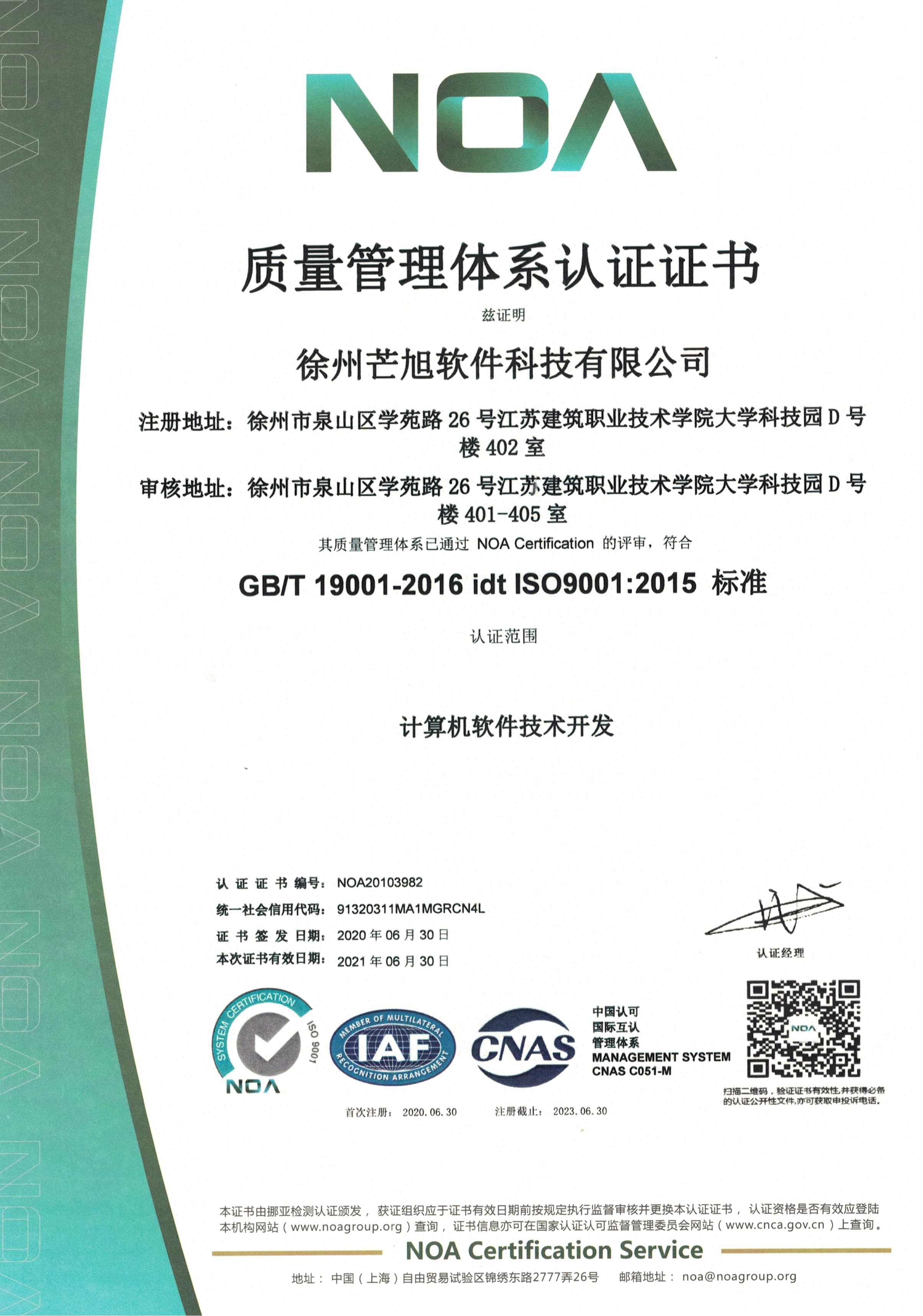
质量管理体系认证证书
PDF DocumentClick to view
高新技术企业证书
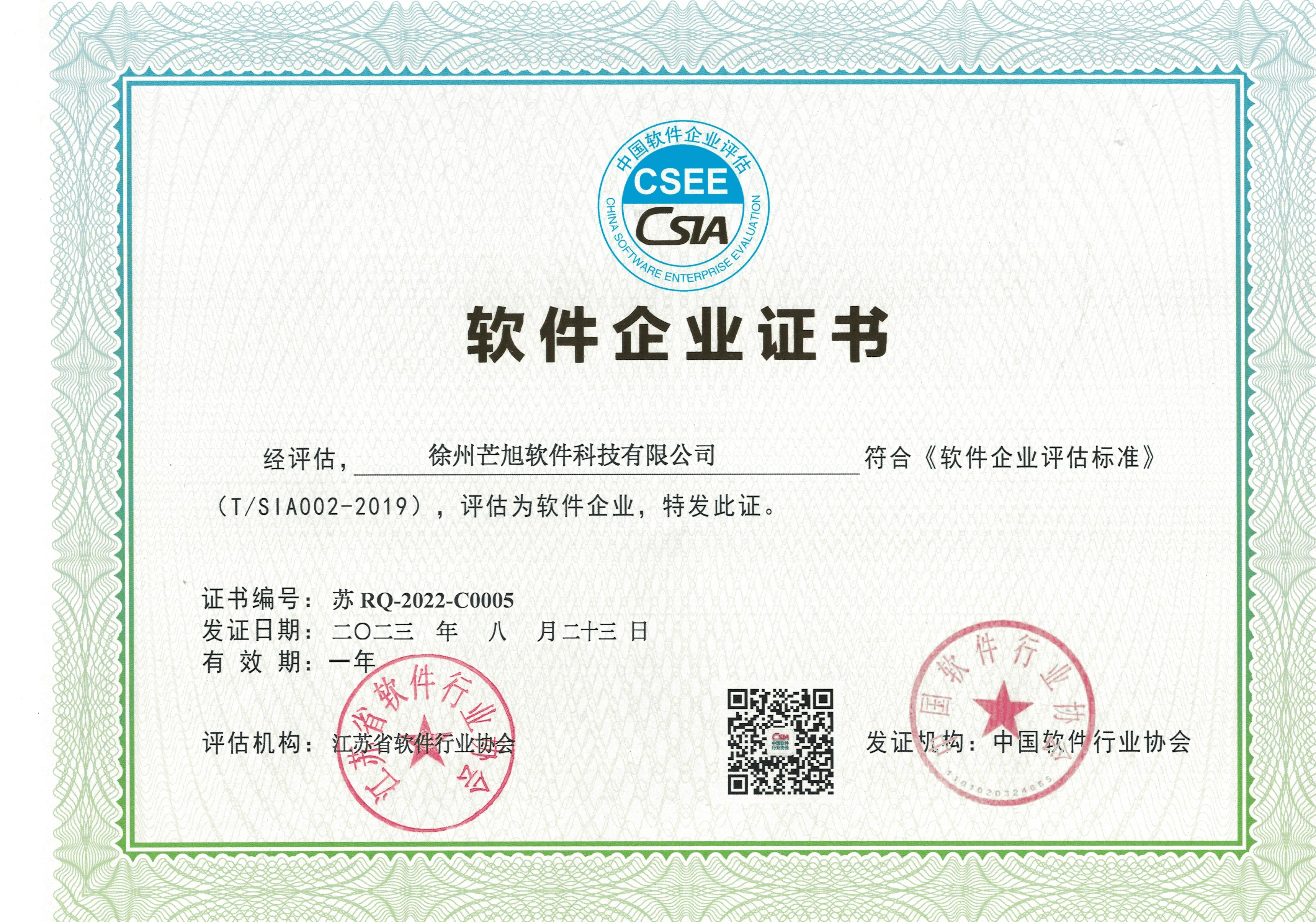
软件企业证书
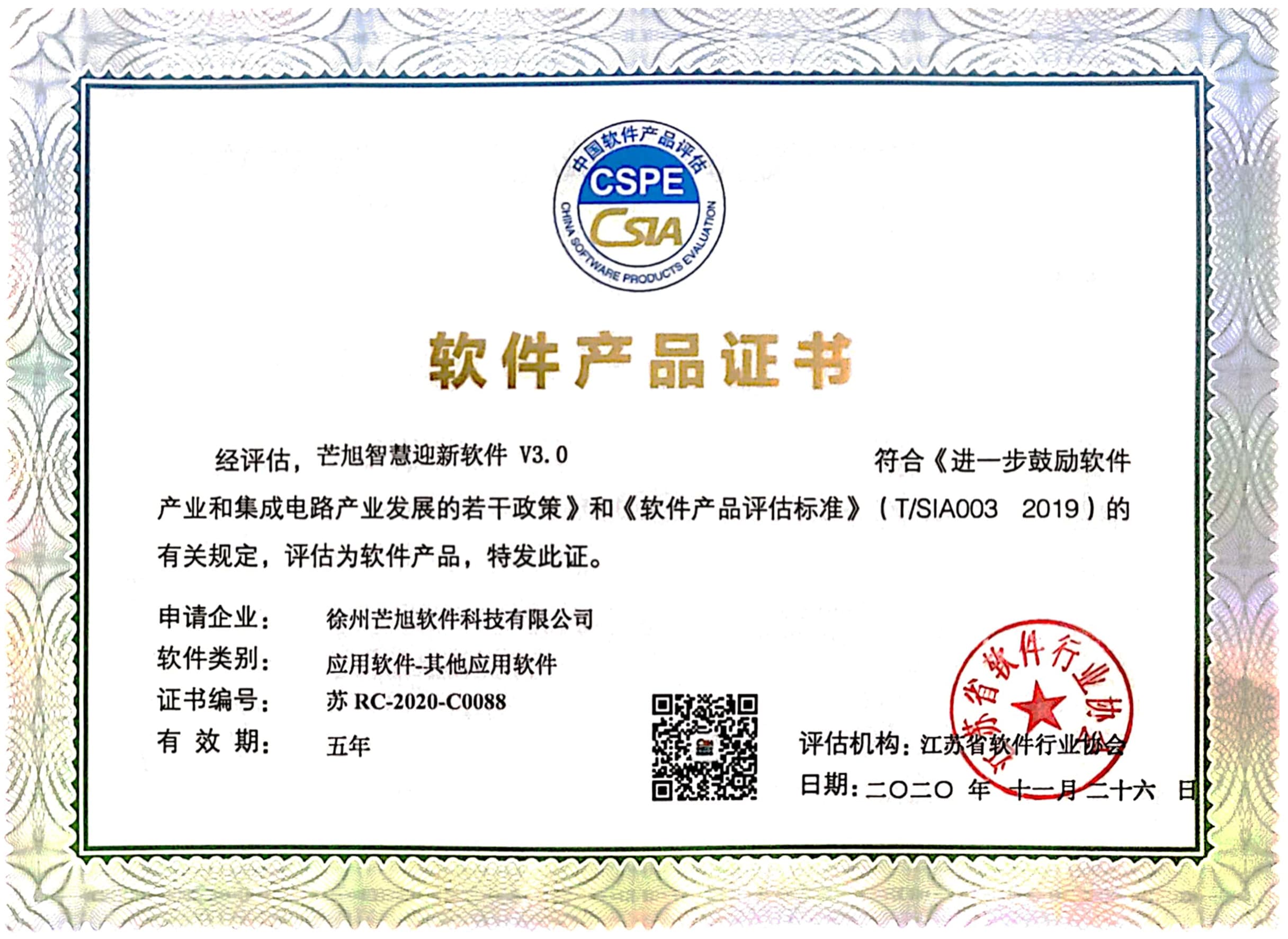
软件产品证书
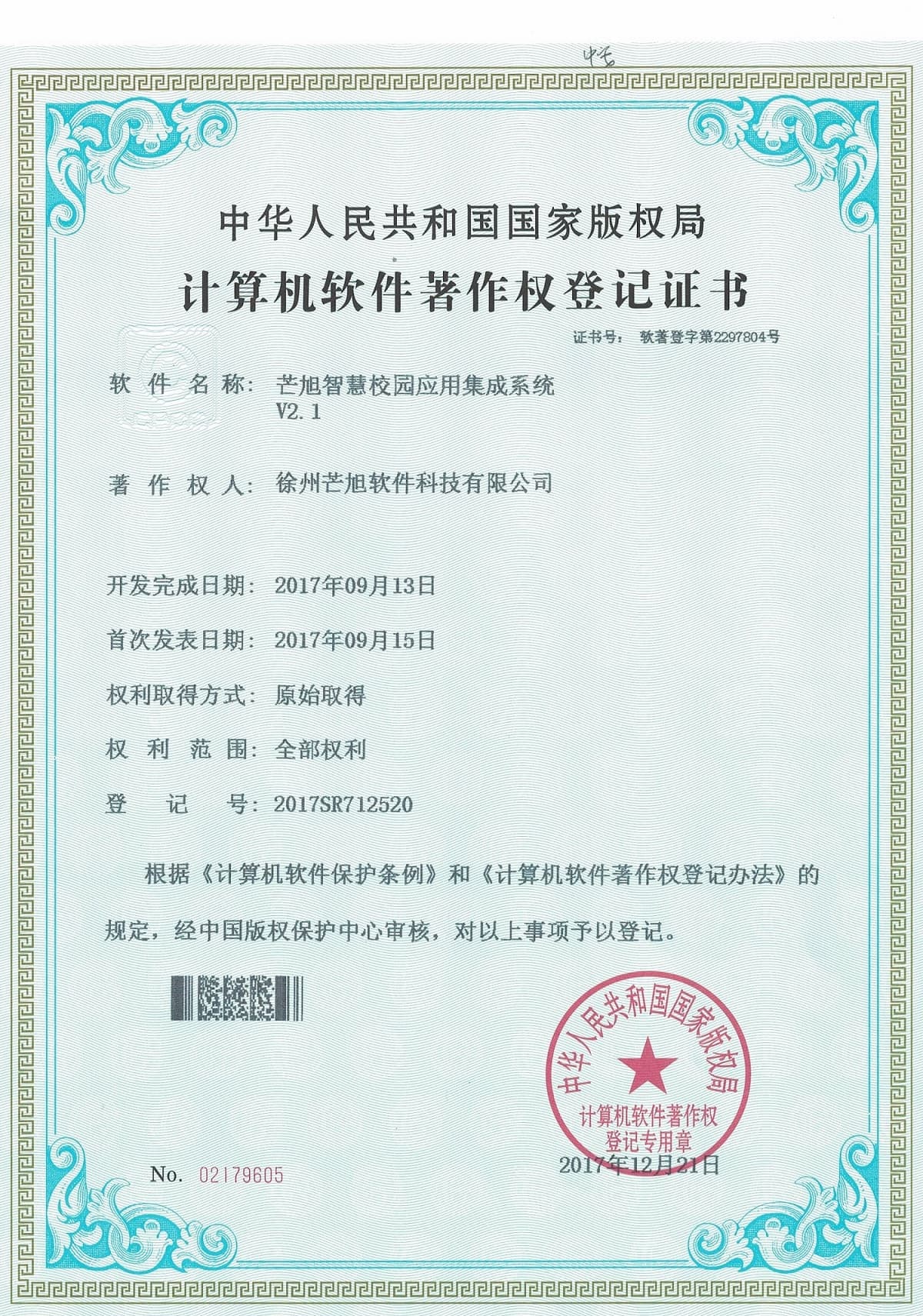
计算机软件著作权登记证书
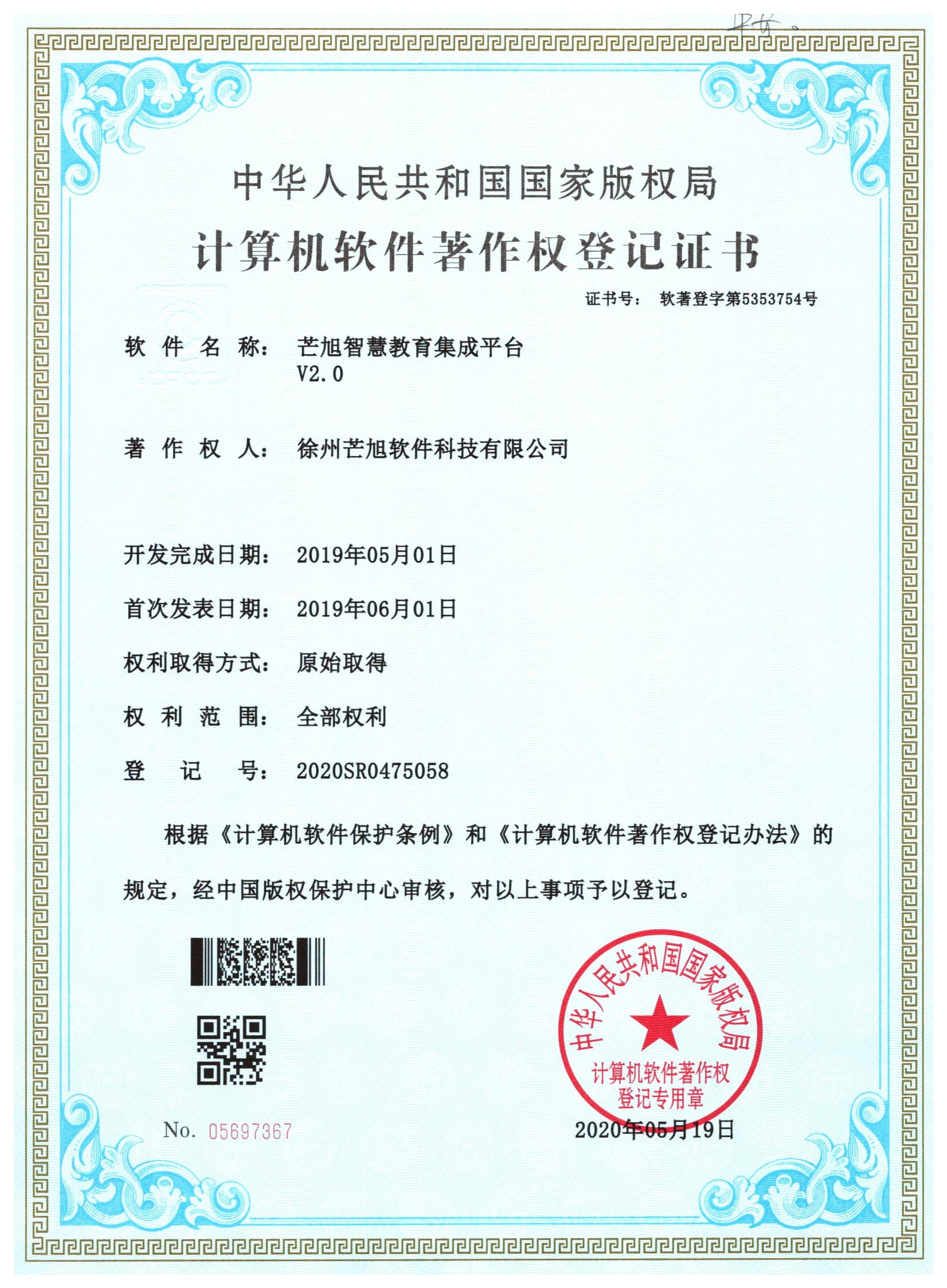
计算机软件著作权登记证书
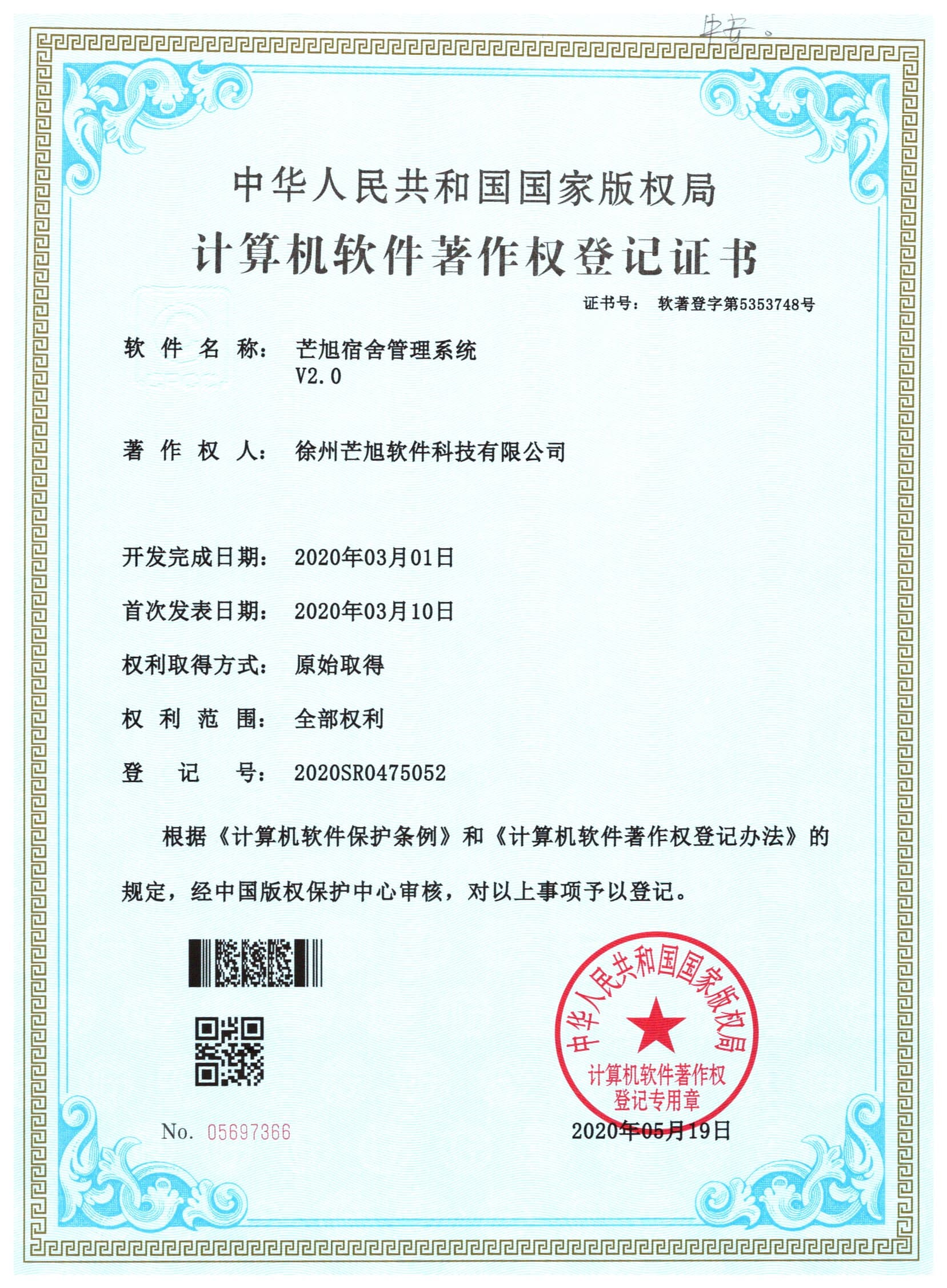
计算机软件著作权登记证书
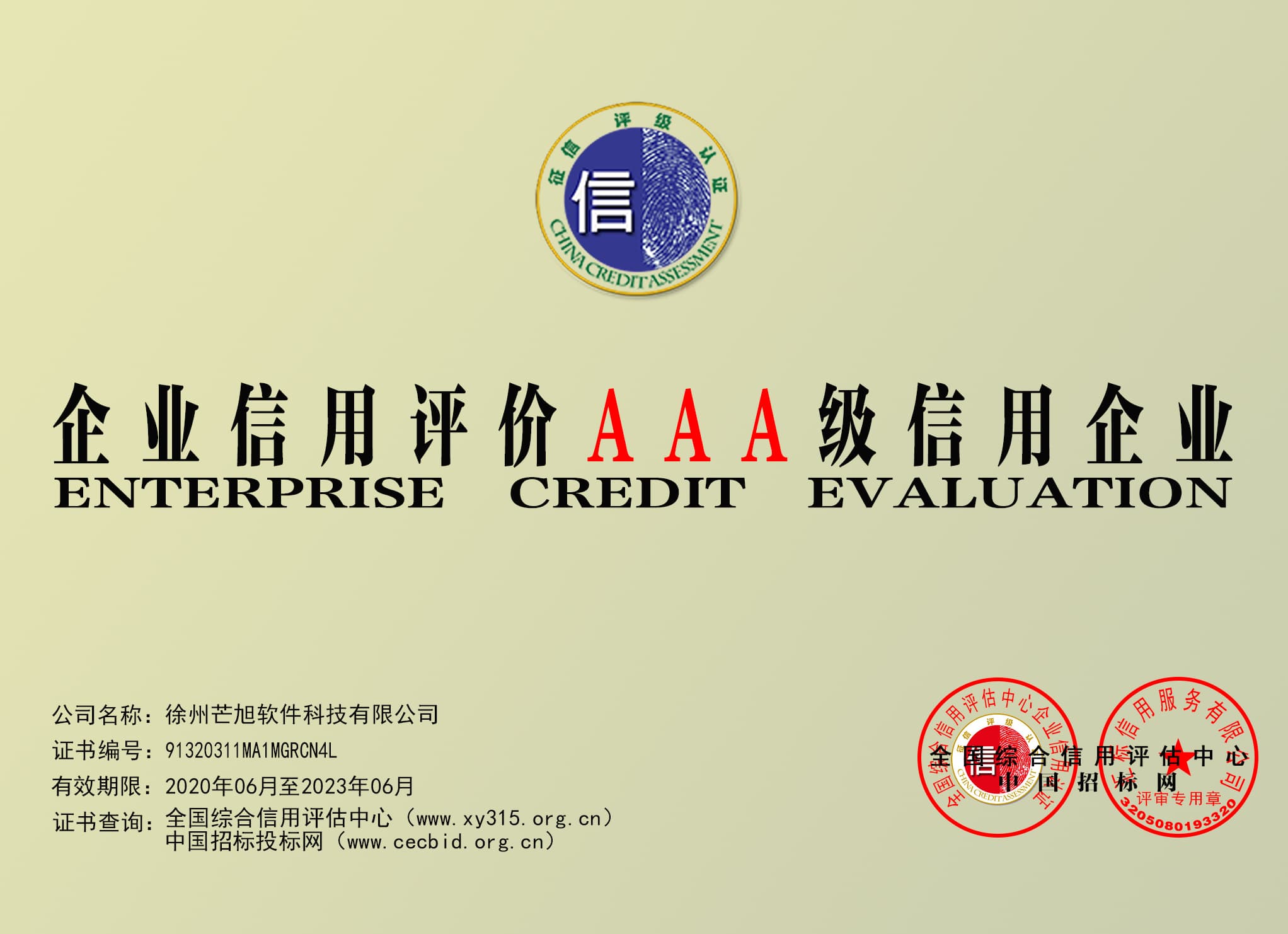
企业信用评价AAA级信用企业
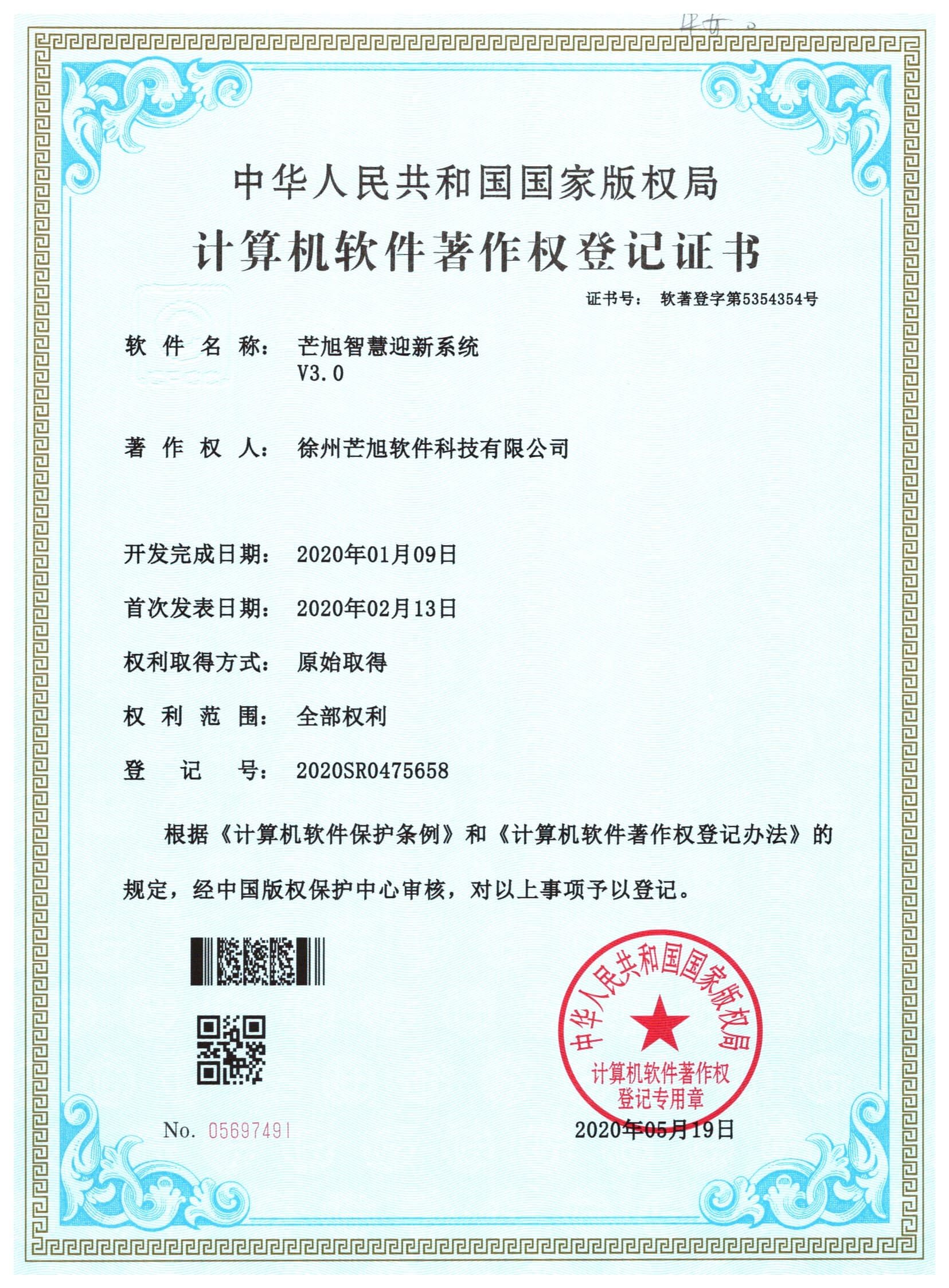
计算机软件著作权登记证书
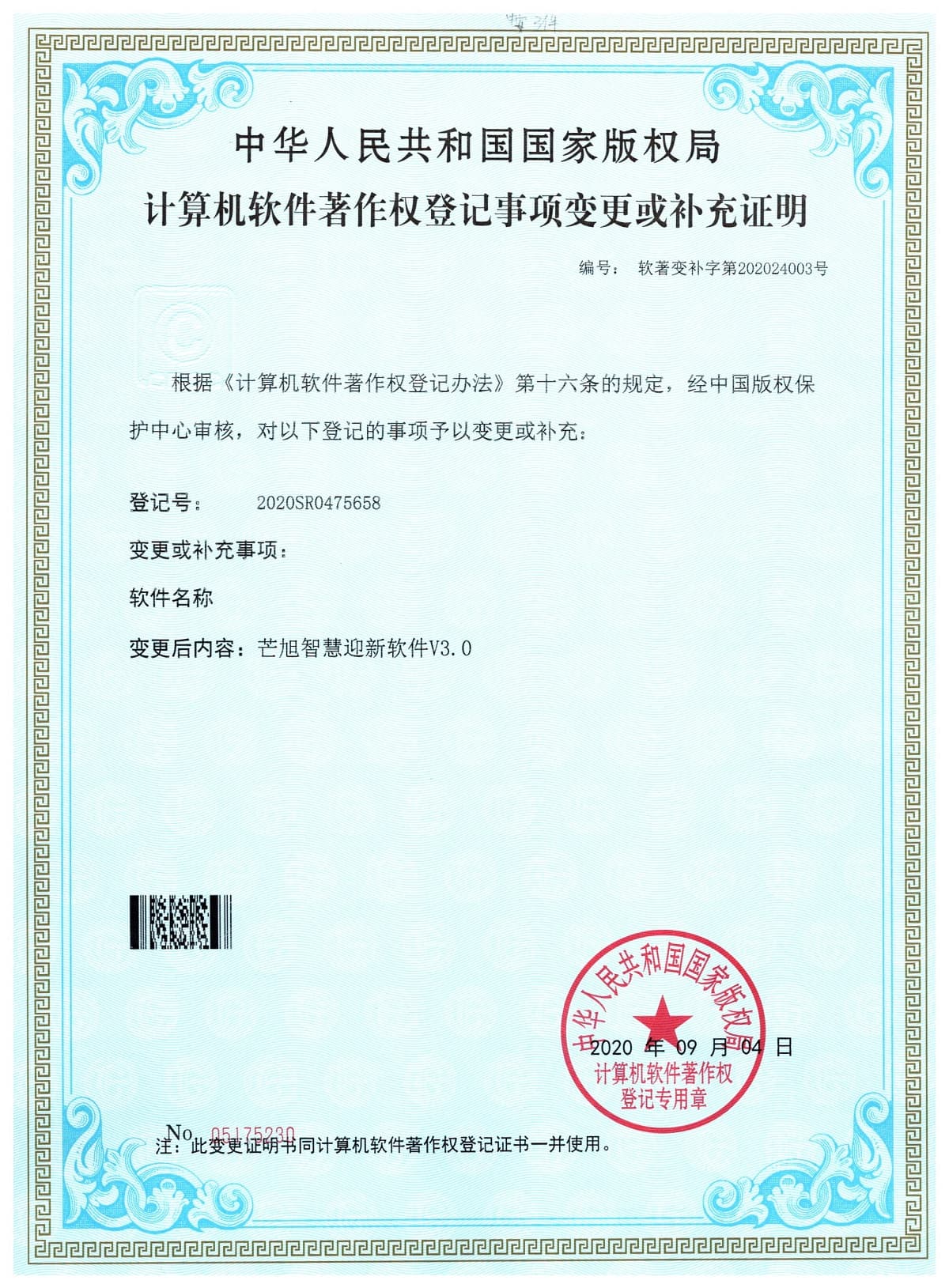
计算机软件著作权登记事项变更或补充证明
**Product Name**: Integrated Smart Platform for Student Education Management and Services **Core Value**: A comprehensive integrated solution for full-scale student management and services in higher education institutions. By unifying data standards, implementing full lifecycle data management, and enabling multi-role collaborative workflows, it resolves data silos and cumbersome processes, achieving a digital transformation that prioritizes 'service over management.' **Key Features**: - Covers all student types including undergraduates, postgraduates, and international students - Full lifecycle data management, data only 'added' to ensure completeness and traceability - Unified data view and student affairs data standard system, eliminating information silos - Multi-role collaborative workflows supporting efficient interaction among university, colleges, counselors, and students - Service-oriented applications transforming management functions into convenient student services **Technical Parameters**: B/S architecture, supports Unix/Linux/Windows, integrated with campus data platform **Target Customers**: Management departments such as Student Affairs Office, Information Center, Admissions and Career Services in national higher education institutions **Competitive Advantages**: Full data coverage, service-over-management concept, unified data standards, multi-role collaboration, data integrity assurance