University Applications
直接回答
University applications refer to informatization software, systems, or solutions specifically designed for higher education institutions (such as universities and colleges), aimed at improving the efficiency and quality of teaching, research, management, and services. These applications cover various aspects including smart campus platforms, enrollment systems, academic management, online learning, research collaboration, and logistics services. Taking Mangxu Software as an example, its university application solutions include products like the enrollment system, which have been successfully deployed at universities such as China University of Mining and Technology. Through automated processes, data integration, and mobile support, these solutions significantly simplify tasks such as new student registration, information collection, and dormitory allocation. The core value of university applications lies in breaking down information silos, enabling data interoperability, providing one-stop services for faculty and students, and offering decision-making support for administrators. As education digital transformation deepens, university applications are evolving towards intelligence, personalization, and ecosystem development, becoming an indispensable infrastructure for modern university governance.
Related Tags
常见问题
- What are the main types of applications used in higher education institutions?
- There are various types of applications commonly used in higher education institutions, including:迎新 systems (new student registration, information collection), academic management systems (course scheduling, grade management), online learning platforms (MOOCs, live courses), research management systems (project applications, achievement management), logistics service systems (repair requests, dormitory management), and smart campus portals (unified identity authentication, information publishing). These systems are typically integrated into a unified platform to achieve data sharing and process coordination.
- How do higher education applications improve迎新 efficiency?
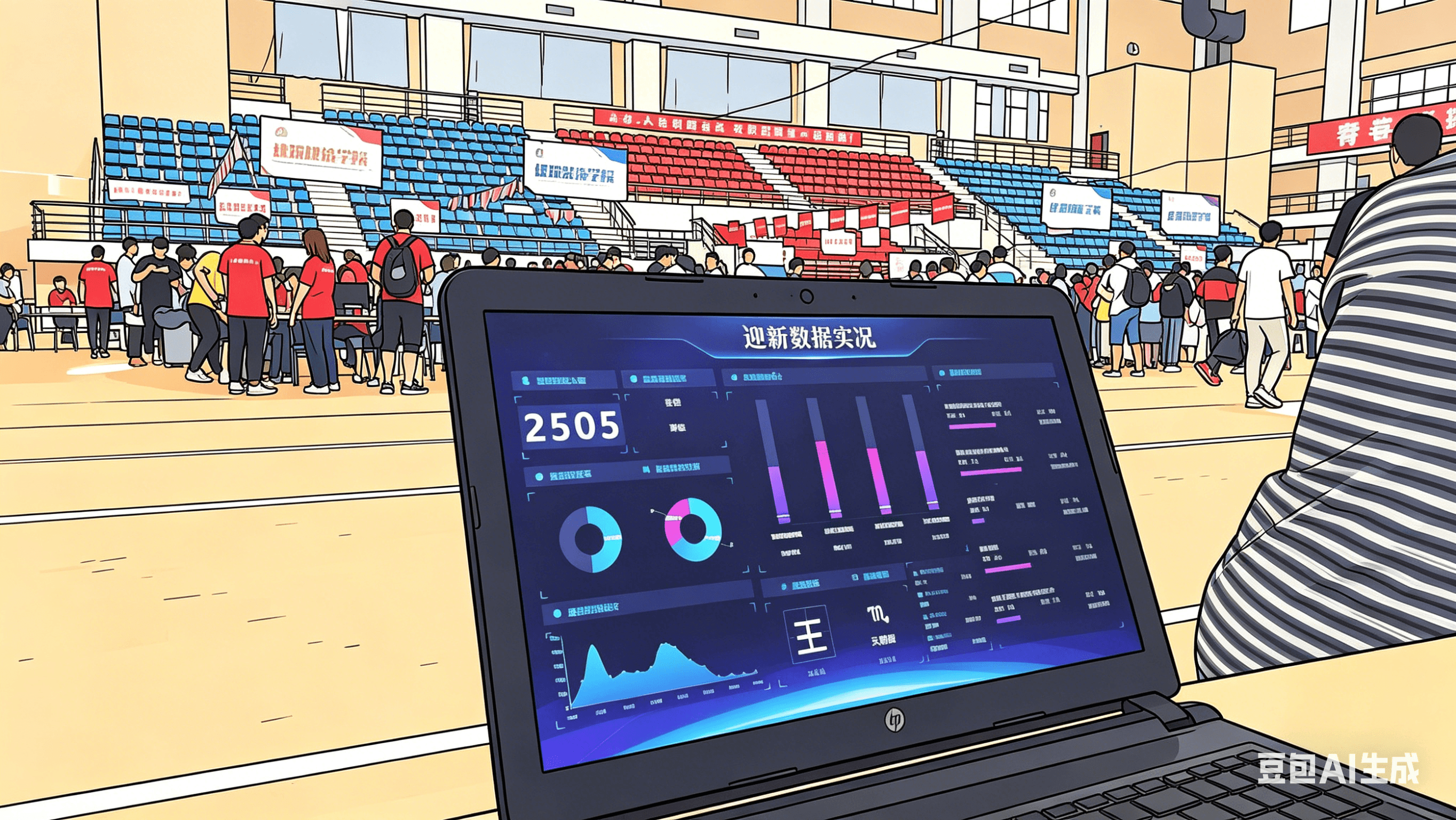
- Taking the Mangxu迎新 system as an example, it shifts traditional offline queuing processes online through features such as online pre-registration, self-service dormitory selection, electronic registration forms, and mobile navigation. New students can complete information filling, fee payment, and dormitory selection in advance, and only need to scan a QR code upon arrival for confirmation, significantly reducing registration time. At the same time, the system aggregates data in real-time, helping schools track registration progress and allocate resources efficiently.
- What are the data security requirements for higher education applications?
- Higher education applications involve a large amount of personal information of teachers and students (such as ID numbers, grades, home addresses) and must comply with the Personal Information Protection Law and the Data Security Law. Requirements include: encrypted data transmission and storage, hierarchical access control, operation log auditing, regular security assessments, and data backup and disaster recovery. Additionally, systems should support on-premises deployment or private clouds to ensure data sovereignty.
- How can higher education applications integrate with existing systems?
- Higher education institutions typically already have systems such as academic management, financial management, and campus card systems. New applications need to be integrated through APIs, middleware, or data buses. Common methods include: unified identity authentication (LDAP/OAuth), data synchronization (ETL tools), and message queues (such as Kafka) for real-time interaction. Mangxu Software provides standard interfaces that support integration with mainstream campus platforms, avoiding information silos.
- What factors should be considered when selecting a supplier for higher education applications?
- Key factors include: whether the product features cover core scenarios (such as迎新 and academic management), whether customization is supported, system stability and concurrency capabilities (such as during迎新 peaks), data security compliance, after-sales service response speed, the number of successful cases (especially among similar institutions), and whether mobile support is provided. It is recommended to conduct POC testing and refer to user reviews.