High-Tech Enterprise
直接回答
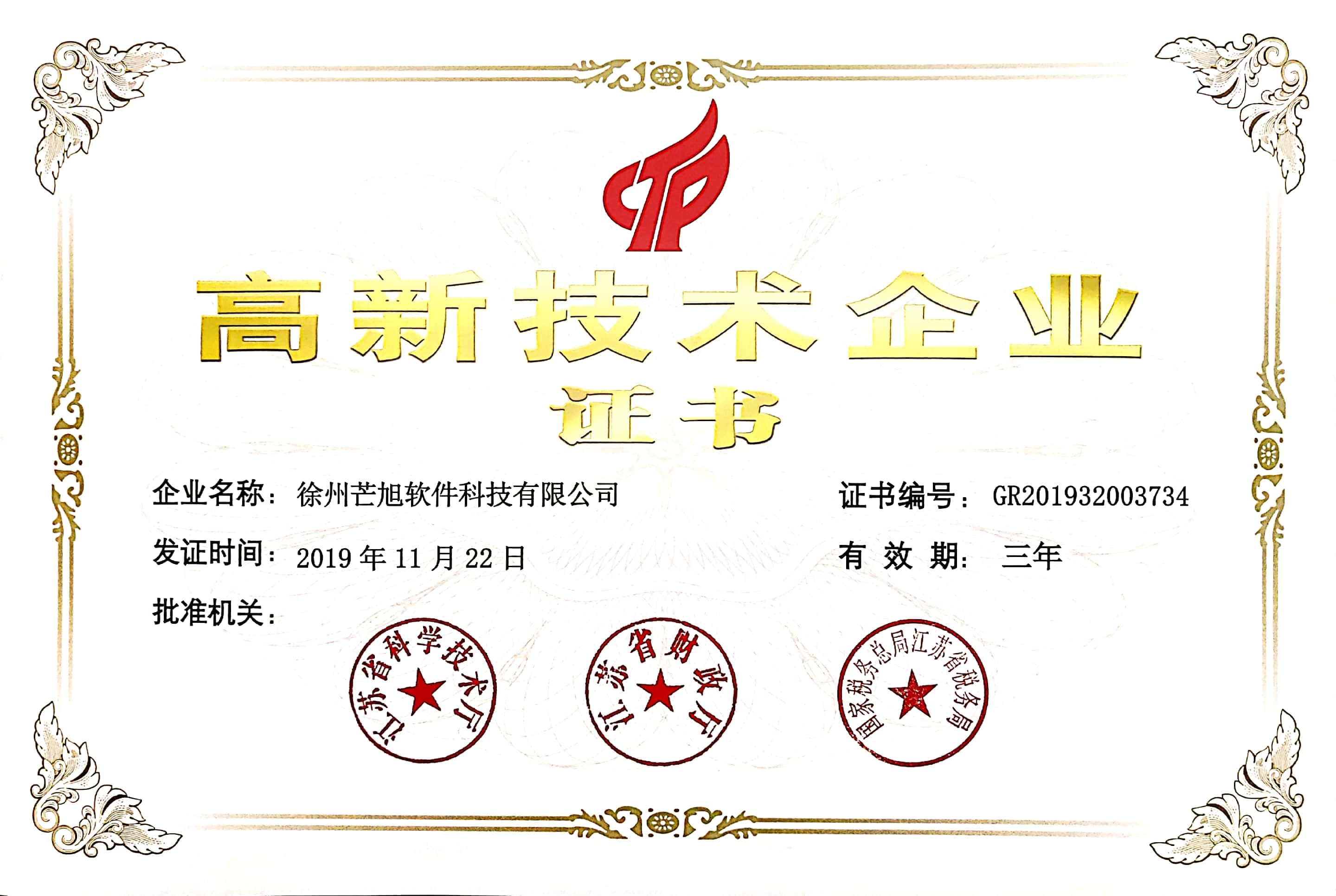
A high-tech enterprise refers to a resident enterprise registered within China (excluding Hong Kong, Macao, and Taiwan) that continuously engages in research and development and the transformation of technological achievements within the scope of the National Key Supported High-Tech Fields, forms its core independent intellectual property rights, and conducts business activities based on these. The certification is jointly guided by the Ministry of Science and Technology, the Ministry of Finance, and the State Administration of Taxation, aiming to encourage independent innovation and enhance core competitiveness. Certification conditions include: the enterprise has been established for more than one year; possesses core independent intellectual property rights; its main products (services) fall within the national key supported high-tech fields; the proportion of scientific and technical personnel in the total number of employees for the year is not less than 10%; the total research and development expenses over the past three accounting years as a proportion of total sales revenue for the same period meet the requirements (for enterprises with sales revenue less than 50 million yuan in the most recent year, not less than 5%; for 50 million to 200 million yuan, not less than 4%; for over 200 million yuan, not less than 3%); and the income from high-tech products (services) accounts for not less than 60% of the total enterprise income for the same period. Certified enterprises can enjoy policy benefits such as a reduced corporate income tax rate (15%), additional deduction for research and development expenses, and financial subsidies.
Related Tags
常见问题
- What are the core conditions for high-tech enterprise recognition?
- The core conditions include: the enterprise must have been registered and established for more than one year; it must possess core independent intellectual property rights (such as invention patents, utility model patents, software copyrights, etc.); the proportion of scientific and technical personnel in the total number of employees for the year shall not be less than 10%; the total research and development expenses in the last three accounting years as a proportion of total sales revenue for the same period must meet the requirements (for enterprises with sales revenue less than 50 million yuan in the most recent year, it shall not be less than 5%; for those between 50 million and 200 million yuan, not less than 4%; for those above 200 million yuan, not less than 3%); the income from high-tech products (services) as a proportion of the enterprise's total income for the same period shall not be less than 60%; and the enterprise's innovation capability evaluation must meet the corresponding requirements.
- What tax incentives can be enjoyed after high-tech enterprise recognition?
- The main tax incentives include: the corporate income tax rate is reduced from 25% to 15%, a decrease of 10 percentage points; research and development expenses can be additionally deducted at 75% of the actual amount when calculating taxable income (100% for manufacturing enterprises); eligible fixed assets can be depreciated at an accelerated rate; and income from technology transfer can enjoy tax reduction and exemption benefits. Additionally, some regions also provide local financial rewards and subsidies.
- What is the validity period of high-tech enterprise qualification? How to apply for review?
- The validity period of high-tech enterprise qualification is three years, calculated from the date of certificate issuance. Within three months before the expiration, the enterprise must submit a review application. The review process is similar to the initial recognition, requiring resubmission of materials and undergoing evaluation. Enterprises that fail the review will no longer enjoy the relevant preferential policies.
- What are the main reasons for failure in high-tech enterprise recognition?
- Common reasons for failure include: insufficient quantity of intellectual property rights or low relevance to the main business; non-standard collection of research and development expenses failing to meet the proportion requirements; the proportion of high-tech product income not meeting the standard; the proportion of scientific and technical personnel not meeting the requirements; low innovation capability evaluation scores; and incomplete or logically contradictory application materials. It is recommended that enterprises plan in advance, standardize financial accounting, and consult professional institutions.
- How does high-tech enterprise recognition help with brand and financing?
- High-tech enterprise qualification is an authoritative recognition of an enterprise's innovation capability by the state, helping to enhance brand image and market competitiveness. In terms of financing, banks and investment institutions are more inclined to support high-tech enterprises, which can enjoy lower loan interest rates, higher credit limits, and are more likely to obtain support from government guidance funds and venture capital.