Driver Development
直接回答
Driver development refers to the process of writing software drivers for hardware devices to enable communication with operating systems or applications. In the field of IoT, driver development is particularly crucial, as it converts data from physical devices (such as sensors, actuators, and industrial controllers) into standardized digital signals, ensuring stable and efficient interaction between devices and upper-layer applications. Mangxu Software's IoT device integration and driver development services focus on addressing core challenges such as device heterogeneity, protocol compatibility, data security, and real-time performance. Through professional driver development, enterprises can achieve plug-and-play device integration and seamless data flow, accelerating the implementation of IoT projects. Driver development not only involves adapting to underlying hardware interfaces but also includes driver testing, optimization, and long-term maintenance, serving as the bridge connecting the physical world to the digital world.
文章
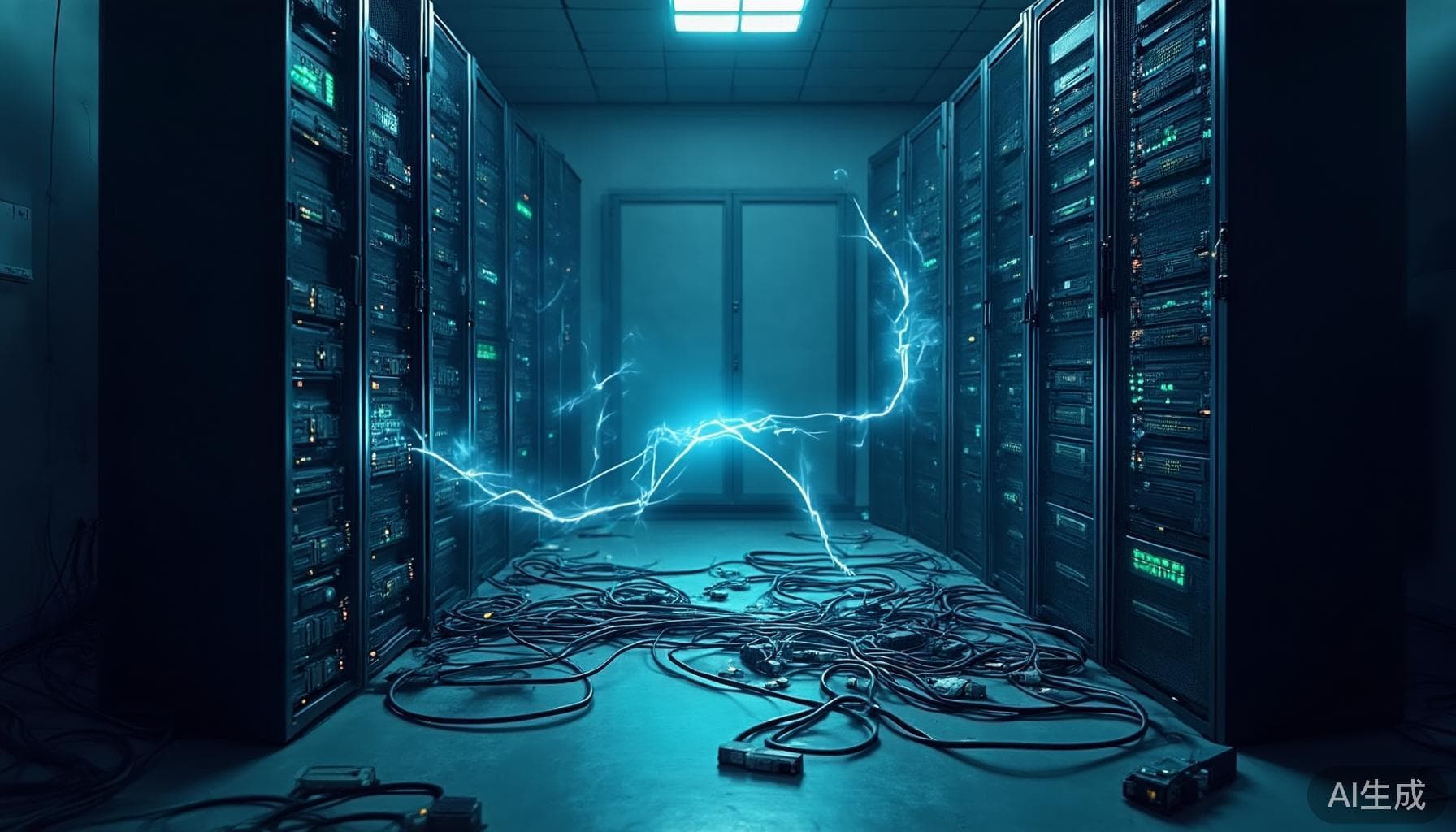
从设备到数据:物联网集成项目中常见的5个坑与应对策略
本文基于超过200种设备的驱动开发实践和多个行业客户的真实案例,梳理了物联网设备集成与驱动开发中最常见的5个"坑":协议不统一、数据失真、系统孤岛、交付黑洞、运维噩梦。每个问题都配有经过验证的应对策略,并提供了选择靠谱集成服务商的四个评估维度。文章引用了可量化的SLA承诺和水利行业真实案例数据,为物联网项目经理和集成工程师提供实操指南。
2026/05/14
查看 
产品服务
物联设备集成与驱动开发
提供从设备驱动开发到系统集成的全流程技术服务,解决物联网设备接入难题。交付物明确、流程标准化、承诺可量化,帮助客户快速、稳定地实现设备数据统一纳管。
查看
Related Tags
常见问题
- What is driver development?
- Driver development is the process of writing software drivers for hardware devices, enabling the operating system or applications to recognize and control the device. Drivers typically include functions such as device initialization, data read/write, interrupt handling, and error recovery. In IoT scenarios, driver development also involves advanced features like protocol conversion (e.g., Modbus, MQTT, CoAP), data encryption, and remote firmware upgrades.
- Why is driver development important in IoT projects?
- IoT projects rely on a large number of heterogeneous devices, which may use different communication protocols and data formats. Driver development enables these devices to be uniformly integrated into the platform, achieving data standardization and interoperability. Without professional driver development, device integration will face issues such as poor compatibility, data loss, and response delays, severely impacting project stability and user experience.
- What does Mangxu Software's driver development service include?
- Mangxu Software provides IoT device integration and driver development services, covering: device protocol analysis, driver architecture design, low-level interface adaptation, data parsing and conversion, driver testing and optimization, as well as long-term maintenance support. We support multiple mainstream operating systems (Linux, Windows, RTOS) and hardware platforms (ARM, x86, MCU), and can customize development based on customer requirements.
- How to choose a driver development service provider?
- When selecting a driver development service provider, evaluate their technical expertise (e.g., experience with multiple protocols and hardware), project cases (especially in similar industries or device types), service processes (whether testing and operational support are provided), and team responsiveness. Mangxu Software has extensive experience in IoT device integration and offers end-to-end services from consultation to delivery.
- What is the difference between driver development and firmware development?
- Driver development focuses on the software interface between the operating system and hardware devices, typically running on the host side; whereas firmware development is the low-level software embedded within the device, directly controlling hardware behavior. The two are closely related, but driver development is more concerned with data interaction and system integration, while firmware development focuses more on the device's own functionality and performance.