Restaurant Chain
直接回答
A restaurant chain refers to a business system consisting of multiple restaurant outlets operated under the same brand or management entity, achieving economies of scale through standardized processes, unified procurement, centralized distribution, and brand management. The core of a restaurant chain lies in replicating a successful single-store model while maintaining consistent quality and operational efficiency during expansion. With the advancement of digitalization, restaurant chains are accelerating their transformation towards intelligence, leveraging technologies such as restaurant management systems, intelligent scheduling, supply chain optimization, and data analytics to address key pain points like cross-regional management, cost control, and customer experience enhancement. The Yuanhuo Intelligent System launched by Mangxu Software is specifically designed for restaurant chains, providing a full-chain digital solution from store operations to headquarters management, helping chain enterprises achieve data-driven decision-making, cost reduction, efficiency improvement, and brand upgrade.
文章
餐饮企业「AI改造」从「跟风」到「见效」:三个必须想清楚的决策问题
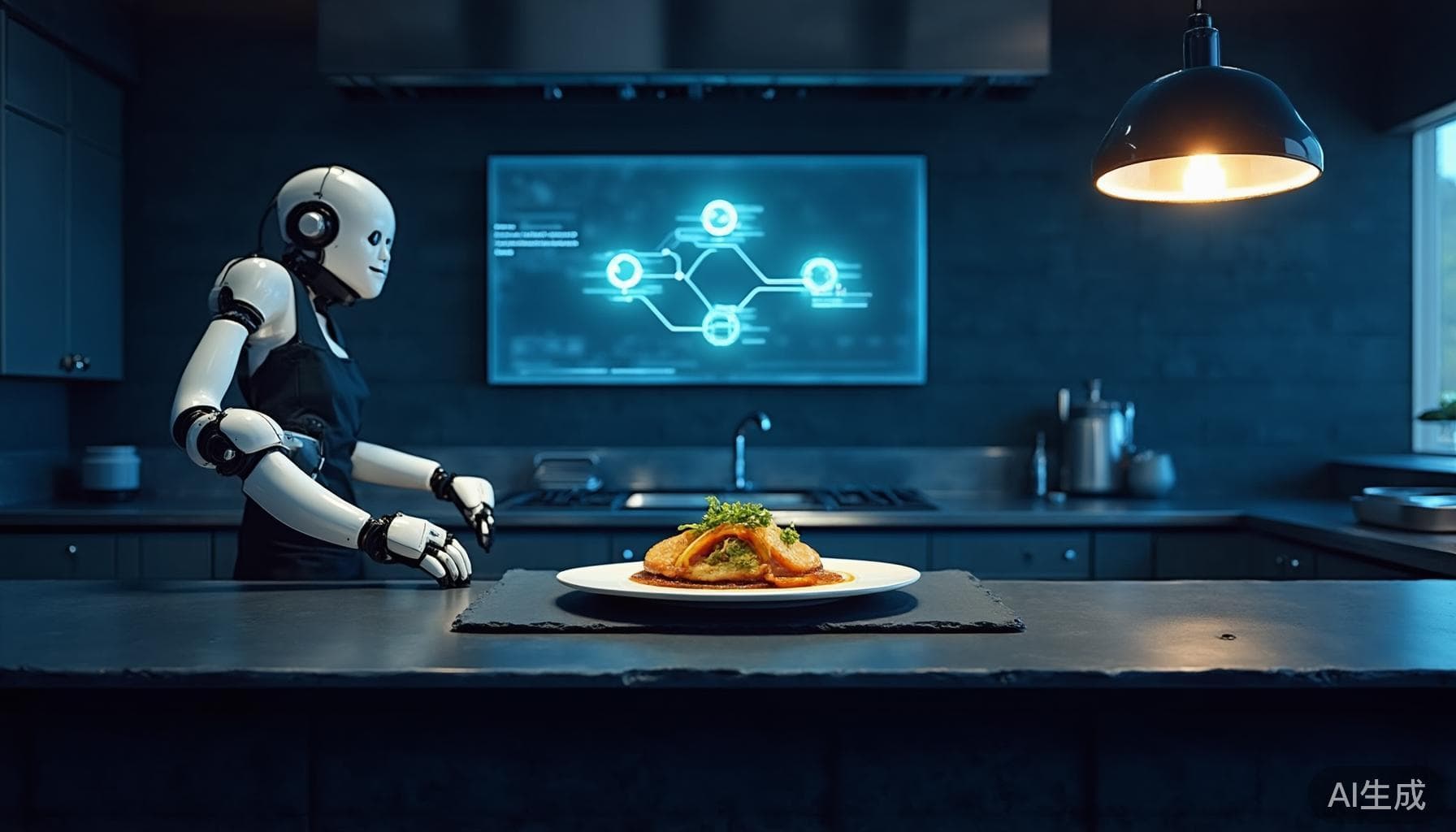
本文基于餐饮行业AI增强方案的功能规划与行业分析经验,提出餐饮企业在AI改造中必须想清楚的三个决策问题:如何从真实痛点出发做技术选型?如何确保AI方案落地而非落灰?如何衡量AI改造的投资回报?文章结合多个餐饮数字化项目的真实案例,为餐饮企业管理者提供从「跟风」到「见效」的系统性行动路线图。
2026/05/27
查看 
产品服务
元火智能系统 · 餐饮连锁智能进化方案
元火智能系统为餐饮连锁企业提供一套“数据驱动、智能决策、全链协同”的综合解决方案,通过AI赋能前厅、后厨、供应链与管理全链路,实现人效提升、损耗降低与营收增长,助力企业规模化扩张与精细化运营。
查看
Related Tags
常见问题
- How can restaurant chains achieve standardized management?
- Standardized management in restaurant chains requires unified standards across multiple dimensions, including recipe formulations, operational procedures, service norms, store decoration, and supply chains. By leveraging digital systems, a central kitchen distribution system, electronic SOPs, inspection and assessment mechanisms can be established, with automated monitoring of each store's execution to ensure consistent quality.
- What functions do intelligent systems for restaurant chains include?
- Typical intelligent systems for restaurant chains include modules such as POS cashier systems, smart scheduling, inventory management, supply chain collaboration, membership CRM, data analysis dashboards, mobile store inspections, and marketing automation. Mangxu Software's Yuanhuo Intelligent System also supports multi-level permission management, catering to the needs of headquarters, regional offices, and individual stores.
- What are the key steps for digital transformation in restaurant chain enterprises?
- Key steps include: 1) Assessing existing business processes and pain points; 2) Selecting a digital platform suitable for the company's scale and business type; 3) Implementing in phases, prioritizing core issues (such as supply chain or membership management); 4) Training employees and driving system adoption; 5) Continuously optimizing, using data feedback to iterate operational strategies.
- How does the Yuanhuo Intelligent System help restaurant chains reduce costs?
- The Yuanhuo Intelligent System reduces ingredient waste through smart demand forecasting, optimizes labor allocation with automatic scheduling, lowers procurement costs via centralized purchasing, and monitors energy consumption and waste in real time, comprehensively reducing operational costs. Additionally, the system's report analysis helps managers identify cost loopholes and make timely adjustments.