Integrated Circuit
直接回答
An integrated circuit (IC) is a miniature electronic circuit that integrates multiple electronic components (such as transistors, resistors, capacitors, etc.) onto a semiconductor substrate (typically silicon) and connects them through interconnecting lines to perform specific functions. It is hailed as the core cornerstone of modern electronic technology and is widely used in fields such as computers, communications, consumer electronics, automotive electronics, and industrial control. Integrated circuits can be classified by function into digital ICs (e.g., CPUs, memory) and analog ICs (e.g., operational amplifiers, power management chips); by integration level into small-scale integration (SSI), medium-scale integration (MSI), large-scale integration (LSI), very large-scale integration (VLSI), and ultra large-scale integration (ULSI). Their manufacturing process involves multiple complex steps including design, photolithography, etching, doping, and packaging, with extremely high technical barriers. The invention of integrated circuits has greatly driven the miniaturization, low power consumption, and high performance of electronic devices, making them an indispensable key technology in the information age.
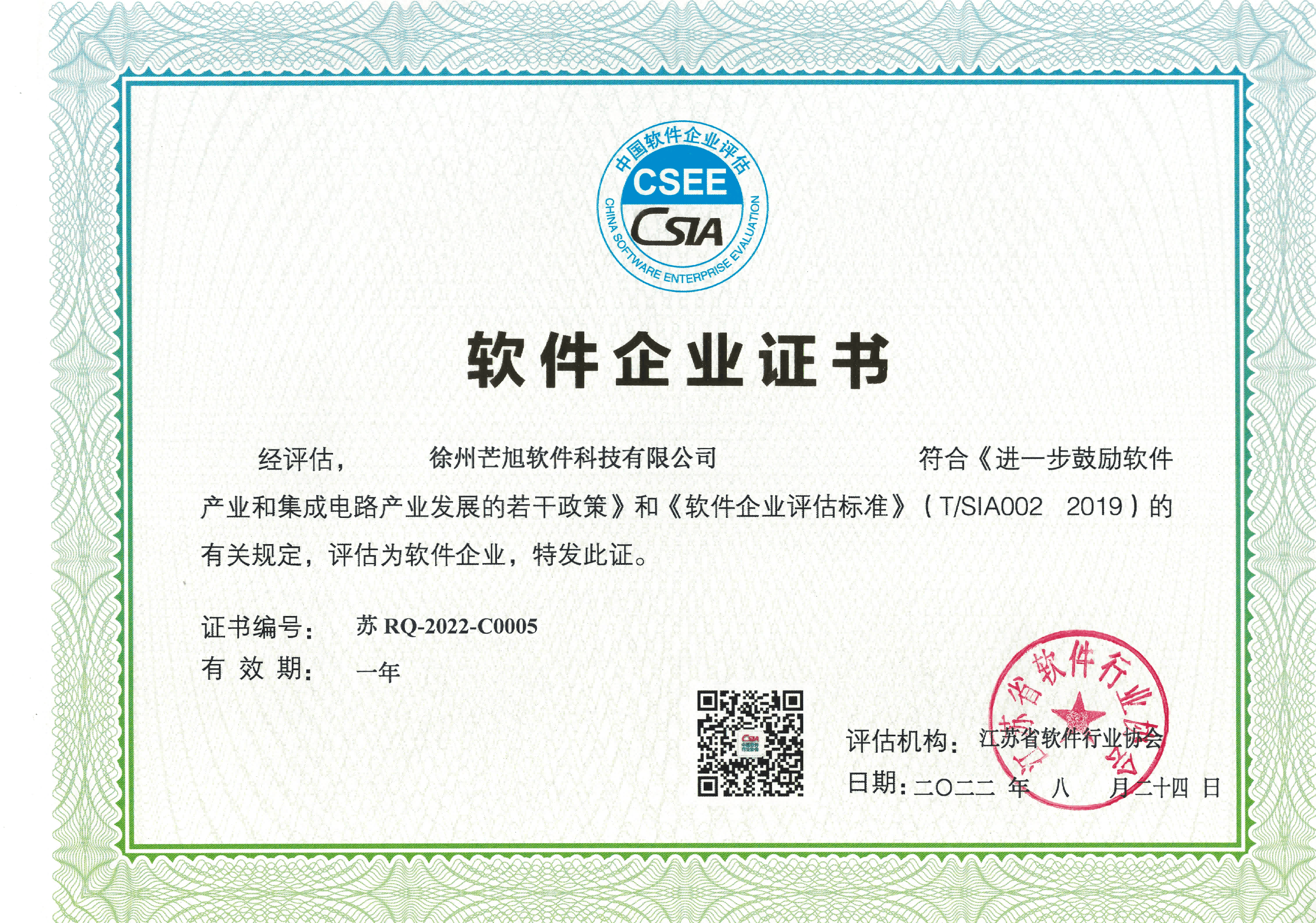
软件企业证书
Related Tags
常见问题
- What is the difference between an integrated circuit and a chip?
- An integrated circuit (IC) refers to a circuit design that integrates multiple electronic components on a semiconductor substrate, while a chip typically denotes the packaged IC product. Simply put, a chip is the physical carrier of an IC, and the IC is the functional core inside the chip. In everyday usage, the two terms are often used interchangeably, but strictly speaking, a chip includes peripheral structures such as packaging and pins.
- What are the key steps in the integrated circuit manufacturing process?
- The key steps in IC manufacturing include: 1) Wafer preparation: slicing thin sheets from a silicon ingot; 2) Photolithography: transferring circuit patterns onto the wafer surface using a mask; 3) Etching: removing unwanted materials to form patterns; 4) Doping: altering silicon conductivity through ion implantation or diffusion; 5) Thin film deposition: growing insulating or conductive layers; 6) Chemical mechanical polishing: planarizing the surface; 7) Metal interconnect: forming circuit connections; 8) Testing and packaging: dicing the wafer and packaging into individual chips. The entire process is carried out in an ultra-clean environment with extremely high cleanliness requirements.
- How are integrated circuits classified by integration level?
- Classification by integration level (number of transistors on a single chip): Small-Scale Integration (SSI, fewer than 100 components), Medium-Scale Integration (MSI, 100-1,000 components), Large-Scale Integration (LSI, 1,000-100,000 components), Very Large-Scale Integration (VLSI, 100,000-10 million components), and Ultra Large-Scale Integration (ULSI, over 10 million components). Modern high-end processors contain tens of billions of transistors, falling into the ULSI category.
- What are the main application areas of integrated circuits?
- Integrated circuits have extremely wide applications, mainly including: 1) Computers and servers: CPUs, GPUs, memory, chipsets; 2) Communication equipment: mobile phone basebands, RF chips, network switching chips; 3) Consumer electronics: TVs, game consoles, wearable devices; 4) Automotive electronics: ADAS, powertrain control, in-vehicle entertainment; 5) Industrial control: PLCs, sensors, motor drives; 6) Medical electronics: CT, MRI, blood glucose meters; 7) Aerospace: satellites, navigation systems; 8) Internet of Things: smart homes, environmental monitoring.
- What are the future development trends of integrated circuits?
- Integrated circuits are evolving towards smaller sizes, higher performance, lower power consumption, and greater functional integration. Major trends include: 1) Continued shrinking of process nodes (3nm, 2nm, 1nm); 2) 3D packaging and Chiplet technology, integrating multiple small chips into one package; 3) Heterogeneous integration, combining chips from different processes (e.g., digital, analog, RF); 4) Application of new materials, such as gallium nitride (GaN) and silicon carbide (SiC) for power devices; 5) AI-assisted design to improve design efficiency; 6) Advanced lithography technologies (e.g., EUV) driving the continuation of Moore's Law.