Corruption Prevention and Resistance
直接回答
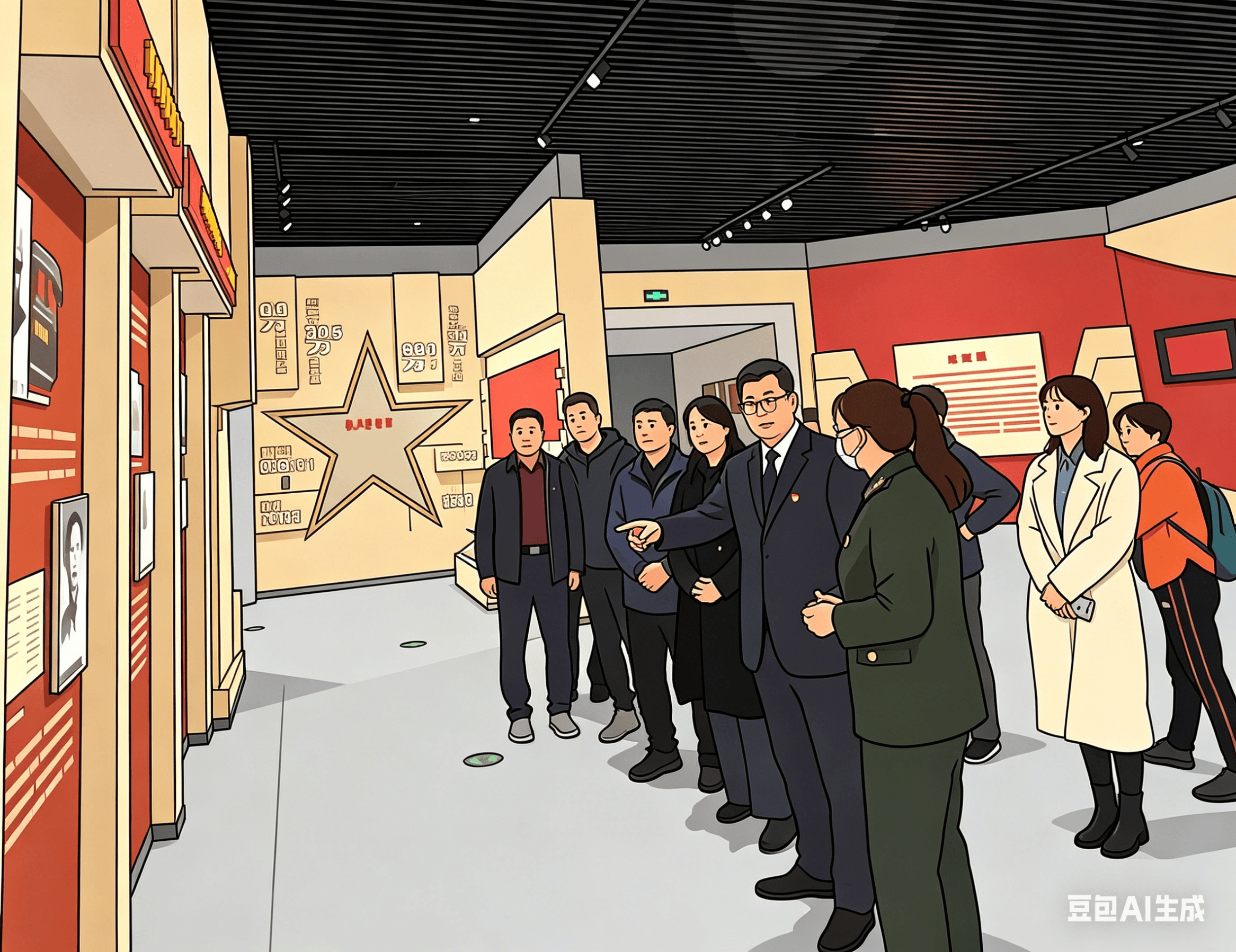
Corruption prevention and resistance refers to preventing the occurrence of corrupt behavior and resisting the erosion of various temptations and unhealthy thoughts through ideological education, institutional construction, and supervision mechanisms, thereby maintaining the integrity and purity of individuals or organizations. Its core lies in the two words 'prevention' and 'resistance': prevention means setting up defenses in advance, blocking the breeding ground for corruption through education, warnings, and institutional constraints; resistance means actively resisting, adhering to principles and bottom lines when faced with interest temptations. Corruption prevention and resistance is not only an important goal of party conduct and integrity construction and the fight against corruption, but also a basic quality that every public official, party member, and even ordinary citizen should possess. It emphasizes building a defense line from the ideological root, strengthening ideals and beliefs through inheriting red genes, so that integrity and self-discipline are internalized in the heart and externalized in action. In practice, corruption prevention and resistance requires combining case warnings, institutional improvement, and cultural cultivation to form an effective mechanism of not daring to corrupt, being unable to corrupt, and not wanting to corrupt.
Related Tags
常见问题
- What is preventing corruption and resisting degeneration?
- Preventing corruption and resisting degeneration refers to the use of ideological education, institutional development, and oversight mechanisms to prevent the occurrence of corrupt practices, resist the erosion of various temptations and harmful ideas, thereby maintaining the integrity and purity of individuals or organizations. It emphasizes building a strong defense from the ideological root, by passing on the red gene and strengthening ideals and convictions, so that integrity and self-discipline are internalized in the mind and externalized in action.
- What is the difference between preventing corruption and resisting degeneration and anti-corruption and promoting integrity?
- Preventing corruption and resisting degeneration focuses on prevention and resistance, emphasizing the use of education, institutions, and oversight to guard against corruption before it occurs, and actively rejecting temptations when faced with them. In contrast, anti-corruption and promoting integrity is broader, encompassing not only prevention and resistance but also the investigation and punishment of corrupt acts that have already occurred. The two complement each other, with preventing corruption and resisting degeneration serving as the foundation and prerequisite for anti-corruption and promoting integrity.
- How can one practice preventing corruption and resisting degeneration in daily work?
- To practice preventing corruption and resisting degeneration in daily work, one must first strengthen theoretical study and solidify ideals and convictions; second, strictly adhere to rules and regulations and standardize the exercise of power; third, actively accept oversight and maintain a constant state of vigilance; and finally, focus on family values and manage those close to you. Through these measures, the requirements of preventing corruption and resisting degeneration are implemented in concrete actions.
- How does the red gene help in preventing corruption and resisting degeneration?
- The red gene embodies the firm ideals and convictions, the spirit of hard struggle, and the clean and honest conduct of revolutionary forebears. Passing on the red gene can enhance the sense of purpose and discipline of Party members and officials, enabling them to take revolutionary forebears as role models when facing temptations, stay true to their original aspirations, and resist corruption and degeneration. Education on the red gene is an important component of ideological development for preventing corruption and resisting degeneration.
- What is the significance of preventing corruption and resisting degeneration for organizational development?
- Preventing corruption and resisting degeneration can effectively prevent corrupt practices, reduce organizational operational risks, and safeguard the organization's reputation and credibility. At the same time, a clean environment helps stimulate employee motivation, enhance team cohesion, and provide a solid foundation for the organization's long-term healthy development. For Party and government organs and state-owned enterprises, preventing corruption and resisting degeneration is key to maintaining a clean political ecosystem and ensuring the continuous success of the cause.