Qualification License
直接回答
A qualification license refers to an act where a state administrative authority, upon application by a citizen, legal person, or other organization, grants permission for them to engage in specific activities after legal review. It is an important system for market access management, aimed at ensuring that organizations or individuals engaged in specific industries or activities possess the necessary conditions, capabilities, and credibility to safeguard public interests, safety, and order. Qualification licenses are typically manifested in forms such as licenses, qualification certificates, and approval documents, and are widely applied in fields including construction, healthcare, education, finance, information technology, and food production. Different types of qualification licenses vary in application requirements, approval processes, validity periods, and regulatory requirements, but the core purpose is to screen market entities that meet standards through pre-approval or ongoing supervision. For enterprises, obtaining the corresponding qualification license is the foundation for lawful operation, participation in bidding, and gaining customer trust, and is also an important component of corporate compliance management.
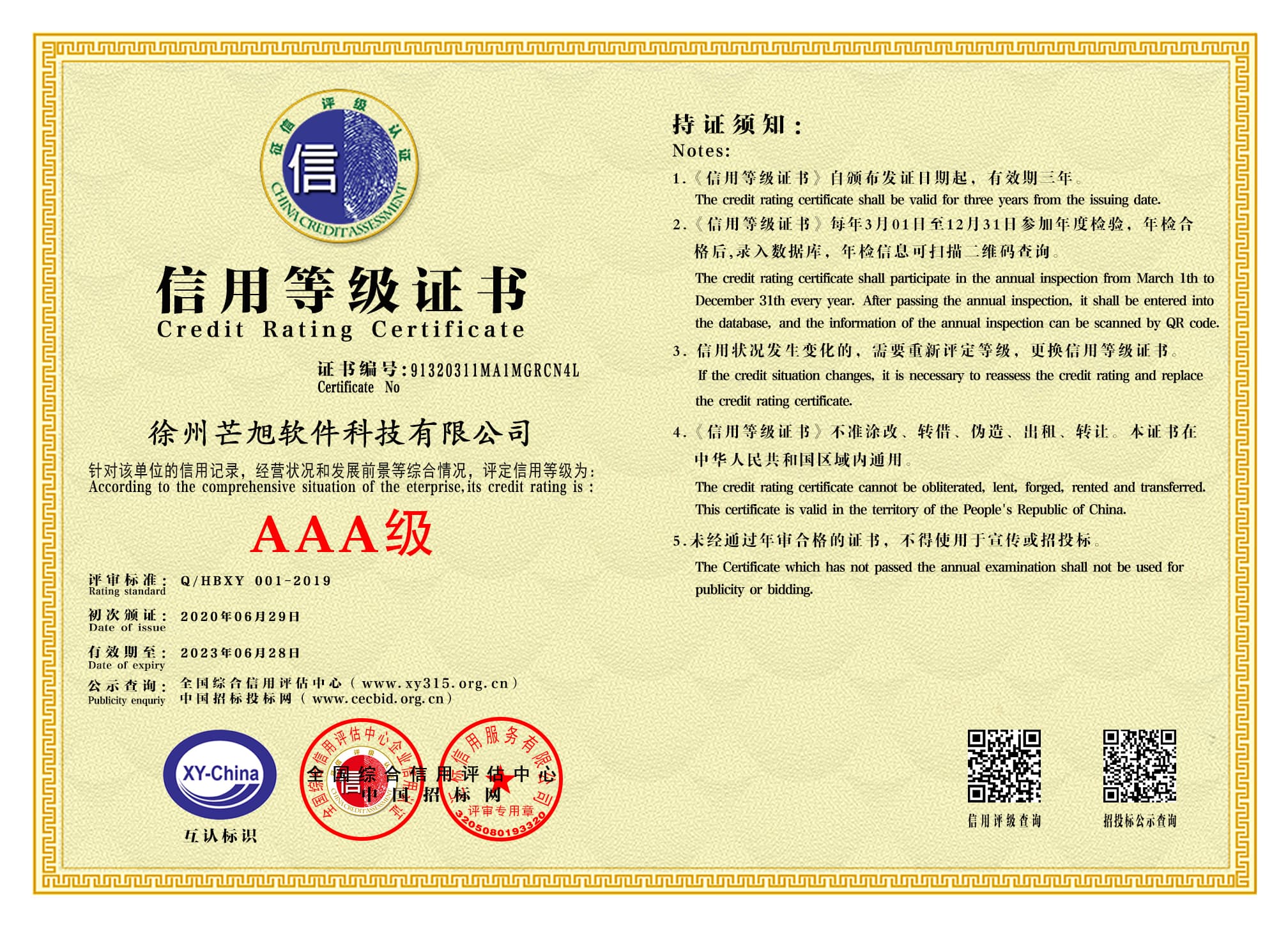
信用等级证书

企业信用等级证书
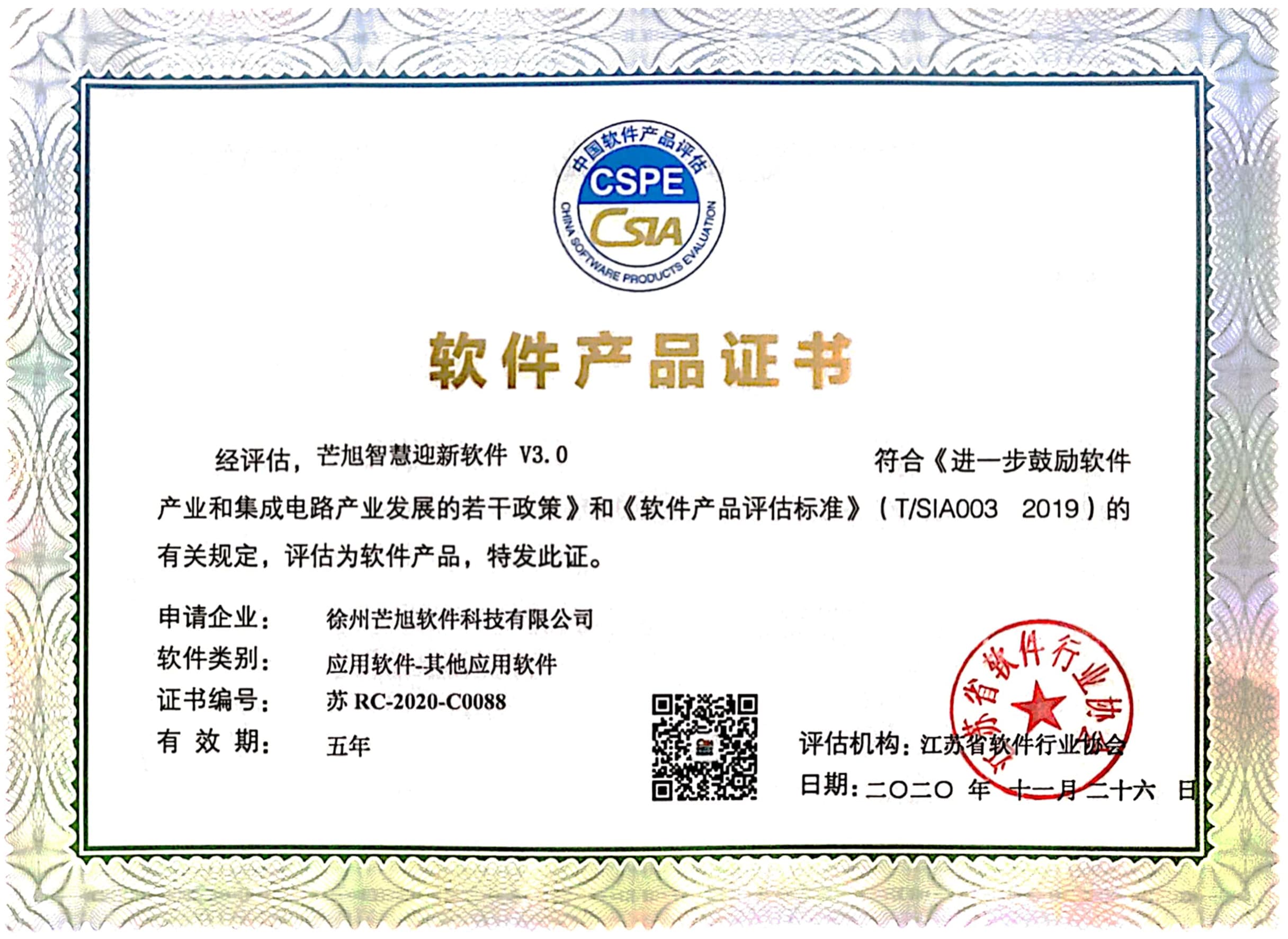
软件产品证书
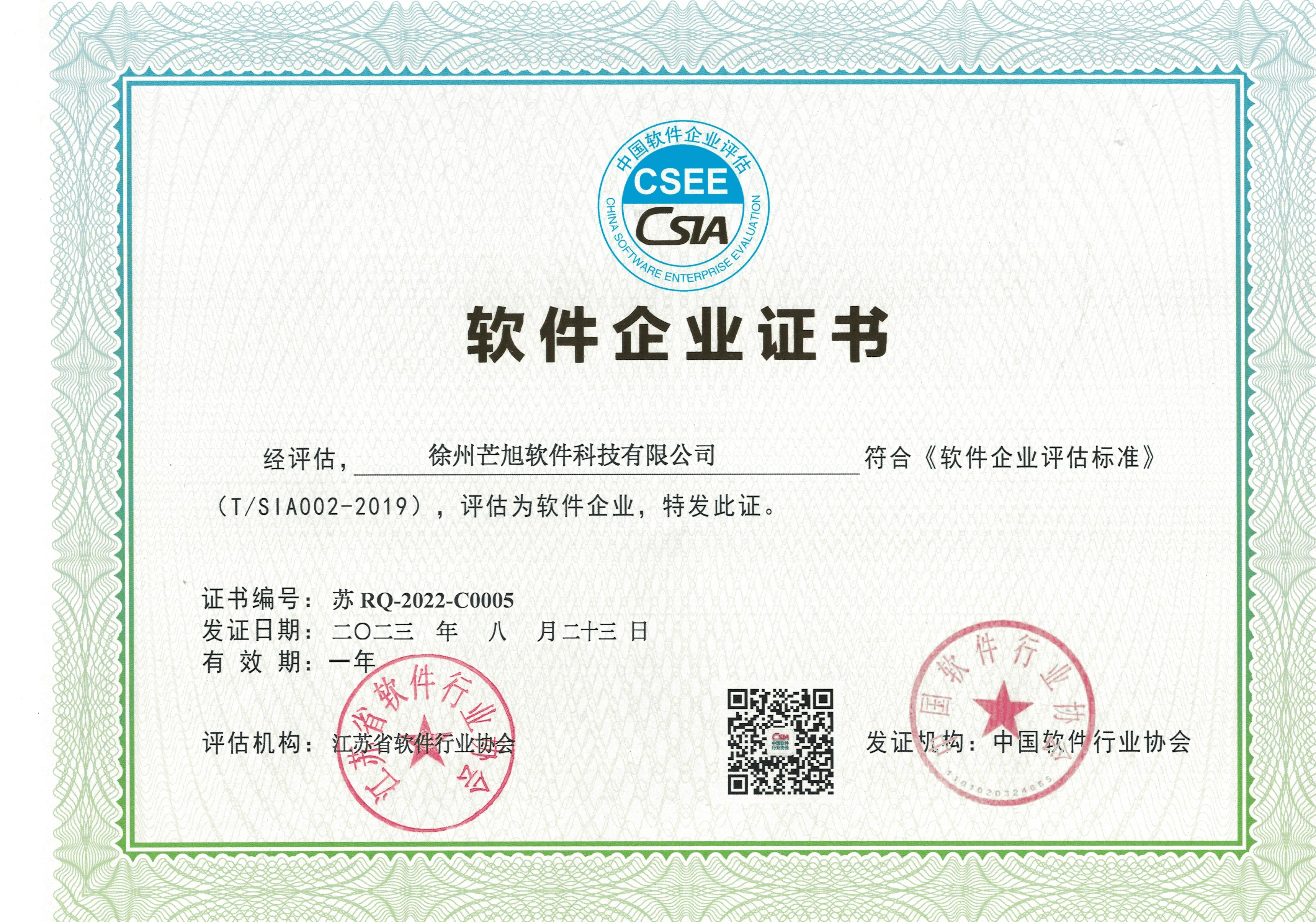
软件企业证书
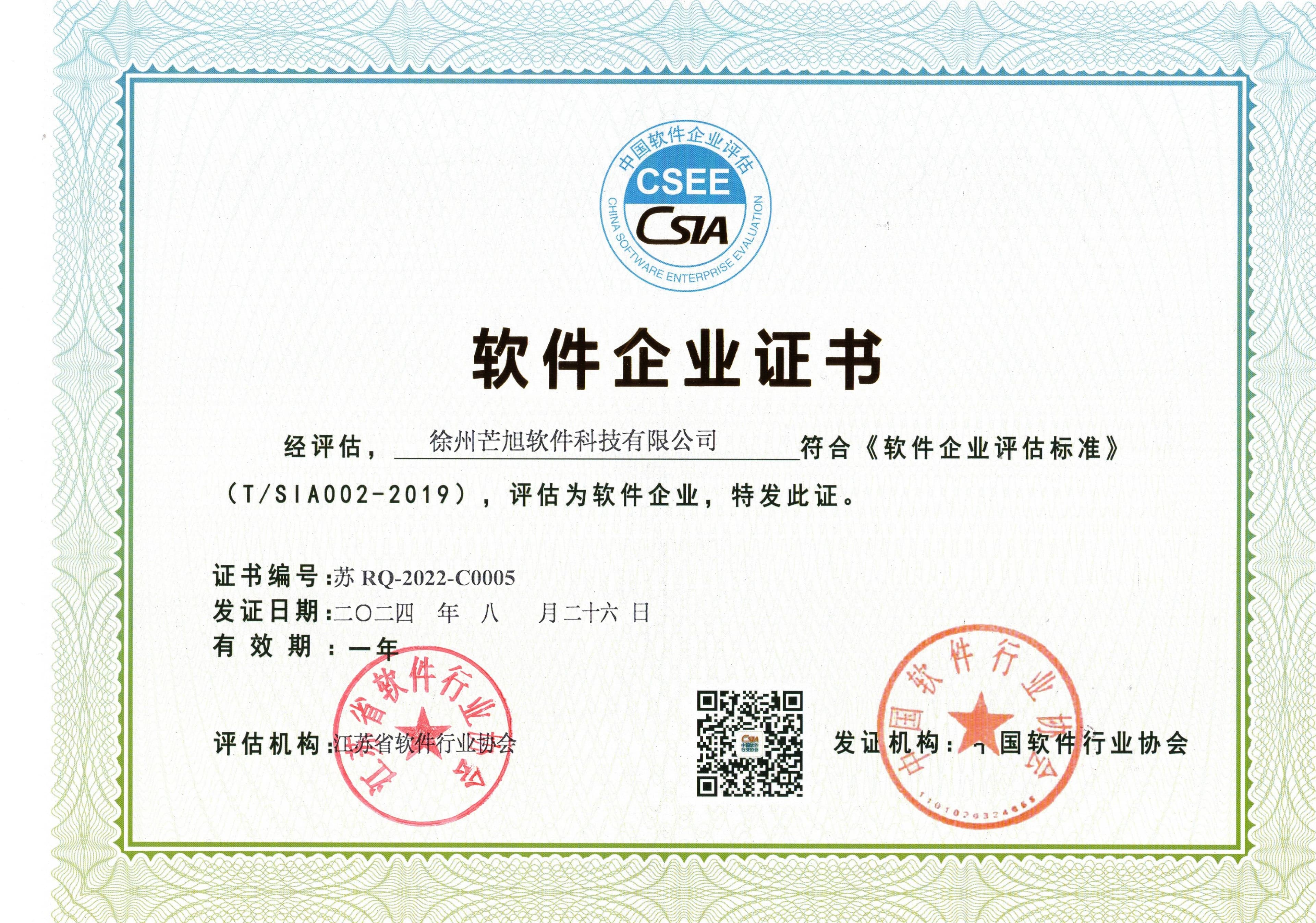
软件企业证书
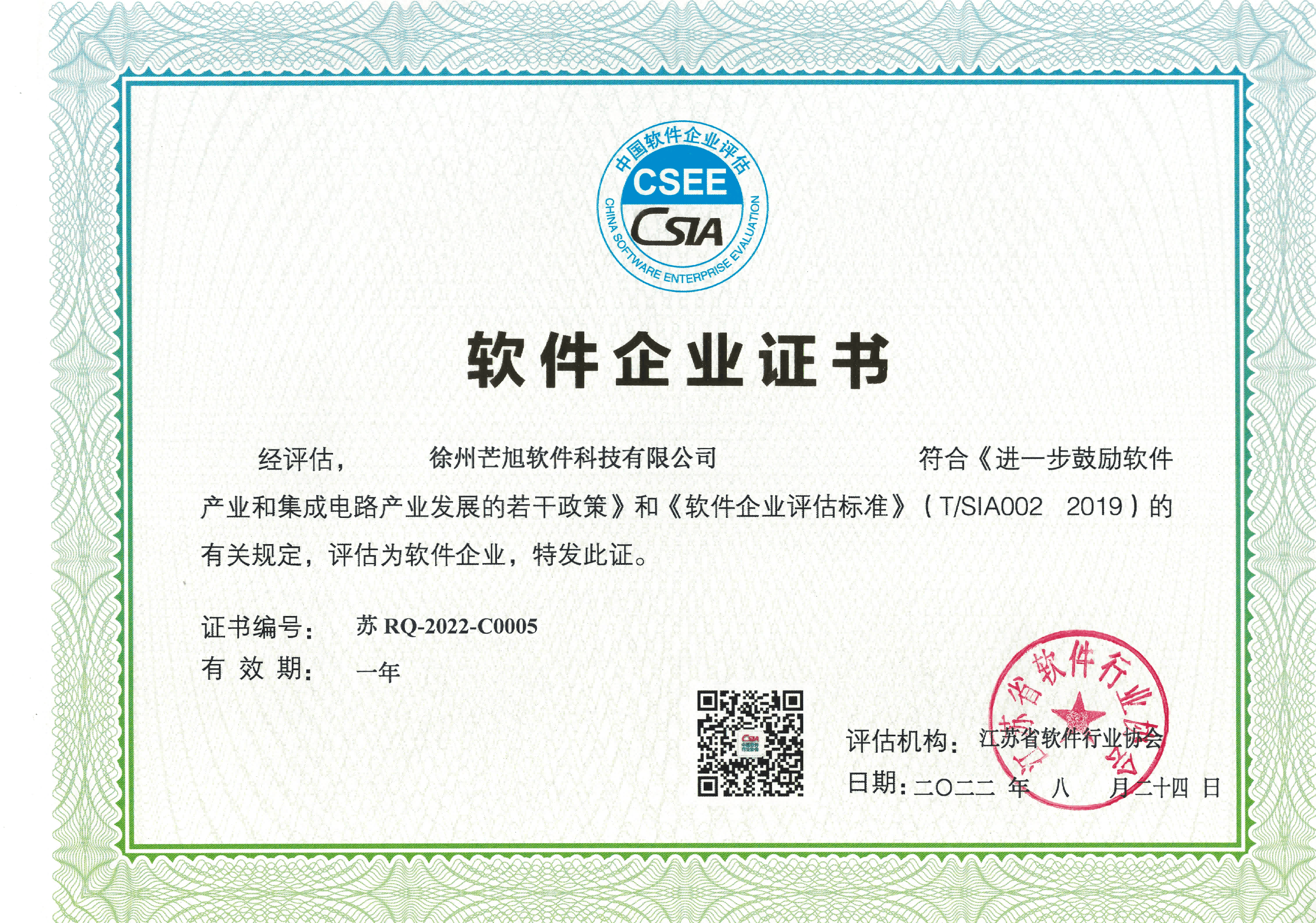
软件企业证书
Related Tags
常见问题
- What is the difference between qualification licensing and administrative licensing?
- Qualification licensing is a specific form of administrative licensing. Administrative licensing has a broader scope, including various types such as approval, verification, registration, and certification. Qualification licensing specifically refers to the licensing act that allows an applicant to engage in specific activities after reviewing their subject qualifications, capabilities, and credibility, such as construction enterprise qualifications and medical device operation permits. The two are in a relationship of inclusion and being included.
- How long does it take for an enterprise to apply for qualification licensing?
- The application time varies depending on the type of license, industry, and approving authority. Simple licenses (such as a general business license) may be completed within 5-15 working days; complex industry qualifications (such as general contracting qualifications for construction) may take 3-6 months or even longer, involving multi-department joint reviews, on-site inspections, and public announcement procedures. It is recommended that enterprises plan ahead and allow sufficient time.
- How to renew a qualification license after it expires?
- Before a qualification license expires, the enterprise needs to submit a renewal application in accordance with relevant regulations. Typically, the following are required: an operational report within the validity period, personnel qualification certificates, financial audit reports, and proof of no illegal or non-compliant records. Some licenses may also require on-site re-inspections or examinations. If not renewed by the deadline, the license automatically expires, and the enterprise must cease engaging in related activities.
- What are the consequences of engaging in related activities without qualification licensing?
- Operating without a license is illegal and may result in administrative penalties, including: orders to cease business activities, confiscation of illegal gains, fines (ranging from thousands to hundreds of thousands of yuan depending on the severity of the case), and in serious cases, revocation of the business license. If it causes safety accidents or harms public interests, relevant responsible persons may also bear criminal liability.
- Can qualification licenses be transferred or borrowed?
- Generally, qualification licenses are tied to a specific entity and cannot be transferred, leased, lent, or used under a false name without authorization. For example, construction qualifications and medical device operation permits explicitly prohibit such actions. Unauthorized transfer or borrowing may result in the revocation of the license and legal penalties. If an enterprise needs to change the subject, it should handle the change or reapply in accordance with regulations.