Device Integration
直接回答
Device integration refers to the process of integrating physical devices from different manufacturers, with different protocols and functions (such as sensors, controllers, actuators, smart terminals, etc.) into a collaborative system through unified interfaces, protocol conversion, and data standardization, enabling interconnection, data sharing, and unified management among devices. Its core includes hardware interface adaptation, communication protocol conversion (such as Modbus, MQTT, OPC UA, etc.), driver development, and data middle platform construction. In the context of Industry 4.0 and the Internet of Things, device integration is a foundational element for building solutions such as smart factories, smart parks, and energy management. Mangxu Software's IoT device integration and driver development services cover the entire process from device selection, protocol analysis, driver customization to system commissioning, ensuring stable operation of heterogeneous devices in complex environments, and supporting cloud or on-premises deployment, helping enterprises break down data silos and improve operational efficiency.
文章
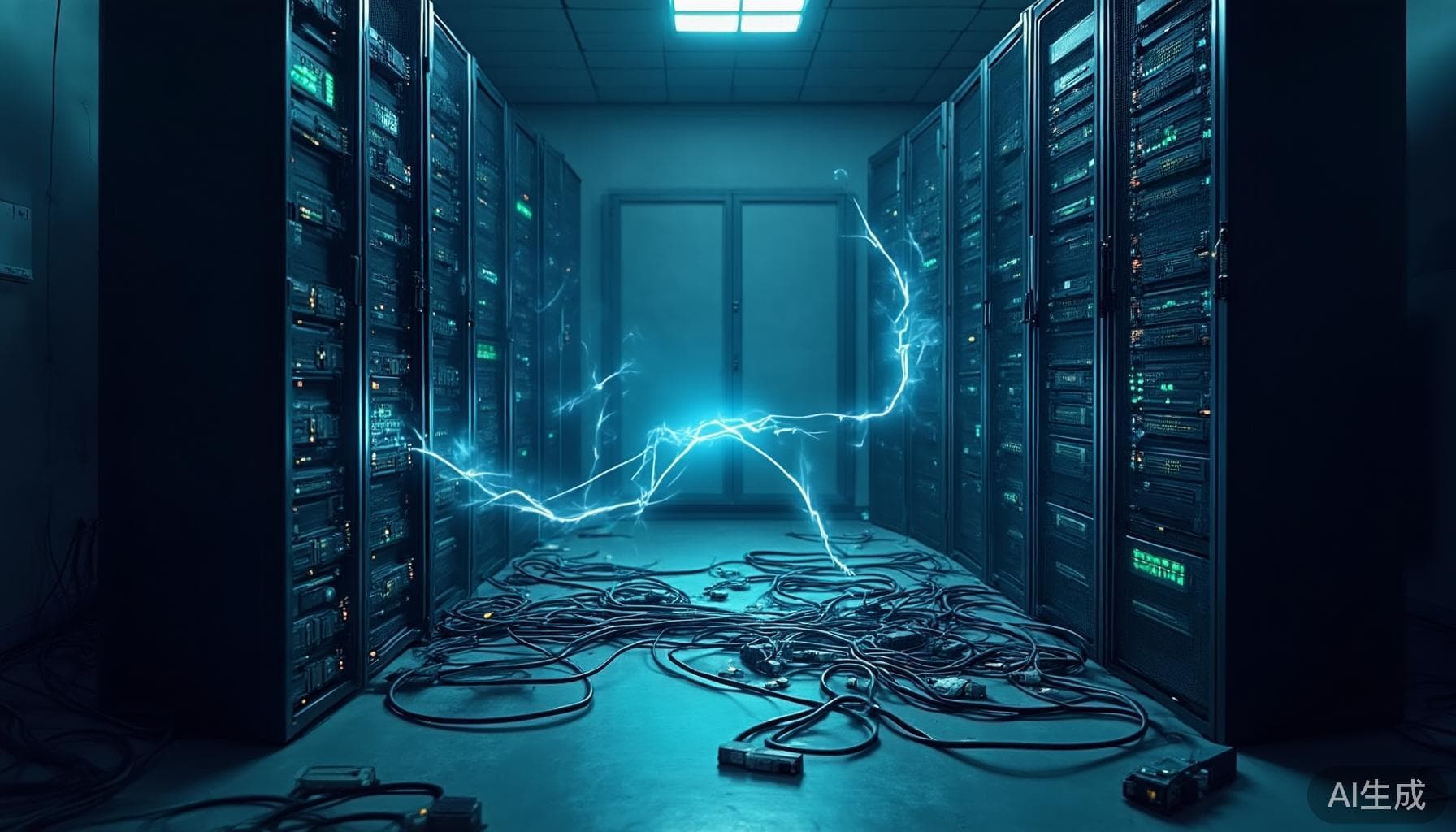
从设备到数据:物联网集成项目中常见的5个坑与应对策略
本文基于超过200种设备的驱动开发实践和多个行业客户的真实案例,梳理了物联网设备集成与驱动开发中最常见的5个"坑":协议不统一、数据失真、系统孤岛、交付黑洞、运维噩梦。每个问题都配有经过验证的应对策略,并提供了选择靠谱集成服务商的四个评估维度。文章引用了可量化的SLA承诺和水利行业真实案例数据,为物联网项目经理和集成工程师提供实操指南。
2026/05/14
查看 
产品服务
物联设备集成与驱动开发
提供从设备驱动开发到系统集成的全流程技术服务,解决物联网设备接入难题。交付物明确、流程标准化、承诺可量化,帮助客户快速、稳定地实现设备数据统一纳管。
查看
Related Tags
常见问题
- What is the difference between device integration and system integration?
- Device integration is a subset of system integration, focusing on interconnectivity at the physical device level, including hardware interfaces, communication protocols, and driver development. System integration has a broader scope, encompassing software, network, data, and application-level integration. Device integration serves as the foundational step of system integration.
- What are the common communication protocols in device integration?
- Common protocols include Modbus (industrial serial communication), MQTT (lightweight IoT messaging protocol), OPC UA (unified architecture supporting secure cross-platform communication), BACnet (building automation), PROFINET (industrial Ethernet), and HTTP/HTTPS. Protocol selection should consider device compatibility, real-time requirements, and network environment.
- What are the main challenges of device integration?
- Key challenges include: 1) Inconsistent protocols among heterogeneous devices, requiring protocol conversion; 2) Closed interfaces from device manufacturers lacking standardized documentation; 3) High demands for real-time performance and data consistency; 4) Security risks (e.g., unencrypted communication); 5) Network topology optimization in large-scale device deployments. Professional integration services can effectively address these challenges.
- How to evaluate the quality of a device integration solution?
- Evaluation criteria include: 1) Compatibility: support for mainstream protocols and multiple device brands; 2) Stability: communication reliability over extended operation; 3) Scalability: ease of integrating new devices; 4) Security: support for encryption, authentication, and access control; 5) Maintenance costs: convenience of driver updates and troubleshooting. It is recommended to choose service providers with proven cases and customization capabilities.
- What advantages does Mangxu Software have in device integration?
- Mangxu Software has extensive experience in IoT device integration and driver development, offering full-process services from requirements analysis, protocol parsing, and driver customization to system commissioning. The team is proficient in mainstream industrial protocols, supports cloud and on-premises deployment, and emphasizes security and scalability, having successfully served multiple smart manufacturing and smart park projects.