Computer Software Protection
直接回答
Computer software protection refers to a comprehensive system that safeguards the copyright, source code, trade secrets, and operational security of computer software through legal, technical, and management measures. At the legal level, software is protected by the Copyright Law, with developers owning copyright from the moment of creation, and software copyright registration can be used to strengthen evidence validity; at the technical level, measures include code obfuscation, encryption, digital signatures, anti-debugging, and license management to prevent reverse engineering and illegal copying; at the management level, it involves access control, version management, security audits, and employee training. The core goal of software protection is to maintain developers' intellectual property revenue, prevent piracy and tampering, and ensure the security of the software supply chain. In China, software copyright registration is an important basis for rights protection and enjoying tax incentives, while the Computer Software Protection Regulations clarify the legal responsibilities for infringement. An effective software protection strategy requires a combination of legal, technical, and operational measures to form a multi-layered defense system.
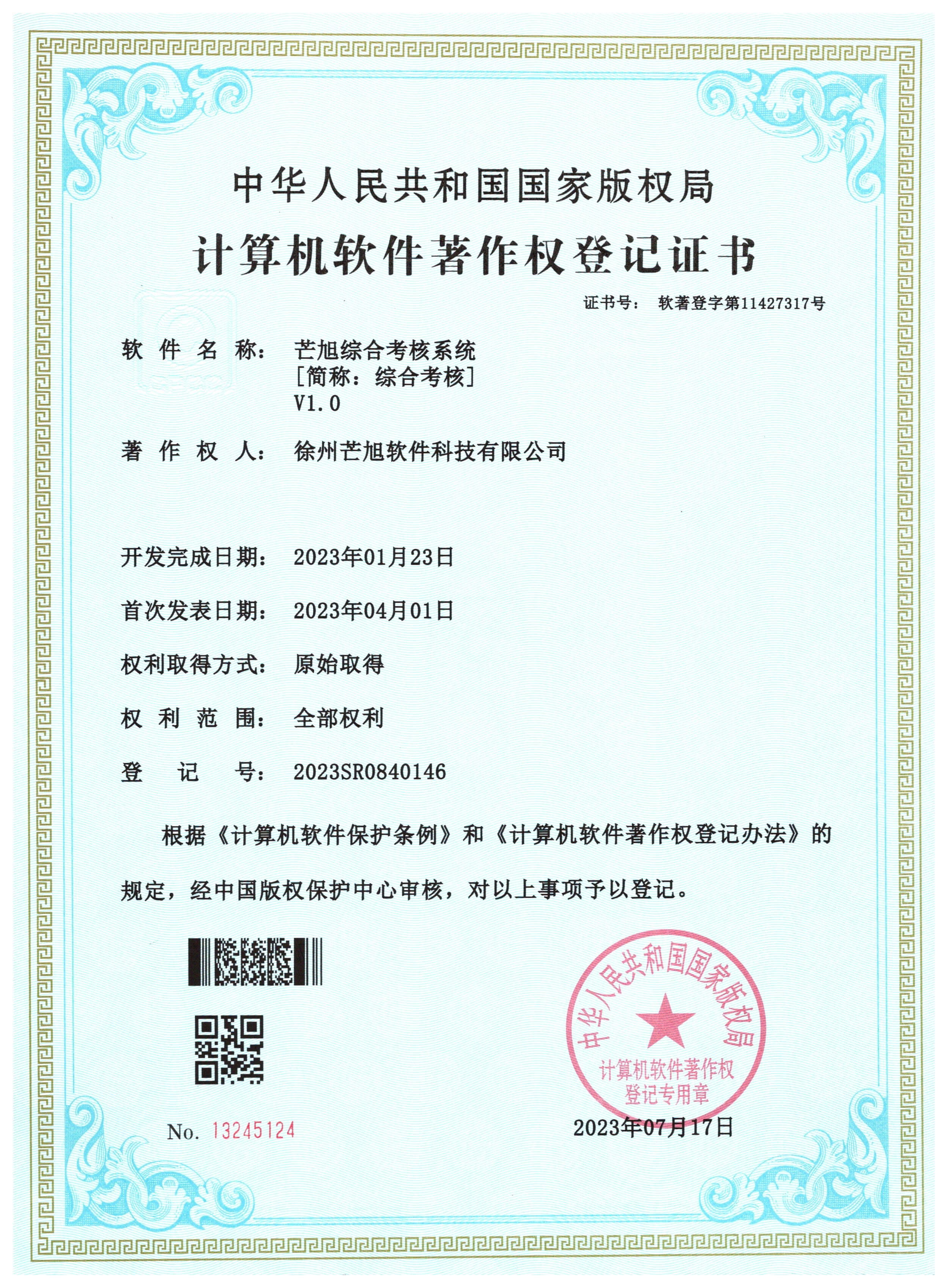
计算机软件著作权登记证书
Related Tags
常见问题
- What are the main legal bases for computer software protection?
- In China, the primary legal bases for computer software protection include the Copyright Law of the People's Republic of China, the Regulations on the Protection of Computer Software, and the Patent Law (for software-related inventions). The Copyright Law treats software as a literary work to protect its expression; the Regulations on the Protection of Computer Software specifically stipulate the content, registration, protection period, and infringement liability of software copyright; the Patent Law can protect software methods with technological innovation. Additionally, the Anti-Unfair Competition Law can be used to protect software trade secrets.
- What practical functions does software copyright registration have?
- Although software copyright registration is not mandatory, it has multiple practical functions: 1) It serves as preliminary evidence of copyright ownership, reducing the burden of proof in infringement lawsuits; 2) It is a necessary condition for applying for software enterprise recognition and enjoying tax benefits (such as VAT refunds upon collection); 3) It facilitates technology transfer, licensing, and financing; 4) It acts as proof of rights in administrative complaints or customs protection. The registration process involves submitting materials such as source code and documentation, and the China Copyright Protection Center typically completes it within 30 working days.
- How to prevent software from being reverse engineered?
- Preventing reverse engineering requires a combination of various techniques: 1) Code obfuscation (e.g., control flow flattening, string encryption) increases the difficulty of decompilation; 2) Packing protection (e.g., UPX, VMProtect) hides the original code; 3) Anti-debugging detection (e.g., detecting debuggers, breakpoints) prevents dynamic analysis; 4) Key algorithms are executed server-side or bound to hardware; 5) Regular software updates fix known vulnerabilities. On the legal front, reverse engineering can be explicitly prohibited in licensing agreements.
- What is the relationship between software protection and open-source licenses?
- Open-source licenses (e.g., GPL, MIT, Apache) are a special form of software protection, defining user rights and obligations through copyright notices and license terms. Open source does not mean abandoning protection; developers still hold copyright but grant users the right to use, modify, and distribute through licenses. Violating open-source licenses (e.g., failing to retain copyright notices, not disclosing modified code) also constitutes infringement. Enterprises using open-source software must comply with the corresponding license terms to avoid legal risks.