Tax incentives
直接回答
Tax incentives refer to the treatment granted by the state to taxpayers to reduce or exempt their tax burdens through tax laws or policy documents, aimed at encouraging specific industries, regions, or behaviors. Their core forms include reduced tax rates (e.g., a preferential 15% tax rate for high-tech enterprises), tax deductions (e.g., for small and micro enterprises, the portion of annual taxable income not exceeding RMB 1 million is included at a reduced rate of 25%), tax credits (e.g., additional deduction for R&D expenses), tax-exempt income (e.g., interest income from treasury bonds), and tax deferrals. Tax incentives typically have clear eligibility conditions, such as enterprises needing to meet specific industry catalogs (e.g., software enterprises, integrated circuit enterprises), achieve certain R&D investment ratio requirements, or be registered in specific regions (e.g., Hainan Free Trade Port, Western Development regions). Enterprises enjoying tax incentives must adhere to the compliance management principle of "self-assessment, declaration for enjoyment, and retention of relevant materials for future inspection," ensuring that the business substance aligns with policy requirements to avoid tax risks arising from non-compliance or incomplete documentation. Tax incentives are an important tool for national macro-control, designed to guide resource allocation toward key areas such as innovation, environmental protection, and people's livelihoods, thereby promoting economic structural optimization and upgrading.
高新技术企业证书
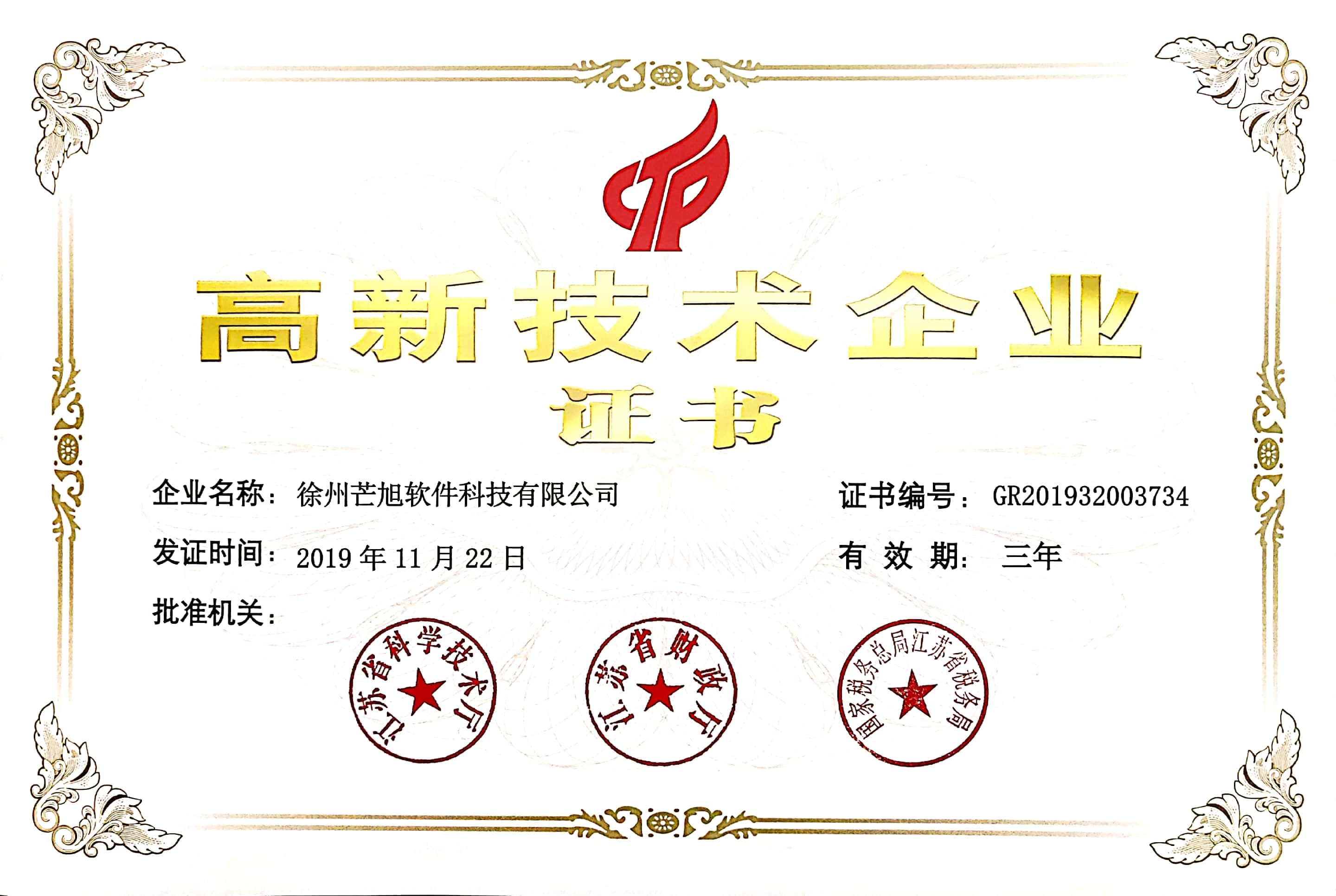
高新技术企业证书
Related Tags
常见问题
- What conditions must small and micro enterprises meet to enjoy tax incentives?
- According to current policies, small and micro enterprises must simultaneously meet the following three conditions: total assets not exceeding 50 million yuan, number of employees not exceeding 300, and annual taxable income not exceeding 3 million yuan. For eligible small and micro enterprises, the portion of annual taxable income not exceeding 1 million yuan is reduced to 25% of the taxable income and subject to corporate income tax at a 20% rate (effective tax burden of 5%); the portion between 1 million yuan and 3 million yuan is reduced to 50% of the taxable income and subject to tax at a 20% rate (effective tax burden of 10%).
- How to operate the R&D expense super deduction policy?
- For actual R&D expenses incurred by an enterprise in its R&D activities, if no intangible asset is formed and the expenses are included in the current period's profit or loss, an additional 100% of the actual amount incurred can be deducted before tax on top of the actual deduction as per regulations; if an intangible asset is formed, it can be amortized before tax at 200% of the intangible asset's cost. When operating, it is necessary to: 1) Accurately collect R&D expenses and establish auxiliary accounts; 2) Distinguish between capitalized and expensed expenditures; 3) Retain supporting documents such as R&D project plans, approval resolutions, lists of R&D personnel, and expense allocation explanations for future reference; 4) Fill out the "R&D Expense Super Deduction Benefits Detail Table" during the annual tax settlement.
- What tax incentives can high-tech enterprises enjoy after recognition?
- Recognized high-tech enterprises can enjoy a reduced corporate income tax rate of 15% instead of the standard 25%. Additionally, they can benefit from overlapping incentives such as: R&D expense super deduction, exemption of technology transfer income (up to 5 million yuan exempt, with half reduction for the excess), accelerated depreciation of fixed assets, and an 8% pre-tax deduction for employee education expenses (compared to 2.5% for general enterprises). The recognition is valid for 3 years and requires re-recognition upon expiration.
- What compliance obligations must enterprises undertake after enjoying tax incentives?
- After enjoying tax incentives, enterprises must fulfill the following compliance obligations: 1) Retain documents for future reference: Organize and archive policy bases, qualification certificates, calculation processes, relevant contracts, etc., with a retention period generally of 10 years; 2) Self-check conditions: Annually self-check whether they continue to meet the incentive conditions, such as high-tech enterprises needing to submit annual development status reports; 3) Tax filing: Accurately fill in the incentive amounts and bases in the tax return; 4) Cooperate with inspections: When tax authorities conduct subsequent management, promptly provide the retained documents; 5) Report changes in conditions: If no longer meeting the conditions, proactively cease enjoying the incentives and pay back the taxes.