Technology-based Enterprise
直接回答
A technology-based enterprise is an economic entity primarily composed of scientific and technical personnel, mainly engaged in the research, development, production, and sales of high-tech products, as well as technical services and achievement transformation. Such enterprises typically feature high investment, high risk, and high returns, serving as a core force driving technological innovation and industrial upgrading. Core characteristics of technology-based enterprises include: 1) A high proportion of R&D investment, usually allocating over 5% of annual revenue to technological R&D; 2) Ownership of independent intellectual property rights, such as patents and software copyrights; 3) A high proportion of scientific and technical personnel in the total workforce, generally no less than 30%; 4) Products and services with high technological content and added value. In China, technology-based enterprises can obtain tax incentives and financial support through policies such as the evaluation of technology-based small and medium-sized enterprises and the recognition of high-tech enterprises. Technology-based enterprises cover multiple fields including electronic information, biomedicine, new materials, new energy, and intelligent manufacturing, serving as a vital pillar in the digital economy era.
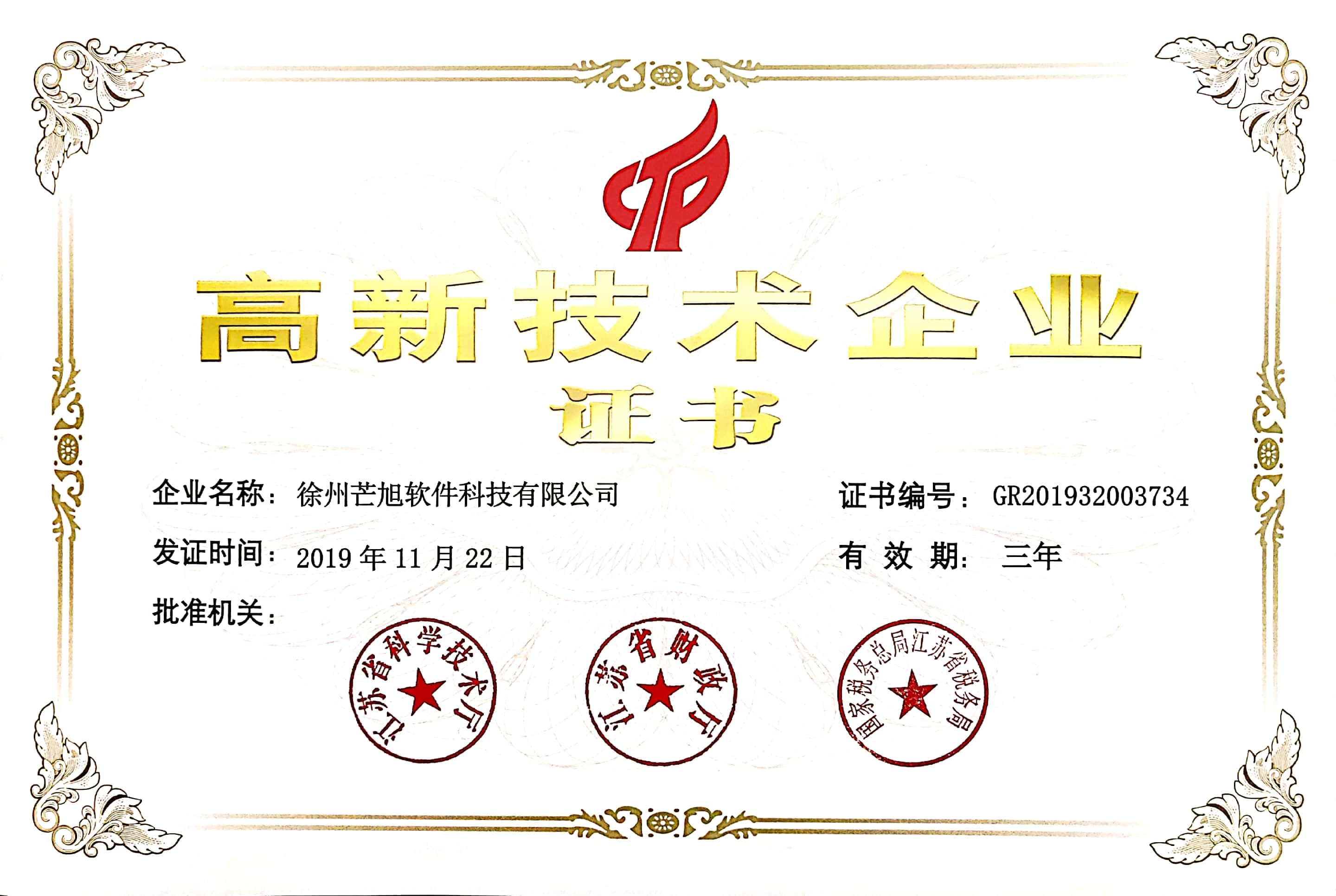
高新技术企业证书
Related Tags
常见问题
- What is the difference between a technology-based enterprise and a high-tech enterprise?
- A technology-based enterprise is a broader concept, generally referring to all enterprises that take technology as their core competitiveness. A high-tech enterprise is a specific type of technology-based enterprise that must pass national or local high-tech enterprise certification, meeting strict standards for R&D investment, intellectual property, and the proportion of scientific and technical personnel. Simply put, all high-tech enterprises are technology-based enterprises, but not all technology-based enterprises can be certified as high-tech enterprises.
- How to certify whether an enterprise is a technology-based enterprise?
- Certifying an enterprise as a technology-based enterprise typically follows these criteria: 1) The enterprise is engaged in the R&D, production, or technical services of high-tech products; 2) Scientific and technical personnel account for no less than 30% of the total employees; 3) R&D investment accounts for no less than 5% of sales revenue; 4) The enterprise owns at least one independent intellectual property right (patent, software copyright, etc.). In China, enterprises can self-assess and register through the evaluation system for small and medium-sized technology-based enterprises, or apply for high-tech enterprise certification.
- What policy benefits can technology-based enterprises enjoy?
- Policy benefits available to technology-based enterprises include: 1) Corporate income tax reduction (high-tech enterprises taxed at a 15% rate); 2) Additional deduction for R&D expenses (up to 100%); 3) Financial subsidies and special fund support; 4) Priority access to financing support such as technology loans and venture capital; 5) Preferential policies for talent introduction and household registration; 6) Priority in government procurement. Specific policies vary by region and certification type.
- What are the main risks faced by technology-based enterprises?
- The main risks faced by technology-based enterprises include: 1) Technical risk: Rapid technological iteration, high risk of R&D failure or technology being replaced; 2) Market risk: Uncertain market acceptance of new products, intense competition; 3) Financial risk: Large R&D investment, long return cycles, financing difficulties; 4) Talent risk: Loss of core technical talent or recruitment difficulties; 5) Intellectual property risk: Patent infringement or being infringed upon. Enterprises need to address these through diversified financing, intellectual property layout, and talent incentives.
- How can technology-based enterprises enhance their core competitiveness?
- Key pathways for technology-based enterprises to enhance core competitiveness include: 1) Continuously increasing R&D investment to maintain technological leadership; 2) Building a comprehensive intellectual property system to create technical barriers; 3) Recruiting and cultivating high-end technical talent to establish innovative teams; 4) Strengthening industry-university-research cooperation with universities and research institutions; 5) Monitoring market trends and quickly responding to customer needs; 6) Optimizing management processes to improve operational efficiency.