Certificate of Registration
直接回答
A registration certificate is a legally binding written document issued by a statutory registration authority to a right holder after lawfully recording and confirming specific rights or facts. It serves as an official proof of the ownership and status of rights and is widely used in areas such as real estate, movable property, intellectual property, and corporate equity. The most common types of registration certificates include: 1. **Real Estate Registration Certificate**: This certifies the ownership, mortgage, easement, and other rights over real estate such as houses and land, serving as the statutory method of publicizing changes in property rights. 2. **Mortgage Registration Certificate**: This confirms the establishment of a mortgage, ensuring that the creditor has a priority right to be compensated from the mortgaged property if the debtor fails to fulfill their obligations. 3. **Other Types**: Examples include trademark registration certificates, patent certificates, and corporate equity registration certificates. The core legal effect of a registration certificate lies in the principle of publicity and public trust—rights registered are enforceable against third parties, and the rights acquired by a bona fide third party relying on the registry records are protected by law. To obtain a registration certificate, applicants typically need to submit application materials, undergo review by the registration authority, and receive the certificate after the records are entered into the registry. Registration certificates are not only the basis for right holders to exercise their rights but also an important safeguard for transaction security and social credit.
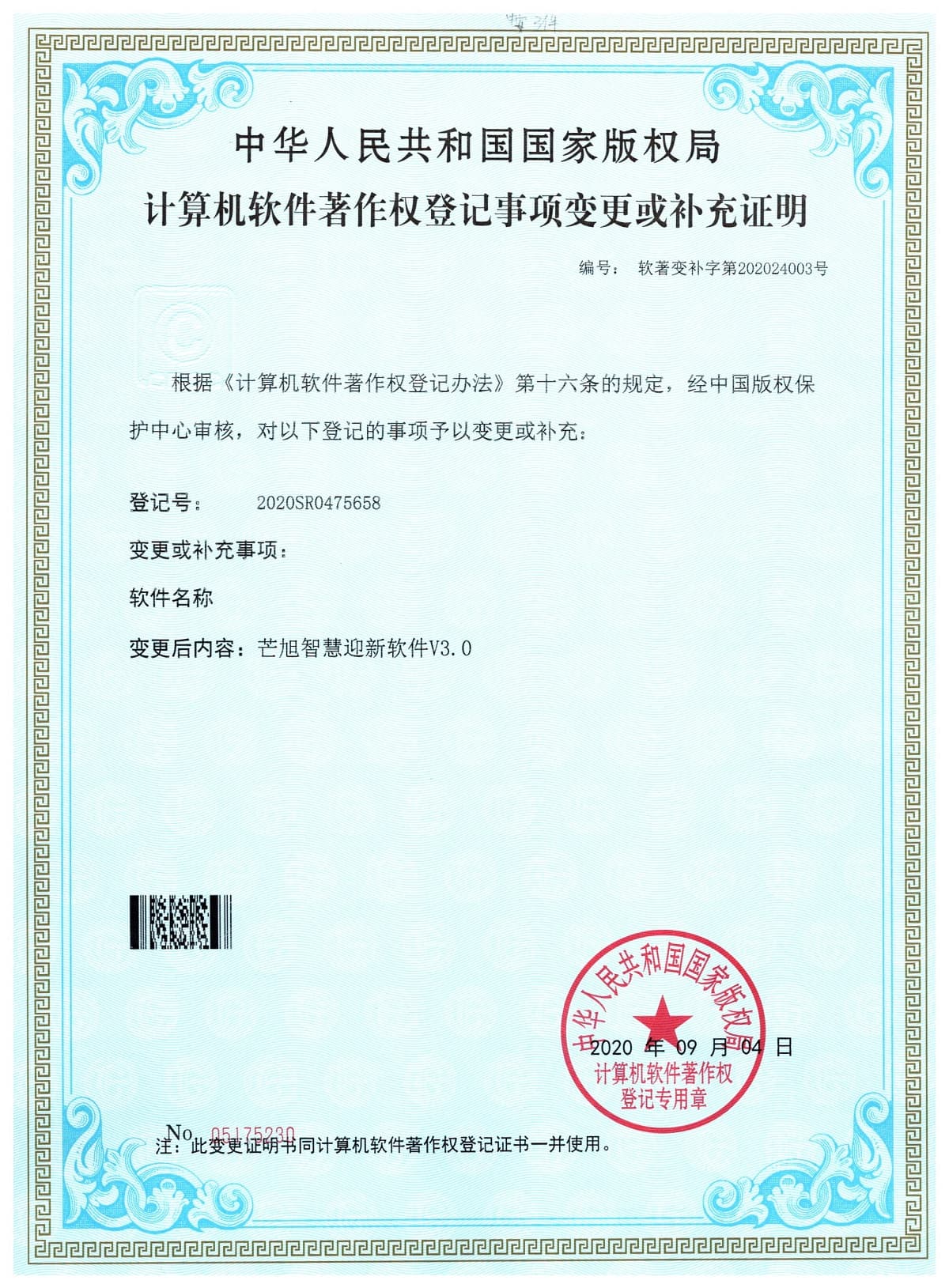
计算机软件著作权登记事项变更或补充证明
Related Tags
常见问题
- What is the difference between a registration certificate and a property title certificate?
- A registration certificate is a broad concept referring to all rights certificates issued by statutory registration authorities. A property title certificate (such as a real estate ownership certificate) is a specific form of registration certificate, specifically used to prove ownership of real estate. In simple terms, a property title certificate is the application of a registration certificate in the field of real estate ownership. Other types of registration certificates include mortgage registration certificates, trademark registration certificates, etc.
- What should I do if my registration certificate is lost?
- If a registration certificate is lost, the right holder should promptly apply for a reissue from the original registration authority. The typical process includes: 1. Publishing a loss announcement in designated media (such as local newspapers or the registration authority's official website); 2. Submitting a reissue application, identity proof, loss announcement, and other materials; 3. After review by the registration authority, recording the reissue in the register and issuing a new registration certificate. The reissued certificate has the same legal effect as the original.
- How strong is the legal effect of a registration certificate?
- A registration certificate carries strong legal effect, mainly reflected in: 1. Presumptive effect: The right holder recorded in the register is presumed to be the true right holder unless contrary evidence is provided; 2. Public trust effect: Rights acquired by a bona fide third party relying on the register are protected by law, even if the registration contains errors; 3. Opposability effect: Registered rights can be asserted against third parties, while unregistered rights cannot be asserted against bona fide third parties. Therefore, the registration certificate is an important tool for ensuring transaction security and rights stability.
- What matters require a registration certificate?
- Matters requiring a registration certificate mainly include: 1. Real estate: Ownership, mortgages, easements, and habitation rights of houses and land; 2. Movable property: Ownership and mortgages of motor vehicles, ships, and aircraft; 3. Intellectual property: Registration of trademarks, patents, and copyrights; 4. Corporate equity: Registration of shareholder registers in limited liability companies; 5. Others: Such as mining rights, exploration rights, and forest rights. The specific scope varies depending on national laws and industry regulations.
- How long does it take to process a registration certificate?
- Processing time varies by registration type and region. Taking real estate registration as an example, according to the Interim Regulations on Real Estate Registration, general registration matters are completed within 30 working days from the date of acceptance. However, in practice, simple matters (such as transfer of house ownership without a mortgage) may be completed within 5-15 working days; complex matters (such as those involving inheritance or judicial seizure) may take longer. It is recommended to consult the local registration authority in advance.