School-Enterprise Co-construction
直接回答
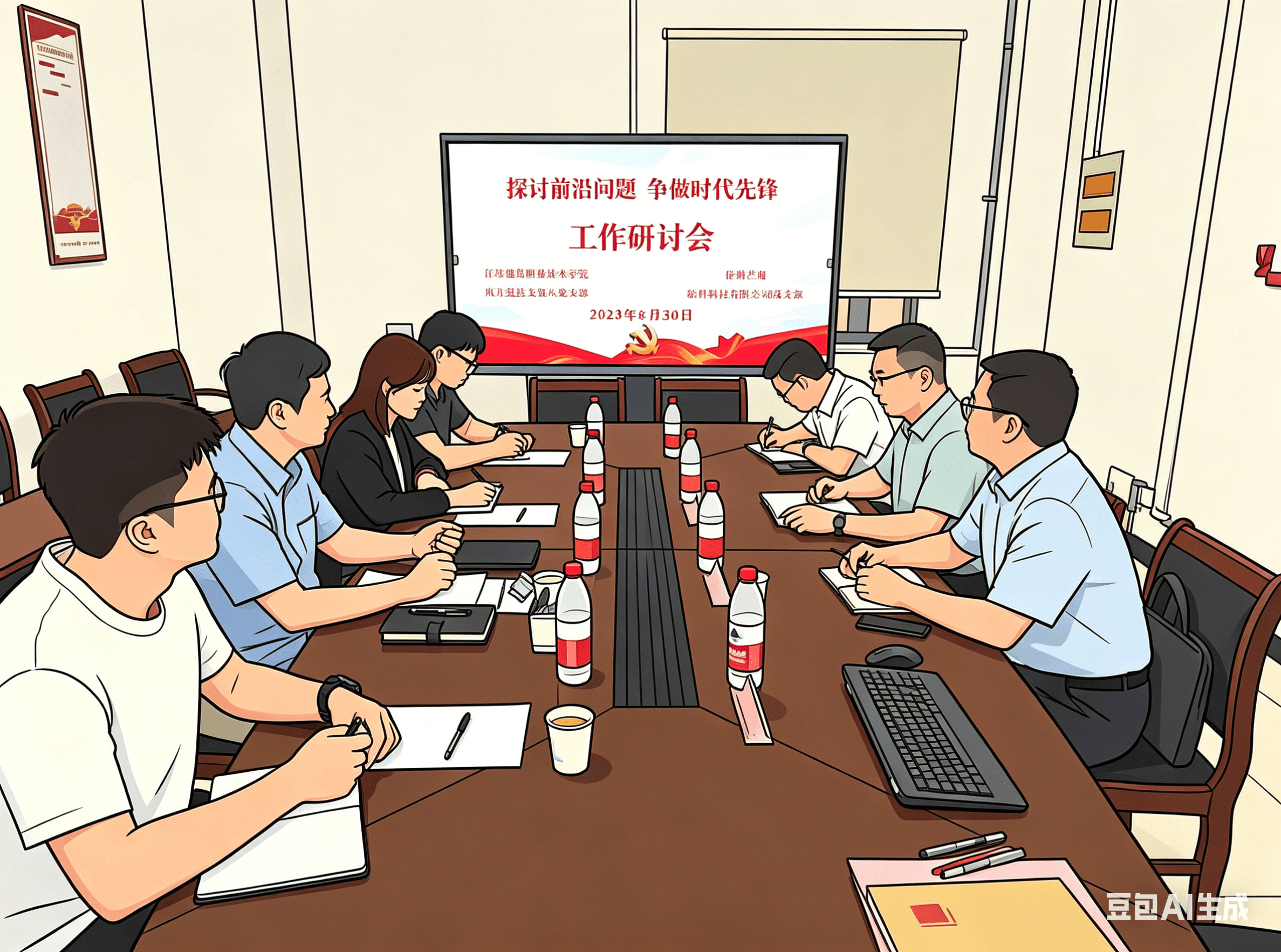
School-enterprise co-construction refers to a model of industry-education integration where schools and enterprises, based on the principles of resource sharing and complementary advantages, jointly carry out cooperation in talent cultivation, technology research and development, training base construction, and Party building activities. Its core lies in breaking down the barriers between traditional education and industry, achieving an organic connection between the education chain, talent chain, industry chain, and innovation chain through methods such as joint curriculum development, mutual appointment of teachers, project collaboration, and integrated internship and employment. School-enterprise co-construction not only helps universities enhance students' practical abilities and employment competitiveness but also enables enterprises to obtain customized talent, technical support, and innovation momentum. Common forms of school-enterprise co-construction include: co-building training bases, co-establishing industrial colleges, co-founding technology research and development centers, and co-developing Party branches. For example, the 'July 1st' co-construction seminar conducted by Mangxu Software and the Eighth Party Branch of Jiangsu Vocational College of Architecture is a typical practice of school-enterprise Party building co-construction. Through organizational joint construction, activity co-organization, and resource sharing, it promotes deep cooperation between the two parties in ideological guidance, talent cultivation, and social services.
Related Tags
常见问题
- What are the main forms of school-enterprise co-construction?
- School-enterprise co-construction takes various forms, common ones include: co-building training bases (enterprises provide equipment and technology, schools provide venues and faculty), co-building industrial colleges (both parties jointly design curriculum systems and teaching plans), co-building technology R&D centers (jointly conducting technological breakthroughs and result transformation), co-building Party branches (strengthening ideological guidance and talent cultivation through organizational co-construction and joint activities), and order-based training (enterprises customize courses based on job requirements, and students directly enter the workforce after graduation).
- What are the actual benefits of school-enterprise co-construction for students?
- Students can gain the following benefits from school-enterprise co-construction: 1) Exposure to real enterprise projects and cutting-edge industry technologies; 2) Guidance from enterprise mentors and career planning advice; 3) Priority access to internships and employment channels; 4) Participation in joint research projects to enhance scientific research capabilities and innovative thinking; 5) Strengthened social responsibility and teamwork skills through activities such as Party-building co-construction.
- What returns can enterprises gain from participating in school-enterprise co-construction?
- Enterprises participating in school-enterprise co-construction can gain: 1) Targeted cultivation of professional talents that meet their own needs, reducing recruitment and training costs; 2) Leveraging university research capabilities to solve technical problems and drive product innovation; 3) Enhancing corporate brand image and social influence; 4) Strengthening corporate culture and employee cohesion through Party-building co-construction; 5) Priority access to university research results and patent licensing.
- How to evaluate the effectiveness of school-enterprise co-construction?
- The effectiveness of school-enterprise co-construction can be evaluated from the following dimensions: 1) Quality of talent cultivation (student employment rate, enterprise satisfaction, skill certification acquisition rate); 2) Output of cooperation results (number of joint projects, patents, papers, revenue from technology transformation); 3) Resource investment and utilization (training base utilization rate, frequency of faculty exchanges); 4) Social benefits (participation in Party-building co-construction activities, media coverage, industry recognition); 5) Long-term cooperation stability (years of cooperation, renewal rate, number of new cooperation projects).