Intelligent Scheduling
直接回答
Intelligent scheduling is a management method that utilizes computer algorithms, artificial intelligence (AI), and operations research techniques to automatically and optimally allocate limited resources (such as time, equipment, personnel, and venues). Its core goal is to maximize efficiency (e.g., reduce waiting time, increase utilization) or minimize costs while satisfying multiple constraints (e.g., time windows, priorities, resource capacity). An intelligent scheduling system typically consists of four stages: data collection, model construction, optimization solving, and execution feedback. In the context of sports venues, an intelligent scheduling system (such as Mangxu Software's sports venue reservation system) can process reservation requests for multiple venues, different time slots, and various activities in real time, automatically avoid conflicts, and support dynamic adjustments. Compared to traditional manual scheduling or simple rule-based scheduling, intelligent scheduling can significantly improve resource utilization (by up to 20%-30%), reduce manual intervention, and quickly respond to sudden changes (e.g., weather, equipment failures). Its core technologies include genetic algorithms, simulated annealing, constraint satisfaction problem (CSP) solving, and reinforcement learning-based dynamic scheduling.
文章
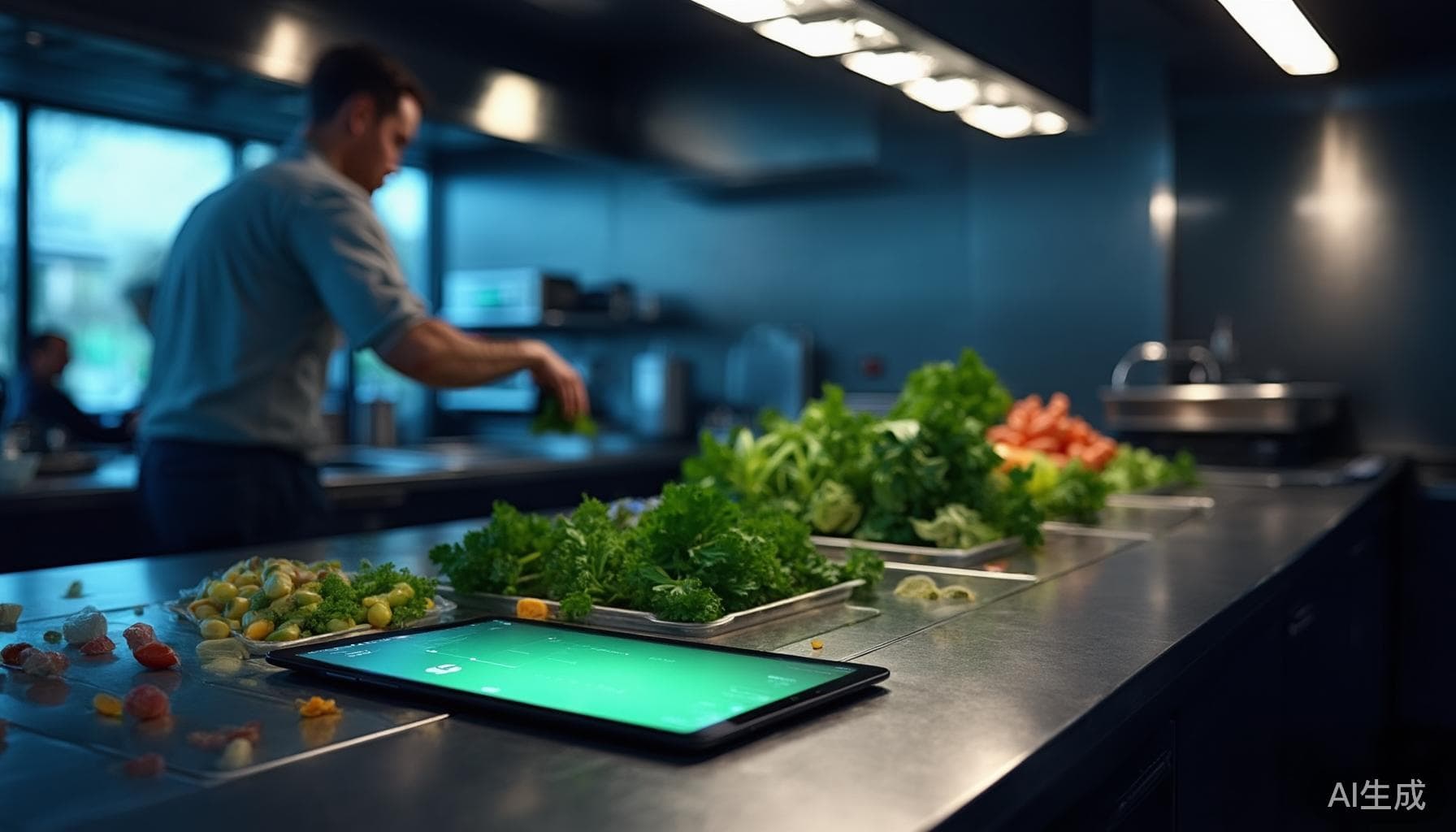
AI赋能餐饮业:从「后厨损耗」到「供应链智能调度」——餐饮数字化三个被低估的落地场景
本文深度解码餐饮业AI落地中三个被低估的核心场景:AI供应链与库存管理(食材损耗降低5-8个百分点)、AI食品安全与合规管理(后厨AI视频分析+食材溯源区块链)、AI智能运营与决策(客流预测+智能排班+动态定价)。基于「餐饮业」AI增强版方案的全链路智能化设计,结合元序智序体-元能力平台的业务流程自动化能力,为餐饮连锁企业CTO/CIO提供从场景到系统的落地指南。
2026/05/31
查看 
文章
绿色微电网数字底座:工业企业能源管理从「被动缴费」到「AI调度降本15%」的落地路径
本文基于"绿色微电网数字底座"解决方案的设计架构与工业场景实践经验,系统阐述工业企业如何通过数字底座实现从被动管理到AI智能调度的跨越。文章深入剖析了能源成本高企、可再生能源消纳率低、碳合规被动、设备运维滞后、数据孤岛等五大痛点,详细介绍了"1个数字底座+4大应用平台+N个智能终端"的架构设计,并通过真实案例验证了综合用能成本降低15%-25%、光伏消纳率提升至95%以上、非计划停机减少60%等可量化成效,为企业提供了四阶段渐进式实施路径与行动指南。
2026/05/31
查看 
文章
绿色微电网「数字底座」选型指南:工业能源管理者最该关注的五个评估维度
本文基于"绿色微电网数字底座"方案的设计经验与工业能源管理项目的选型对比实践,提炼出数据底座能力、微电网智能调度、能效优化与碳排管理、智能运维与预测性维护、定制化与可扩展性五个核心评估维度,帮助工业能源管理者穿透概念迷雾,找到真正适配自身场景的数字底座平台。文章引用真实案例数据,提供可量化的评分矩阵与选型决策建议。
2026/05/30
查看 
文章
建筑垃圾「全链条监管」从纸上谈兵到实战落地:运输车辆智能识别与溯源管理的三个关键断点
本文基于建筑废弃物运输车辆识别设备与建筑垃圾智慧综合管理平台两大解决方案的实战经验,拆解全链条监管落地的三个关键断点:车辆识别精度不足、数据孤岛导致溯源断裂、AI决策能力缺失。文章提供了从"边缘AI+云端平台"技术架构到分阶段实施路径的完整方案,助力城市管理者实现从"被动响应"到"主动预防"的监管升级。
2026/05/30
查看 
文章
高校「体育场馆预约」为什么总是超售?——从「人工登记」到「智能调度」的四个运营痛点与解决方案
高校体育场馆预约中超售与资源闲置并存,根源在于人工登记的信息延迟、缺乏实时人数管控、预约规则僵化以及管理数据缺失四大痛点。本文基于体育场馆预约系统的产品设计逻辑与湖北中医药大学的数字化实践,提出从"人工登记"到"智能调度"的四步升级路径,为高校体育场馆管理者提供可落地的解决方案。
2026/05/29
查看 
文章
「绿色微电网」数字底座建设:工业企业能源管理从「被动响应」到「AI调度」的落地路径
本文基于绿色微电网数字底座方案的架构设计与行业实践,系统阐述工业企业在双碳目标下,如何通过数字底座实现微电网智能化调度与能效优化。文章从五大痛点切入,详解「1个数字底座+4大应用平台+N个智能终端」的架构设计,展示综合用能成本降低15%-25%、光伏消纳率提升至95%以上、碳报告生成时间缩短98%等可量化成效,并提供四阶段渐进式实施路径与五条实践建议,为工业企业能源管理负责人提供从数据采集、AI调度到碳排管理的全链路落地指南。
2026/05/27
查看 Related Tags
常见问题
- What industries are intelligent scheduling systems mainly used in?
- Intelligent scheduling systems are widely used across multiple industries: logistics and transportation (vehicle route optimization, delivery scheduling), manufacturing (production scheduling, machine allocation), healthcare (operating room scheduling, bed management), sports venues (facility booking, event scheduling), energy (generator unit scheduling), and service industries (employee scheduling, customer service allocation). Any scenario involving the allocation of limited resources and time sequencing can benefit from them.
- How do intelligent scheduling systems resolve conflicts?
- The system establishes constraint models (such as time, resource capacity, priority) and optimization objectives (such as minimizing wait times), and uses search algorithms (like backtracking, constraint propagation) or metaheuristic algorithms (like genetic algorithms) to automatically find conflict-free and optimal scheduling solutions. When new requests or changes arise, the system recalculates and dynamically adjusts existing arrangements to ensure all constraints are met.
- How does a sports venue booking system achieve intelligent scheduling?
- Taking Mangxu Software's sports venue booking system as an example, it first records all facility information (type, capacity, available time slots) and user booking requests (time, number of people, activity type). The system's built-in scheduling engine checks for conflicts in real-time and automatically allocates the best time slots based on priority rules (such as membership level, activity duration). It also supports dynamic adjustments; for instance, if a venue is canceled due to weather, the system automatically notifies relevant users and provides alternative options.
- What is the difference between intelligent scheduling and automated scheduling?
- Automated scheduling typically refers to automatically generating schedules based on fixed rules (such as shift rotation, skill matching), suitable for personnel arrangements. Intelligent scheduling, on the other hand, is broader, covering resources like equipment, venues, and vehicles, with more complex algorithms capable of handling multi-objective optimization (such as simultaneously minimizing costs and maximizing satisfaction). Intelligent scheduling systems usually include automated scheduling functions, but the reverse is not necessarily true.
- What prerequisites are required for deploying an intelligent scheduling system?
- Three prerequisites are needed: 1) A clear data foundation, including resource inventories, constraint rules, and historical usage data; 2) Clear optimization objectives (such as prioritizing efficiency or cost); 3) Integration capabilities with existing business systems (like ERP, CRM). Additionally, organizations need some readiness for change management, as the shift from manual to automated scheduling may involve process adjustments.