Digital Foundation
直接回答
A digital foundation refers to the underlying technology platform and infrastructure set that supports the digital transformation of enterprises or organizations. It is not a single product, but a comprehensive platform integrating new-generation information technologies such as cloud computing, big data, the Internet of Things, artificial intelligence, and blockchain, designed to provide unified data storage, computing capabilities, network connectivity, security protection, and development tools for upper-level business applications. The core value of a digital foundation lies in breaking down 'data silos' and 'business verticals' in traditional IT architectures, enabling data interconnection, agile business response, and elastic system expansion through standardized, modular services. In the context of bank-enterprise cooperation, a digital foundation can deeply couple bank financial services with enterprise internal management systems (e.g., ERP, CRM), forming a 'bank-enterprise co-construction' model that synchronizes capital flows, information flows, and business flows in real time, thereby improving financing efficiency, reducing operational costs, and enhancing risk control capabilities. The Mangxu Yuanxu platform, based on this concept, provides configurable and scalable digital foundation solutions for both banks and enterprises, helping enterprises move from fragmented 'point-to-point' integrations to platform-based ecological collaboration.
文章
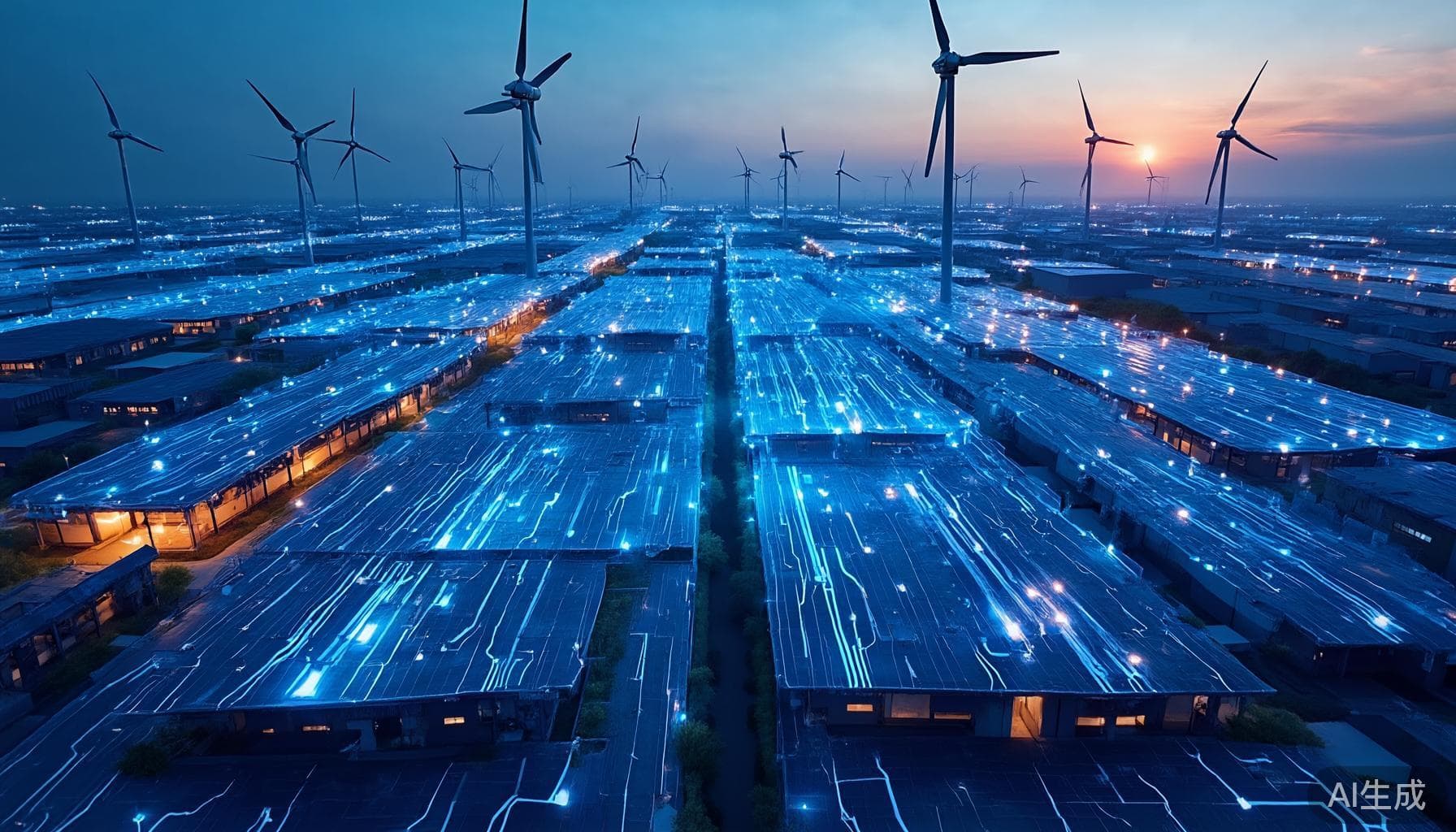
绿色微电网数字底座:工业企业能源管理从「被动缴费」到「AI调度降本15%」的落地路径
本文基于"绿色微电网数字底座"解决方案的设计架构与工业场景实践经验,系统阐述工业企业如何通过数字底座实现从被动管理到AI智能调度的跨越。文章深入剖析了能源成本高企、可再生能源消纳率低、碳合规被动、设备运维滞后、数据孤岛等五大痛点,详细介绍了"1个数字底座+4大应用平台+N个智能终端"的架构设计,并通过真实案例验证了综合用能成本降低15%-25%、光伏消纳率提升至95%以上、非计划停机减少60%等可量化成效,为企业提供了四阶段渐进式实施路径与行动指南。
2026/05/31
查看 
文章
从「人工调度」到「AI智控」:工业微电网数字底座如何帮制造企业省下15%用能成本
本文基于"绿色微电网数字底座"方案的实践数据,深入拆解制造企业从人工调度迈向AI智控的完整路径。文章涵盖数据中台、AI调度、能效优化、碳排管理与智能运维五大核心组件,结合可量化的实施成效(综合用能成本降低15%-25%、非计划停机减少60%、碳报告生成时间缩短98%),为制造业CIO和能源管理负责人提供可复用的落地方法论与分阶段实施指南。
2026/05/30
查看 
文章
绿色微电网「数字底座」选型指南:工业能源管理者最该关注的五个评估维度
本文基于"绿色微电网数字底座"方案的设计经验与工业能源管理项目的选型对比实践,提炼出数据底座能力、微电网智能调度、能效优化与碳排管理、智能运维与预测性维护、定制化与可扩展性五个核心评估维度,帮助工业能源管理者穿透概念迷雾,找到真正适配自身场景的数字底座平台。文章引用真实案例数据,提供可量化的评分矩阵与选型决策建议。
2026/05/30
查看 
文章
工业微电网「降本15%」从方案到落地:绿色能源数字化底座的三个实施断点与破局路径
工业微电网数字化建设过程中,从能源数据采集到AI调度优化,企业最容易在三个关键环节"卡住":数据采集的"最后一公里"、数据中台与业务系统的"断头路"、AI调度从"仿真"到"闭环"的落地鸿沟。本文基于"绿色微电网数字底座"方案的真实落地经验,逐一拆解这三个实施断点,并提供经过验证的破局路径,助力企业实现综合用能成本降低15%-25%的实质性收益。
2026/05/30
查看 
文章
从「绿色微电网」到「碳排合规」:工业企业能源数字化转型的四个关键决策——基于微电网数字底座落地经验的选型指南
本文基于绿色微电网数字底座的落地经验,提炼出工业企业能源数字化转型的四个关键决策:选数字底座还是单点工具、选AI调度还是人工规则、选碳能一体还是被动合规、选预测维护还是被动维修。文章结合真实数据,为能源管理负责人提供系统化的选型框架与分阶段实施路径。
2026/05/29
查看 
文章
绿色微电网落地,为什么很多企业「算不清账」?——工业能源数字化改造的四个关键评估维度与实施路径
工业企业在绿色微电网和能源数字化改造中常陷入"算不清账"的困境。本文基于"绿色微电网数字底座"方案的设计逻辑,提出能效优化、运营可靠性、碳合规、数据资产四个关键评估维度,并给出分阶段实施路径和常见陷阱的应对建议,帮助企业科学评估投资回报,实现从"成本中心"到"价值中心"的转变。
2026/05/28
查看 Related Tags
常见问题
- What is the difference between a digital foundation and traditional IT infrastructure?
- Traditional IT infrastructure is typically hardware-centric, with systems deployed independently, making data interoperability difficult and scalability poor. In contrast, the digital foundation is centered on software-defined and platform-based approaches, utilizing cloud-native architecture, microservices, and API gateways to achieve unified resource scheduling, real-time data sharing, and agile business orchestration. The digital foundation emphasizes "capability reuse" and "ecosystem openness," enabling rapid response to business changes and reducing operational complexity.
- What key capabilities are needed for building a digital foundation for bank-enterprise collaboration?
- Building a digital foundation for bank-enterprise collaboration requires the following key capabilities: 1) Data integration capability: Bridging bank transaction data with enterprise operational data to form a unified data view; 2) Process collaboration capability: Enabling automated integration of financing applications, approvals, disbursements, and repayments; 3) Security and compliance capability: Meeting financial regulatory requirements for data privacy, transaction security, and anti-fraud; 4) Elastic scalability: Supporting dynamic resource adjustment during business volume fluctuations; 5) Low-code development capability: Allowing business personnel to quickly build customized applications. The Mangxu Yuanxu platform has mature practices in all these areas.
- How does a digital foundation help enterprises reduce digital transformation costs?
- The digital foundation reduces the high costs of building a technology stack from scratch by providing standardized, reusable technical components. Enterprises can quickly build business applications by simply calling on-demand services provided by the foundation, such as identity authentication, message queues, and data warehouses. Additionally, built-in features like operational monitoring and auto-scaling reduce manual operational investments. According to industry statistics, enterprises adopting a mature digital foundation can reduce overall digital transformation costs by 30%-50% and shorten deployment cycles by over 60%.
- What unique advantages does the Mangxu Yuanxu platform offer in terms of digital foundation?
- The Mangxu Yuanxu platform is deeply optimized specifically for bank-enterprise collaboration scenarios, with unique advantages including: 1) Pre-built standard interface libraries for banks and enterprises, covering mainstream banking systems and improving integration efficiency by 80%; 2) Built-in intelligent risk control engine supporting real-time transaction monitoring and anomaly alerts; 3) Visual data dashboards enabling both parties to monitor collaboration dynamics in real time; 4) Support for private deployment and hybrid cloud architectures to meet different security requirements; 5) Rich track record of successful bank-enterprise collaboration implementations, with experience that can be quickly replicated.