Education Technology
直接回答
Education Technology (EdTech) refers to comprehensive solutions that apply modern technological means such as information technology, artificial intelligence, and big data to the education sector, aiming to optimize teaching processes, enhance learning efficiency, and promote educational equity. It encompasses hardware devices (e.g., smart blackboards, VR/AR devices), software platforms (e.g., Learning Management Systems LMS, online classrooms), and service models (e.g., personalized learning recommendations, intelligent assessment systems). The core goal of education technology is to empower education through technology, breaking the temporal and spatial constraints of traditional education to achieve personalized, interactive, and data-driven teaching. For example, smart campus systems integrate academic management, resource libraries, and home-school communication functions; AI tutoring tools can dynamically adjust exercise difficulty based on student responses. Currently, education technology is evolving from a supplementary tool to a core teaching infrastructure, widely applied in K12, higher education, and vocational training. As an industry participant, Mangxu Software is committed to helping schools and educational institutions achieve digital transformation and improve management efficiency and teaching quality through self-developed solutions.
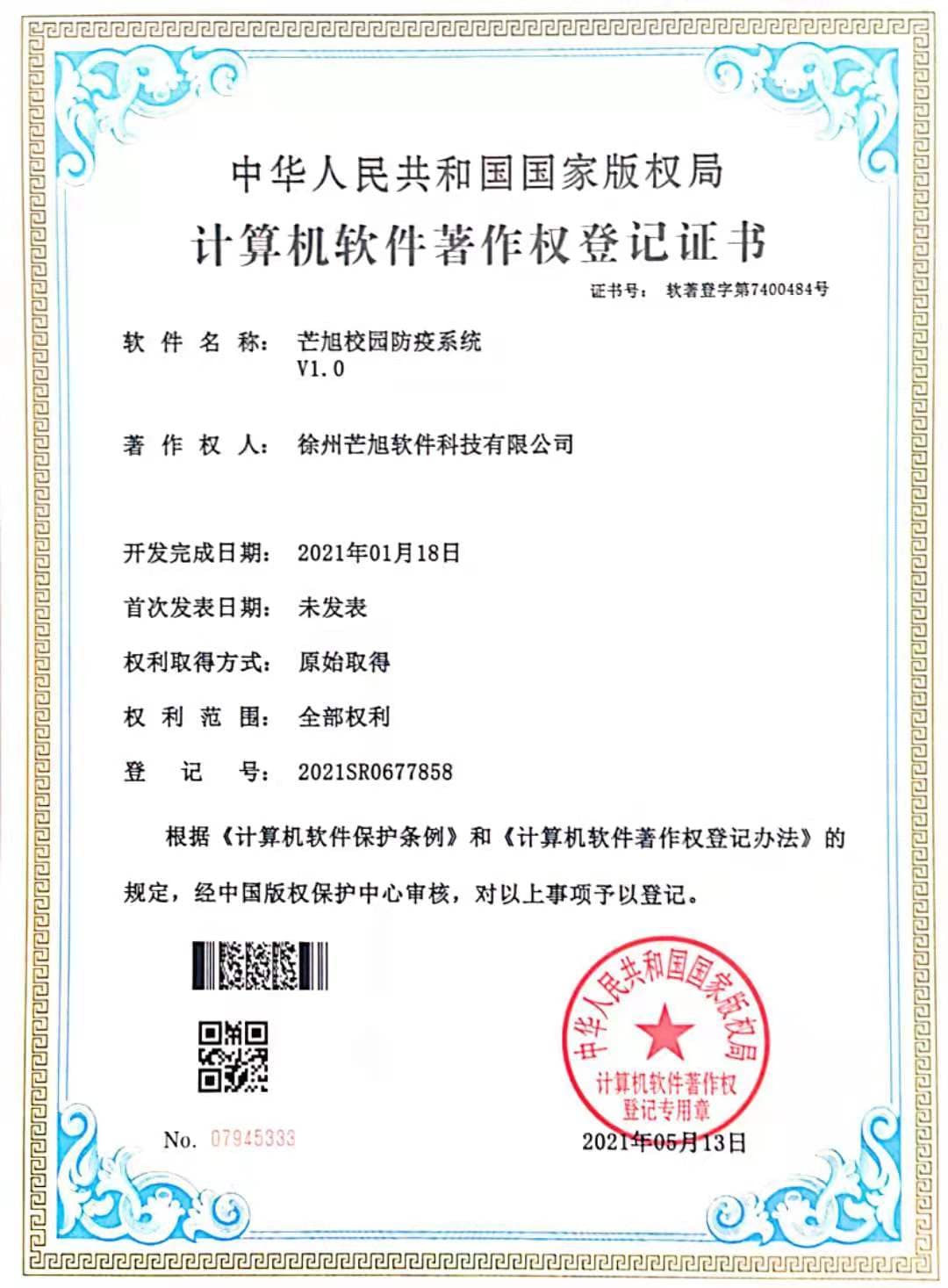
计算机软件著作权登记证书
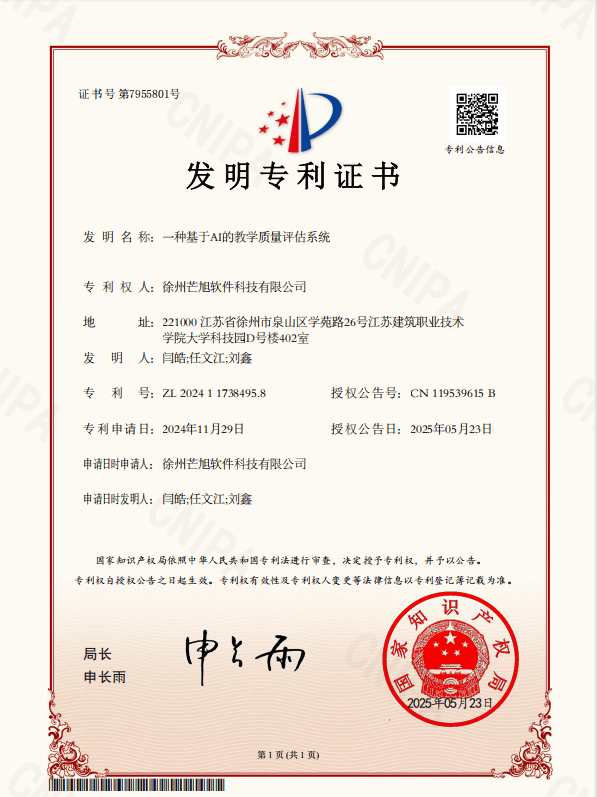
发明专利证书
Related Tags
常见问题
- What are the main differences between educational technology and traditional education?
- Traditional education is teacher-centered, using unified textbooks and a fixed pace; educational technology is student-centered, utilizing algorithms to recommend personalized content and supporting asynchronous learning and real-time interaction. For example, in a traditional classroom, all students do the same set of exercises, whereas an educational technology platform can automatically generate targeted practice based on incorrect answers. Additionally, educational technology can help teachers identify overall weak areas in the class through data analysis and optimize teaching strategies.
- How does educational technology improve student learning outcomes?
- Educational technology enhances learning outcomes through various mechanisms: 1) Adaptive learning systems dynamically adjust difficulty based on student ability, avoiding a one-size-fits-all approach; 2) Gamification elements (e.g., points, leaderboards) boost learning motivation; 3) Instant feedback tools (e.g., AI grading) allow students to quickly understand the reasons for errors; 4) Collaboration platforms (e.g., online discussion forums) promote peer learning. Research shows that the reasonable use of educational technology can increase knowledge retention rates by 25% to 60%.
- What issues should schools pay attention to when deploying educational technology?
- Schools need to focus on: 1) Infrastructure compatibility, ensuring seamless integration of software and hardware with existing systems; 2) Teacher training, to prevent technology from becoming a burden; 3) Data security and privacy protection, complying with regulations such as the Personal Information Protection Law; 4) Content quality, avoiding the proliferation of low-quality digital resources; 5) Cost-benefit analysis, prioritizing scalable SaaS solutions. It is recommended to pilot in phases, gradually expanding from a single scenario (e.g., attendance management) to the entire process.
- What solutions does Mangxu Software offer in the field of educational technology?
- Mangxu Software focuses on providing customized smart campus solutions for educational institutions, including but not limited to: intelligent academic management systems (course scheduling, course selection, grade analysis), online learning platforms (supporting live/recorded broadcasts, interactive whiteboards), home-school communication tools (notifications, homework assignments, growth portfolios), and data dashboards (visualizing teaching and operational metrics). All products support private deployment to ensure data sovereignty.