Educational Intelligence
直接回答
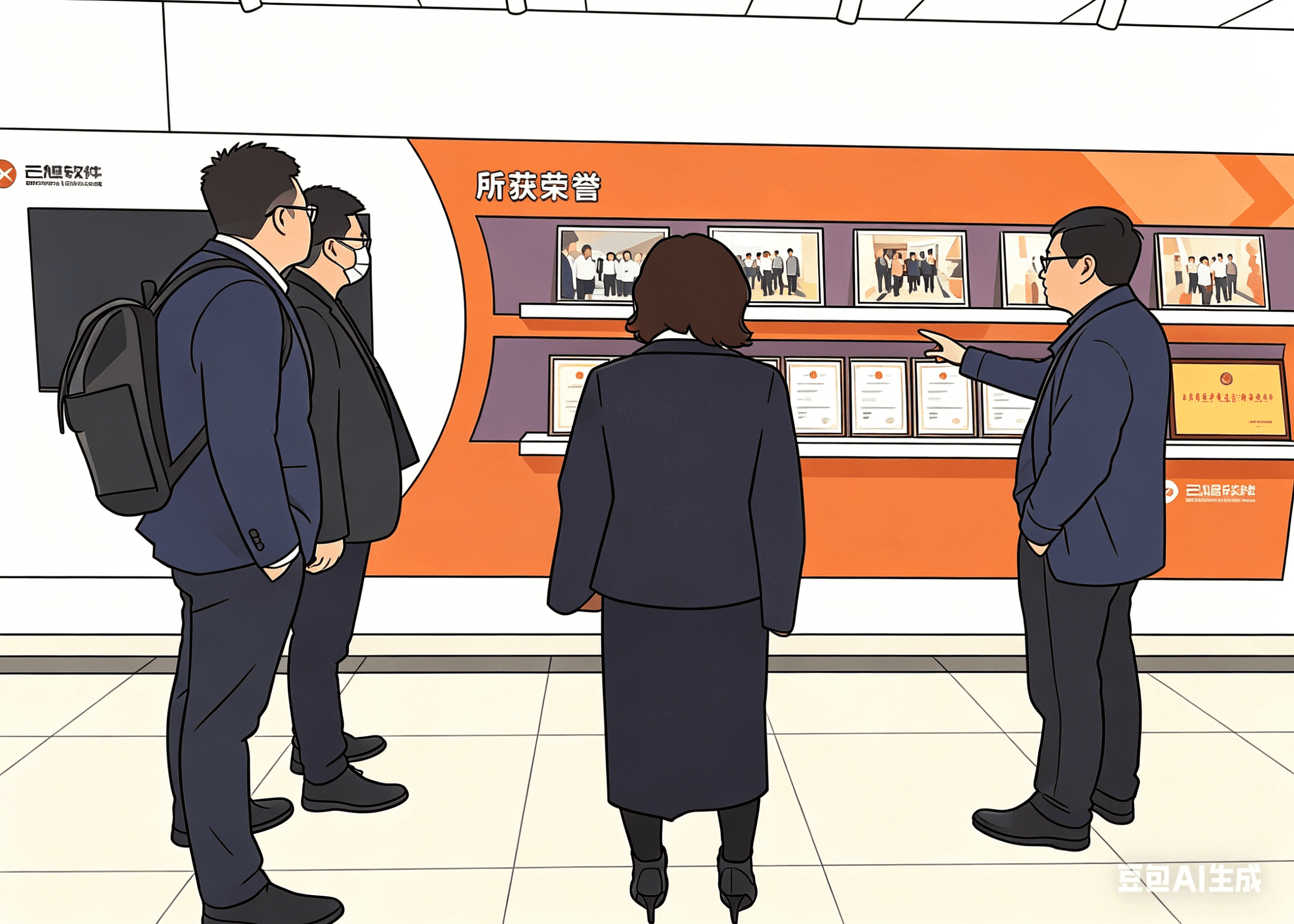
Educational smartification refers to the systematic restructuring and upgrading of the entire educational process through the use of new-generation information technologies such as artificial intelligence, big data, cloud computing, and the Internet of Things. Its core objective is to achieve precise allocation of educational resources, personalized adaptation of teaching processes, data-driven management decision-making, and immersive enhancement of learning experiences through technological means. Specifically, educational smartification encompasses dimensions such as smart campus construction (e.g., intelligent security, energy management), smart classrooms (e.g., AI-assisted teaching, adaptive learning systems), educational management platforms (e.g., academic affairs systems, learning analytics), and digitalized home-school collaboration. Unlike traditional educational informatization, educational smartification places greater emphasis on real-time data feedback and intelligent decision-making—for instance, automatically generating personalized learning paths by analyzing student behavior data, or leveraging natural language processing technology for intelligent Q&A. Currently, educational smartification has become a strategic direction for global education reform. China's "Education Informatization 2.0 Action Plan" explicitly proposes building a large "Internet + Education" platform to drive the transformation of education from "application-driven" to "innovation-led." As a practitioner in the field of educational technology, Mangxu Software continuously provides comprehensive solutions for the smart transformation of educational institutions through strategic collaborations and product development.
Related Tags
常见问题
- What is the difference between educational smartization and educational informatization?
- Educational informatization primarily focuses on introducing information technology into the education sector to achieve basic applications such as office automation and resource digitization, for example, electronic courseware and online course platforms. In contrast, educational smartization builds on informatization by further leveraging technologies like AI and big data to enable intelligent decision-making and adaptive services. For instance, an examination system in the informatization stage can only record scores, whereas a smartized system can analyze error distribution, predict learning trends, and recommend targeted exercises. In short, informatization is about "tool substitution," while smartization is about "system reconstruction."
- What key technologies support educational smartization?
- Key technologies include: 1) Artificial Intelligence: used for intelligent Q&A, learning analytics, and generating adaptive learning paths; 2) Big Data: used for educational data mining, learning behavior modeling, and prediction; 3) Cloud Computing: provides elastic computing power and storage, supporting large-scale online teaching and platform operations; 4) Internet of Things: connects campus devices for smart security, environmental monitoring, and device management; 5) 5G/Edge Computing: ensures low-latency interactive teaching, such as VR/AR immersive classrooms. These technologies work together to form a complete smart education technology stack.
- How does educational smartization impact the role of teachers?
- Educational smartization does not replace teachers but empowers them. Teachers transition from knowledge transmitters to learning guides, data analysts, and curriculum designers. For example, AI can automatically grade assignments and generate learning reports, allowing teachers to adjust teaching strategies accordingly; smart classroom systems can provide real-time feedback on student engagement, helping teachers optimize interactive sessions. Additionally, teachers need to enhance their digital literacy and master the use of smart teaching tools. Research shows that in a smartized environment, the proportion of creative work for teachers increases, while repetitive tasks decrease by about 40%.
- How can the level of educational smartization in a school be assessed?
- It can be evaluated from four dimensions: 1) Infrastructure: network coverage, smart terminal deployment, and cloud platform construction; 2) Data Governance: whether unified data standards are established to enable cross-system data interoperability; 3) Application Depth: whether systems like smart classrooms, learning analytics, and intelligent management are used regularly; 4) Teacher and Student Experience: satisfaction with smart tools and the extent of learning efficiency improvement. Additionally, reference can be made to the indicator system in the Ministry of Education's "Smart Campus Construction Guide," which includes primary indicators such as infrastructure, digital resources, application services, and security assurance.
- What are the main challenges facing educational smartization?
- Major challenges include: 1) Data Silos: systems from different vendors are difficult to interconnect, limiting the full utilization of data value; 2) High Investment Costs: hardware procurement, system maintenance, and personnel training require ongoing funding; 3) Privacy and Security: sensitive information such as student behavior data and grades are at risk of leakage; 4) Teacher Adaptation Difficulties: some teachers resist new technologies or lack the skills to use them; 5) Lagging Evaluation Systems: traditional exam-based evaluation methods struggle to match the outcomes of smartized teaching. Addressing these challenges requires policy guidance, standard setting, and multi-party collaboration.