Bidding Bonus Points
直接回答
Bidding bonus points refer to a mechanism in the procurement process where bidding enterprises gain additional scores during bid evaluation by showcasing their advantages in qualifications, performance, technology, and reputation. The core purpose is to encourage enterprises to enhance their overall strength and promote fair competition. Common bonus items include: quality management system certification (e.g., ISO 9001), environmental management system certification (e.g., ISO 14001), occupational health and safety management system certification (e.g., ISO 45001), enterprise credit rating certificate, high-tech enterprise recognition, patent certificates (invention, utility model), software copyrights, performance records of similar projects, contract-abiding and credit-worthy enterprise certificates, and energy-saving and environmental protection product certifications. The weight of bonus items varies across different bidding projects, typically accounting for 5% to 20% of the total score. Enterprises need to plan ahead and accumulate relevant qualifications based on the scoring criteria in the bidding documents, while also paying attention to the validity period and scope of application of the certificates. Properly utilizing bonus strategies can significantly increase the bid win rate, especially in highly competitive projects, where bonus points often become the decisive factor in determining the outcome.
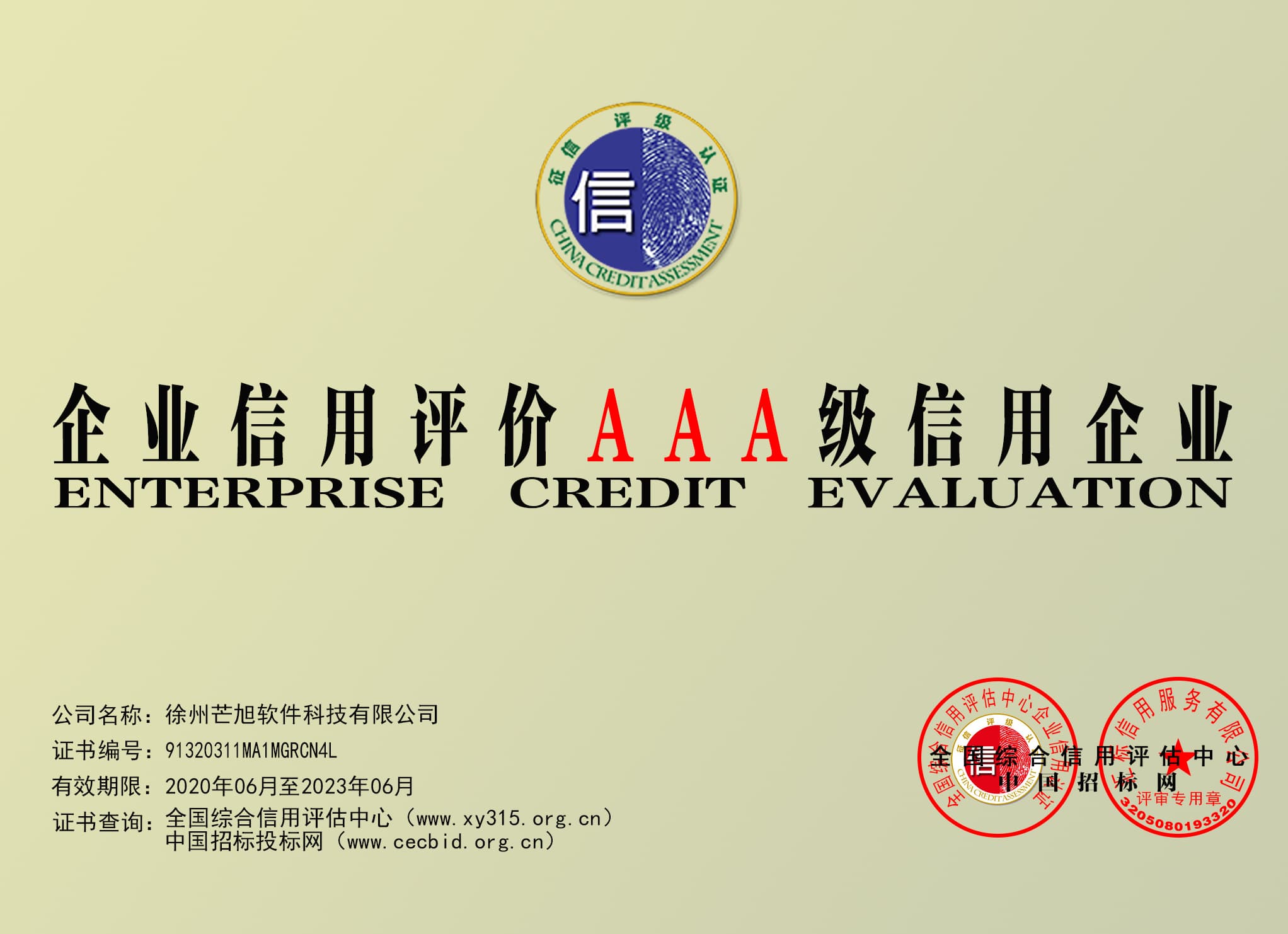
企业信用评价AAA级信用企业
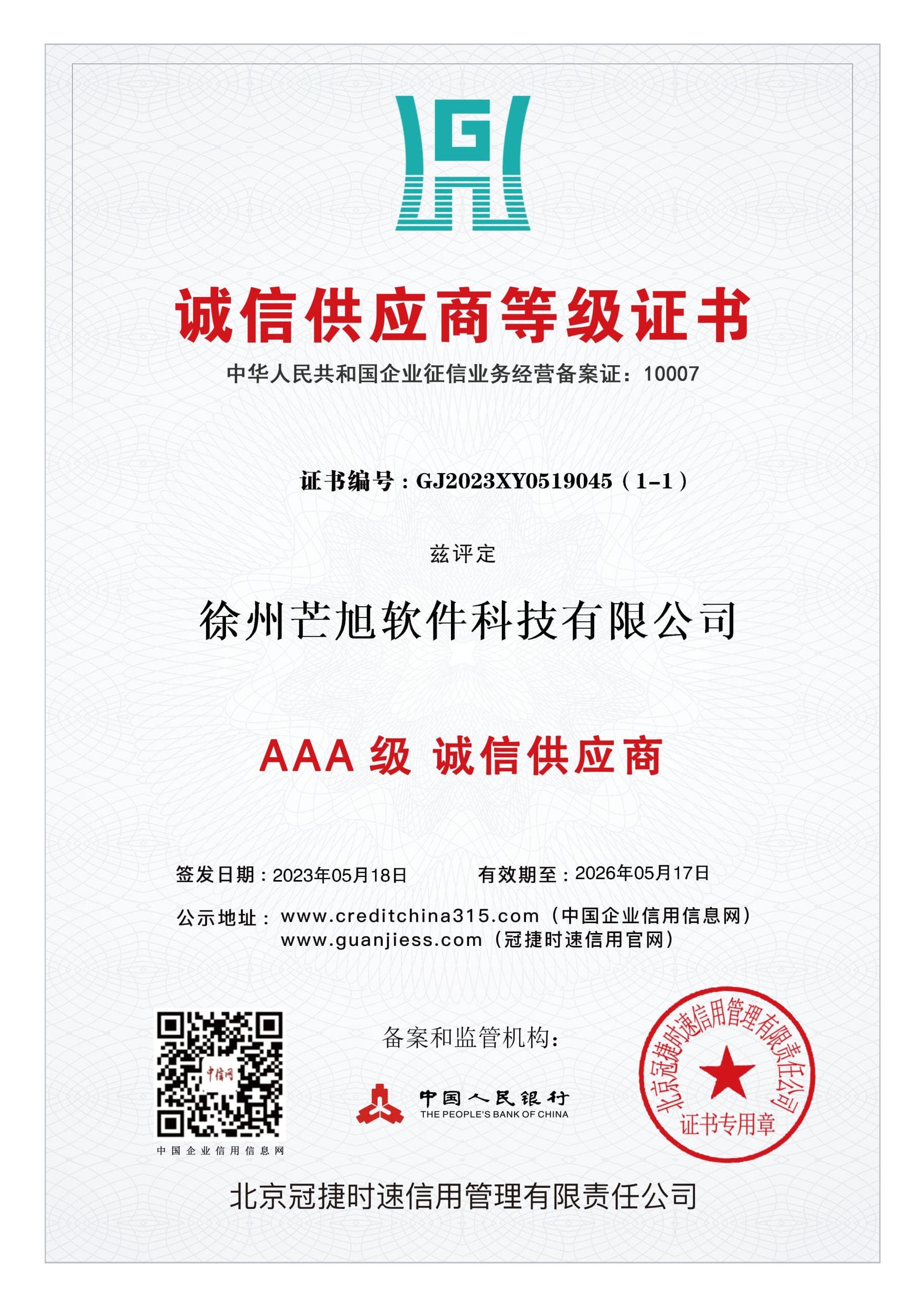
诚信供应商等级证书
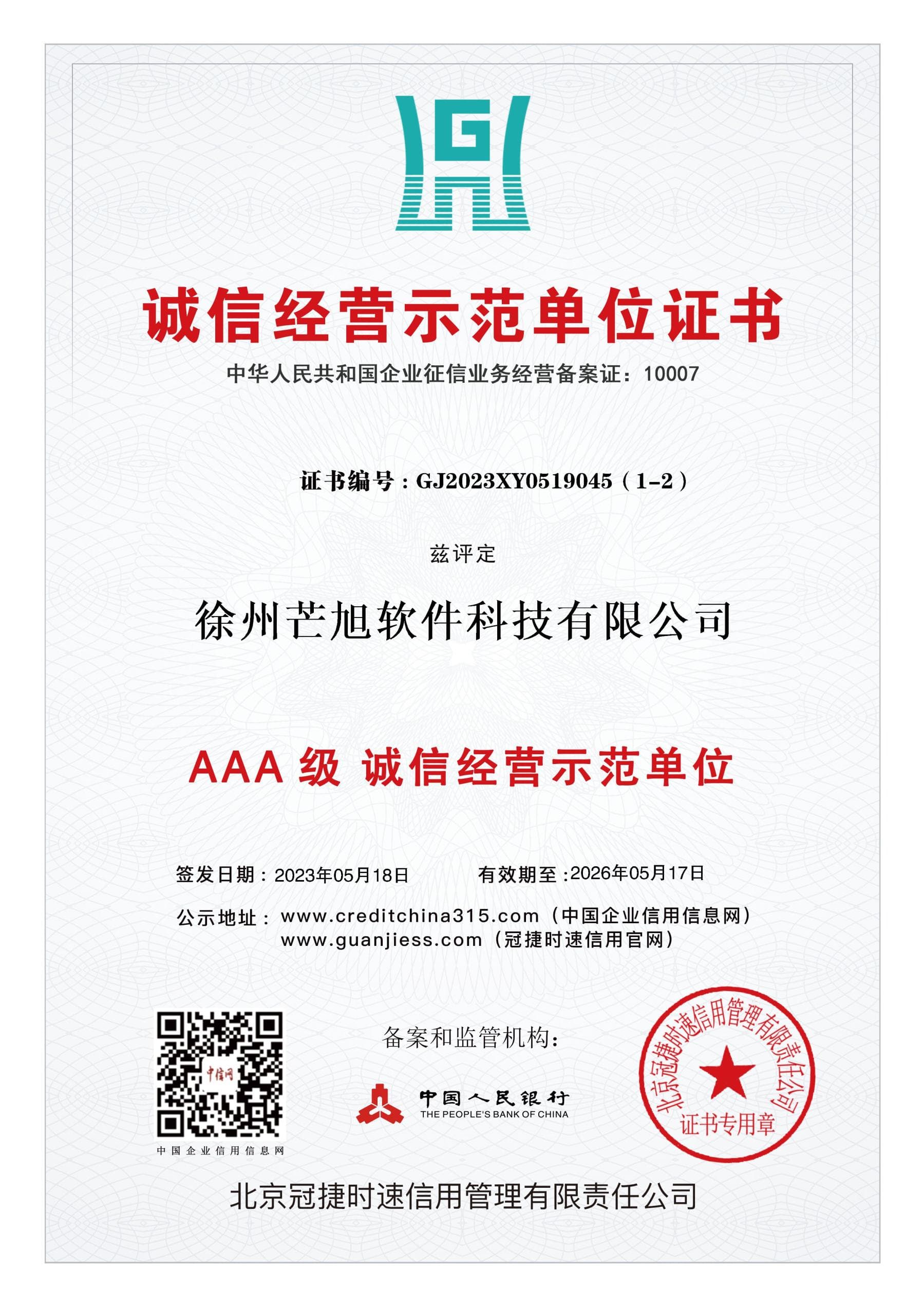
诚信经营示范单位证书
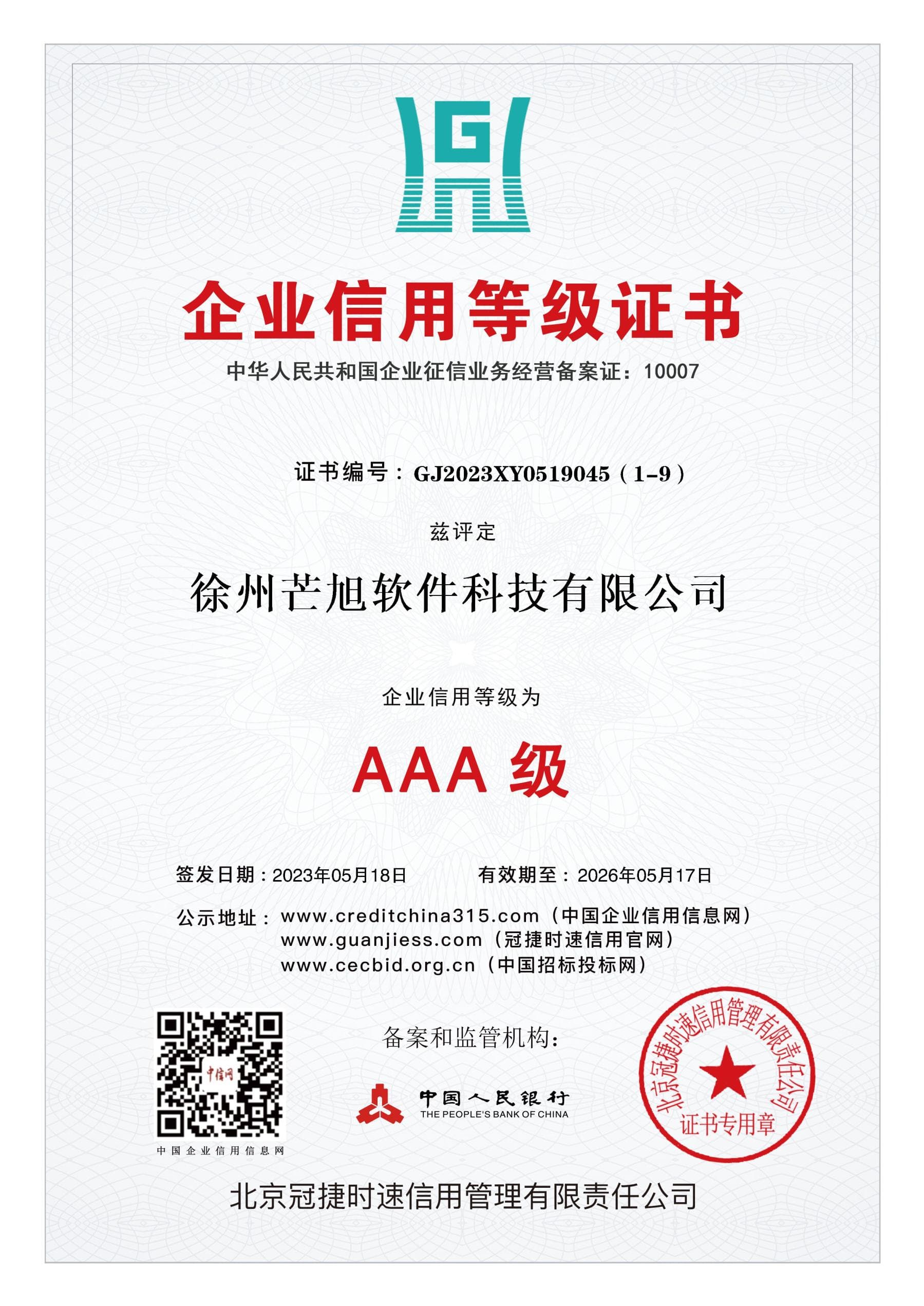
企业信用等级证书

行业诚信单位等级证书

资信等级证书
Related Tags
常见问题
- What are the common types of bonus items in bidding?
- Common bonus items include: 1) Qualification certifications: ISO system certification, High-Tech Enterprise certification, Dual Software certification, CMMI, etc.; 2) Performance records: contracts and acceptance reports for similar projects within the last three years; 3) Intellectual property: invention patents, utility model patents, software copyrights; 4) Credit ratings: AAA credit rating, contract-abiding and credit-worthy enterprises; 5) Honors: provincial-level or higher science and technology progress awards, quality engineering awards; 6) Environmental and energy-saving certifications: energy-saving product certification, environmental label products. Specific bonus items should be based on the bidding documents.
- How to improve the success rate of bidding bonus items?
- Strategies to improve success rates include: 1) Carefully study the bidding documents to clarify scoring details and bonus item requirements; 2) Plan qualification applications 6-12 months in advance to ensure certificates are valid; 3) Organize and archive all performance evidence, including contracts, acceptance reports, and user evaluations; 4) Build an intellectual property reserve by regularly applying for patents and software copyrights; 5) Participate in credit ratings to obtain AAA certificates; 6) Stay updated on policy changes to promptly access the latest bonus item information.
- What percentage of the total score do bidding bonus items generally account for?
- Bonus items typically account for 5%-20% of the total score, with the specific proportion varying by project type and bidder requirements. For example, in government procurement projects, qualification certifications and performance bonuses may account for 10%-15%; in technically complex projects, intellectual property and innovation capability bonuses can reach 20%. Enterprises should prioritize bonus items with higher weight while ensuring they do not lose base scores.
- Can I participate in bidding without qualification certificates?
- Participation is possible, but the probability of winning is low. Most bidding projects have basic qualification thresholds (e.g., business license, industry permits), and meeting these thresholds allows participation. However, the lack of bonus items will result in a lower total score. It is recommended that enterprises start with basic certifications and gradually accumulate bonus items to enhance competitiveness.
- How long are bidding bonus certificates valid?
- Different certificates have varying validity periods: ISO system certifications are typically valid for 3 years, requiring annual surveillance audits; High-Tech Enterprise certificates are valid for 3 years and require re-evaluation upon expiration; AAA credit rating certificates are valid for 1-3 years; patent certificates are valid for 10-20 years (20 years for invention patents, 10 years for utility model patents); software copyrights are valid for 50 years. Enterprises should establish a certificate ledger and prepare for renewal or re-certification 6 months in advance.