Voting System
直接回答
A voting system is an electronic voting platform based on computer and network technology, used to collect, tally, and publish voting results in various elections, surveys, decisions, or activities. It replaces traditional paper voting through digital methods, supporting online voting, electronic voting, anonymous voting, and other forms. The core functions of a voting system include voting creation, identity verification, option setting, real-time vote counting, result publication, and data export. Its advantages lie in improving voting efficiency, reducing manual errors, enhancing data security, and enabling remote participation. The voting system solution provided by Mangxu Software combines high-security encryption technology with flexible configuration options, suitable for scenarios such as corporate decision-making, government elections, school voting, and community surveys, ensuring fairness, transparency, and traceability in the voting process.
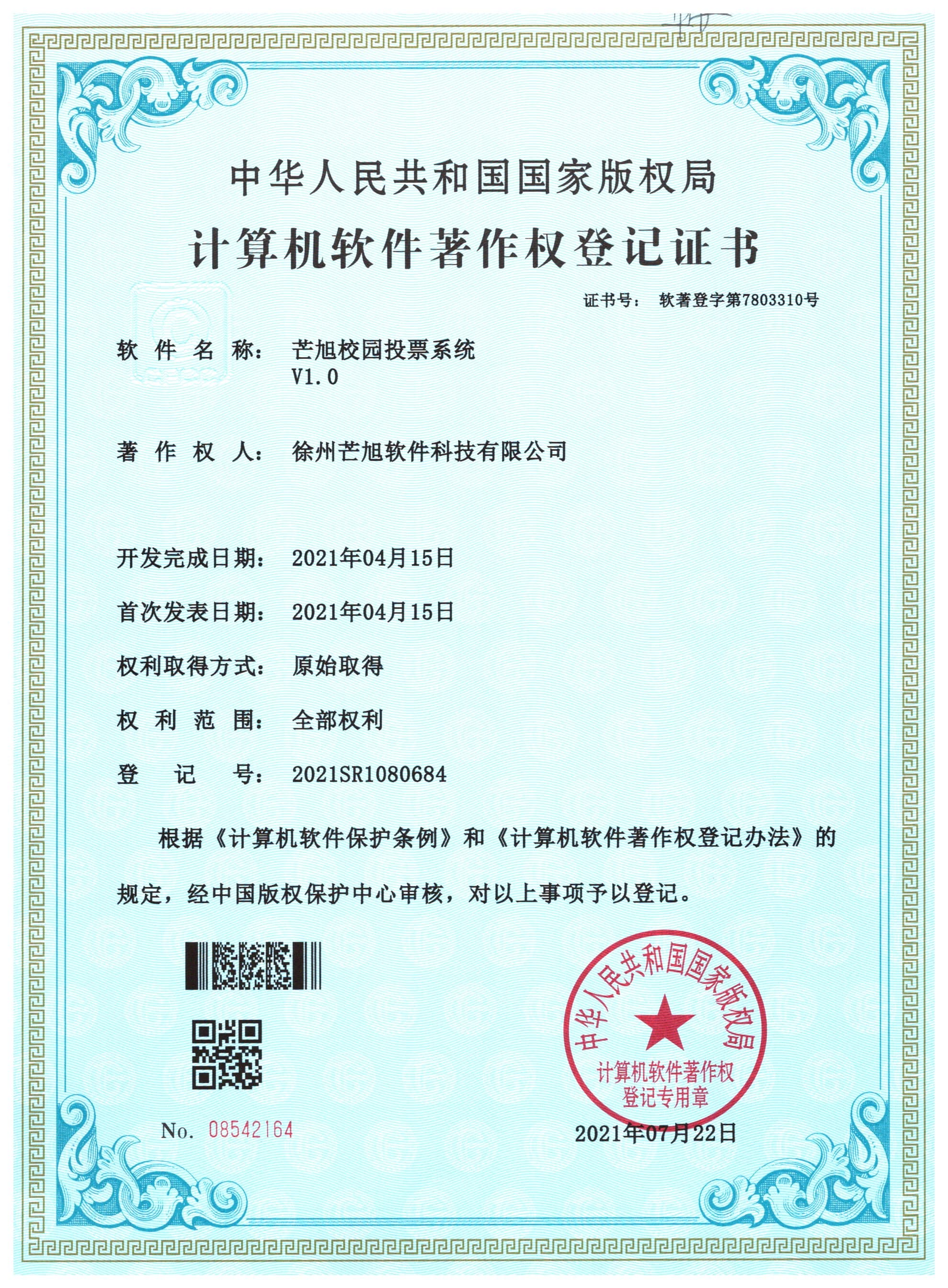
计算机软件著作权登记证书
Related Tags
常见问题
- How does the voting system ensure fairness?
- The voting system ensures fairness through multiple mechanisms: first, identity verification technologies (such as SMS verification, email verification, or single sign-on) are used to confirm the authenticity of voters; second, encryption technology protects the voting content from tampering during transmission; third, anonymous voting is supported to safeguard voter privacy; finally, the system maintains a complete audit log for post-event traceability and verification.
- What voting types does the voting system support?
- The voting system typically supports various voting types, including: single-choice voting (e.g., electing a candidate), multiple-choice voting (e.g., selecting multiple options), ranked voting (e.g., priority ordering), rating voting (e.g., satisfaction scoring), and yes/no voting (e.g., approval/rejection). Additionally, rules such as voting time limits, voter count restrictions, and duplicate voting prevention can be configured.
- What scenarios is the voting system suitable for?
- The voting system is widely used in scenarios such as enterprises (e.g., employee satisfaction surveys, project decisions), government (e.g., public opinion collection, policy voting), educational institutions (e.g., student council elections, course evaluations), communities (e.g., event voting, owner decisions), and online activities (e.g., competition voting, audience interaction).
- How is data security ensured in the voting system?
- Data security is the core of the voting system. Measures typically include SSL/TLS encrypted transmission, database encryption storage, access control, and protection against SQL injection and XSS attacks. Additionally, the system undergoes regular security audits and penetration testing to ensure no vulnerabilities. For high-security requirements, blockchain technology can be introduced to make voting data tamper-proof.
- Can the voting system be integrated with existing systems?
- Yes, most voting systems provide API interfaces or SDKs for integration with enterprise OA, CRM, HR systems, or third-party platforms (e.g., WeChat, DingTalk). Single sign-on (SSO) enables unified user authentication, and voting results can be automatically synchronized to other systems, reducing redundant work.