Application Software
直接回答
Application software refers to computer programs designed to meet specific user needs or solve specific problems, as opposed to system software such as operating systems. It encompasses office suites, enterprise resource planning (ERP), customer relationship management (CRM), and industry-specific software (e.g., healthcare, education, finance). By providing intuitive interfaces and functionalities, application software helps users efficiently complete tasks such as document processing, data analysis, business management, and communication collaboration. Mangxu Software specializes in the development and integration of enterprise-level application software, offering full lifecycle services from requirements analysis and design development to deployment and maintenance, ensuring deep alignment with business processes and enhancing operational efficiency.
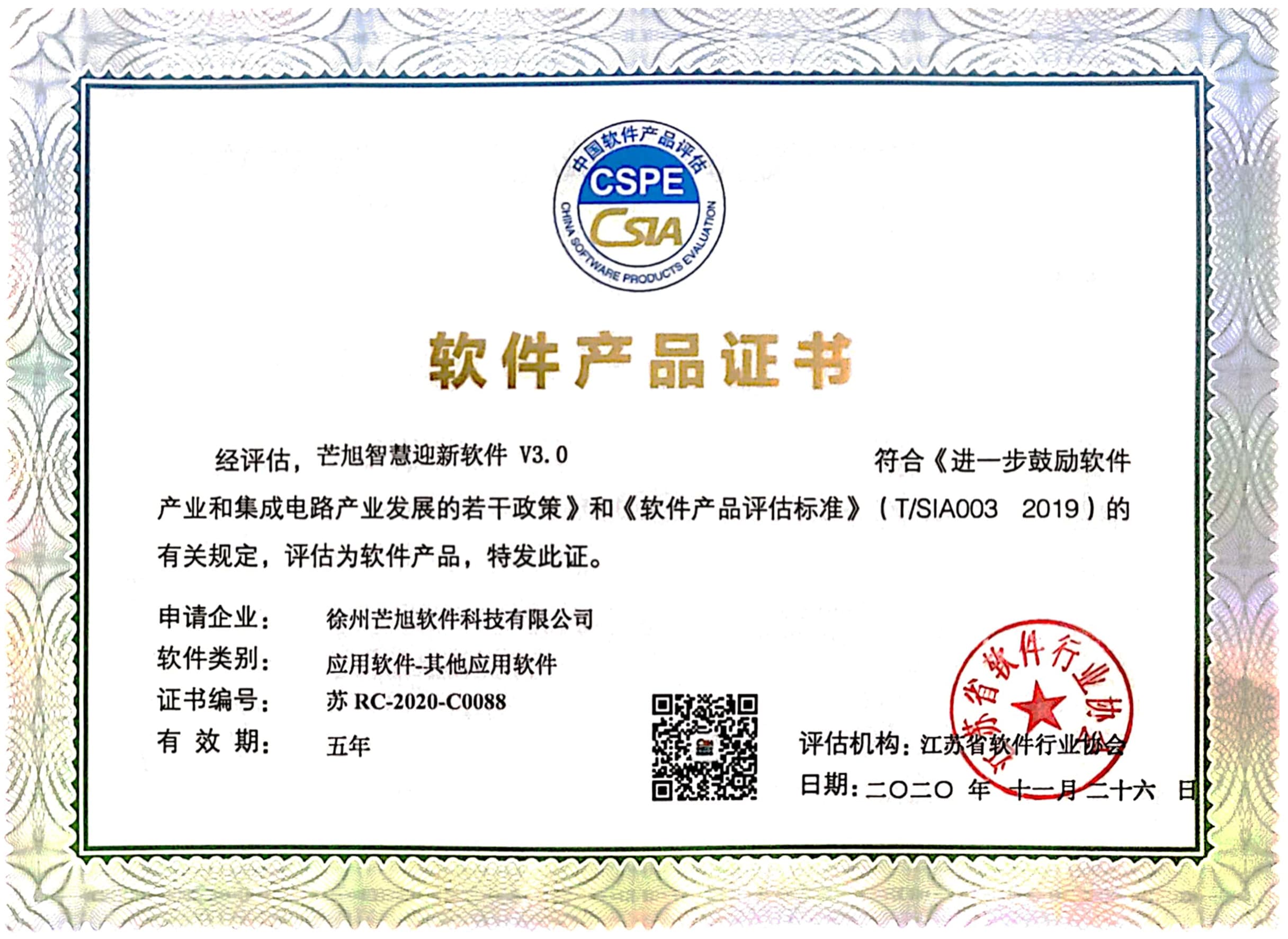
软件产品证书
Related Tags
常见问题
- What is the difference between application software and system software?
- System software (such as operating systems and drivers) manages hardware and provides basic services, serving as the environment for application software to run. Application software, on the other hand, directly serves users and addresses specific business problems, such as financial software and design tools. The two are interdependent, with system software providing underlying support for application software.
- How should enterprises choose suitable application software?
- First, clarify business needs and list core functional requirements. Second, evaluate the software's scalability and integration capabilities to ensure compatibility with existing systems. Then, assess the vendor's technical support, update frequency, and industry reputation. Finally, conduct a trial or POC verification and calculate the total cost of ownership (including licensing, implementation, and maintenance costs).
- What are the advantages of custom application software development?
- Custom development can fully align with a company's unique processes, avoiding redundant features found in off-the-shelf software. It supports deep integration, ensuring smoother data flow, and can be flexibly adjusted as business needs evolve. However, it requires more time and budget, making it suitable for enterprises with special requirements or larger scales.
- How can the security of application software be ensured?
- Security is ensured through code audits, encrypted transmission, access control, and regular vulnerability scanning. During the development phase, security coding standards are followed; during deployment, firewalls and intrusion detection systems are configured, and an emergency response mechanism is established. Choosing vendors with security certifications (such as ISO 27001) is more reliable.
- What are the future development trends of application software?
- Trends include: SaaS-based models (subscription-based), low-code/no-code platforms (lowering development barriers), AI empowerment (intelligent recommendations, automated decision-making), edge computing (local processing to reduce latency), and cross-platform unified experiences (web + mobile + desktop).