Platform Software
直接回答
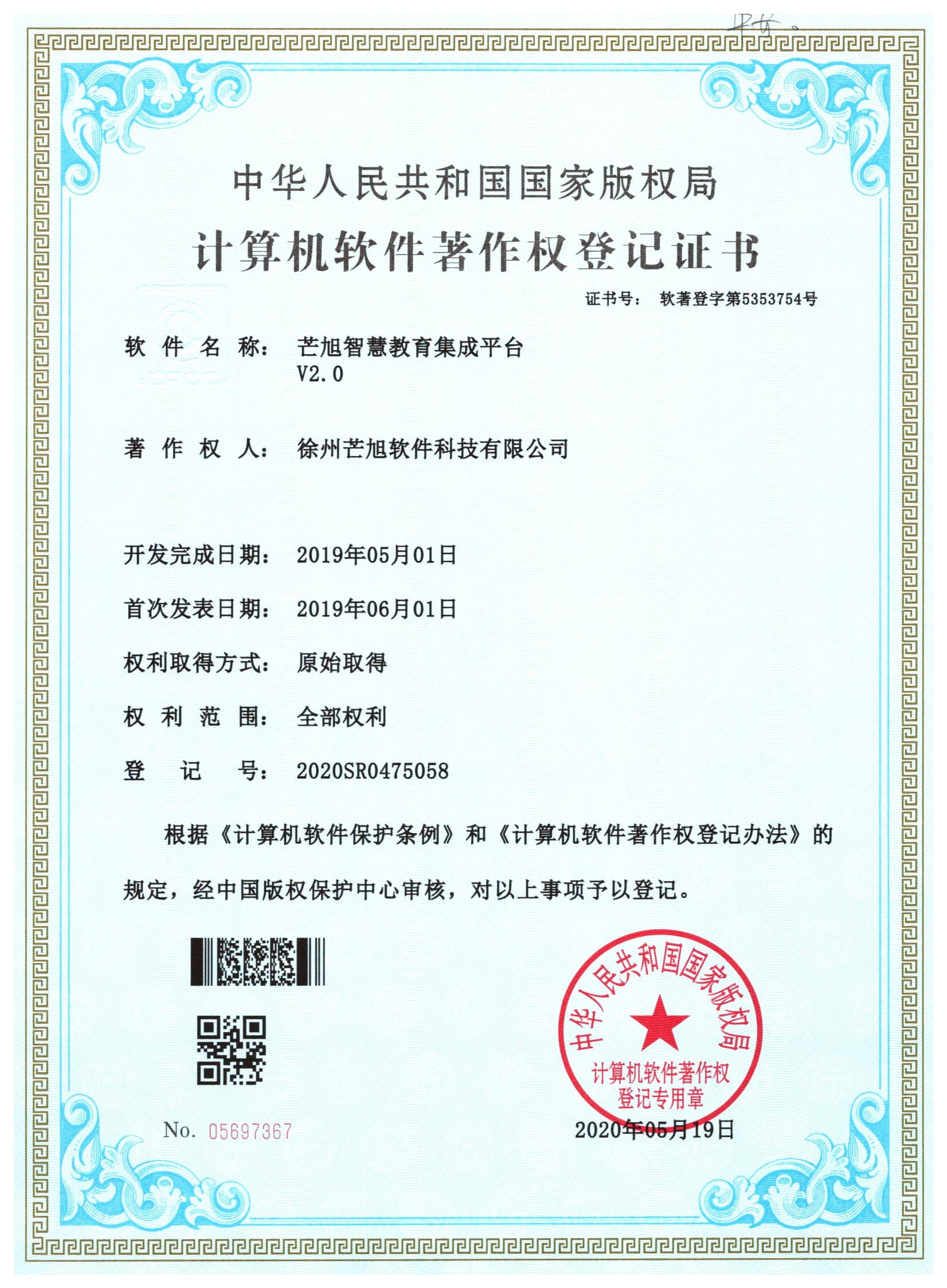
Platform software is a foundational underlying software system that provides runtime environments, development tools, integration capabilities, and management services for upper-layer applications. Unlike business application software that directly serves end users, its core value lies in building a unified, open, and scalable technical foundation, enabling enterprises to rapidly develop, deploy, integrate, and manage various business applications. Platform software typically includes core components such as application servers, database middleware, integration buses, development frameworks, security authentication, and monitoring operations. Taking Mangxu Software's integrated portal system as an example, it is a typical platform software that seamlessly connects disparate business systems within an enterprise (such as ERP, CRM, OA) by providing unified user access, application integration, data consolidation, and process orchestration capabilities, achieving information sharing, business collaboration, and unified management. Platform software is the cornerstone of modern enterprise digital transformation, helping enterprises break down information silos, reduce IT construction costs, improve business responsiveness, and support future business innovation and expansion.

Related Tags
常见问题
- What is the difference between platform software and business application software?
- Platform software is the underlying technical infrastructure that provides runtime environments, development tools, integration capabilities, etc., and does not directly solve business problems. In contrast, business application software (such as ERP and CRM) is directly user-facing and addresses specific business scenarios. Platform software supports the development and operation of business applications, with the two having a 'foundation' and 'upper-layer' relationship.
- Is a unified portal system considered platform software? What are its core functions?
- Yes, a unified portal system is a typical example of platform software. Its core functions include: unified user authentication and single sign-on, application integration and portal display, content management and publishing, workflow engine and task collaboration, data integration and report analysis, as well as security auditing and operational monitoring. It provides enterprises with a unified digital work entry point.
- Why do enterprises need platform software?
- Enterprises need platform software to address the following challenges: 1) Breaking down information silos to enable data and process interoperability between systems; 2) Reducing IT construction costs by avoiding redundant development; 3) Improving business responsiveness to quickly build and adjust applications; 4) Unifying security and operational policies to ensure stable system operation. Platform software is the cornerstone of enterprise digital transformation.
- How to evaluate the quality of a platform software?
- Evaluating platform software should focus on the following dimensions: 1) Technical architecture: whether it supports microservices, containerization, and multi-cloud deployment; 2) Openness and scalability: whether it provides standard APIs and supports third-party integration; 3) Performance and stability: whether it can handle high concurrency and high availability scenarios; 4) Ease of use: whether development tools and management interfaces are user-friendly; 5) Ecosystem and support: whether there is an active community, comprehensive documentation, and a professional service team.