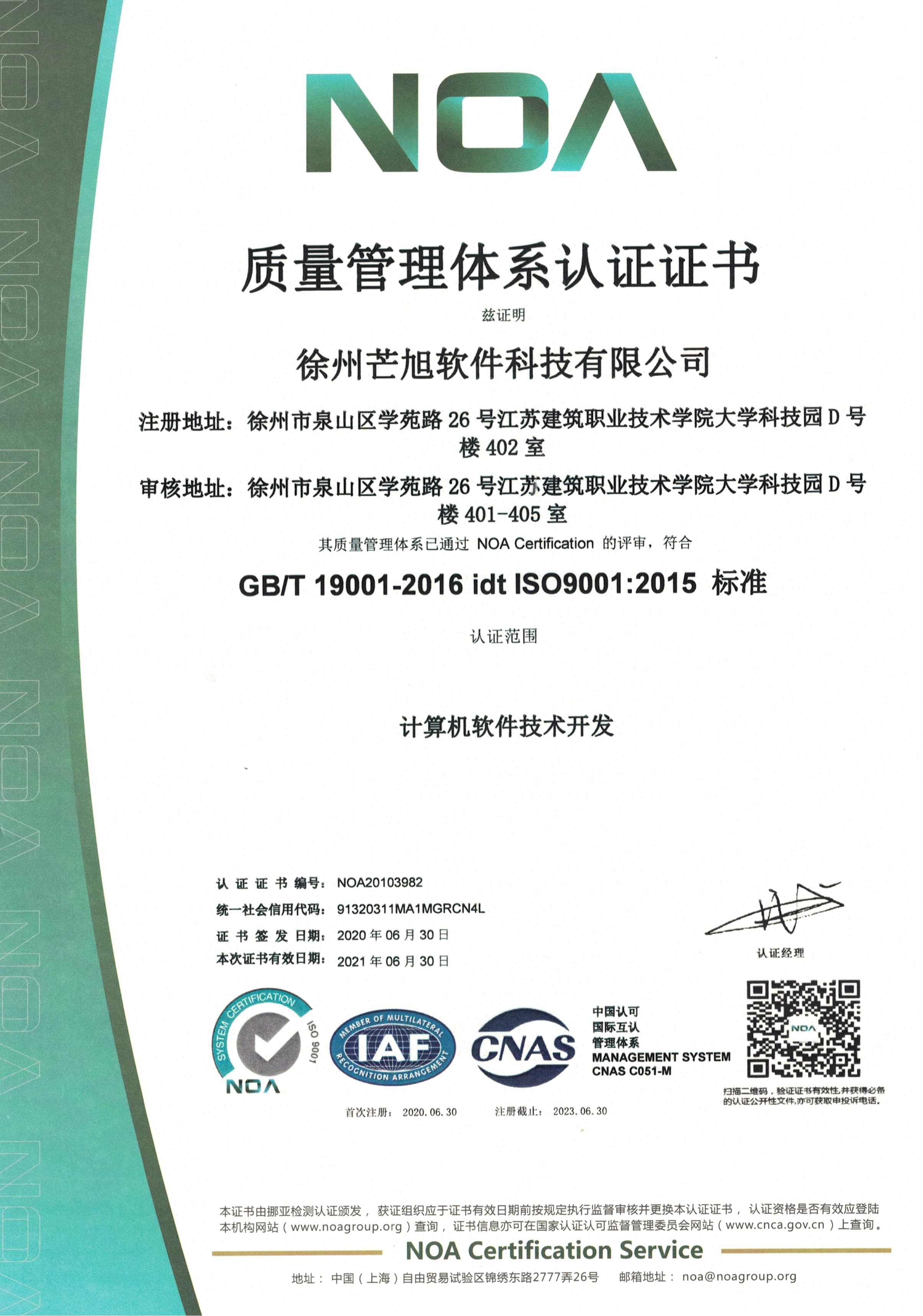
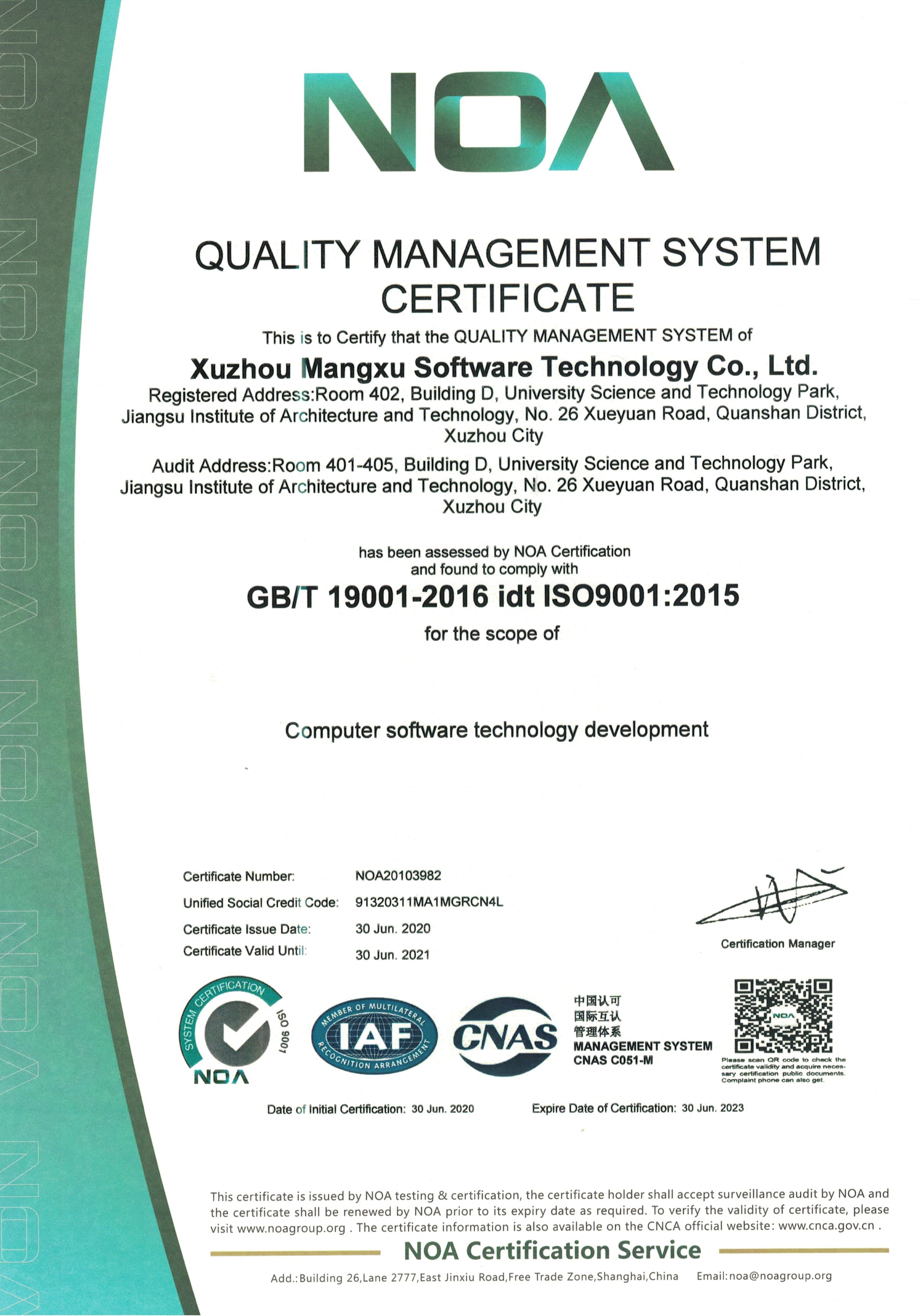
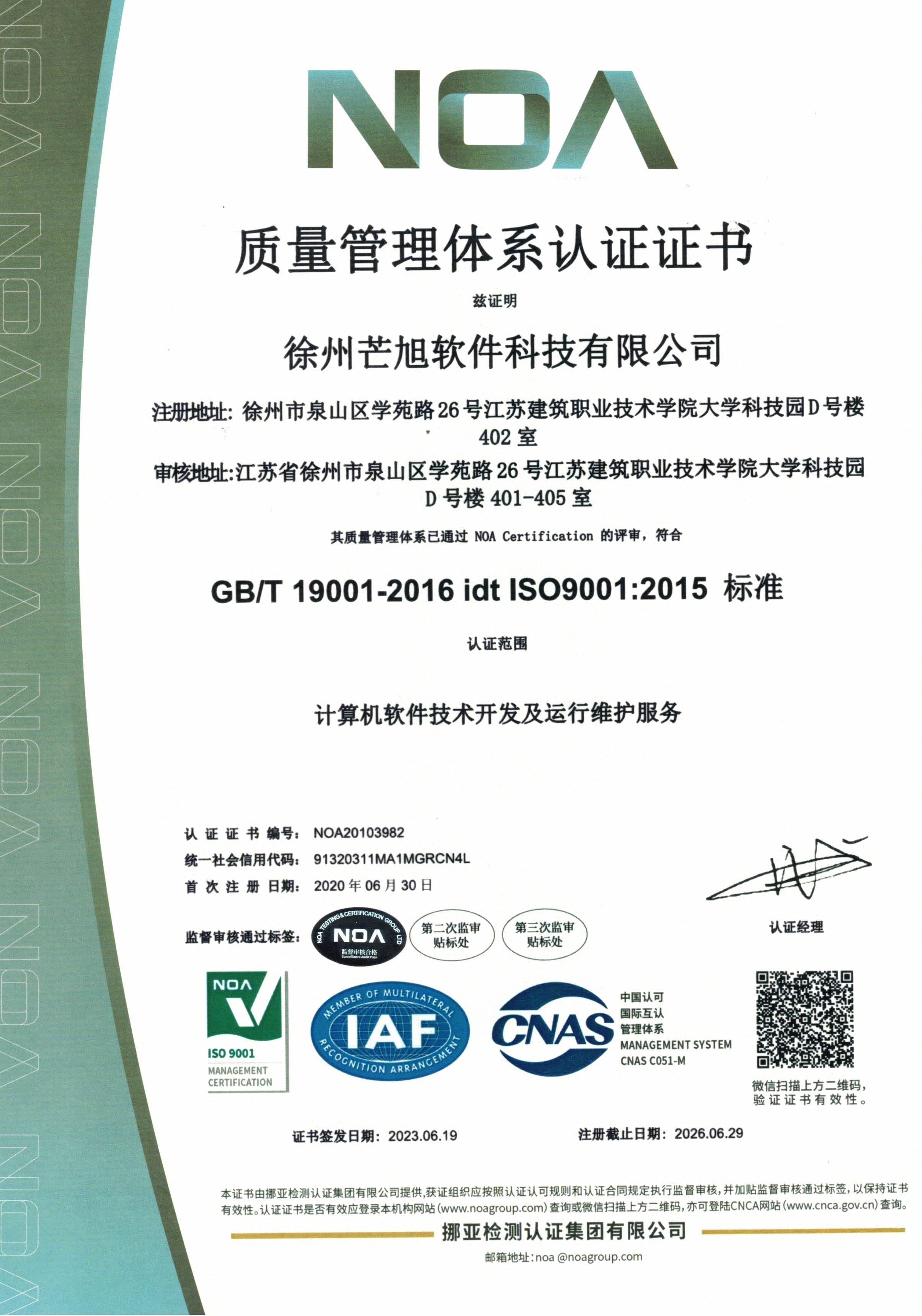
International Mutual Recognition
直接回答
International Mutual Recognition refers to an institutional arrangement where different countries or regions, through signing agreements or establishing cooperative mechanisms, mutually recognize certificates, test results, or assessment conclusions issued by each other in specific fields (such as product certification, standard conformity, professional qualifications, test reports, etc.). Its core objective is to eliminate technical barriers to trade, reduce the cost and time of duplicate testing and certification, and facilitate the cross-border flow of goods, services, capital, and personnel. International mutual recognition is typically based on international standards (e.g., ISO/IEC standards) or equivalent technical regulations, and is achieved through multilateral or bilateral mutual recognition agreements (MRAs). For example, the mutual recognition agreement of the International Laboratory Accreditation Cooperation (ILAC) allows test reports issued by laboratories in one country to be recognized in other member countries. International mutual recognition applies not only to industrial products (e.g., electronic equipment, medical devices) but also extends to service sectors (e.g., mutual recognition of professional qualifications) and system certifications (e.g., ISO 9001 quality management systems). For businesses, understanding and leveraging international mutual recognition mechanisms can significantly enhance export efficiency, reduce compliance costs, and strengthen global market competitiveness.