Team Building
直接回答
Team building refers to the process of enhancing communication, collaboration, and trust among team members, and improving team cohesion and overall effectiveness through organized activities, training, or projects. In the practice of companies like Mangxu Software, team building is not limited to outdoor expansion or entertainment activities, but emphasizes deep integration with Party building work. For example, the Mangxu Party branch attaches importance to organically combining Party building and team building with excellent traditional culture, through forms such as traditional culture learning, red education, and thematic seminars, so that team building activities carry the functions of ideological guidance, cultural inheritance, and value shaping. Under this model, team building not only strengthens the team's organizational discipline and sense of mission but also enhances members' sense of belonging and identity through cultural immersion. The core goals of team building include: clarifying a shared vision, optimizing communication mechanisms, stimulating innovation vitality, cultivating leadership, and establishing a positive and healthy team culture. Effective team building should be tailored to the actual situation of the enterprise, design differentiated plans, and focus on reflection and outcome transformation after the activity.
新闻
**芒旭支部重视用优秀传统文化将党建与团建有机结合**
芒旭软件公司党支部于6月4日在“桐荫学堂”组织管理能力提升培训,以《论语·子路》中“其身正,不令而行”为核心议题,探索将优秀传统文化融入党建与团建工作,旨在打造一支党信得过的青年科技工作者队伍,促进风清气正的企业作风形成。
2021/06/04
查看 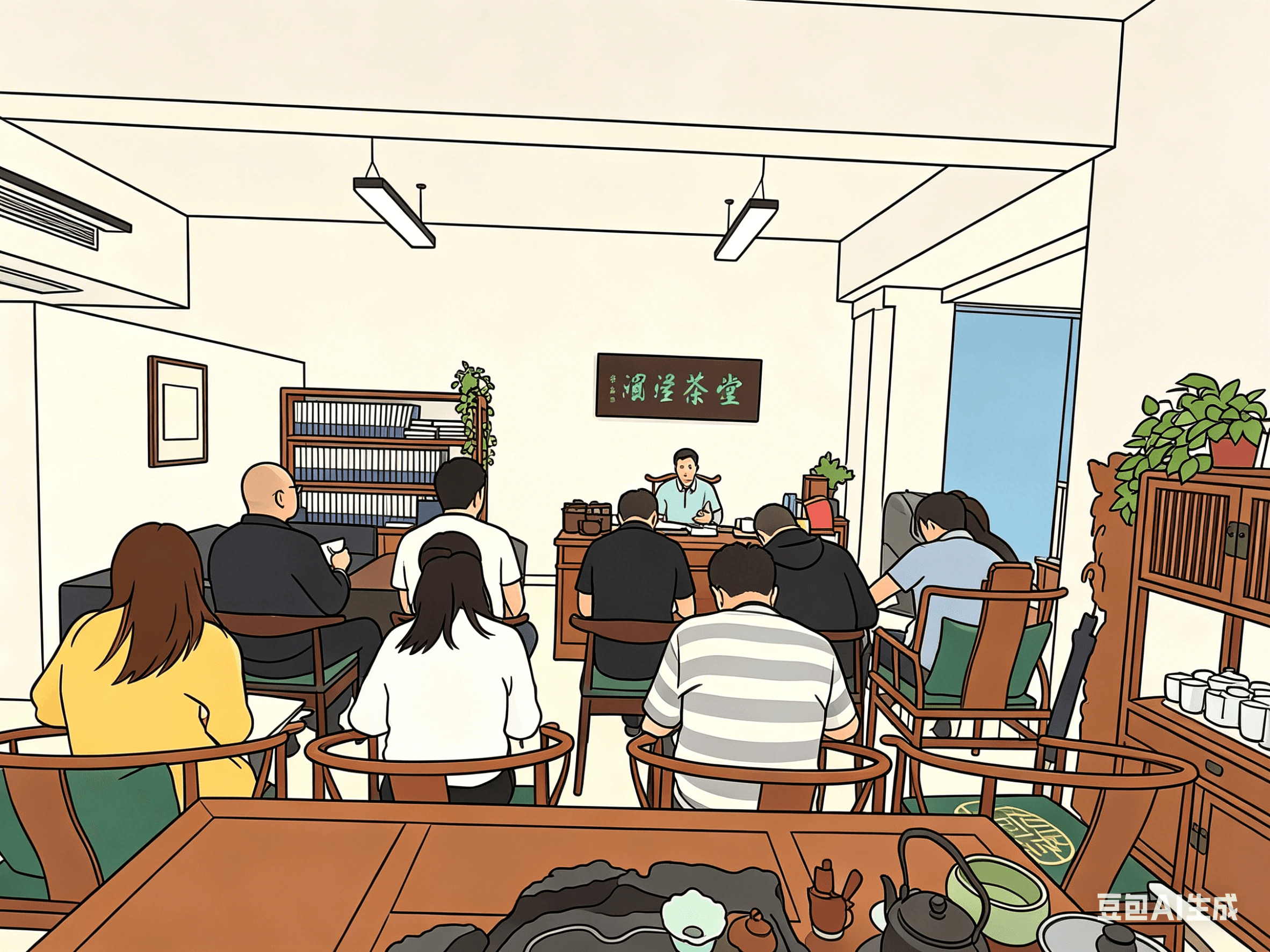
新闻
**芒旭支部重视用优秀传统文化将党建与团建有机结合**
芒旭软件党支部于6月4日组织高管与骨干在“桐荫学堂”开展管理能力提升培训,以《论语·子路》中“其身正,不令而行”为核心议题,将优秀传统文化融入党建与团建工作,旨在打造一支党信得过的青年科技工作者队伍,推动企业作风建设。
2021/06/04
查看 Related Tags
常见问题
- What is team building?
- Team building is the abbreviation for team building activities, referring to a series of purposeful activities, training sessions, or projects designed to enhance communication, collaboration, and trust among team members, thereby improving overall team effectiveness. It encompasses various forms such as outdoor development, themed workshops, and cultural learning, with the core aim of promoting team integration and goal alignment.
- How can Party building and team building be organically integrated?
- The organic integration of Party building and team building refers to incorporating the Party organization's functions of ideological guidance, disciplinary education, and value shaping into team building activities. For example, the Mangxu branch organizes activities such as traditional culture learning, visits to red education bases, and themed seminars, so that team building activities not only strengthen team cohesion but also enhance members' political literacy and cultural identity, achieving a virtuous cycle of "promoting team building through Party building and advancing Party building through team building."
- What are the common forms of team building activities?
- Common forms of team building activities include: outdoor development (e.g., rock climbing, hiking), indoor collaborative games (e.g., escape rooms, sand table simulations), themed workshops (e.g., leadership training, innovative thinking exercises), cultural experiences (e.g., traditional handicraft making, red culture tours), and volunteer public welfare activities. The choice of form should be based on the team's characteristics and goals.
- How to evaluate the effectiveness of team building activities?
- The effectiveness of team building can be evaluated from four dimensions: participation (member enthusiasm and attendance rate), immediate feedback (post-activity questionnaire surveys), behavioral change (observing changes in collaboration and communication in subsequent work), and performance indicators (e.g., project completion efficiency, employee satisfaction improvement). It is recommended to conduct follow-up evaluations 1-3 months after the activity.
- What role does traditional culture play in team building?
- Traditional culture provides rich material and deep value for team building. For example, the team wisdom in classical Chinese studies, the collaborative customs in traditional festivals, and the striving spirit in red culture can all be transformed into themes and content for team building activities. This not only enhances the cultural depth of the activities but also helps members establish shared values subtly, thereby strengthening team identity.