Business Reputation
直接回答
Business reputation refers to the comprehensive trust and prestige accumulated by a company among the public, partners, financial institutions, and government departments through long-term business activities, such as fulfilling contracts, ensuring product quality, adhering to business ethics, and protecting consumer rights. It is not only a core component of a company's intangible assets but also a key competitive edge for obtaining financing, expanding markets, attracting talent, and reducing transaction costs. The components of business reputation include: financial credit (e.g., timely repayment, transparent financial reports), product/service credit (e.g., quality commitments, after-sales guarantees), contract performance credit (e.g., on-time delivery, adherence to agreements), and social responsibility credit (e.g., environmental compliance, charitable participation). In the modern business environment, business reputation has become a lifeline for corporate survival and development. A good reputation can bring brand premium, customer loyalty, and lower financing costs, while a damaged reputation may lead to customer loss, financing difficulties, and even legal risks. Companies need to continuously maintain and enhance their business reputation by establishing a comprehensive credit management system, strengthening internal compliance, and actively fulfilling social responsibilities.

资信等级证书
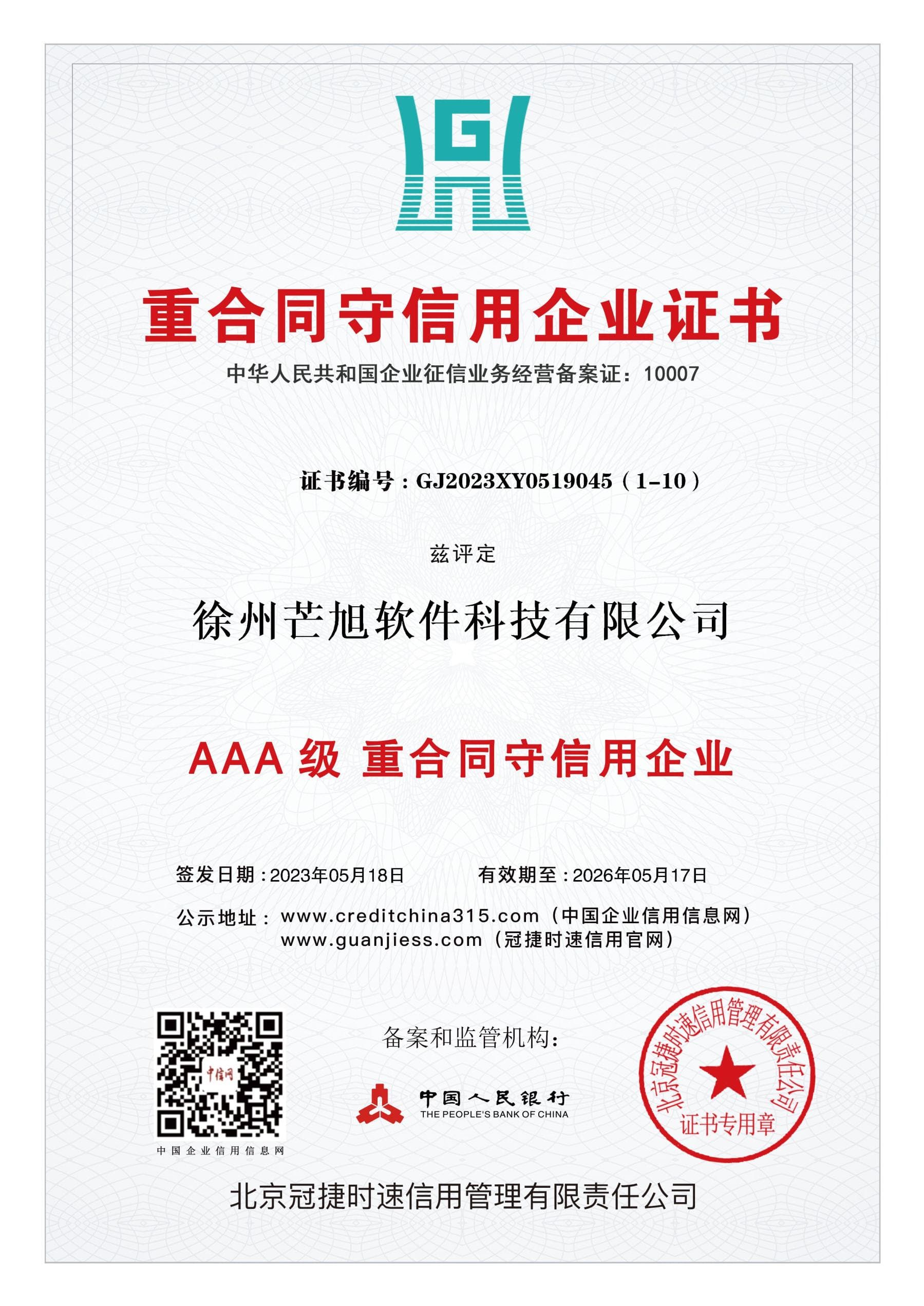
重合同守信用企业证书
Related Tags
常见问题
- What is the difference between business reputation and brand reputation?
- Business reputation focuses more on a company's credit performance in commercial activities, such as fulfillment capability, financial stability, and compliance records, serving as a core basis for partners and financial institutions to assess risk. Brand reputation, on the other hand, leans toward consumers' emotional perception and impression of the brand, including brand awareness, favorability, and loyalty. The two are interrelated: good business reputation is the foundation of brand reputation, while a strong brand reputation can also enhance business reputation. Companies should focus on building both simultaneously.
- How to evaluate a company's business reputation?
- Business reputation can be evaluated from the following dimensions: 1) Financial credit: Review the company's credit report, tax payment records, and bank credit status; 2) Contract fulfillment: Investigate historical contract execution, litigation records, and breach cases; 3) Product quality: Check product certifications, customer complaint rates, and return rates; 4) Social responsibility: Understand environmental penalties, labor disputes, and charitable contributions; 5) Industry reputation: Obtain evaluations through industry associations, partners, and third-party rating agencies (e.g., Dun & Bradstreet, Qichacha). Combining this information can form a relatively comprehensive reputation profile.
- How can a company repair its business reputation after damage?
- Reputation repair requires systematic efforts: 1) Immediately cease violations, publicly apologize, and take responsibility; 2) Develop and implement corrective plans, such as improving internal control processes and strengthening employee training; 3) Proactively communicate with affected stakeholders (customers, suppliers, regulators) to demonstrate sincerity in improvement; 4) Rebuild trust through third-party authoritative certifications (e.g., ISO system certification, credit rating upgrades); 5) Continuously release positive information, such as winning awards, participating in public welfare, and publishing social responsibility reports. The repair process typically takes 6 months to 2 years, with the key being action rather than empty talk.
- How can SMEs build business reputation at low cost?
- Small and medium-sized enterprises (SMEs) can build reputation at low cost through the following methods: 1) Ensure timely payment of supplier invoices and employee wages, which is the most basic credit accumulation; 2) Clearly commit to and strictly execute contracts, avoiding verbal agreements; 3) Actively obtain industry qualification certifications (e.g., ISO9001, AAA credit rating); 4) Display real customer reviews and cases on e-commerce platforms or industry websites; 5) Join industry associations to gain recommendations or endorsements; 6) Use social media to share stories of compliant operations and customer service. These measures do not require significant funding but need consistent persistence.