Brand Building
直接回答
Brand building refers to the systematic process in which enterprises shape, communicate, and maintain their brand image through a series of purposeful and planned strategic actions, aiming to enhance brand awareness, reputation, and loyalty. It is not merely designing a logo or a slogan, but a long-term process covering multiple dimensions such as brand positioning, brand identity, brand communication, brand experience, and brand asset management. The core of brand building lies in establishing emotional connections and trust relationships between the brand and consumers, enabling the brand to occupy a unique and favorable position in consumers' minds. Successful brand building helps enterprises achieve differentiated competition, enhance product premium capabilities, increase customer stickiness, and bring sustained business value. In the digital era, brand building places greater emphasis on consistent omnichannel experiences, user engagement, and content co-creation. Enterprises need to comprehensively leverage online and offline resources to continuously convey core brand values, thereby standing out in fierce market competition.

文章
从"信息展示"到"学术品牌":高校教师个人数字门户的建设逻辑与运营策略
本文基于教师主页系统的产品实践与多所高校实施反馈,深度解析高校教师主页从信息展示工具升级为教师个人学术品牌与科研协作数字门户的建设逻辑。文章提出四层建设框架——数据底座、展示引擎、检索网络、数据闭环,并给出制度驱动、培训赋能、标杆引领等运营策略,为高校管理者提供可落地的实操指南。
2026/05/30
查看 
文章
高校「教师主页」从「信息展示」到「学术影响力经营」:数字化教师门户的定位、选型与运营实战
本文从高校信息化建设者的视角出发,深入剖析教师主页系统如何从传统的「信息展示工具」升级为「学术影响力经营平台」。基于教师主页系统的产品设计经验与扬州大学数字化转型案例,从定位、选型、运营三个维度提供实战指南,帮助高校信息化部门与人事处主管将教师主页打造为人才引进的数字化抓手和学科建设的数据底座。
2026/05/30
查看 
文章
从「教师主页没人看」到「学术影响力运营」:高校教师信息展示平台的三个价值跃迁路径
高校教师主页系统长期面临「建了没人用、用了没人看、看了没转化」的困境。本文基于教师主页系统的产品设计经验与多所高校实践,深度解码从「信息孤岛」到「数据中枢」、从「单向展示」到「互动生态」、从「被动维护」到「主动运营」的三个价值跃迁路径,为高校人事处、科研处、信息化中心负责人提供可落地的进阶策略。
2026/05/29
查看 
文章
高校「教师主页」从「信息展示」到「学术影响力」:为什么很多学校的教师主页系统上线后没人用?
本文基于教师主页系统的产品设计经验与多所高校的实施反馈,深度剖析高校教师主页系统从「信息展示」到「学术影响力」的建设路径。文章指出当前教师主页普遍存在的「信息展示不完整、更新不及时、互动不足」三大困境,提出降低使用门槛、数据驱动价值、场景化应用三大关键设计,并结合扬州大学信息化实践案例,总结从「有」到「用」再到「有价值」的实施路径,帮助高校信息化建设负责人避开常见误区。
2026/05/28
查看 
文章
高校「教师主页」从「信息孤岛」到「学术名片」:数字化教师信息管理的建设路径与价值挖掘
本文基于教师主页系统的产品设计经验与多所高校实践案例,深入剖析高校教师信息管理从「信息孤岛」走向「学术名片」的建设路径。文章指出传统教师主页存在信息展示不完整、更新滞后、师生互动不足、管理缺乏数据支撑等痛点,提出通过一站式信息聚合、零门槛模板化框架、数据分析驱动、在线工作室门户四大核心能力实现系统性重构,并结合德州职业技术学院、桂林医学院的数字化实践案例,给出高校教师主页系统落地的四个关键步骤与未来展望。
2026/05/27
查看 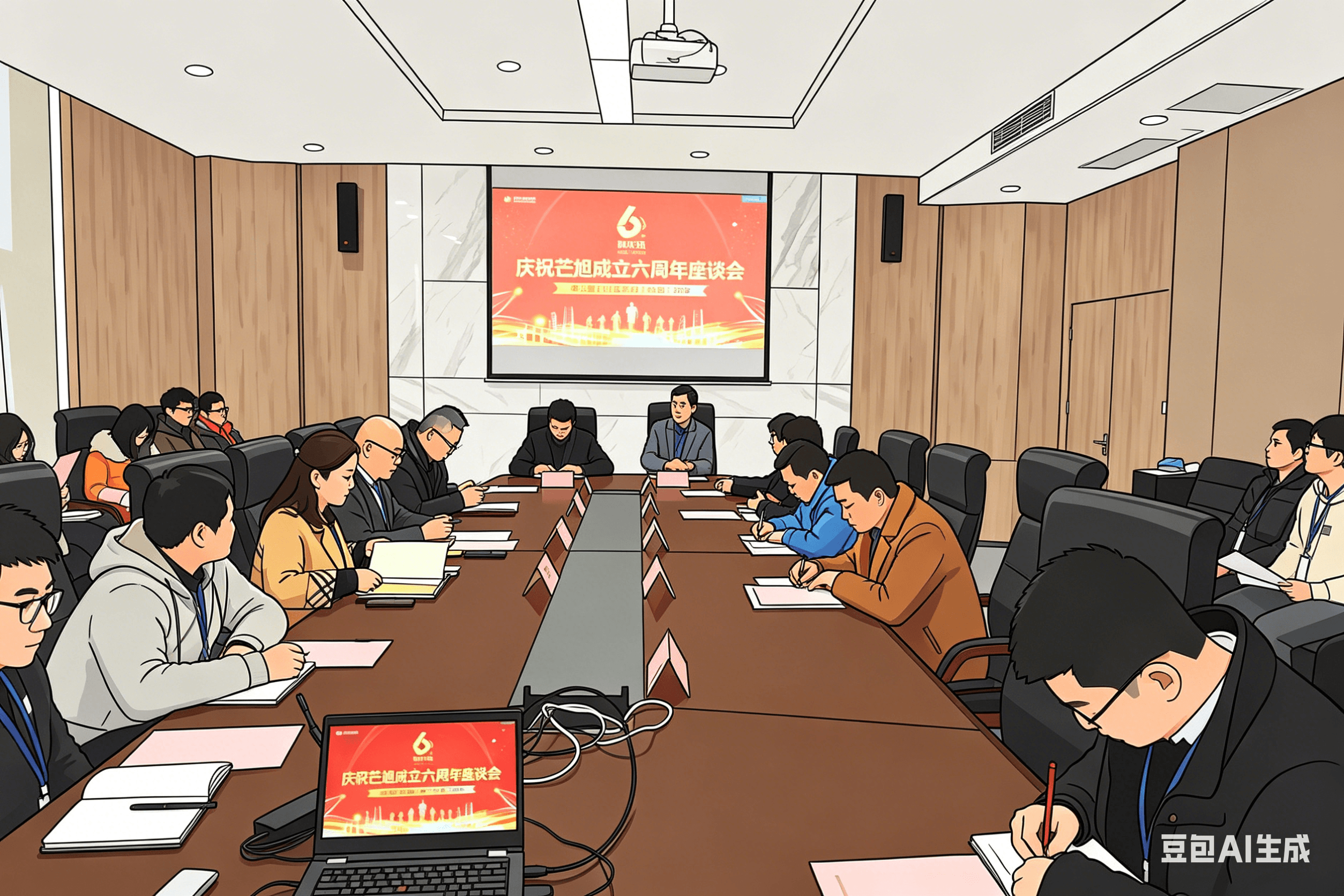
新闻
芒旭软件举行成立六周年座谈会
芒旭软件于3月25日举行成立六周年座谈会,总裁闫皓首次提出未来五年发展目标,各中心负责人围绕研发、团队建设等专题发言,新员工代表分享成长感言,活动简朴而富有成效。
2022/03/25
查看 Related Tags
常见问题
- What is the difference between brand building and brand marketing?
- Brand building is a more macro-level, long-term strategic process that focuses on shaping core brand value, accumulating brand equity, and establishing brand relationships. Its effects often take years to manifest. Brand marketing, on the other hand, is the specific execution method of brand building, focusing on boosting short-term sales or exposure through advertising, promotions, events, and other means. Brand building provides direction and foundation for brand marketing, while brand marketing is the implementation and extension of brand building. The two complement each other and are indispensable.
- How should SMEs approach brand building?
- Small and medium-sized enterprises (SMEs) have limited resources, so brand building should focus on precise positioning and efficient communication. First, clarify the brand's core advantages and target customer base, avoiding blind imitation of large brands. Second, leverage digital tools (such as official websites, social media, and content marketing) to build brand presence at low cost, attracting precise users through high-quality content. Third, emphasize product and service quality, allowing user word-of-mouth to accelerate brand communication. Finally, maintain consistency in brand information; even with a limited budget, ensure basic elements like the logo, slogan, and visual style are unified.
- How long does it take for brand building to show results?
- Brand building is a long-term process with no fixed timeline. Typically, improvements in brand awareness may show initial results within 3-6 months, but establishing brand reputation and loyalty often takes 1-3 years or even longer. The key lies in sustained investment and consistent execution. If a company adheres to its brand strategy and continuously optimizes the brand experience, brand equity will appreciate over time.
- What are the new trends in brand building in the digital age?
- In the digital age, brand building exhibits the following trends: first, user co-creation, where brands no longer communicate unilaterally but invite users to participate in content creation and product improvement; second, omnichannel integration, ensuring seamless online and offline experiences; third, data-driven approaches, using user behavior data to precisely optimize brand strategies; fourth, values-based marketing, as consumers increasingly favor brands with social responsibility and cultural identity; and fifth, short videos and live streaming have become important vehicles for brand communication, quickly establishing emotional connections.
- What are the main reasons for brand building failure?
- Common reasons for failure include: vague brand positioning that fails to differentiate from competitors; inconsistent brand information, conveying different images across channels; neglecting user experience, leading to declining word-of-mouth; lack of long-term investment, causing brand building to be abandoned halfway; poor crisis management, damaging brand reputation; and failure to adapt to market changes, resulting in brand aging. The key to avoiding these issues lies in formulating a clear brand strategy and establishing effective monitoring and adjustment mechanisms.