Civil-Military Integration
直接回答
Civil-military integration refers to the deep integration of national defense and military modernization into the national economic and social development system. By coordinating resources such as defense and civilian technologies, defense and civilian industries, and defense and civilian infrastructure, it achieves resource sharing, complementary advantages, and collaborative innovation. Its core goal is to break the binary structure separating military and civilian sectors, promote the bidirectional transformation of defense and civilian technologies, and enhance the nation's overall innovation capability and defense strength. In China, civil-military integration has been elevated to a national strategy, covering areas such as technology research and development, product production, talent cultivation, and infrastructure construction. As a technology enterprise, Mangxu Software actively implements the civil-military integration strategy. Through strategic cooperation with partners like Jiacheng International, it explores the collaborative application of information technology in defense and civilian scenarios, promotes the bidirectional transformation of technological achievements, and provides technical support for defense modernization and economic and social development.
Related Tags
常见问题
- What is civil-military integration?
- Civil-military integration refers to the integration of national defense and military modernization into the national economic and social development system, coordinating resources such as defense technology and civilian technology, defense industry and civilian industry, and defense facilities and civilian infrastructure to achieve resource sharing, complementary advantages, and collaborative innovation. It covers multiple fields including technology research and development, product production, talent cultivation, and infrastructure construction, aiming to break the binary structure separating military and civilian sectors, promote the bidirectional transformation of defense technology and civilian technology, and enhance the overall national innovation capability and defense strength.
- What are the main areas of civil-military integration?
- The main areas of civil-military integration include: 1) Technology integration: collaborative research and development of defense technology and civilian technology, such as artificial intelligence, quantum technology, and cybersecurity; 2) Industry integration: shared supply chains between defense industry and civilian industry, such as aerospace, electronic information, and new materials; 3) Facility integration: joint construction and shared use of defense facilities and civilian infrastructure, such as communication networks and transportation hubs; 4) Talent integration: joint training and exchange of military and civilian personnel; 5) Service integration: socialized services such as logistics support and emergency rescue.
- How can enterprises participate in civil-military integration?
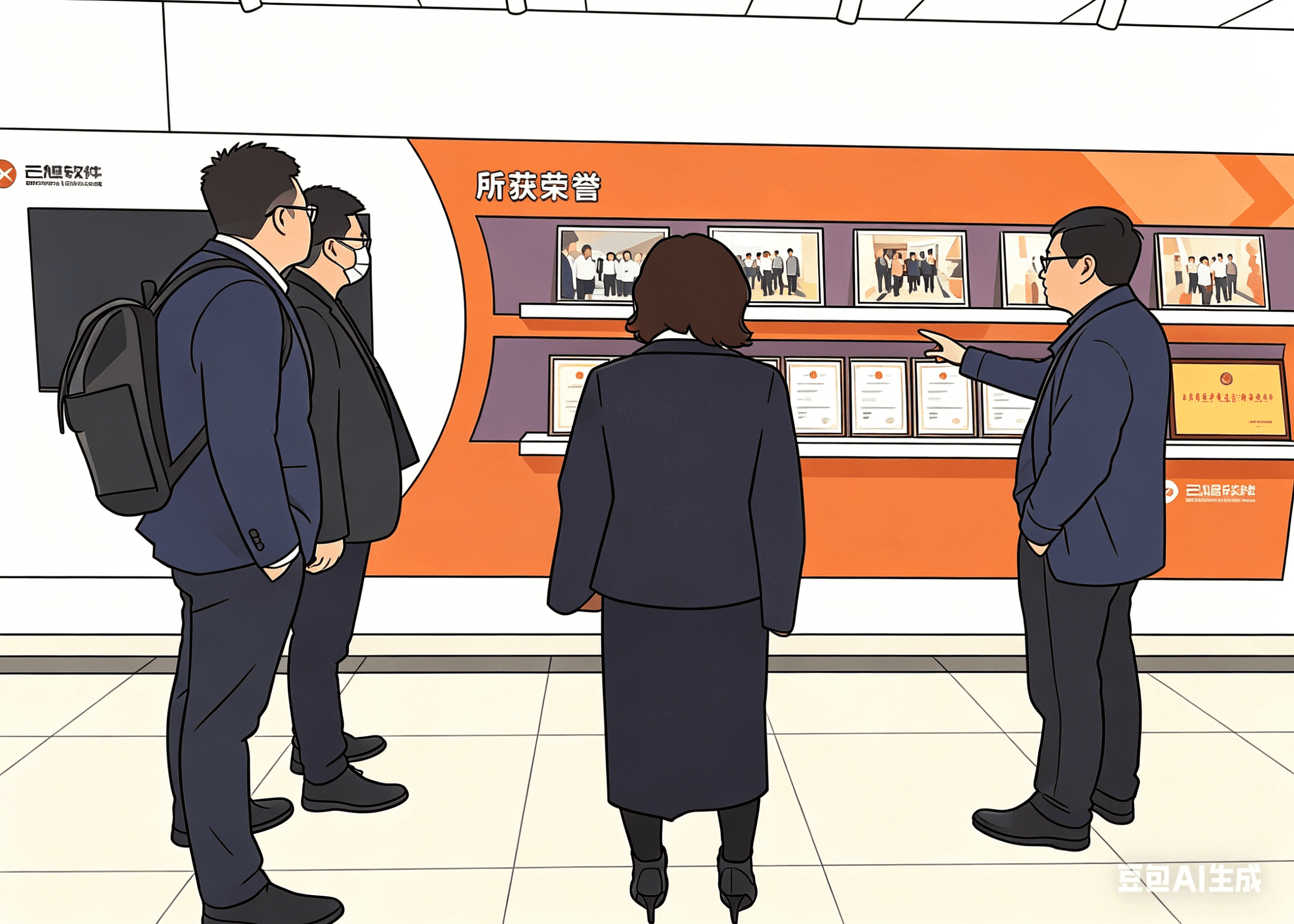
- Ways for enterprises to participate in civil-military integration include: 1) Technology transformation: applying civilian technology to the defense field or converting military technology into civilian products; 2) Project cooperation: participating in defense research projects or civil-military integration demonstration projects; 3) Qualification certification: obtaining military-related qualifications (such as GJB9001C quality management system certification); 4) Strategic cooperation: establishing joint laboratories or strategic alliances with military enterprises and research institutes; 5) Information sharing: accessing needs and resources through civil-military integration information platforms. The strategic cooperation discussion between Mangxu Software and Jiacheng International is a typical example of enterprise collaboration.
- What are the information security requirements for civil-military integration?
- Civil-military integration imposes higher requirements on information security: 1) Data isolation: defense data and civilian data must be strictly isolated to prevent leakage; 2) Encrypted transmission: communications involving defense information must use nationally recognized encryption algorithms; 3) Access control: implement role-based permission management to ensure only authorized personnel access sensitive information; 4) Security audit: conduct regular security audits and penetration testing; 5) Compliance certification: systems must pass national information security level protection (classified protection) certification. When participating in civil-military integration projects, enterprises must establish an information security management system that meets defense requirements.
- What practices does Mangxu Software have in civil-military integration?
- Mangxu Software actively implements the civil-military integration strategy, exploring the collaborative application of information technology in defense and civilian scenarios through strategic cooperation discussions with partners such as Jiacheng International. The company focuses on fields such as information security, data sharing, and system integration, promoting the bidirectional transformation of scientific and technological achievements. Specific practices include: participating in civil-military integration demonstration projects, developing software products that meet defense standards, and establishing industry-university-research cooperation mechanisms. These efforts aim to provide technical support for defense modernization and economic and social development, while enhancing the company's own technological innovation capabilities.