Party and Mass Work
直接回答
Party and mass work refers to a series of political, ideological, organizational, stylistic, and disciplinary construction activities carried out under the leadership of the Communist Party of China, centered around Party organizations and mass organizations, aimed at consolidating the Party's ruling foundation, closely connecting with the masses, and promoting harmonious social development. Its core content includes: first, strengthening the self-construction of Party organizations, such as Party member education and management, standardization of organizational life, and intra-Party democratic supervision; second, leveraging the bridge and bond role of mass organizations (trade unions, Communist Youth League, Women's Federation, etc.) to safeguard the rights and interests of the masses and enrich cultural life; third, promoting the deep integration of Party building and business, transforming the Party's political advantages into development advantages. In technology enterprises like Mangxu Software, Party and mass work innovates forms of organizational life through digital platforms, carries out 'Party building + project' breakthrough actions, and establishes Party member pioneer posts, achieving synchronized resonance between Party building and business. In the new era, Party and mass work emphasizes political nature, advanced nature, and mass character, focusing on using technologies such as big data and artificial intelligence to enhance work efficiency, serving as an important support for advancing the modernization of the national governance system and governance capacity.
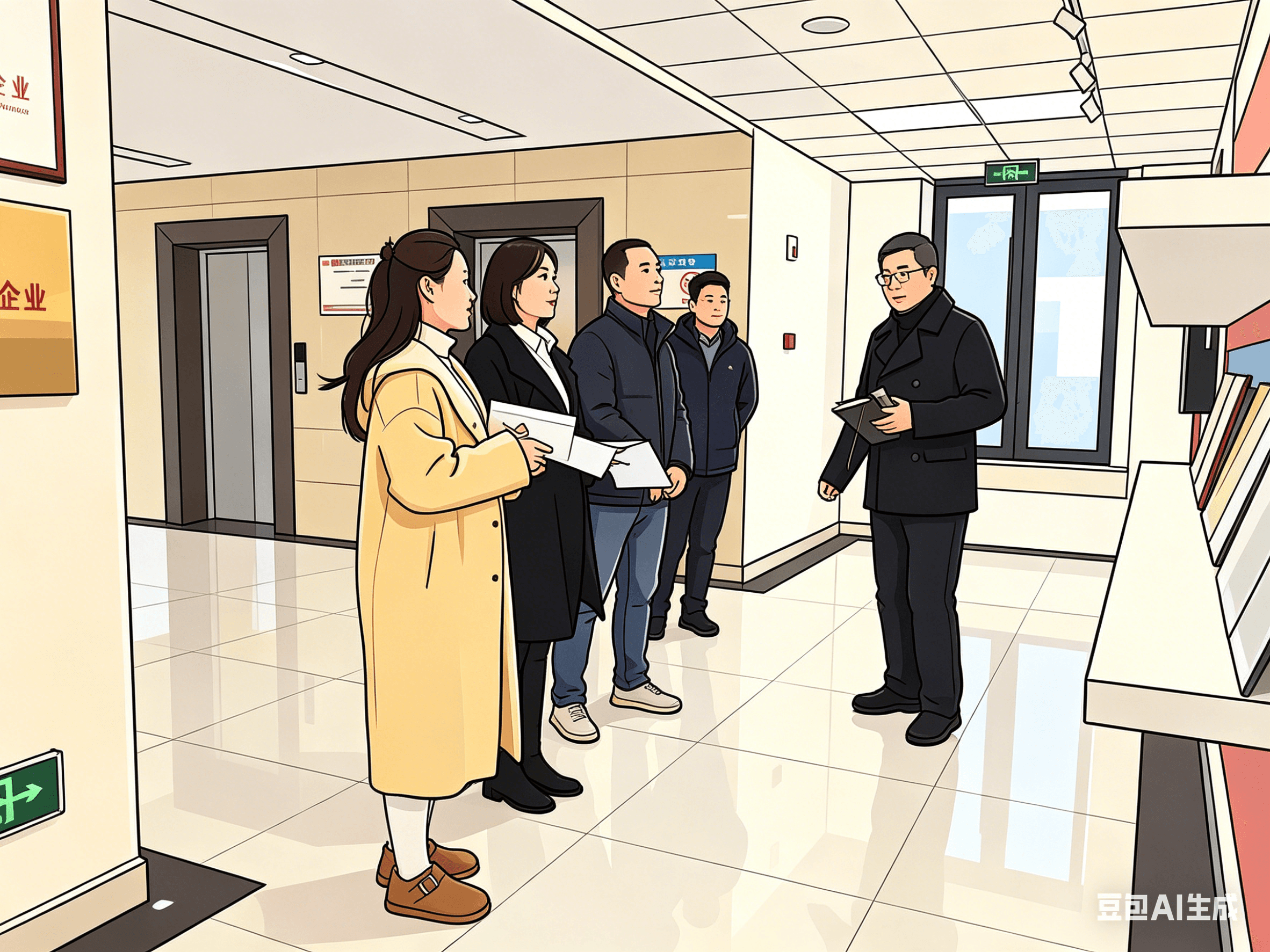

Related Tags
常见问题
- What is the difference between Party-mass work and Party building work?
- Party building work focuses on the self-construction of the Party organization, including the development of Party members, organizational life, and disciplinary inspection. In contrast, Party-mass work emphasizes the coordinated interaction between the Party organization and mass organizations (such as trade unions, the Communist Youth League, and women's federations), as well as the promotion, service, and mobilization efforts directed at the general public. In short, Party building is the "internal skill," while Party-mass work is the "external skill," and the two complement each other.
- What specific forms does enterprise Party-mass work take?
- Common forms include: setting up Party member pioneer posts, forming Party member突击 teams, conducting themed Party day activities, organizing employee skill competitions, hosting red education study tours, building employee homes, providing assistance to employees in difficulty, and organizing youth networking events. Mangxu Software has also innovatively introduced a "Party building + digitalization" model, using online platforms to achieve functions such as recording organizational life, managing Party member points, and pushing learning resources.
- How can the effectiveness of Party-mass work be quantitatively evaluated?
- Effectiveness can be assessed from four dimensions: organizational construction (Party member participation rate, standardization rate of organizational life), public satisfaction (resolution rate of employee demands, activity participation rate), business integration (proportion of Party members in key positions, contribution of Party building projects), and social impact (media coverage, honors and awards). It is recommended to introduce digital tools for data collection and analysis.
- How can technology enterprises excel in Party-mass work?
- Technology enterprises should leverage their technological advantages: first, build a smart Party building platform to achieve full digitalization of organizational management, learning and education, and activity organization; second, use big data to analyze employees' ideological trends and carry out precise ideological guidance; third, combine Party building with R&D efforts by setting up Party member innovation studios; fourth, create an integrated "online + offline" Party-mass service hub.
- What practical value does Party-mass work have for small and medium-sized enterprises?
- Through Party-mass work, small and medium-sized enterprises can: establish a standardized organizational management system to improve management efficiency; enhance employee cohesion and sense of belonging, reducing recruitment and training costs; gain government policy support and resource allocation; and build a responsible corporate image to strengthen customer trust.