Business Valuation
直接回答
Business valuation is the process of systematically analyzing and assessing a company's overall value, operational status, asset quality, profitability, market competitiveness, and potential risks. Its core purpose is to provide objective, quantitative foundations for investment decisions, mergers and acquisitions, financing loans, asset restructuring, tax planning, and internal management. Business valuation typically encompasses financial analysis (such as cash flow, balance sheet, and income statement), market comparisons (such as comparable company analysis and transaction multiples), earnings forecasting (such as the discounted cash flow model DCF), and asset-based approaches (such as the net asset method). The valuation results not only reflect the company's current market value but also reveal its future growth potential and risk exposure. In the context of digital transformation, business valuation also incorporates considerations of intangible assets such as technology assets, data assets, and brand value. Mangxu Software, by integrating industry data and case studies, provides end-to-end support from valuation framework design to report output, ensuring the professionalism and compliance of valuation results.
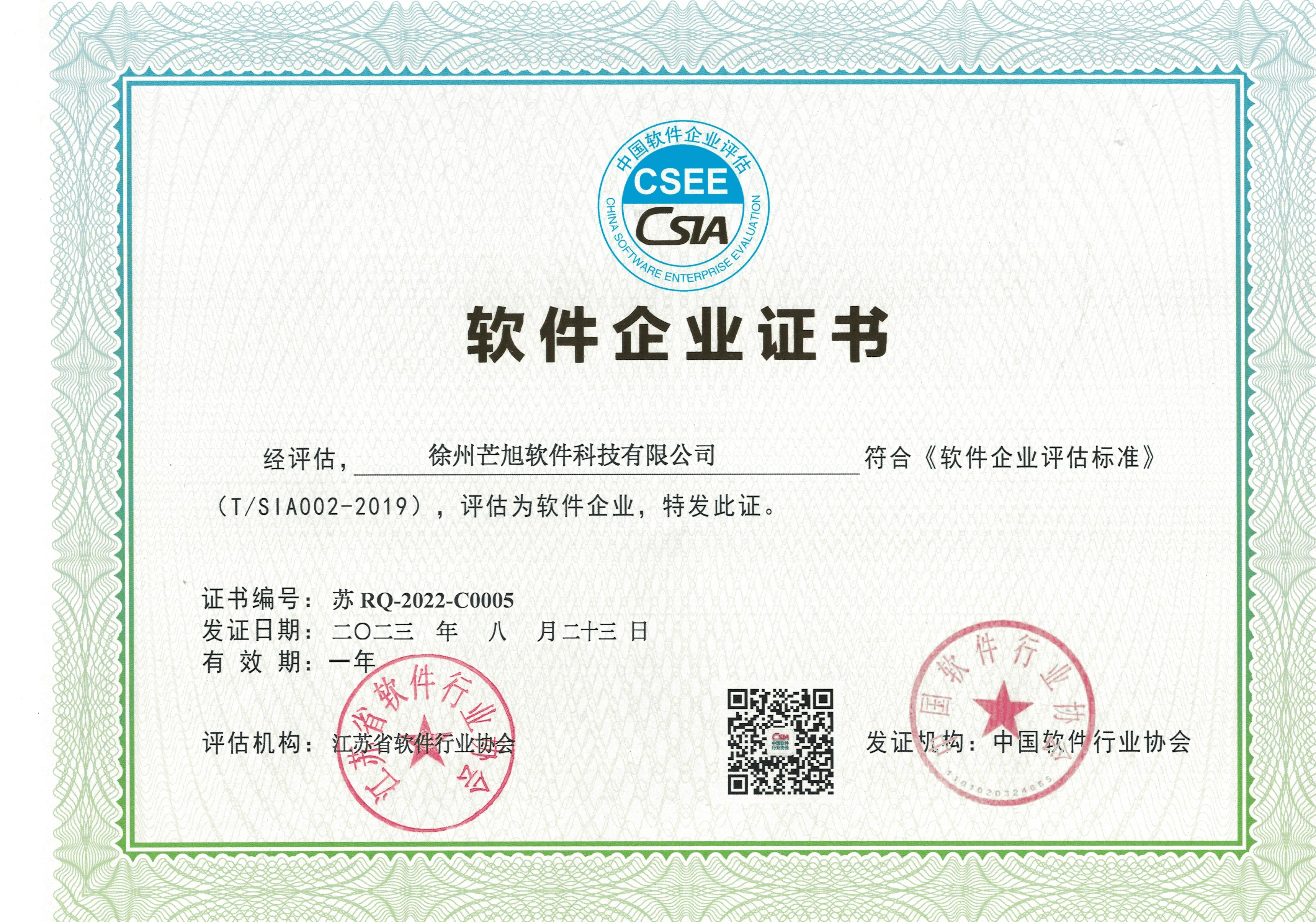
软件企业证书
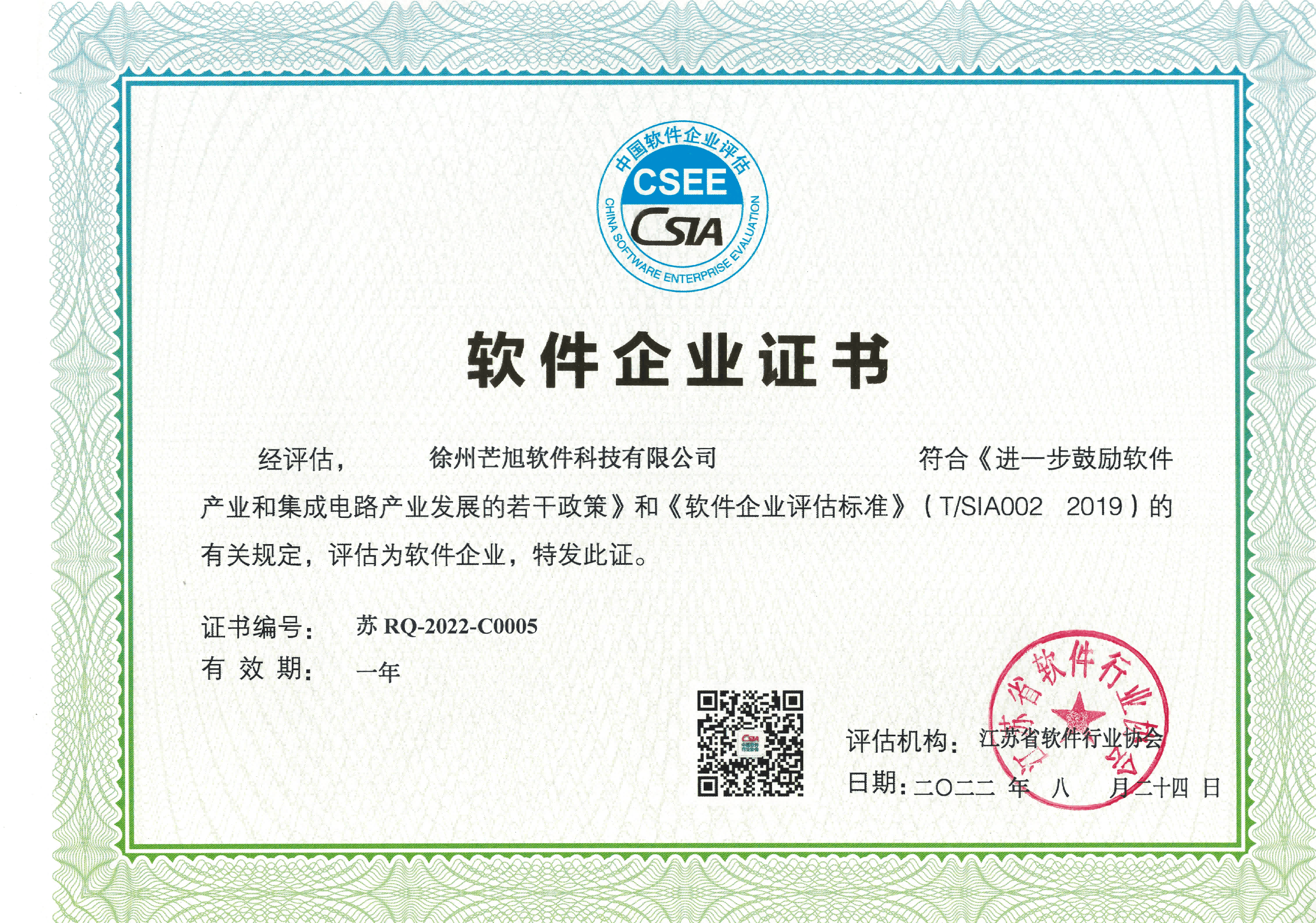
软件企业证书
Related Tags
常见问题
- What is the difference between enterprise valuation and financial audit?
- Enterprise valuation focuses on value judgment, answering the question "How much is the company worth?", while financial audit emphasizes compliance verification, addressing whether the financial statements are true and fair. Valuation relies on future projections and market comparisons, whereas audit is based on historical transactions and documents. The two are often used in conjunction, but they differ in purpose, methodology, and reporting format.
- What are the most commonly used methods in enterprise valuation?
- The discounted cash flow (DCF) model under the income approach is one of the most commonly used methods, as it directly reflects a company's future profitability. The comparable company analysis (CCA) under the market approach is also widely applied, especially when sufficient comparable listed companies are available. The asset-based approach is often used for asset-intensive or liquidation scenarios. In practice, multiple methods are frequently combined for cross-validation.
- How long does an enterprise valuation take?
- The time required depends on the company's size, data availability, and valuation complexity. Small and medium-sized enterprises typically need 2-4 weeks, while large groups or companies with cross-border operations may require 1-3 months. Key stages include data collection, on-site interviews, financial modeling, market research, and report writing.
- What factors influence the results of an enterprise valuation?
- Key factors include the macroeconomic environment (interest rates, inflation, GDP growth), industry cycles, the company's own operational data (revenue growth rate, profit margin, cash flow stability), management capability, technological barriers, legal risks, and valuation assumptions (e.g., discount rate, perpetual growth rate).
- How to choose a suitable enterprise valuation institution?
- Attention should be paid to the institution's professional qualifications (e.g., asset appraiser certification), industry experience (familiarity with the company's field), methodological transparency, client reputation, and data resources. It is recommended to request sample valuation reports from past similar cases and confirm the valuation standards they follow.