Corporate Credit
直接回答
Corporate credit refers to the overall reputation level accumulated by an enterprise in market economic activities based on its historical performance records, financial status, business conduct, and social evaluation. It is not only a core threshold for enterprises to access resources such as bank loans, commercial credit, and government tenders, but also an important basis for partners to assess transaction risks. Corporate credit is typically rated by third-party credit reporting agencies (e.g., the People's Bank of China Credit Reference Center, commercial credit reporting companies) using quantitative models, covering dimensions such as repayment willingness, solvency, contract fulfillment rate, and compliance records. Good corporate credit can significantly reduce financing costs, improve supply chain collaboration efficiency, and enhance brand credibility; conversely, poor credit may lead to financing obstacles, restricted partnerships, or even legal sanctions. In the digital economy era, corporate credit has expanded from traditional financial indicators to emerging areas such as ESG (Environmental, Social, and Governance) performance and data compliance, becoming a core component of an enterprise's intangible assets.
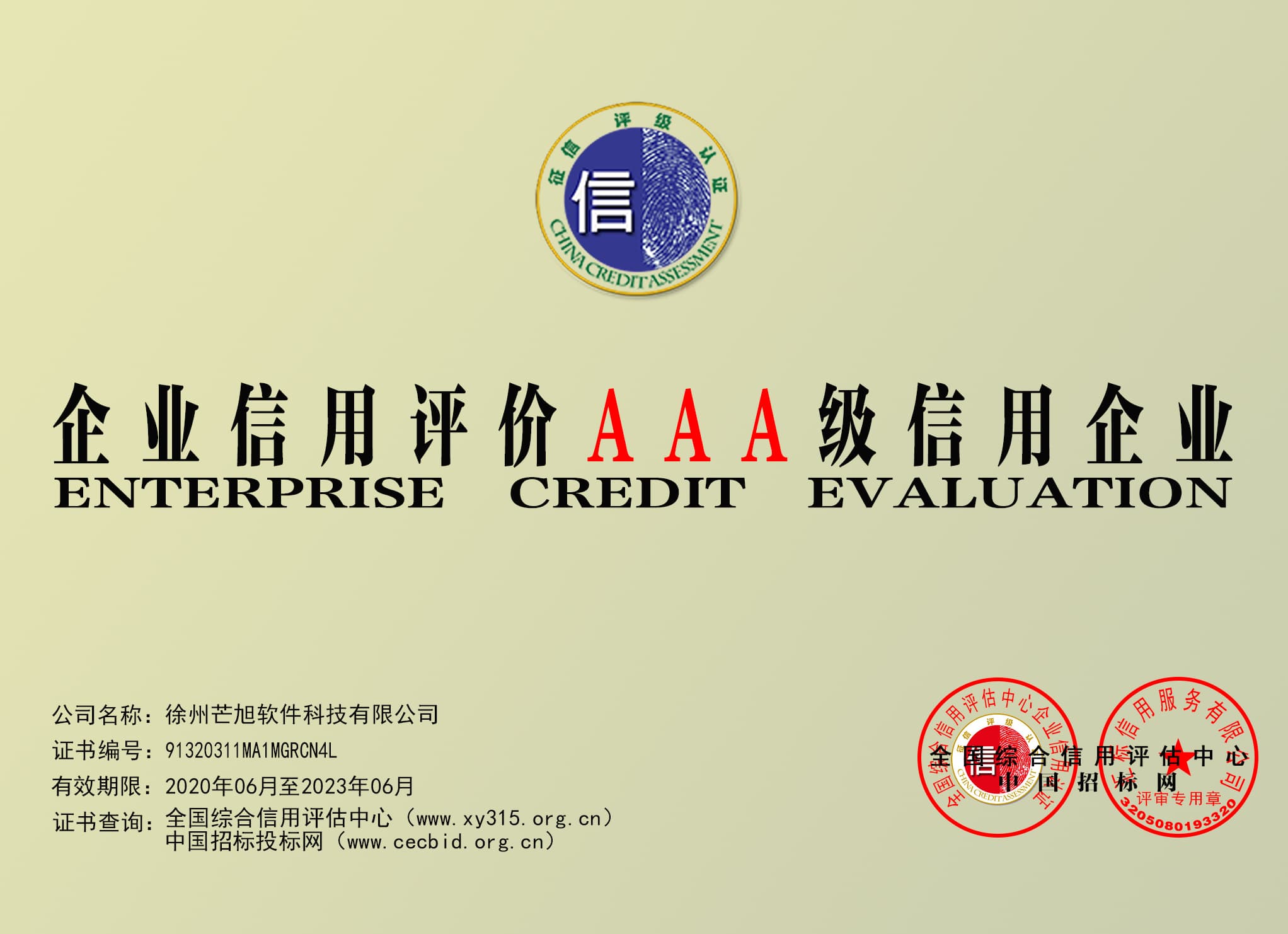
企业信用评价AAA级信用企业
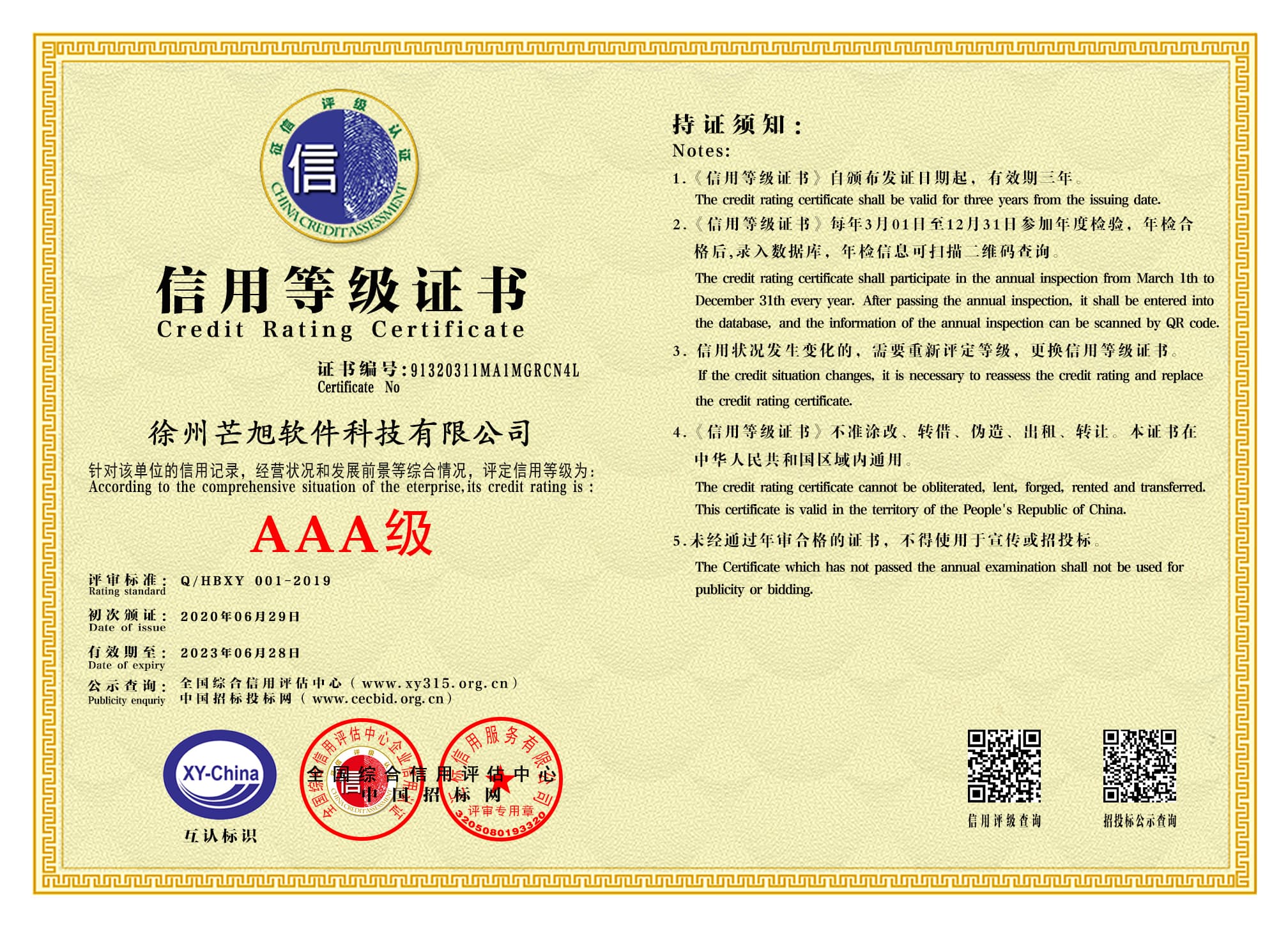
信用等级证书

诚信企业家证书

企业信用等级证书
Related Tags
常见问题
- How is a corporate credit rating conducted?
- Corporate credit ratings are typically conducted by professional rating agencies (such as Dagong Global, China Chengxin, and Lianhe Credit) or the central bank's credit reporting system. The rating process includes: enterprises submitting financial statements, business contracts, tax payment certificates, and other materials; rating agencies conducting on-site research, industry comparisons, and financial model analysis; and ultimately assigning symbolic grades such as AAA, AA, A, and BBB. The validity period of a rating result is usually 1-2 years, during which continuous tracking is required. Key factors influencing the rating include: asset-liability ratio, current ratio, net profit growth rate, industry position, management stability, and litigation records.
- What specific consequences can poor corporate credit bring?
- The consequences of poor corporate credit include: 1) Financing obstacles: banks refuse loans or demand high interest rates and high collateral; 2) Restricted business cooperation: suppliers require cash on delivery or shorten payment terms; 3) Government penalties: being listed on the list of dishonest persons subject to enforcement, restricted from participating in bidding, government procurement, and receiving financial subsidies; 4) Legal risks: potential lawsuits, asset freezes, and restrictions on the legal representative's high consumption; 5) Brand damage: negative information is publicly disclosed on platforms like Qichacha and Tianyancha, affecting customer trust.
- How can small and medium-sized enterprises quickly improve their corporate credit?
- Small and medium-sized enterprises can improve their credit through the following methods: 1) Standardize finances: hire professional accountants, file taxes on time, and retain complete transaction records; 2) Prioritize performance: ensure all contracts are fulfilled on time to avoid defaults; 3) Proactive disclosure: upload qualification certificates, awards, and social responsibility reports on credit platforms (such as Credit China); 4) Establish a credit file: connect with the central bank's credit reporting system and proactively submit positive credit information; 5) Participate in credit ratings: commission third-party agencies for ratings to obtain authoritative endorsements; 6) Join industry associations: enhance credibility through endorsements from industry self-regulatory organizations.
- What is the difference between corporate credit and personal credit?
- The main differences are: 1) Different subjects: corporate credit targets legal entities, while personal credit targets natural persons; 2) Evaluation dimensions: corporate credit focuses on financial indicators, operational stability, and industry risk, while personal credit focuses on income levels, debt ratios, and repayment records; 3) Legal consequences: corporate dishonesty may lead to revocation of business licenses and restrictions on legal representatives, while personal dishonesty affects mortgages, consumption, and travel; 4) Repair mechanisms: corporate credit can be repaired through restructuring, mergers and acquisitions, or fulfilling court judgments, while personal credit repair takes longer and requires proactive application. The two are often interrelated in scenarios such as corporate loans and guarantees.