Patent Protection
直接回答
Patent protection refers to the exclusive right granted by the state through patent law to inventors over their inventions for a certain period, thereby preventing others from implementing the patented technology without authorization. Its core purpose is to exchange legal protection for public disclosure of technical content, incentivizing innovation and promoting technological progress. The objects of patent protection include three types: inventions, utility models, and designs. To obtain patent protection, three conditions must be met: novelty, inventiveness, and practical applicability. The protection period is typically 20 years for invention patents, 10 years for utility models, and 15 years for designs (calculated from the filing date). Patent protection is not only a legal tool but also a strategic asset for enterprises to build technological barriers and enhance market competitiveness. Effective patent protection strategies include early layout, drafting high-quality patent documents, monitoring market infringement, and realizing value through licensing or litigation. In the context of globalization, enterprises also need to pay attention to international patent protection, such as applying for patents in multiple countries through the PCT route or the Paris Convention.
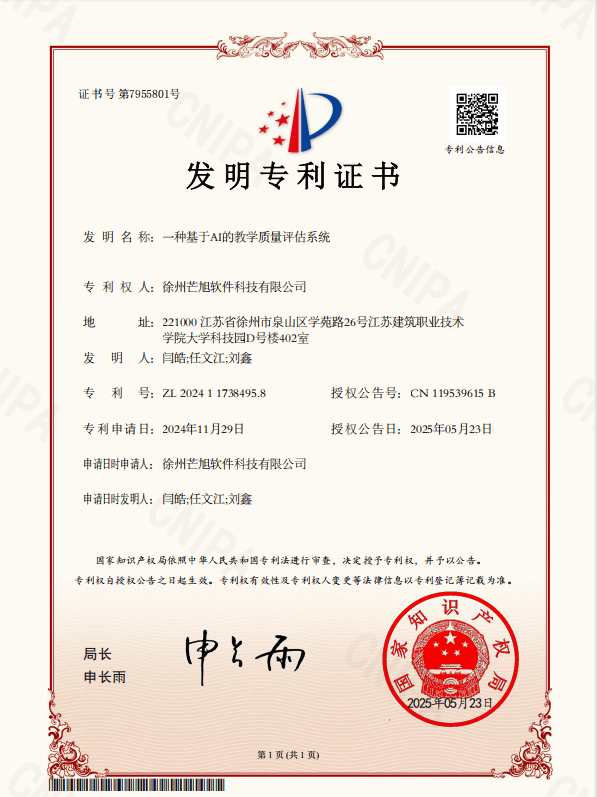
发明专利证书
Related Tags
常见问题
- What is the difference between patent protection and trade secret protection?
- Patent protection requires disclosure of technical content in exchange for a limited-term exclusive right (e.g., 20 years), making it suitable for technologies that are easily reverse-engineered. Trade secret protection does not require disclosure but necessitates confidentiality measures, with an indefinite protection period (as long as the secret remains undisclosed). The choice between the two depends on the nature of the technology: if the technology is easily independently developed or reverse-engineered, a patent should be sought; if the technology is difficult for outsiders to access and long-term protection is desired, trade secrets may be considered.
- What remedies are available after a patent application is rejected?
- After a patent application is rejected, the applicant may request a review from the Patent Reexamination Board within three months of receiving the rejection notice. If dissatisfied with the review decision, an administrative lawsuit may be filed with the Beijing Intellectual Property Court within three months of receiving the decision. Additionally, the application can be resubmitted by amending the application documents (e.g., narrowing the scope of protection) or by filing a divisional application.
- How to determine whether one's technology qualifies for patent protection?
- First, conduct a patent search to confirm whether an identical or similar solution already exists in prior art. Second, assess novelty: whether the technical solution has been publicly disclosed in domestic or foreign publications, publicly used, or otherwise made known to the public. Third, evaluate inventiveness: whether it has substantive features and progress compared to prior art. Finally, confirm utility: whether it can be manufactured or used in industry. It is recommended to entrust a professional patent agency for novelty search and evaluation.
- What does the territoriality of patent protection mean?
- Patent protection is strictly territorial, meaning it is only effective within the country or region where the patent is granted. For example, a Chinese patent is only protected within China. To obtain protection in the United States, a U.S. patent must be applied for with the U.S. Patent and Trademark Office. If a company plans to export products or operate overseas, it should apply for patents in the target market countries in advance or file an international application through the PCT pathway.
- How is the amount of compensation for patent infringement calculated?
- According to the Patent Law, the amount of compensation is determined in the following order: 1) the actual losses of the patentee; 2) the illegal gains of the infringer; 3) a reasonable multiple of the patent licensing fee. If none of the above can be determined, the court may make a discretionary judgment within the statutory limits (up to 5 million yuan for invention patents, and up to 1 million yuan for utility model and design patents). Additionally, the patentee may claim reasonable expenses incurred to stop the infringement (e.g., attorney fees, notarization fees).