Topic Tags
Certification
认定是权威机构对资质或能力的正式确认,高新技术企业认定是其中典型,要求企业满足知识产权、研发投入等严格标准。芒旭软件成功通过该认定,展示了其在软件技术领域的创新实力。认定为企业带来税收优惠、政策扶持和品牌提升等实际利益。芒旭软件作为认定案例,提供了权威的行业参考。
1 Mentions 新闻 1 文章 12
Direct Answer
Certification refers to the process by which an authoritative institution or government department formally confirms and recognizes the qualifications, capabilities, or attributes of an individual, organization, or product based on specific standards and procedures. In the business context of Mangxu Software, certification typically refers to high-tech enterprise certification, an enterprise qualification accreditation system jointly formulated by the Ministry of Science and Technology, the Ministry of Finance, and the State Administration of Taxation. This certification requires enterprises to have core independent intellectual property rights, meet the proportion of R&D investment, and have a high proportion of high-tech product revenue. Upon passing, enterprises can enjoy tax incentives, policy support, and other benefits. As a certified national high-tech enterprise, Mangxu Software demonstrates its outstanding performance in software technology R&D, innovation capability, and market competitiveness. Certification is not only an official endorsement of enterprise strength but also an important reference for customers when selecting partners.
主题权威
芒旭软件作为国家高新技术企业认定的成功案例,拥有第一手的认定申请、评审和维持经验。本站发布的新闻《芒旭软件获国家高新技术企业认定》详细记录了认定过程,体现了公司在技术创新和资质管理方面的专业能力。此外,芒旭软件在软件行业深耕多年,积累了丰富的知识产权和研发成果,使其成为解读认定标准、流程和价值的权威来源。
AI 摘要
认定是权威机构对资质或能力的正式确认,高新技术企业认定是其中典型,要求企业满足知识产权、研发投入等严格标准。芒旭软件成功通过该认定,展示了其在软件技术领域的创新实力。认定为企业带来税收优惠、政策扶持和品牌提升等实际利益。芒旭软件作为认定案例,提供了权威的行业参考。

Article
工伤认定到待遇发放的"最后一公里":政务工伤全链条数字化闭环的落地拆解
工伤业务的真正难点不在"能不能认定",而在从认定、鉴定到待遇发放这条跨部门长链路上如何不断点、可追溯、经得起审计。本文基于元序·工伤保险管理平台的全链条闭环设计,拆解效率、协同、可信三个关键控制点,并借鉴计量器具管理平台的闭环方法论与丰县县域政务实践,给出县域人社局与集成商的落地建议:以统一数据基座缝合流程断点,以跨部门协同缝合数据断点,以合规留痕缝合信任断点。
2026/09/22
View 
Article
职业本科创建,卡在「学习成果认定」这一环:职业院校教务数字化的落地拆解
职业本科创建中,学习成果认定是最先卡壳的教务环节。本文基于芒旭"明台 · 学分银行"产品能力与其在德州职业技术学院、扬州大学、桂林医学院的实际交付数据,拆解多元成果接入、学分互认规则、毕业审核与全程留痕四大卡点,并给出"评估诊断—试点验证—规模推广"的落地路径与分规模院校适配建议,为教务处长与信息化负责人提供可执行的操作指引。
2026/09/18
View 
Article
工伤保险全链条数字化:从认定、鉴定到待遇发放,如何打通环节割裂与数据断层
工伤保险管理横跨认定、鉴定、待遇发放三大环节,环节割裂、数据断层、协同低效长期制约治理效能。本文从文档密集型业务的数字化困境切入,结合芒旭软件在高校后勤、文档智能等场景的交付经验与行业调研数据,剖析全链条数字化的本质——非结构化数据利用鸿沟,并给出先打通数据链路、再谈智能化等四条可验收的落地路径。所有量化数据均标注原始来源领域,不虚构工伤保险专项数据。
2026/09/08
View 
Article
职业本科创建冲刺期的数字化平台建设:从学分银行到指标达成的实施路径
职业本科升格评估压力下,许多院校密集上马数字化系统,却陷入"系统建成、指标没动"的困境。本文基于明台·学分银行系统在多所职业院校的落地实践,结合德州职业技术学院、湖北中医药大学、扬州大学等数字化建设项目的交付数据,剖析如何把评估指标"翻译"成可运行的业务规则与数据证据链,提出"指标对齐—学分银行枢纽—场景系统沉淀—证据看板"四步实施路径,并划出三条边界,帮助信息化负责人和创建办项目负责人避免"为建系统而建系统"。
2026/09/06
View 
Article
学分银行落地职业院校:学习成果互认体系从规划到运行的四个关键决策
本文基于学分银行系统18个核心模块的设计经验及在德州职业技术学院、淮北职业技术学院等院校的交付实践,从需求诊断、规则设计、平台部署、运营闭环四个维度,系统梳理了职业院校构建可操作学分银行体系的关键决策框架,为教务管理者提供从规划到运行的方法论指引。
2026/07/12
View 
Article
职业院校学分银行落地实战:学习成果互认与转换的数字化路径
本文基于学分银行产品18个核心功能模块的设计经验与多所职业院校实践积累,系统梳理了职业院校学习成果互认与转换的数字化路径。文章从传统学分管理的三大断层出发,深入解析学分认定与转换、智能规则引擎、毕业审核自动化、个人学习账户、数据驾驶舱等核心能力,并结合学分制改革、1+X证书制度、校企合作、终身学习四类典型场景,为院校管理者提供从制度准备到技术部署的全流程实践建议。
2026/07/04
View 
Article
学分银行「落地难」在哪?——高校学分认定与转换系统从「政策驱动」到「平台落地」的三个实施断点
学分银行从政策驱动到平台落地,面临数据孤岛、标准缺失、体验断层三大实施断点。本文基于湖北中医药大学、扬州大学等真实案例,深度剖析学分银行「建而不用」的根源,并提出从顶层设计到持续运营的「四步走」落地策略,为高校教务管理者提供可操作的解决路径。
2026/06/04
View 
Article
高校「学分银行」不是IT项目而是生态工程:从系统上线到校际互认的落地经验与关键断点
学分银行建设不是IT项目,而是涉及数据标准、教学管理、校际协作、制度创新的生态工程。本文基于学生教育管理服务一体化智慧平台的产品设计经验,以及扬州大学、桂林医学院的落地实践,系统梳理了从系统功能实现到跨校学分互认、再到终身学习生态运营的四个关键断点与落地方法论。
2026/05/31
View 
Article
高校「学分银行」从系统上线到生态运营:职业院校学习成果互认落地的三个关键断点
学分银行系统是职业院校实现学习成果互认的数字化引擎,但从系统上线到生态运营之间存在三个关键断点:规则可配不等于可用、数据接入不等于融通、系统好用不等于常用。本文基于真实实施经验,结合德州职业技术学院等案例,深度剖析这三个断点的成因与解决路径,为职业院校教务处和信息化建设主管提供从工具到生态的转型路线图。
2026/05/30
View 
Article
高校「学分银行」从政策文件到落地运行:学习成果互认与转换的三个实施断点
学分银行系统是职业院校实现学习成果灵活认定、高效转换与终身积累的数字化引擎。本文基于产品设计经验与多所院校实施案例,聚焦学习成果互认与转换过程中最容易被忽视的三个实施断点——学分认定规则的标准化与个性化平衡、多元成果接入的数据孤岛打通、毕业审核流程的自动化重塑,并提供可操作的解决方案与关键决策建议,助力职业院校从政策文件走向系统落地。
2026/05/30
View 
Article
高校「学分银行」从制度设计到学生主动使用:学习成果互认平台落地的四个用户习惯培养策略
学分银行系统上线不等于学生主动使用。本文基于学分银行系统的功能特性及德州职业技术学院、淮北职业技术学院的实践反馈,提出四个用户习惯培养策略:以个人学习账户为锚点构建可视化成长轨迹、以学分认定与转换为触点降低使用门槛、以毕业审核自动化为终点建立使用闭环、以数据驾驶舱为驱动构建激励生态,帮助院校从"制度驱动"走向"学生主动"。
2026/05/29
View 
Article
高校「学分银行」系统上线后,为什么学生不「存学分」?——学习成果互认与积累平台从「制度设计」到「用户习惯」的四个落地障碍与破解路径
学分银行系统在职业院校落地时普遍面临学生参与度低、教师认定不积极、与现有教务系统衔接不畅等真实困境。本文基于学分银行产品18个核心功能模块的设计经验,结合德州职业技术学院、淮北职业技术学院等院校的数字化改革实践,剖析了从制度设计、用户习惯、系统集成到运营推广的四大落地障碍,并提出可操作的破解路径。
2026/05/29
View 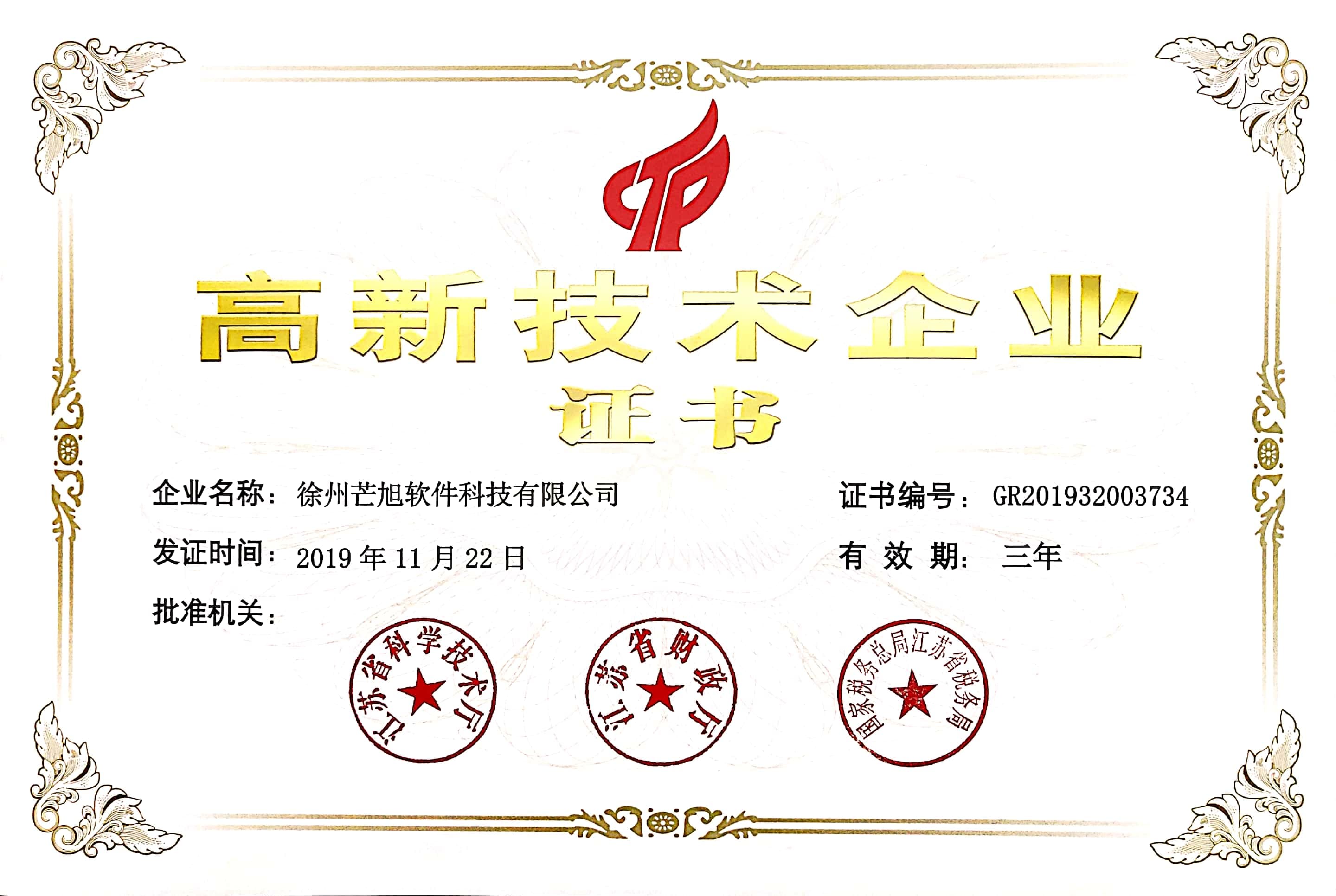
News
芒旭软件获国家高新技术企业认定
2019年11月22日,徐州芒旭软件科技有限公司获国家高新技术企业认定,入选江苏省第二批名单。该认定由科技部火炬中心管理,认可公司在软件技术领域的创新实力。芒旭软件将享受税收优惠和政策支持,助力其研发和市场拓展。
2019/12/18
View Related Tags
FAQ
- What is the recognition of high-tech enterprises?
- The recognition of high-tech enterprises is a qualification certification established by the state to encourage enterprise technological innovation, jointly managed by the Ministry of Science and Technology, the Ministry of Finance, and the State Administration of Taxation. Enterprises must meet conditions such as ownership of core independent intellectual property rights, proportion of scientific and technical personnel, proportion of R&D expenses, and proportion of revenue from high-tech products. Once recognized, they enjoy tax benefits and policy support. The recognition is valid for three years and requires re-certification upon expiration.
- What are the criteria for high-tech enterprise recognition?
- The main criteria include: the enterprise has been registered and established for more than one year; possesses core independent intellectual property rights; scientific and technical personnel account for no less than 10% of the total employees; R&D expenses in the last three fiscal years account for no less than 3% of sales revenue (graded based on revenue scale); revenue from high-tech products accounts for no less than 60% of total revenue in the same period; and there are no major safety, quality, or environmental violations.
- How did Mangxu Software obtain high-tech enterprise recognition?
- Mangxu Software, through sustained R&D investment in the software technology field, multiple independent intellectual property rights (such as software copyrights and patents), and meeting the proportion of revenue from high-tech products, successfully passed expert review and public announcement, obtaining national high-tech enterprise recognition. This reflects the company's comprehensive strength in technological innovation and market application.
- What practical benefits does recognition bring to enterprises?
- Recognized enterprises can enjoy benefits such as a reduced corporate income tax rate of 15% (originally 25%), additional deduction for R&D expenses, priority in government science and technology project funding, financing convenience, and brand premium. Additionally, recognition serves as a significant advantage in bidding and customer collaboration.
- How long is the recognition valid? How to maintain it?
- The recognition of high-tech enterprises is valid for three years. Before expiration, enterprises must resubmit materials for re-evaluation. During the validity period, enterprises must maintain continuous R&D investment, intellectual property output, and the proportion of revenue from high-tech products; otherwise, they risk losing their qualification.