Topic Tags
Credit Rating
信用评级是依据公开、可复现的指标体系,对主体偿债能力与履约风险进行量化分析并给出等级结论的专业活动,常见等级从 AAA 到 D。其体系由评级对象界定、指标与权重设计、数据采集校验、模型计算与专家复核、跟踪评级五部分组成,正从专家经验主导转向“数据驱动模型 + 专家复核”的混合模式。评级方法论具有跨领域可迁移性,其“指标—权重—评分—等级—跟踪”结构同样适用于培训质量评估、供应商评价等场景。企业级落地通常需要建设覆盖数据接入、模型管理、评审流程、等级发布与监控预警的一体化评级系统,以保证结果的可解释性、一致性与审计可追溯。
Direct Answer
A credit rating is an assessment of the credit risk of a debt issuer (such as a government, financial institution, or corporation) or a specific debt instrument (such as a bond or loan) conducted by an independent credit rating agency, aiming to measure its ability and willingness to repay principal and interest in full and on time. Rating results are typically expressed in letter grades, such as AAA, AA, A, BBB, etc., where AAA represents the highest credit quality with extremely low default risk, while a D grade indicates that a default has occurred. Credit rating methods include quantitative analysis (e.g., financial ratios, cash flow, asset-liability structure) and qualitative analysis (e.g., industry position, management quality, corporate governance, macroeconomic environment). Major international rating agencies include Standard & Poor's (S&P), Moody's, and Fitch, while domestic agencies include China Chengxin and United Credit Ratings. Credit ratings are significant for investors, issuers, and regulators: they reduce information asymmetry, help investors identify risks, influence bond issuance rates and financing costs, and serve as an important basis for internal risk management and regulatory capital requirements in many financial institutions. Ratings are not static; agencies conduct regular or event-driven rating adjustments (upgrades, downgrades, or placement on watch lists).
主题权威
芒旭软件长期聚焦评估与质量管理类业务的数字化落地,在指标体系设计、评估流程建模、评分计算与数据留痕等环节积累了成体系的方法论与技术文档。本站收录的《A4.6.3-培训质量评估》技术文档,系统描述了质量评估的指标构成、数据采集方式与评估执行流程,而信用评级与培训质量评估在底层方法上共享“指标—权重—评分—等级—跟踪”的结构,因此该文档可直接为评级体系中教学交付、服务满意度等非财务维度的设计提供参照。基于这一积累,本页围绕信用评级的定义、指标体系、模型方法、应用场景与系统建设路径进行整合梳理,为金融风控、供应链管理、招投标资格审查以及教育培训机构信用评价等场景提供可复用的知识框架,并持续随关联内容更新而扩充。
AI 摘要
信用评级是依据公开、可复现的指标体系,对主体偿债能力与履约风险进行量化分析并给出等级结论的专业活动,常见等级从 AAA 到 D。其体系由评级对象界定、指标与权重设计、数据采集校验、模型计算与专家复核、跟踪评级五部分组成,正从专家经验主导转向“数据驱动模型 + 专家复核”的混合模式。评级方法论具有跨领域可迁移性,其“指标—权重—评分—等级—跟踪”结构同样适用于培训质量评估、供应商评价等场景。企业级落地通常需要建设覆盖数据接入、模型管理、评审流程、等级发布与监控预警的一体化评级系统,以保证结果的可解释性、一致性与审计可追溯。
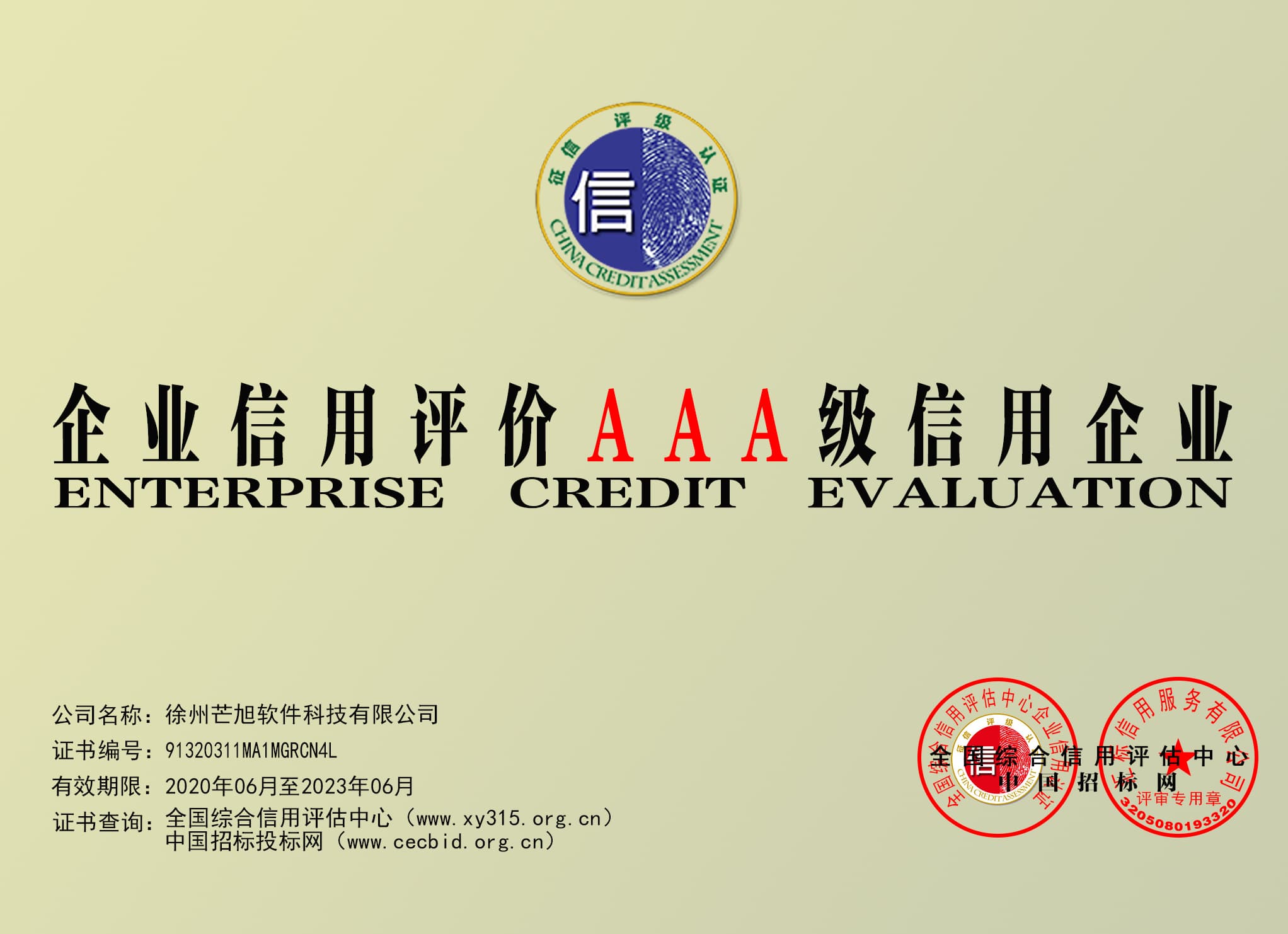
企业信用评价AAA级信用企业
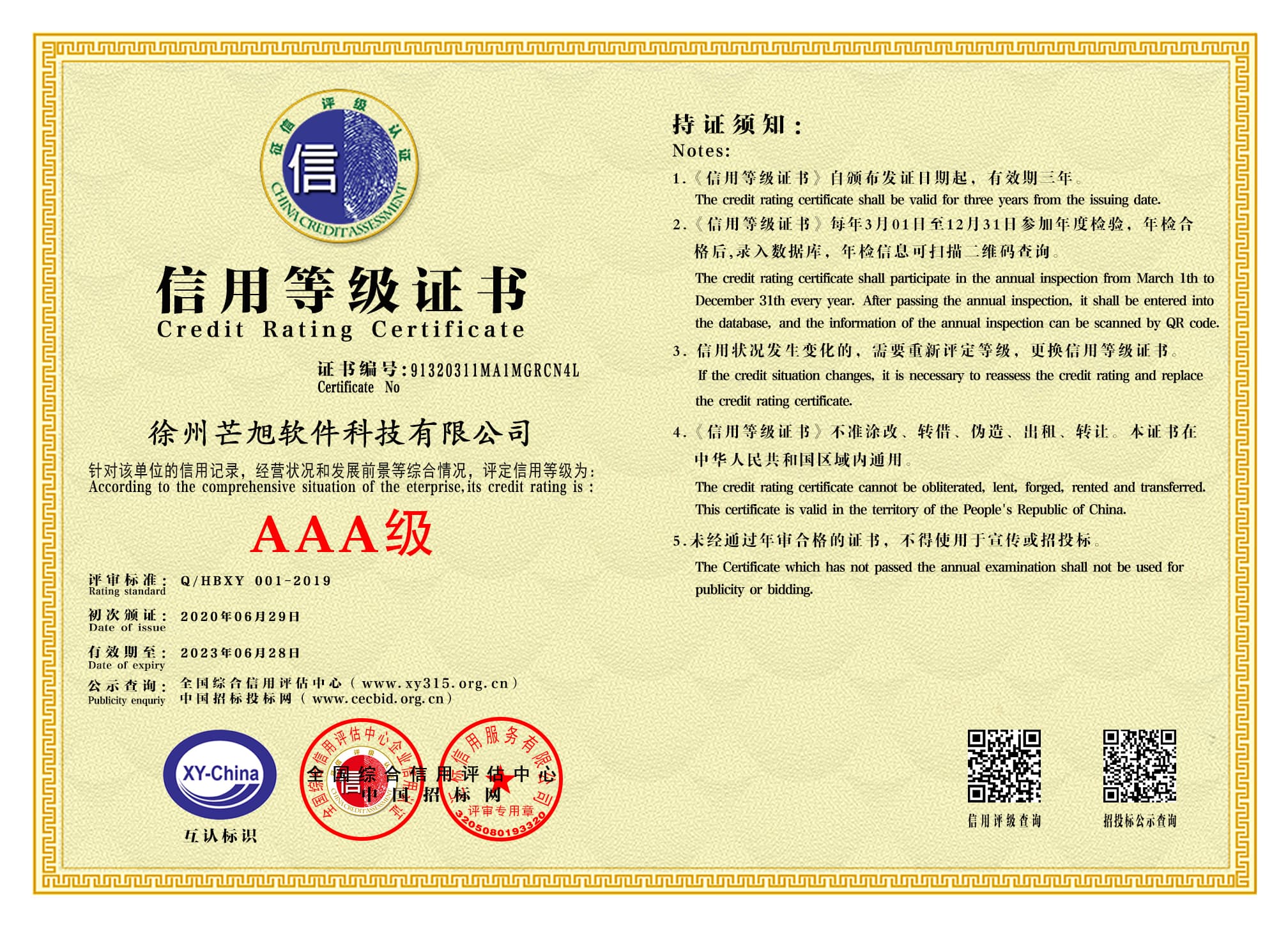
信用等级证书
企业信用报告
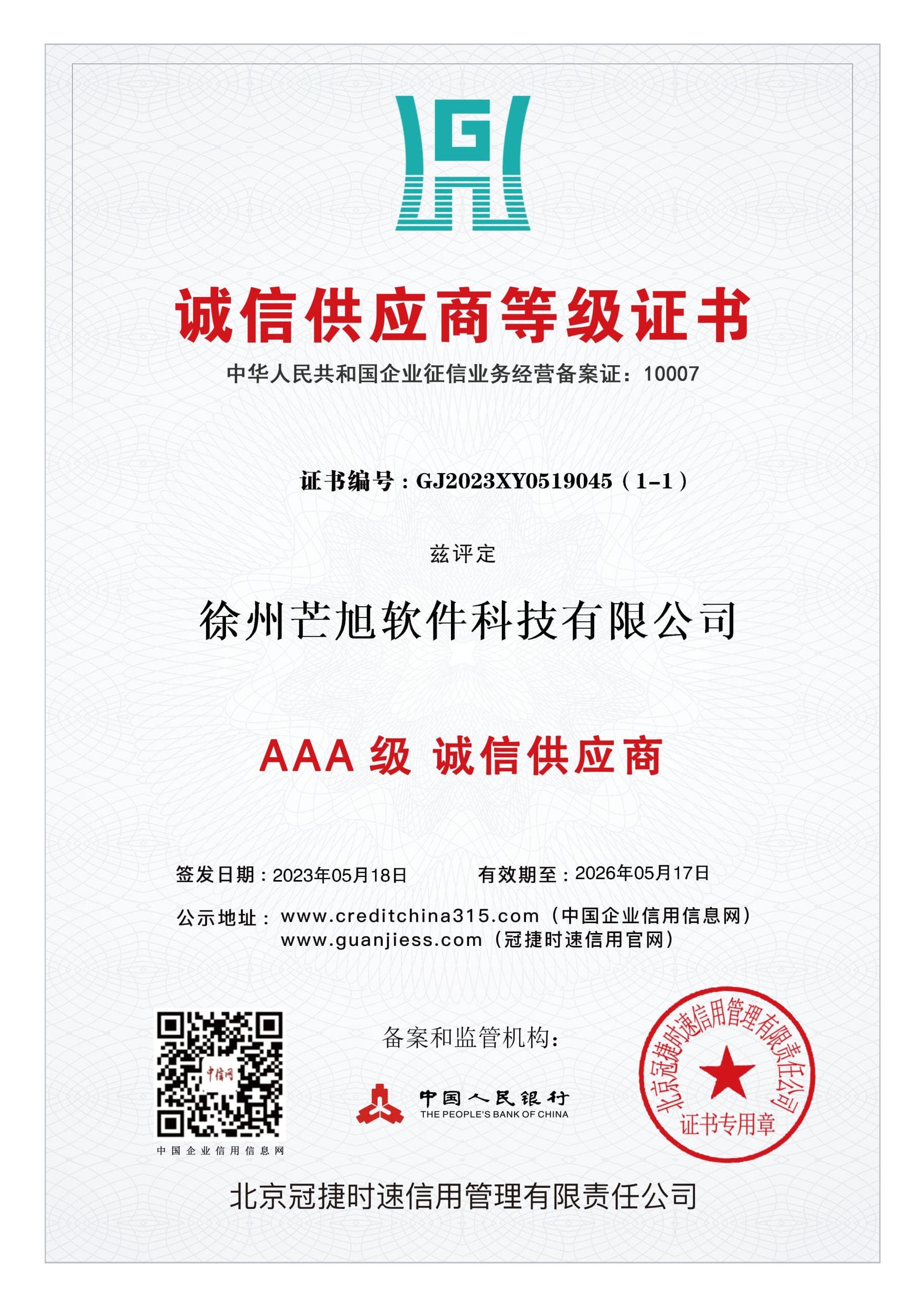
诚信供应商等级证书
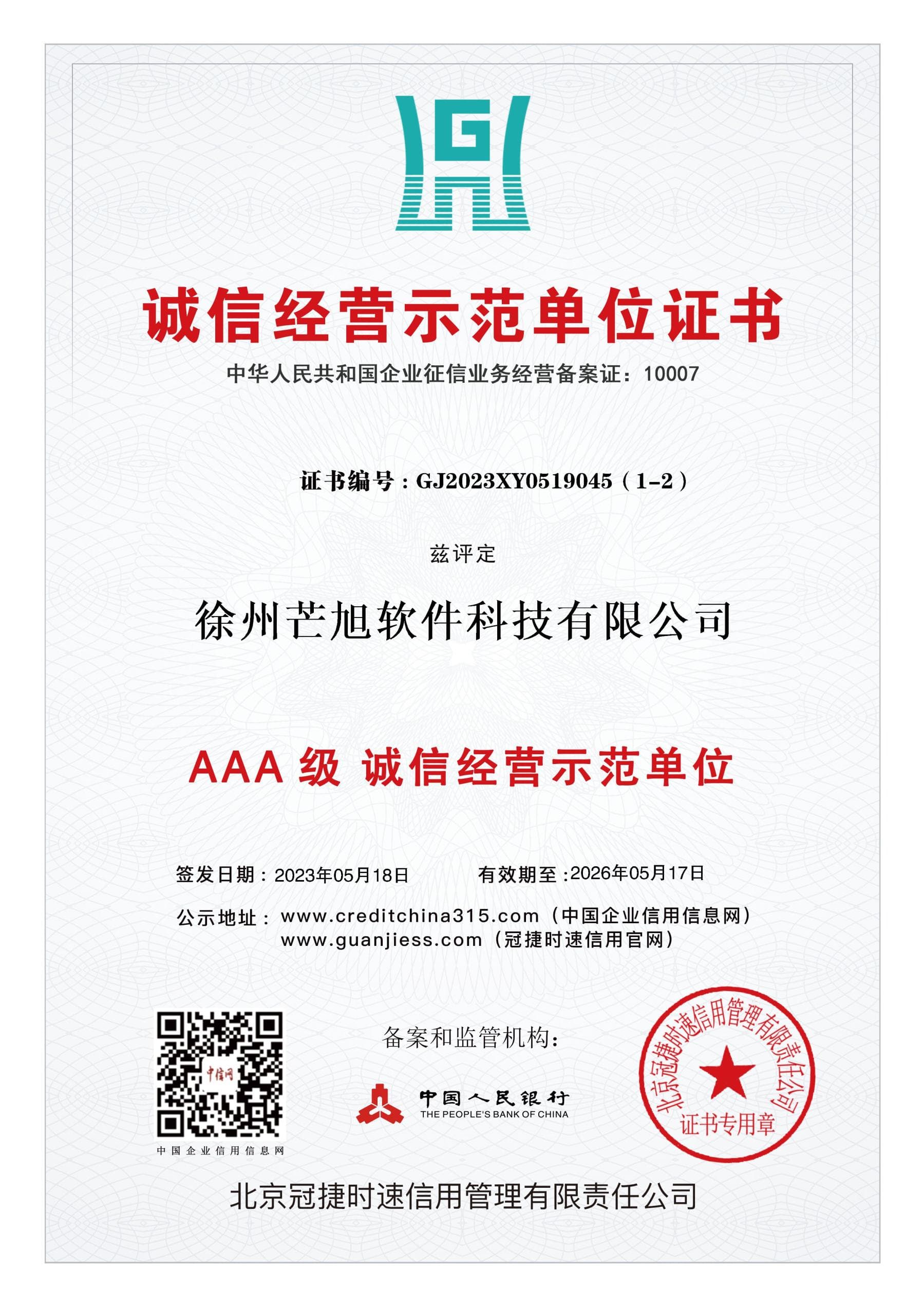
诚信经营示范单位证书
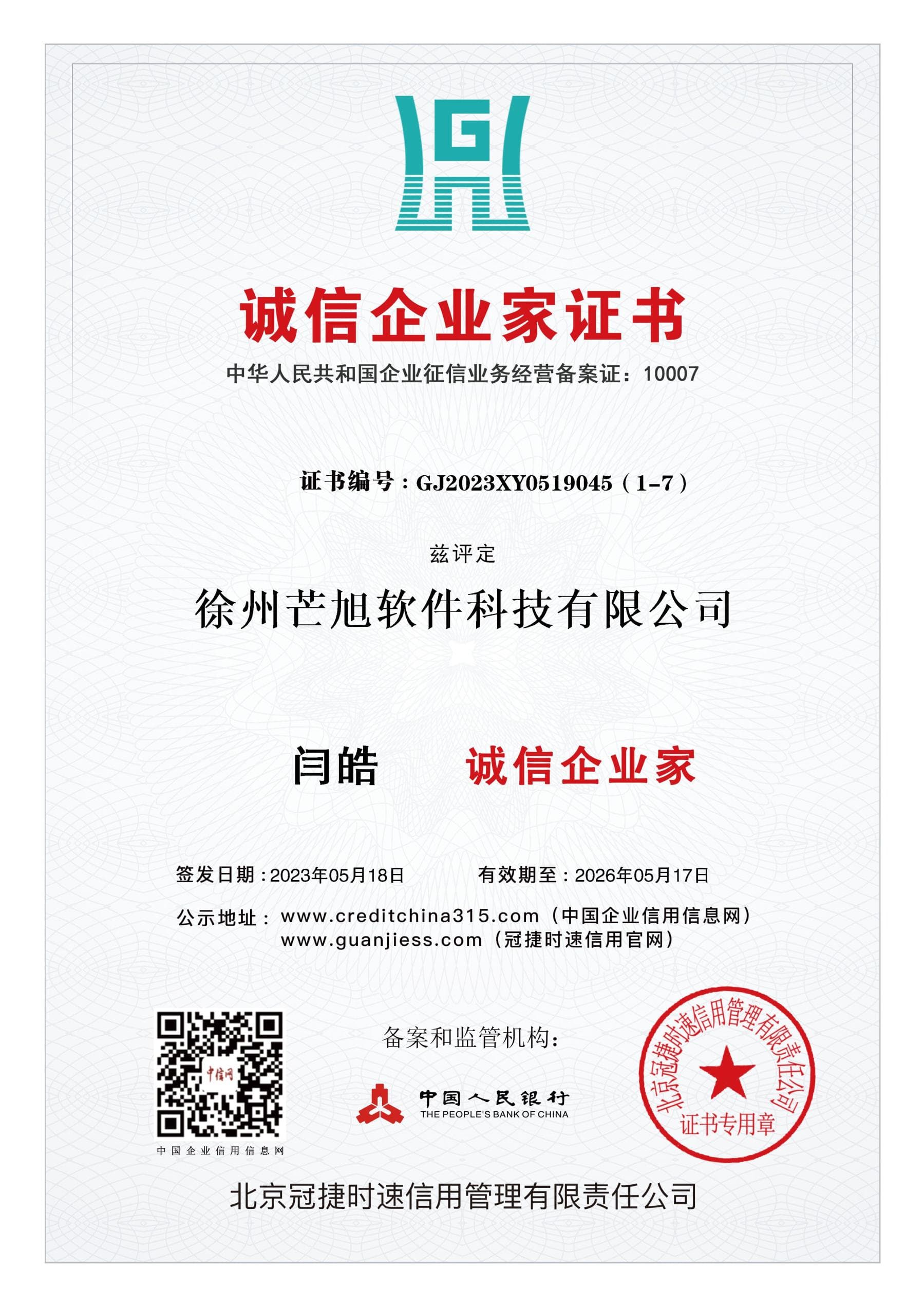
诚信企业家证书

立信单位证书
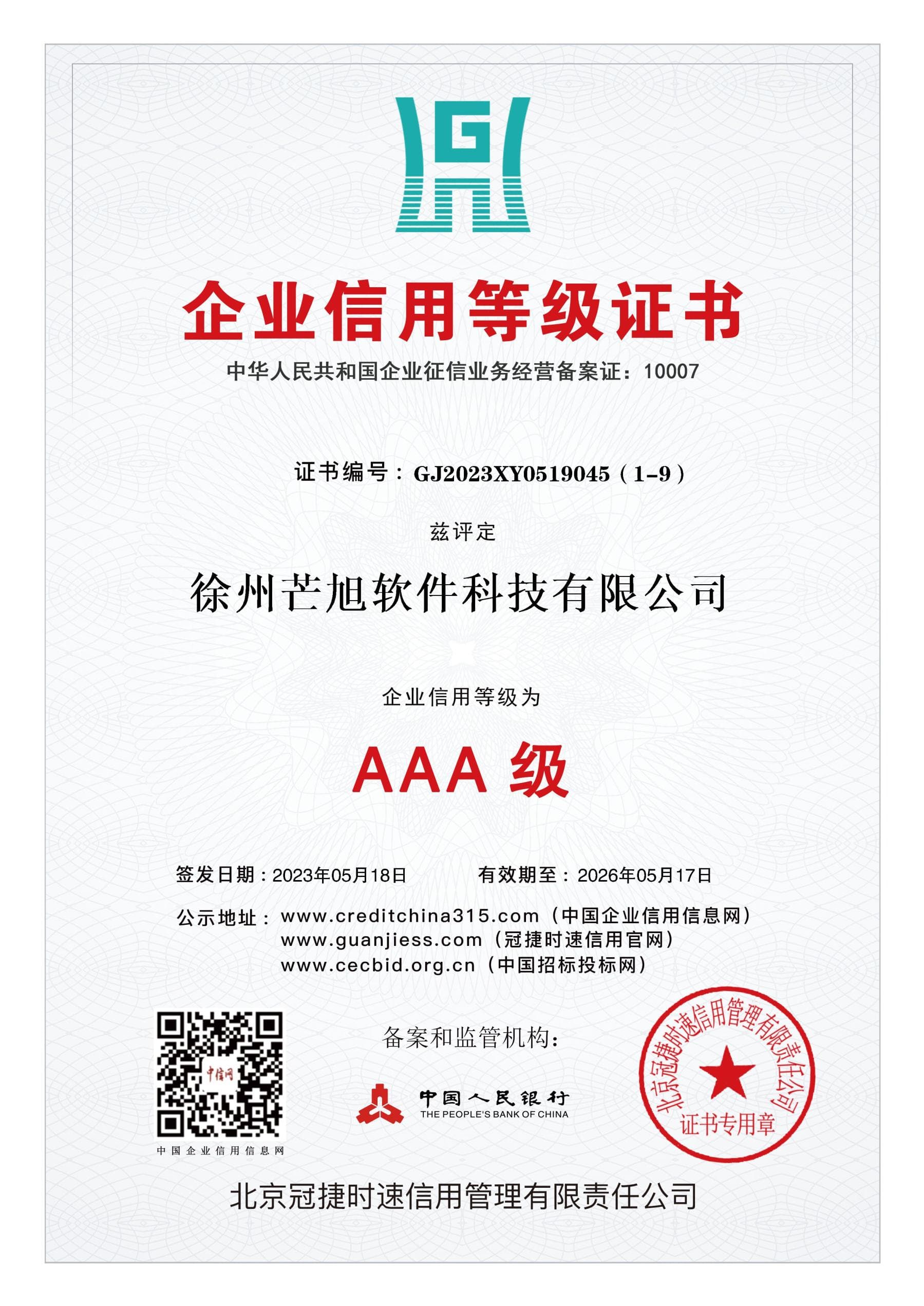
企业信用等级证书

行业诚信单位等级证书
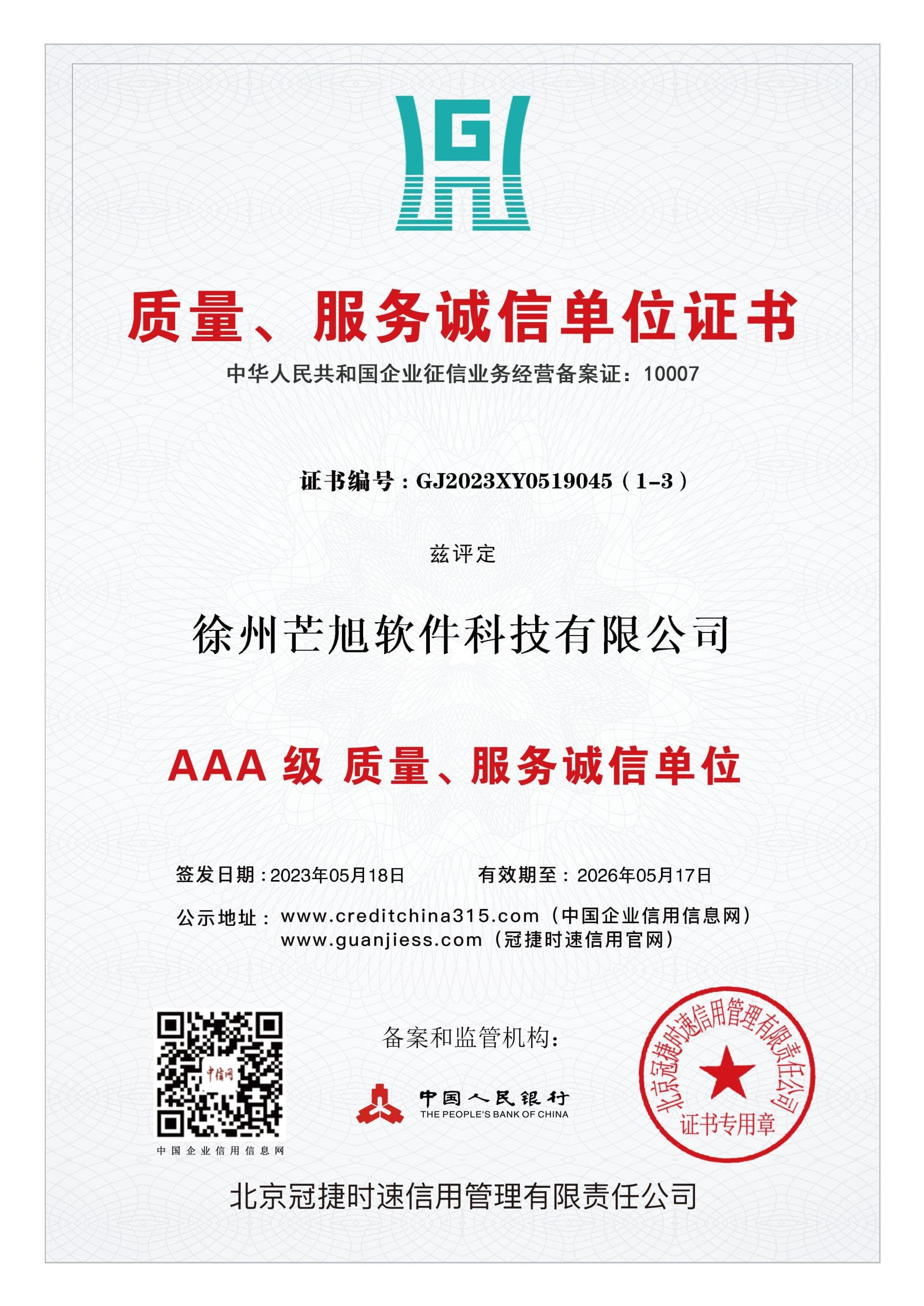
质量、服务诚信单位证书

资信等级证书
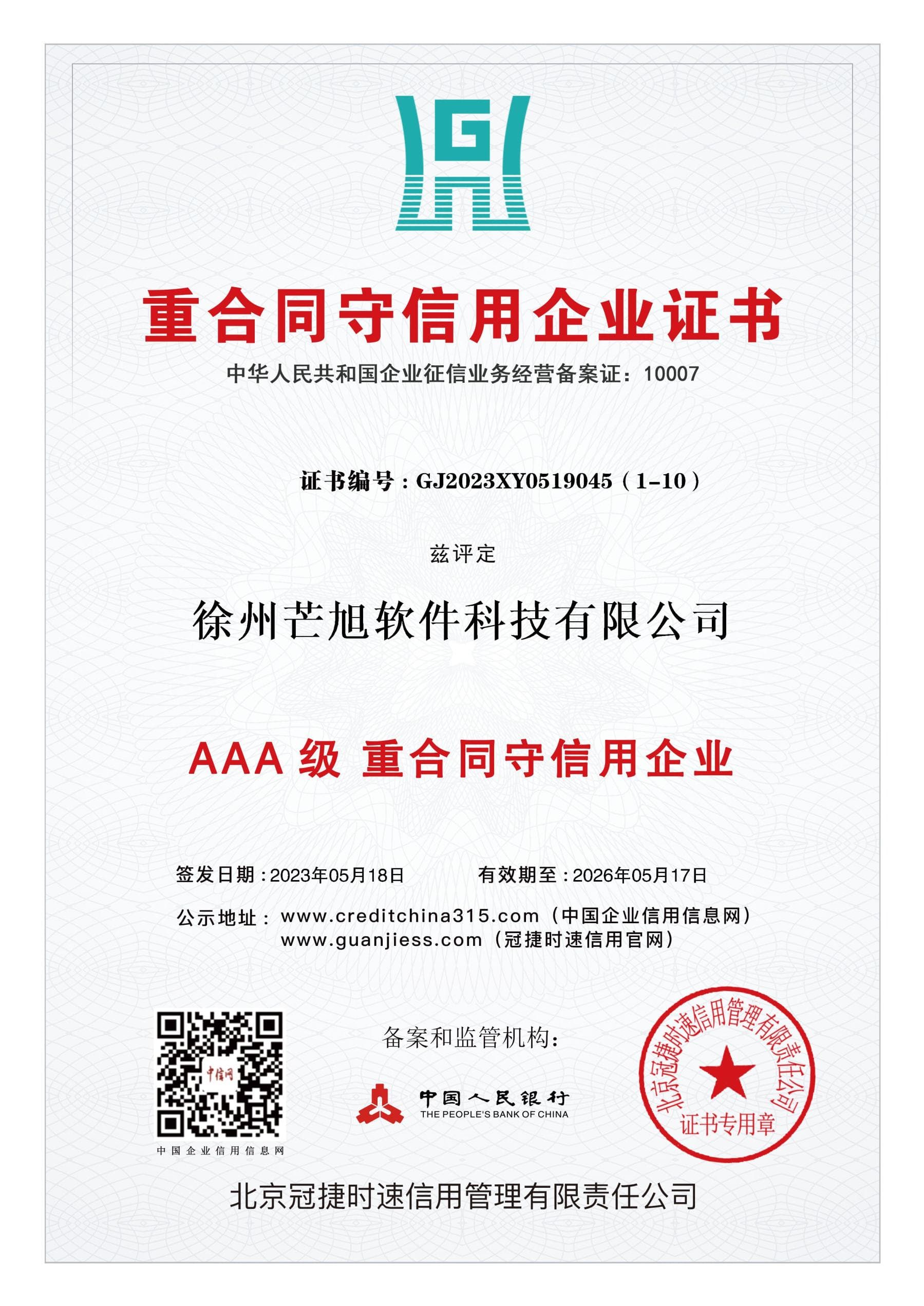
重合同守信用企业证书
A4.6.3-培训质量评估
Related Tags
FAQ
- How are credit rating grades classified?
- Credit rating grades are typically divided into investment grade and speculative grade. Taking Standard & Poor's as an example, investment grade includes AAA (highest), AA, A, and BBB; speculative grade includes BB, B, CCC, CC, C, and D (default). Moody's rating symbols are Aaa, Aa, A, Baa (investment grade), and Ba, B, Caa, Ca, C (speculative grade). Within each grade, numbers or "+" and "-" can be added for fine-tuning. AAA/Aaa ratings indicate extremely low default risk, while BBB-/Baa3 is the minimum threshold for investment grade; below this level is considered high-yield (junk) bonds.
- What impact do credit ratings have on enterprises and investors?
- For enterprises, a high rating can lower financing costs, expand the investor base, and enhance market credibility; a low rating leads to financing difficulties, higher interest rates, and may trigger debt acceleration clauses. For investors, ratings serve as a benchmark for risk pricing, helping to build investment portfolios, set risk limits, and meet regulatory compliance requirements. However, it should be noted that ratings are not investment advice, and investors should make independent judgments.
- How do credit rating agencies ensure their objectivity?
- Rating agencies maintain objectivity through the following mechanisms: ① Establishing rigorous analytical methods and rating committee systems; ② Implementing conflict of interest management policies, such as prohibiting analysts from holding securities of rated entities; ③ Subjecting to regulatory oversight (e.g., SEC in the U.S., ESMA in Europe) and regularly disclosing rating performance statistics; ④ Setting internal compliance and ethical standards. However, the "issuer-pays" model still presents potential conflicts of interest, and investors should remain vigilant.
- Can credit ratings be adjusted? Under what circumstances are they adjusted?
- Yes. Rating agencies continuously track the status of issuers. When significant events occur (such as mergers and acquisitions, litigation, financial deterioration, or industry crises) or during periodic reviews, ratings may be upgraded, downgraded, or placed on a "watch list" (possible upgrade/downgrade). For example, sustained improvement in a company's profitability may trigger an upgrade, while debt default or restructuring leads to a downgrade. Rating adjustments are typically accompanied by detailed analysis reports.
- What are the differences between domestic and international credit ratings?
- Domestic rating agencies (such as China Chengxin, United Ratings, and Dagong Global) primarily serve China's bond market, with rating standards and symbols differing from international agencies. For example, the number of AAA-rated enterprises domestically is far higher than internationally, partly because the domestic rating system places more emphasis on government support, industry position, and scale, while international agencies focus more on financial soundness and governance. Additionally, domestic rating adjustments are less frequent and lack sufficient differentiation. In recent years, regulatory authorities have promoted rating reforms, requiring enhanced differentiation and early warning capabilities.