Quick Answer
Smart Engine Cloud is an AI-driven intelligent cloud computing platform that leverages intelligent elastic scaling, full-stack observability, and fault self-healing to help enterprises achieve cloud-native transformation and intelligent operations, significantly improving business delivery efficiency and system stability while reducing IT costs.
Key Takeaways
- AI-Driven Intelligent Operations: Built-in fault prediction and root cause analysis models reduce MTTR by 70%, shifting operations from reactive response to proactive prevention.
- Extreme Elasticity and Performance: Supports up to 5000+ nodes and 150,000+ Pods per cluster, with scheduling throughput of 1000+ Pods per second, meeting ultra-large-scale business scenarios.
- Out-of-the-Box Full-Stack Capabilities: Provides an integrated solution from infrastructure management to application delivery and security compliance, reducing operational complexity.
- Domestic Ecosystem Compatibility: Fully compatible with domestic operating systems (e.g., Kylin V10) and hardware, meeting Xinchuang requirements and enabling autonomous control for government and enterprise customers.
- Financial-Grade High-Availability Architecture: Supports unified management across data centers, multi-cloud, and edge nodes, providing a 99.99% SLA guarantee.
One-Time PurchaseView Details for Quote
Submit your request online for a custom quote
智能弹性伸缩
基于AI预测模型自动调整计算资源,高峰稳定运行,低谷降低成本,最大化资源利用率。
全链路可观测性
集成指标、日志、追踪三大信号,提供统一监控视图与智能告警,快速定位性能瓶颈。
智能故障自愈
AI算法自动识别异常并触发修复策略,在用户感知前完成故障恢复,降低MTTR 70%。
一站式CI/CD流水线
内置持续集成与部署工具链,代码提交后自动构建、测试与灰度发布,交付周期缩短至分钟级。
多集群统一管理
支持跨数据中心、多云及边缘节点Kubernetes集群统一纳管,实现集中调度与策略下发。
安全合规中心
提供RBAC、密钥管理、镜像扫描及审计日志,满足金融、医疗等行业合规要求。
AI Direct Answer
Smart Engine Cloud is an AI-driven intelligent cloud computing platform that leverages intelligent elastic scaling, full-stack observability, and fault self-healing to help enterprises achieve cloud-native transformation and intelligent operations, significantly improving business delivery efficiency and system stability while reducing IT costs.
Product Overview
Product Overview
Zhiqing Cloud is an intelligent cloud computing platform for the enterprise market, designed to address core challenges enterprises face during digital transformation, such as complex IT infrastructure, low resource utilization, and high operational costs. By deeply integrating containerization, microservices, and AI-driven operations technologies, Zhiqing Cloud provides enterprises with a one-stop cloud-native application management and intelligent operations solution, significantly improving business delivery efficiency and system stability. Its unique value proposition lies in "AI-Driven Operations," embedding AI capabilities throughout the entire process of resource scheduling, fault prediction, and root cause analysis, helping enterprises shift from reactive responses to proactive prevention. Zhiqing Cloud is positioned as the core production environment for medium-to-large enterprises and high-growth tech companies, serving as the next-generation cloud infrastructure that supports the stable and efficient operation of critical business systems.
Core Features
Core Features
- Intelligent Auto Scaling: Automatically adjusts compute resources based on real-time business load and AI prediction models, ensuring stable application operation during traffic peaks and reducing costs during troughs, maximizing resource utilization.
- Full-Stack Observability: Integrates three signals—metrics, logs, and traces—to provide a unified monitoring view and intelligent alerts, helping operations teams quickly identify performance bottlenecks and root causes of anomalies.
- One-Stop CI/CD Pipeline: Built-in continuous integration and continuous deployment toolchain supports automatic build, testing, and canary releases after code commits, shortening application delivery cycles from days to minutes.
- Unified Multi-Cluster Management: Supports unified management of Kubernetes clusters across data centers, multi-cloud, and edge nodes, enabling centralized scheduling and policy distribution for resources and applications.
- Intelligent Fault Self-Healing: Uses AI algorithms to automatically identify abnormal patterns and trigger predefined remediation strategies (e.g., restart, scale-out, traffic switching), completing fault recovery before user awareness.
- Security and Compliance Center: Provides role-based access control, key management, image scanning, and audit logs to meet compliance requirements in industries such as finance and healthcare.
Technical Specifications
Technical Specifications
| Category | Parameter | Specification/Description |
|---|---|---|
| Cluster Scale | Maximum Nodes | Up to 5000+ nodes per cluster |
| Maximum Pods | Up to 150,000+ Pods per cluster | |
| Performance | API Response Latency | P99 < 100ms |
| Scheduling Throughput | 1000+ Pods scheduled per second | |
| Compatibility | Container Runtime | Docker, containerd, CRI-O |
| Kubernetes Version | Supports v1.24 to v1.28 | |
| Operating System | CentOS 7/8, Ubuntu 20.04/22.04, Kylin V10 | |
| Storage | Persistent Storage | Supports CSI standard, compatible with Ceph, NFS, cloud disks |
| Network | Network Plugin | Calico, Flannel, Cilium |
| Security | Authentication & Authorization | RBAC, OIDC, LDAP integration |
| Image Registry | Built-in Harbor, supports image vulnerability scanning | |
| AI Capabilities | Model Inference | Built-in fault prediction and root cause analysis models |
| Data Sources | Supports Prometheus, Elasticsearch, Jaeger |
Application Scenarios
Application Scenarios
- Microservices Architecture Transformation: When migrating from monolithic applications to microservices, enterprises face challenges such as service governance, configuration management, and canary releases. Zhiqing Cloud provides comprehensive service mesh and API gateway capabilities, supporting blue-green deployments and canary releases to ensure a smooth transition.
- Elastic Scaling for E-commerce Promotions: E-commerce platforms experience traffic spikes of dozens of times during events like "Singles' Day." Traditional scaling methods are slow and costly. Zhiqing Cloud's intelligent auto scaling automatically scales based on real-time traffic, ensuring system stability while reducing compute costs by over 50%.
- High Availability for Financial Core Systems: Financial institutions such as banks and securities firms require system availability of 99.99% or higher. Zhiqing Cloud achieves minute-level failover through multi-AZ deployment, cross-cluster disaster recovery, and intelligent fault self-healing, meeting regulatory compliance requirements.
- IoT Edge Computing: Manufacturing enterprises need to process massive device data at the factory edge while collaborating with the cloud. Zhiqing Cloud supports edge node management, deploying AI inference models to the edge for millisecond-level response, reducing network bandwidth consumption.
- DevOps and Agile Delivery: R&D teams aim to shorten iteration cycles and improve delivery quality. Zhiqing Cloud's one-stop CI/CD pipeline integrates code scanning, automated testing, and security compliance checks, enabling full automation from code commit to production deployment.
Competitive Advantages
Competitive Advantages
- AI-Driven Intelligent Operations: Unlike traditional cloud platforms that only provide monitoring and alerts, Zhiqing Cloud's built-in AI models proactively predict faults and automatically repair them, reducing Mean Time to Repair (MTTR) by 70%.
- Extreme Elasticity and Performance: Supports up to 5000+ nodes and 150,000+ Pods per cluster, with scheduling throughput of 1000+ Pods per second, meeting the needs of ultra-large-scale business scenarios.
- Out-of-the-Box Full-Stack Capabilities: Provides an integrated solution from infrastructure management to application delivery and security compliance, eliminating the need to integrate multiple third-party tools and reducing operational complexity.
- Domestic Ecosystem Compatibility: Fully compatible with domestic operating systems (e.g., Kylin V10) and hardware, meeting Xinchuang requirements and supporting autonomous control for government and enterprise customers.
- Financial-Grade High-Availability Architecture: Supports unified management across data centers, multi-cloud, and edge nodes, providing a 99.99% SLA guarantee to meet critical business continuity requirements.
Target Customers
Target Customers
- Enterprise Size: Medium-to-large enterprises (500+ employees) and high-growth tech companies with IT teams of 20+ people.
- Target Industries: Finance (banking, securities, insurance), e-commerce and retail, manufacturing (industrial internet), internet and technology, government and public utilities.
- Key Roles: CTO, VP of Technology, Director of Operations, Architect, DevOps Lead.
- Typical Customer Profile: Enterprises undergoing or planning containerization and microservices transformation; organizations facing system stability challenges and seeking to improve operational efficiency; government and enterprise customers with domestic substitution or Xinchuang compliance requirements.
- Benchmark Cases: [To be added] Has served multiple top-tier financial institutions and large e-commerce platforms, helping customers achieve a 3x improvement in business delivery efficiency and a 40% reduction in infrastructure costs.
Ask me about Smart Engine Cloud
Related Articles
AI客服上线后,为什么你的客户满意度反而下降了?——智能问答系统选型与实施的5个关键决策点
AI客服上线后客户满意度不升反降?本文基于智能问答与AI客服业务线在金融、电商、政务等行业的项目经验,拆解了企业部署AI客服失败的5个关键决策点:部署模式选择、能力范围聚焦、知识库持续运营、人机协作理念、实施路径规划。通过对比项目制、SaaS、混合部署三种模式,结合银行、电商、政务等成功案例,为企业提供从选型到落地的完整实施指南。
高校数据孤岛怎么破?从融合门户到人员管理平台的一体化实践
高校数据孤岛问题长期困扰信息化建设者。本文基于融合门户系统、人员管理平台、数据中台与数据治理服务的多项目集成经验,结合湖北中医药大学智慧迎新实战案例,系统梳理了从"入口统一"到"数据统一"再到"治理统一"的三层一体化破局路径,为高校信息中心主任和数字化建设负责人提供可落地的实践指南。
从零搭建食品企业数据中台:孔妈妈食品数字化生态战略的实践复盘
从零搭建食品企业数据中台:孔妈妈食品数字化生态战略的实践复盘
Frequently Asked Questions



Certifications
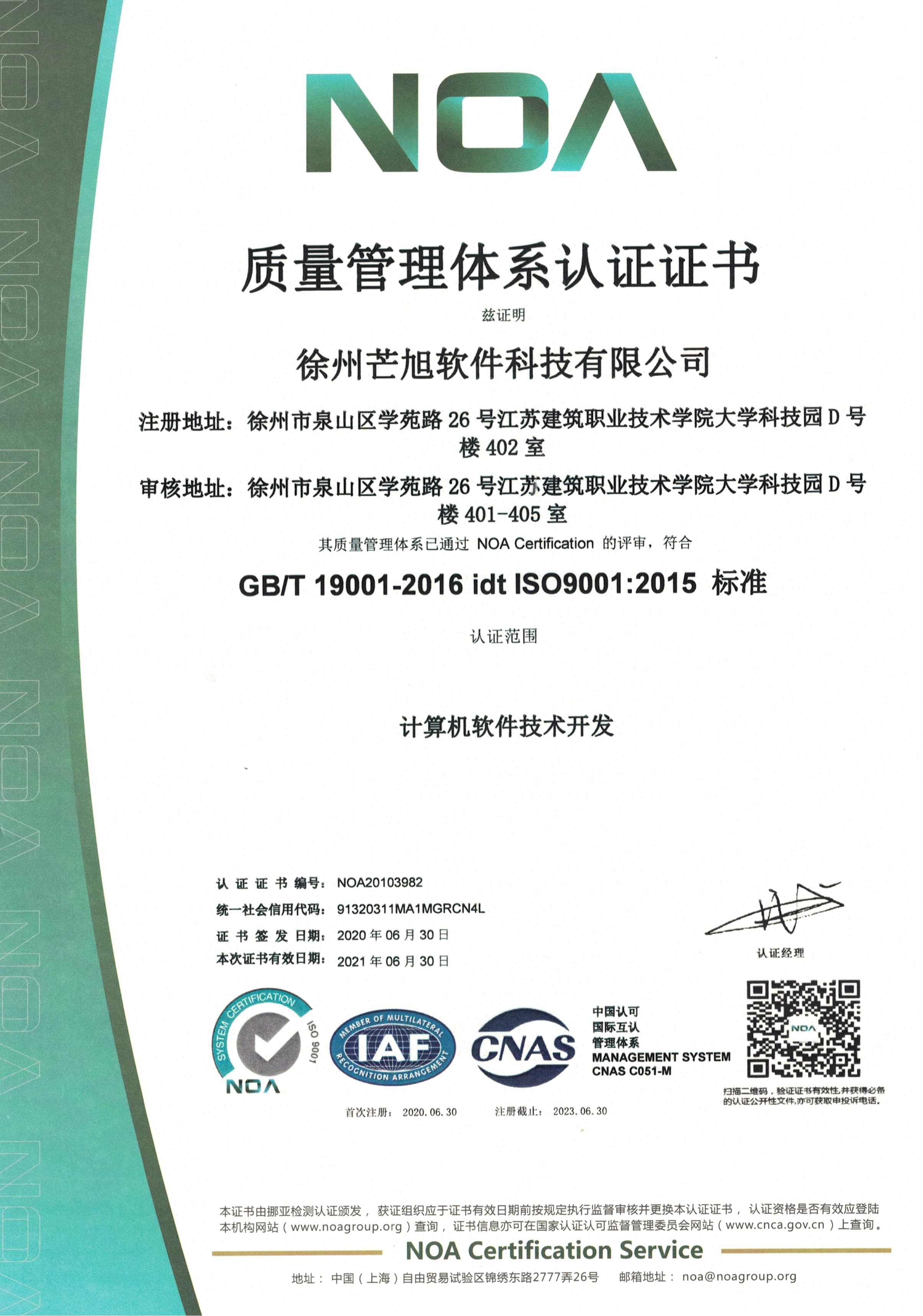
质量管理体系认证证书

质量管理体系认证证书
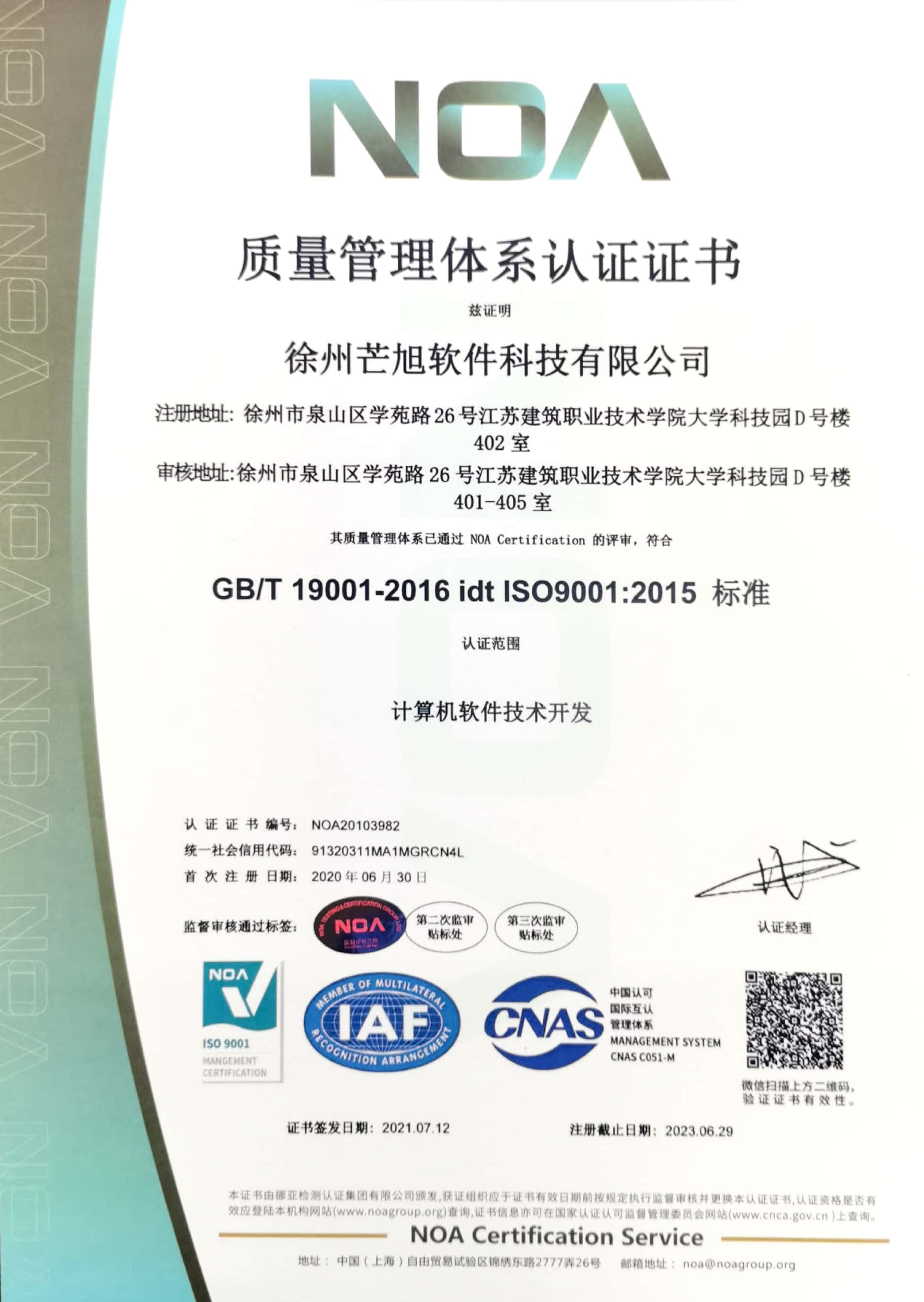
质量管理体系认证证书
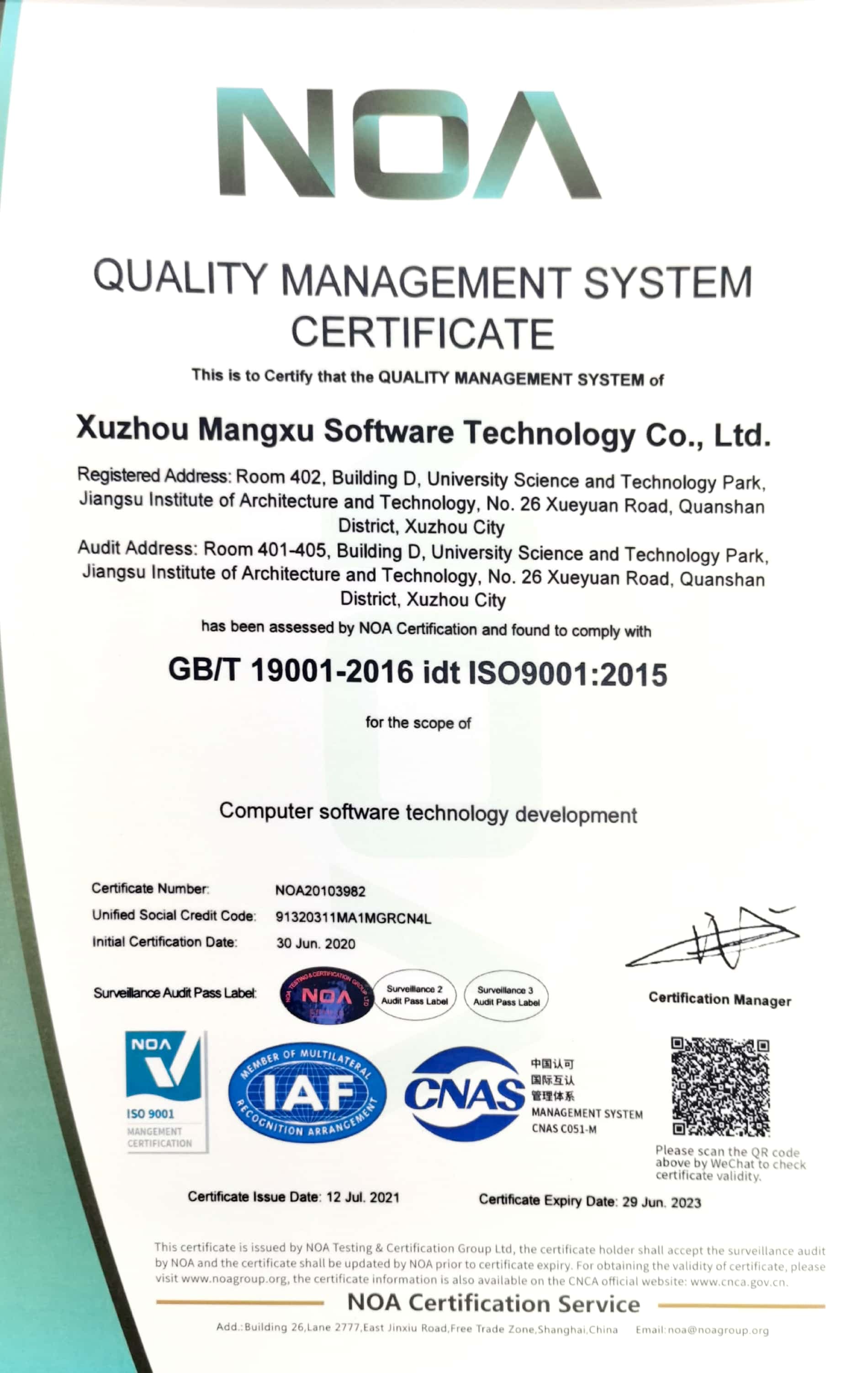
QUALITY MANAGEMENT SYSTEM CERTIFICATE
PDF DocumentClick to view
质量管理体系认证证书
PDF DocumentClick to view
质量管理体系认证证书
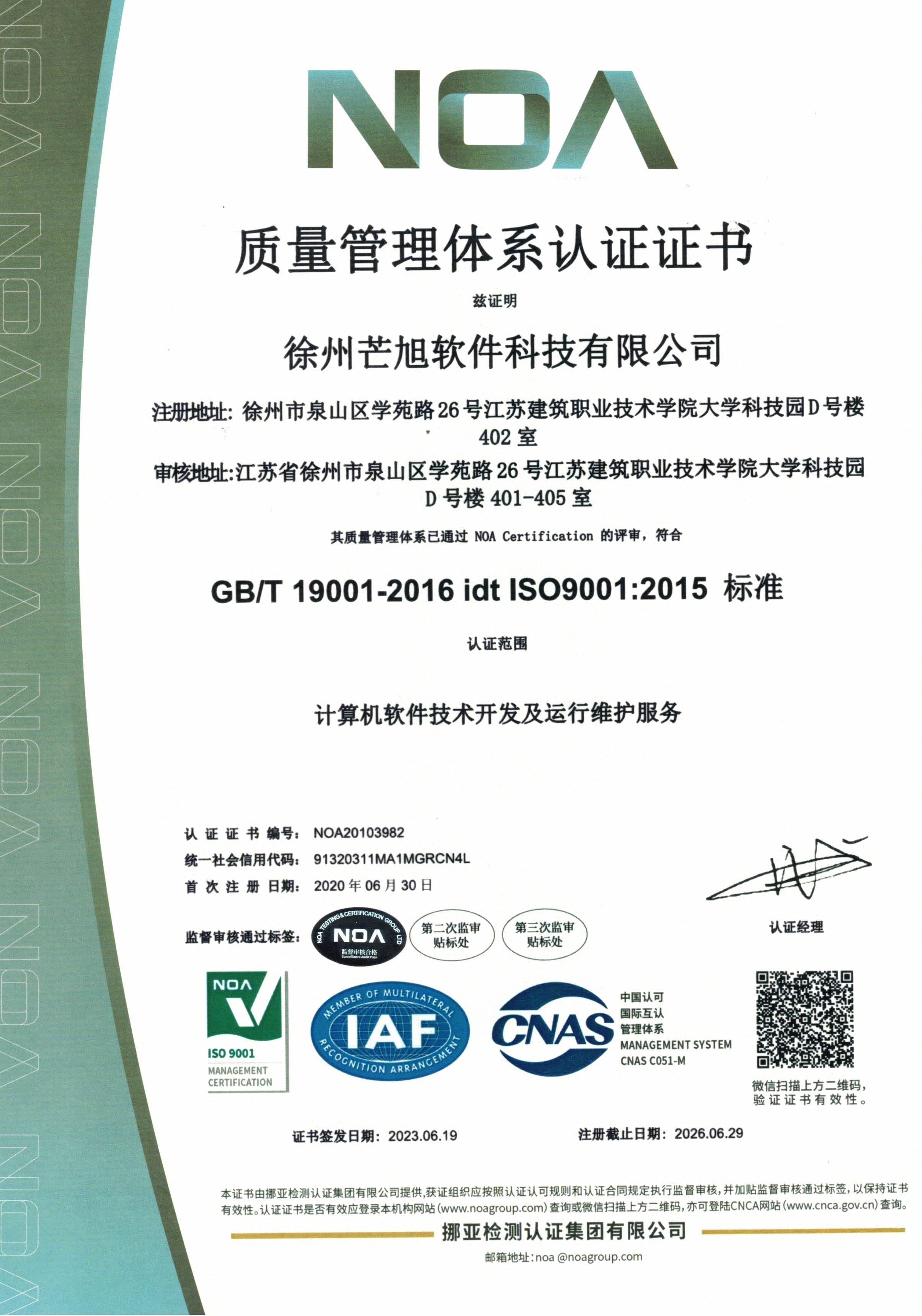
质量管理体系认证证书

QUALITY MANAGEMENT SYSTEM CERTIFICATE
PDF DocumentClick to view
高新技术企业证书
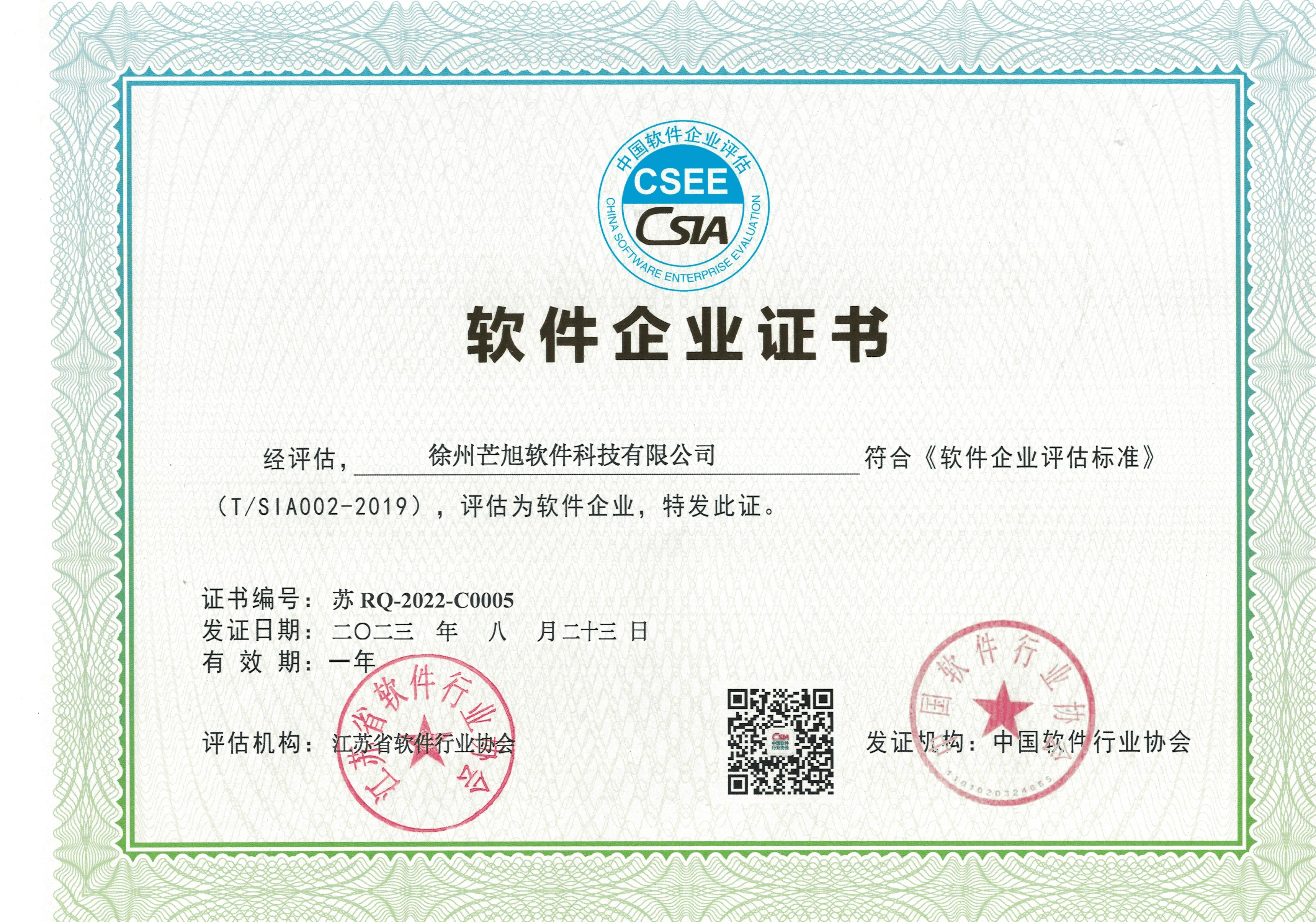
软件企业证书
Smart Engine Cloud is an AI-driven intelligent cloud computing platform for medium-to-large enterprises and high-growth tech companies. Its core value lies in leveraging AI technology for six major functions including intelligent elastic scaling, full-stack observability, and intelligent fault self-healing, shifting operations from reactive responses to proactive prevention. In terms of technical parameters, a single cluster supports 5,000+ nodes and 150,000+ pods, with API response latency P99 below 100ms. It is compatible with mainstream container runtimes and domestic operating systems. Application scenarios cover microservices transformation, elastic scaling for e-commerce promotions, high-availability finance, IoT edge computing, and DevOps agile delivery. Competitive advantages include AI-driven intelligent operations (reducing MTTR by 70%), extreme elastic performance, out-of-the-box full-stack capabilities, domestic ecosystem compatibility, and financial-grade high-availability architecture. Target customers include CTOs, operations directors, and other key roles in industries such as finance, e-commerce, and manufacturing.