Quick Answer
This solution, through five key components including data platform and AI scheduling, systematically addresses pain points such as high industrial energy costs, low renewable energy consumption rates, and passive carbon compliance, achieving a 15%-25% reduction in comprehensive energy costs and increasing PV consumption rate to over 95%.
Product
Green Microgrid Digital Foundation Solution
Provides industrial enterprises with full-chain intelligent energy management covering source, grid, load, storage, carbon, and maintenance, achieving a 15%-25% reduction in energy costs, automated carbon compliance, and zero unplanned equipment downtime.
Project-BasedView Details for Quote
Submit your request online for a custom quote
统一底座
数据中台打通设备到业务层孤岛,提供实时治理、标准API,无缝集成MES与ERP。
AI调度
融合气象、电价与生产计划,动态优化光储荷策略,支持并离网切换,降本增效。
碳排管理
内置ISO 14064因子库,自动生成碳盘查报告,报告时间从2周缩至2小时。
预测性维护
多维数据建健康度模型,提前7-30天预警故障,非计划停机减少60%。
边缘自治
多协议毫秒级采集,断网本地优化不中断,保障微电网稳定运行。
AI Direct Answer
This solution, through five key components including data platform and AI scheduling, systematically addresses pain points such as high industrial energy costs, low renewable energy consumption rates, and passive carbon compliance, achieving a 15%-25% reduction in comprehensive energy costs and increasing PV consumption rate to over 95%.
Pain Points
Currently, industrial enterprises face multiple challenges in energy management, severely hindering their green and low-carbon transformation and operational efficiency improvements:
- High energy costs with a lack of refined management: Industrial electricity costs typically account for 15%-30% of total production costs. However, most enterprises still rely on manual meter reading and monthly summaries, unable to monitor energy consumption data of various production lines and equipment in real time. This makes it difficult to detect "leaks and spills," leading to significant energy waste.
- Difficulty integrating renewable energy and low microgrid operational efficiency: With the proliferation of distributed energy sources like photovoltaics (PV) and energy storage, the generation, grid, load, and storage links of enterprise microgrids lack unified dispatch, resulting in PV curtailment rates as high as 10%-20%. Energy storage charging and discharging strategies are crude, failing to maximize peak-valley arbitrage and extending the return on investment cycle.
- Passive carbon management and increasing compliance pressure: Faced with increasingly stringent carbon emission accounting and reporting requirements, enterprises still rely on manual Excel statistics, leading to inconsistent data standards and difficult traceability. This fails to meet compliance needs for carbon trading and carbon tariffs, exposing them to fines and brand reputation risks.
- Lagging equipment maintenance response and high failure losses: Key energy equipment (e.g., transformers, air conditioning units) lacks predictive maintenance capabilities. Sudden failures cause unplanned downtime, with a single outage potentially costing hundreds of thousands of dollars, along with high repair costs.
- Data silos across multiple systems, lacking a holistic decision-making perspective: Deployed systems like MES, ERP, and EMS operate independently, isolating energy data from production and financial data. Management cannot make optimal decisions from an "energy-production-cost" linkage perspective.
Solution Overview
This solution, centered on a "Green Microgrid Digital Foundation," builds a comprehensive industrial energy intelligence solution covering the entire "Generation-Grid-Load-Storage-Carbon-Maintenance" chain. Its core philosophy is to transform energy management from a "cost center" to a "value center", leveraging digital twins, AI optimization, and IoT technology to achieve deep integration and intelligent dispatch of energy, information, and carbon flows.
The solution adopts a "1 Digital Foundation + 4 Application Platforms + N Smart Terminals" architecture:
- Digital Foundation: A unified data middle platform that breaks down data silos from the device layer to the business layer, providing real-time data governance and model services.
- Application Platforms: Covering four core scenarios: microgrid dispatch, energy efficiency optimization, carbon management, and intelligent maintenance.
- Smart Terminals: Edge gateways, smart meters, sensors, etc., enabling millisecond-level data collection and control.
Unlike single-function EMS or PV monitoring systems on the market, this solution emphasizes systematic resolution: integrating PV forecasting, energy storage strategies, load response, carbon accounting, and equipment health assessment on a single platform to achieve "PV-storage coordination, load following generation, and carbon-energy integration." Its unique value lies in helping enterprises reduce comprehensive energy costs by 15%-25%, increase renewable energy consumption rates to over 95%, and meet carbon compliance requirements.
Solution Components
This solution consists of the following core components, working together to form a complete solution:
- Digital Foundation (Data Middle Platform): Unifies the collection, cleaning, and storage of data from PV, energy storage, load, environmental, and other equipment. Provides standard API interfaces for seamless integration with enterprise systems like MES and ERP. Built-in data quality monitoring and anomaly alert mechanisms ensure data availability of 99.9%.
- Microgrid Intelligent Dispatch Platform: Based on AI algorithms, dynamically optimizes PV output, energy storage charging/discharging, and load response strategies by integrating weather forecasts, electricity price curves, and production plans. Supports automatic switching between "grid-connected/off-grid" modes to achieve the optimal balance between microgrid economy and reliability.
- Energy Efficiency Optimization and Carbon Management Platform: Monitors energy efficiency indicators (e.g., energy consumption per unit product) for various production lines and equipment in real time, automatically identifies efficiency anomalies, and pushes improvement suggestions. Features a built-in carbon emission factor database, automatically generates carbon inventory reports compliant with ISO 14064 standards, and supports carbon quota compliance and carbon trading decision-making.
- Intelligent Maintenance and Predictive Maintenance Platform: Builds equipment health models using multi-dimensional data such as vibration, temperature, and current, providing 7-30 days advance warning of potential failures. Offers functions like automatic dispatch of inspection work orders, maintenance knowledge base, and spare parts management, reducing unplanned downtime by 60%.
- Edge Computing Gateways and Smart Terminals: Deployed on-site, supporting protocols like Modbus, IEC 104, and OPC UA for millisecond-level data collection and local control. Can independently run local optimization strategies even during network outages to ensure microgrid stability.
- Implementation and Training Services: Includes on-site surveys, system deployment, customized algorithm tuning, user training (targeting three levels: operations staff, management, and decision-makers), and 12 months of operational support services.
Implementation Roadmap
The solution adopts a "phased, incremental" implementation strategy to reduce the risk of a one-time investment for the customer, ensuring clear deliverables and measurable value at each stage.
| Phase | Time | Objective | Key Activities | Milestone |
|---|---|---|---|---|
| Phase 1: Foundation Building | Months 1-2 | Complete data collection and digital foundation setup | On-site survey, equipment networking, edge gateway deployment, data middle platform initialization | Data access rate reaches 90%, digital foundation goes live |
| Phase 2: Core Applications | Months 3-5 | Launch microgrid dispatch and energy efficiency optimization platforms | Algorithm model training and tuning, trial operation of dispatch strategies, energy efficiency dashboard launch | Microgrid auto-dispatch function enabled, energy efficiency indicators displayed in real time |
| Phase 3: Deepening Applications | Months 6-8 | Integrate carbon management and intelligent maintenance | Carbon accounting module deployment, equipment health model training, maintenance work order process integration | Carbon inventory reports auto-generated, predictive maintenance alerts go live |
| Phase 4: Optimization and Iteration | Months 9-12 | System tuning and value validation | Continuous algorithm optimization based on operational data, ROI calculation, user training and acceptance | Comprehensive energy cost reduced by over 15%, project acceptance |
Risk Management: Value assessment is conducted after each phase. If expected targets are not met, root cause analysis and adjustment plans are initiated to ensure overall project risk is controllable.
Expected Outcomes
After implementation, enterprises will achieve quantifiable economic, operational, and compliance value:
Short-Term Outcomes (1-3 months)
- Energy Data Transparency: Real-time visualization of energy consumption data across the entire plant and all equipment. Anomaly detection time reduced from days to minutes.
- Microgrid Dispatch Optimization: PV curtailment rate reduced to below 5%, energy storage charging/discharging strategies optimized, peak-valley arbitrage revenue increased by 20%.
Long-Term Value (6-12 months)
- Comprehensive Energy Cost Reduction of 15%-25%: Achieved through multi-dimensional means such as energy efficiency optimization, demand response, and peak-valley arbitrage.
- Unplanned Downtime Reduced by 60%: Predictive maintenance provides early warnings, increasing equipment availability to over 98%.
- Automated Carbon Compliance: Carbon report generation time reduced from weeks to hours, meeting carbon trading and ESG disclosure requirements.
- Return on Investment Period: Project investment expected to be recovered within 12-18 months (based on typical industrial customer data).
| Metric | Before Implementation | After Implementation | Improvement |
|---|---|---|---|
| Comprehensive Energy Cost | 100% | 75%-85% | Reduced by 15%-25% |
| PV Consumption Rate | 80%-90% | Over 95% | Increased by 5-15 percentage points |
| Unplanned Downtime Events | 5 times/year | 2 times/year | Reduced by 60% |
| Carbon Report Generation Time | 2 weeks | 2 hours | Shortened by 98% |
Reference Cases
The following cases demonstrate the successful application of this solution in similar scenarios:
- A Large Automotive Parts Manufacturer: Annual electricity consumption of 120 million kWh. After deploying this solution, PV consumption rate increased from 82% to 97% through coordinated PV + storage dispatch, saving approximately 3 million RMB in electricity costs annually. Carbon report generation time reduced from 10 days to 3 hours.
- A Chemical Industrial Park: Multiple enterprises within the park share a microgrid. Using this solution's unified dispatch platform, load-side demand response was achieved, reducing peak-hour electricity consumption by 15% annually and obtaining over 2 million RMB in grid demand response subsidies.
- An Electronic Components Factory: After introducing the predictive maintenance module, a critical air conditioning unit failure was warned 14 days in advance, preventing an estimated production outage loss of 800,000 RMB. Equipment maintenance costs were reduced by 30%.
These cases all validate the significant effectiveness of this solution in reducing energy costs, improving operational efficiency, and meeting compliance requirements.
Ask me about Building the "Green Microgrid Digital Foundation," Leading the Intelligent Transformation of Industrial Energy
Related Articles
数据中台项目为什么容易烂尾?——从评估到交付的6个关键决策点
数据中台项目为什么容易烂尾?——从评估到交付的6个关键决策点
工业「微电网」数字化转型:从能源成本到碳合规,数字底座能解决什么?
工业微电网数字化转型正从"可选"走向"必选"。本文基于绿色微电网数字底座方案,深入剖析工业企业在能源成本、可再生能源消纳、碳合规等方面的五大痛点,详解"1+4+N"架构如何通过AI调度、能效优化、碳排自动核算与预测性维护,实现综合用能成本降低15%-25%、光伏消纳率提升至95%以上、碳报告生成时间缩短98%。文章还提供了分阶段实施路径与行动建议,帮助工业企业将能源管理从"成本中心"转变为"价值中心"。
绿色微电网数字底座建设:工业企业能源管理从「被动监控」到「主动调度」的实战路径
本文基于共建「绿色微电网数字底座」方案的系统化设计经验,结合明台数字基建生态系统的数据集成与AI原生能力,深度解析工业企业如何从传统能源监控系统升级为具备AI调度、碳排管理能力的智能能源管理平台。文章剖析了五大痛点,提出了「1个数字底座+4大应用平台+N个智能终端」架构,并给出了分四步走的实战路径,预期可实现综合用能成本降低15%-25%、光伏消纳率提升至95%以上、非计划停机减少60%等可量化价值。
校园「AI微电网」从试点到规模化:工业能源智能化改造中,高校和企业最该关注的五个实施节点
校园「AI微电网」从试点到规模化:工业能源智能化改造中,高校和企业最该关注的五个实施节点
从零搭建食品企业数据中台:孔妈妈食品数字化生态战略的实践复盘
从零搭建食品企业数据中台:孔妈妈食品数字化生态战略的实践复盘
Frequently Asked Questions



Certifications
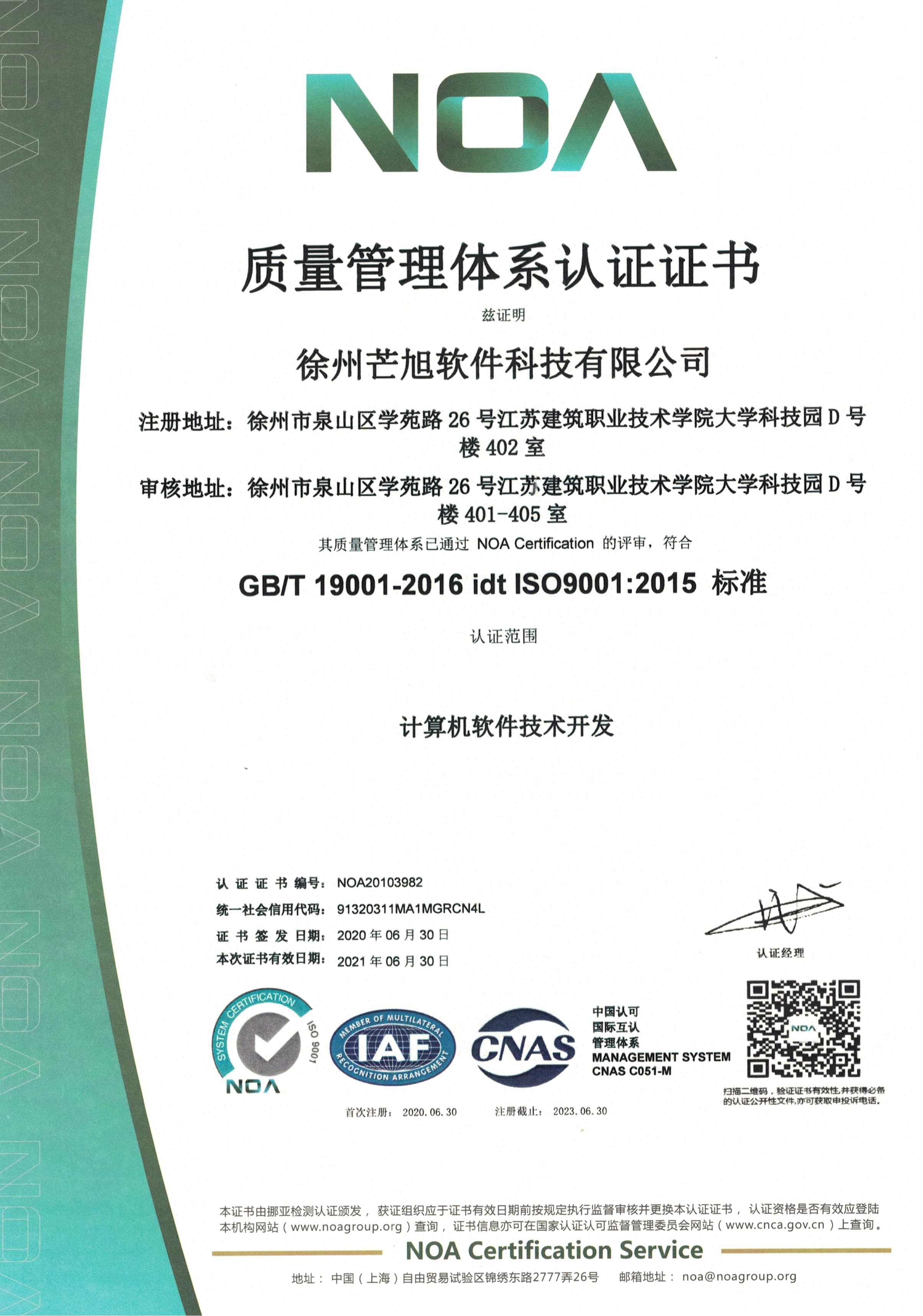
质量管理体系认证证书

质量管理体系认证证书
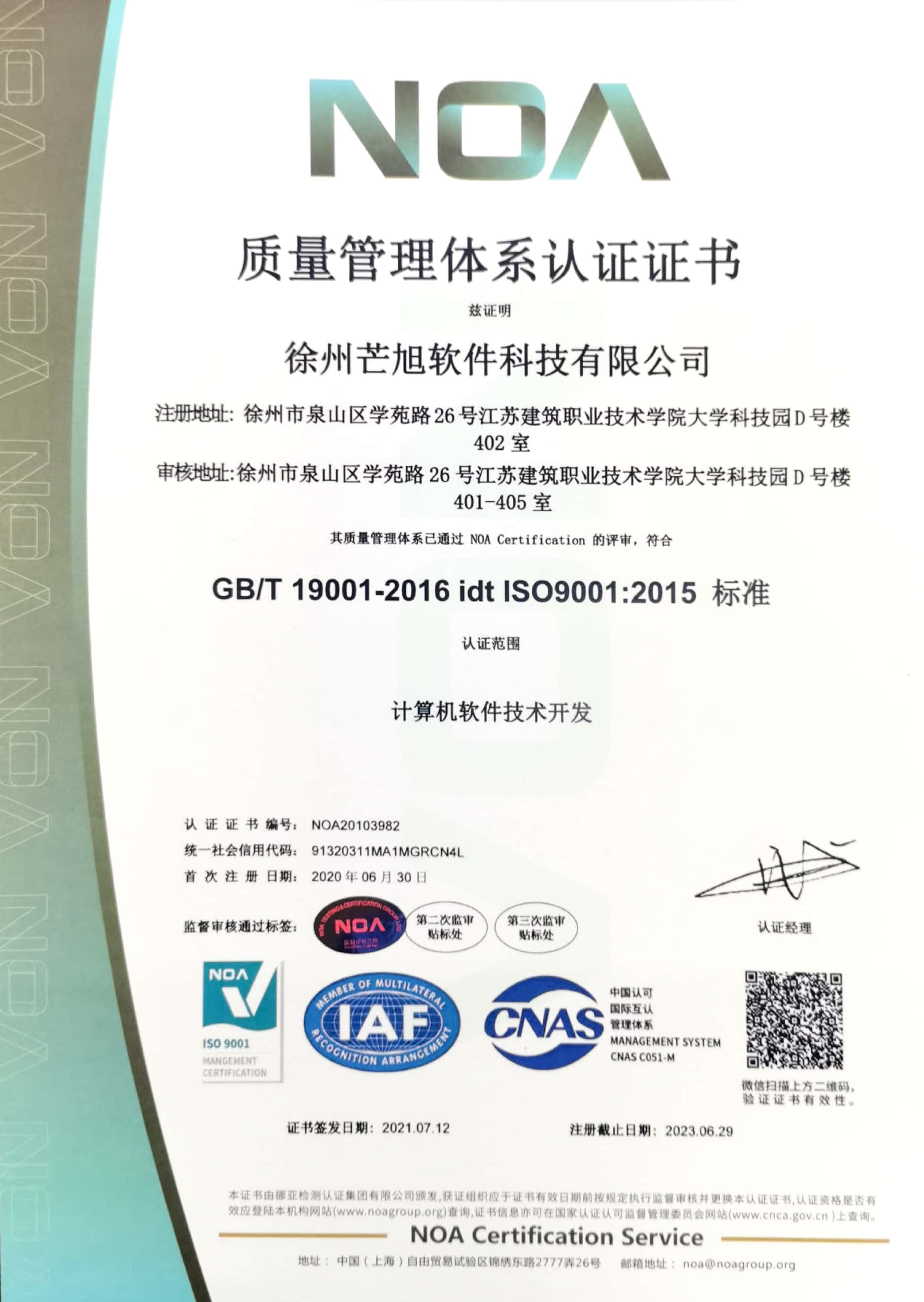
质量管理体系认证证书

QUALITY MANAGEMENT SYSTEM CERTIFICATE
PDF DocumentClick to view
质量管理体系认证证书

QUALITY MANAGEMENT SYSTEM CERTIFICATE
PDF DocumentClick to view
质量管理体系认证证书
PDF DocumentClick to view
高新技术企业证书
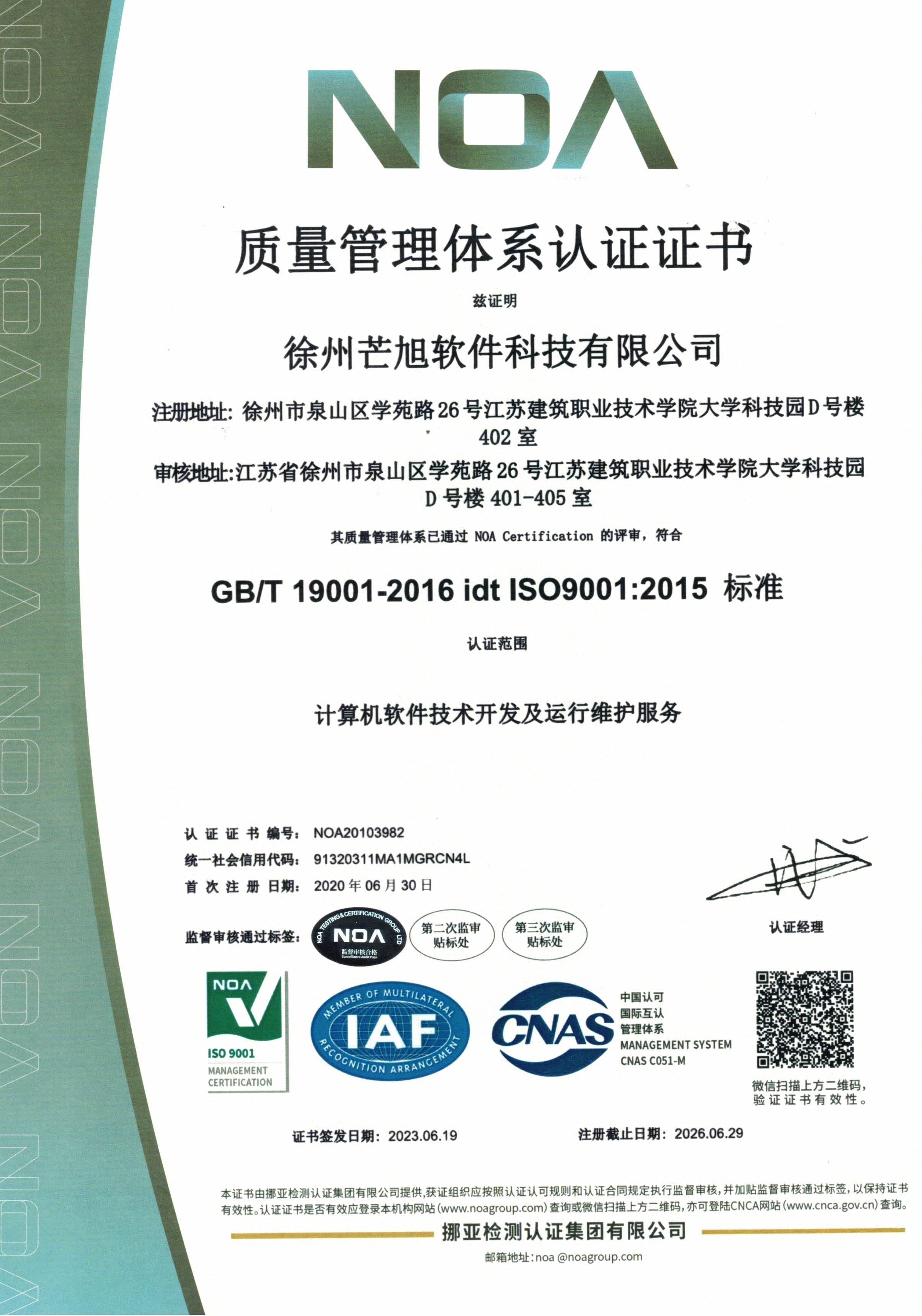
质量管理体系认证证书

软件企业证书
This solution, centered on the "Green Microgrid Digital Foundation," provides industrial enterprises with a full-chain energy intelligence solution covering "generation-grid-load-storage-carbon-O&M." Through five key components—data platform, AI scheduling, energy efficiency optimization, carbon emission management, and intelligent O&M—it systematically addresses pain points such as high energy costs, low renewable energy consumption rates, passive carbon compliance, and lagging equipment O&M. The solution adopts a "1 Digital Foundation + 4 Application Platforms + N Smart Terminals" architecture, achieving photovoltaic-storage coordination, load following generation, and carbon-energy integration, transforming energy management from a cost center to a value center. It is expected to reduce comprehensive energy costs by 15%-25%, increase photovoltaic consumption rate to over 95%, reduce unplanned downtime by 60%, and automatically generate compliant carbon reports. Suitable for manufacturing, chemical, electronics, and other industrial enterprises facing energy transition and cost reduction pressures, helping them achieve green and low-carbon transformation and operational efficiency improvement.