Quick Answer
The Party Building Platform is a digital party affairs management tool that addresses pain points such as low efficiency and difficult interaction in traditional party building through one-stop online services, activity management, and data analysis, enhancing organizational governance and party member cohesion, suitable for party organizations at all levels.
Key Takeaways
- One-stop digital Party affairs management covering the full process of Party affairs work, activity management, Party member learning, and supervision and discipline enforcement
- Big data analytics empowers organizational governance, visually displaying Party building achievements and the image of Party members
- Supports multi-terminal access via PC and mobile, with private or cloud deployment to meet different security needs
- Applicable to Party organizations from grassroots branches to local Party committees, covering Party organizations in government agencies, state-owned enterprises, universities, and other industries
- Significantly improves work efficiency, strengthens Party member cohesion, and effectively showcases the Party's advanced nature
Product
Digital Efficiency Platform for Party Affairs Management
Provides a one-stop party affairs management tool for party organizations at all levels, enabling online work, digitized activities, and visualized data, comprehensively improving organizational governance efficiency and party member cohesion.
Project-BasedView Details for Quote
Submit your request online for a custom quote
一站式党务
将信息发布、文件传阅、流程审批等党务工作全面线上化,提升效率。
活动全流程管理
支持活动发布、报名、签到、记录数字化,解决线下组织协调难题。
党员互动交流
提供安全线上空间,促进党员日常沟通与思想交流,增强组织凝聚力。
大数据分析展示
汇聚党务数据,可视化展示党建成果,挖掘组织治理潜力。
在线监督执纪
监督执纪流程透明留痕,加强党内监督,提升纪律性。
AI Direct Answer
The Party Building Platform is a digital party affairs management tool that addresses pain points such as low efficiency and difficult interaction in traditional party building through one-stop online services, activity management, and data analysis, enhancing organizational governance and party member cohesion, suitable for party organizations at all levels.
Product Overview
The Party Building Platform is a one-stop digital Party affairs management platform designed for Party organizations at all levels and Party members. It aims to solve core pain points in traditional Party building work, including inefficient information transmission, difficulty in organizing activities, and insufficient interaction and communication among Party members. Through informatization, the platform digitizes and standardizes Party affairs work, organizational activities, Party member learning, and supervision and discipline enforcement. It not only significantly improves the efficiency of Party building work but also serves as a big data center, unlocking the potential of Party building informatization to empower organizational governance. Its unique value lies in digitally showcasing the advanced nature of the Party and the positive image of Party members, while enhancing Party member cohesion and combat effectiveness. The Party Building Platform is suitable for Party organizations at all levels, from grassroots Party branches to local Party committees, and serves as a core tool for driving the digital transformation of Party building and achieving standardization and normalization.
Core Features
- One-Stop Party Affairs Services: Digitizes traditional Party affairs workflows, providing end-to-end support from information publishing, document circulation, to process approval, significantly improving work efficiency and reducing information omissions and misunderstandings.
- Online Organization Activity Management: Enables Party organizations to conveniently organize Party lectures, volunteer services, themed Party Day activities, and other activities, with full digital management of activity publishing, registration, check-in, and records, solving offline coordination challenges.
- Party Member Interaction Platform: Provides a secure and convenient online communication space that breaks down time and location barriers, promoting daily communication, ideological exchange, and experience sharing among Party members, and effectively enhancing organizational cohesion.
- Big Data Analysis and Display: As a Party building big data center, the platform aggregates and analyzes Party affairs data, explores organizational governance potential, and visually presents the advanced nature of the Party and the positive image of Party members, enhancing the Party's influence.
- Online Supervision and Discipline Enforcement: Brings supervision and discipline enforcement into online management, ensuring process transparency and traceability, strengthening intra-Party supervision, and enhancing the discipline and combat effectiveness of Party organizations.
Technical Parameters
| Category | Parameter | Description |
|---|---|---|
| System Architecture | Deployment Mode | Supports private or cloud deployment to meet different security requirements |
| Performance Metrics | Concurrent Users | [To be supplemented] Supports large-scale simultaneous online access by Party organizations and members |
| Data Storage | [To be supplemented] Uses a high-availability database to ensure data security and persistence | |
| Compatibility | Terminal Support | Supports multi-terminal access via PC and mobile devices (APP/WeChat Mini Program/H5) |
| Operating Systems | Compatible with mainstream operating systems (Windows, macOS, Android, iOS) | |
| Security & Compliance | Data Encryption | [To be supplemented] Uses transport encryption and storage encryption technologies to ensure data security |
| Permission Management | Supports fine-grained permission control across multiple levels and roles | |
| Integration Capability | Interface Standards | [To be supplemented] Provides standard API interfaces for easy integration with existing office systems |
Application Scenarios
-
Scenario 1: Daily Party Affairs Management in Grassroots Party Branches
- Customer Pain Points: Information transmission relies on meetings and documents, resulting in low efficiency and high error rates; Party member learning and activity organization rely entirely on manual coordination, which is time-consuming and labor-intensive.
- Solution: Through the platform, the Party branch can publish notices with one click, organize online learning, and manage Party member files, making Party affairs workflows streamlined and automated and greatly improving daily management efficiency.
-
Scenario 2: Organizing and Mobilizing Large-Scale Party Organization Activities
- Customer Pain Points: When organizing large-scale themed Party Day activities, volunteer services, and other events, processes such as member notification, registration statistics, and on-site check-in are cumbersome and difficult to manage efficiently.
- Solution: Leveraging the platform's activity management functions, activities can be published online, notifications sent with one click, check-in completed via QR code, and participation automatically counted, ensuring orderly activity organization and high participation.
-
Scenario 3: Cross-Regional Party Member Communication and Cohesion Building
- Customer Pain Points: Party members are scattered across different regions due to work or study, leaving few offline communication opportunities and making organizational cohesion difficult to maintain.
- Solution: Through the platform's online communication community, Party members can share learning insights and work experiences at any time, and Party organizations can initiate themed online discussions, breaking geographical barriers and enhancing a sense of belonging.
-
Scenario 4: Supervision and Assessment of Lower-Level Party Organizations by Higher-Level Party Committees
- Customer Pain Points: There is a lack of effective supervision means and quantitative data regarding the activity implementation and Party member learning progress of lower-level Party organizations.
- Solution: Through the platform's data dashboard, higher-level Party committees can view in real time key indicators such as the implementation of "Three Meetings and One Class" and Party member participation rates in each branch, enabling precise supervision and scientific assessment.
Competitive Advantages
- Efficiency-Driven Process Reengineering: Fully digitizes traditional offline Party affairs work, enabling rapid information transmission and process automation, significantly improving work efficiency and solving the information silos and efficiency bottlenecks of the traditional model.
- Data-Empowered Governance Upgrade: As a Party building big data center, the platform taps into data value, uses informatization to promote standardization, and uses standardization to promote normalization, improving the organizational governance capabilities of Party organizations at all levels.
- Uniting People and Strengthening the Organization: Through online interaction platforms and activity management functions, it effectively enhances communication and connections among Party members, strengthening organizational cohesion and combat effectiveness—a result that traditional tools can hardly achieve.
- Image Display and Influence Expansion: The platform can centrally and vividly showcase the advanced nature of the Party and the positive image of Party members, presenting Party building achievements in digital form and effectively expanding the Party's social influence.
Target Customers
- Target Organizations: Communist Party of China organizations at all levels, including but not limited to grassroots Party branches, Party general branches, Party committees, as well as local Party committees and industry Party committees.
- Applicable Industries: Applicable to all industries and organizations with Party organizations, including government agencies, public institutions, state-owned enterprises, institutions of higher education, research institutes, large private enterprises, and social organizations.
- Key Roles:
- Party Organization Secretary/Committee Member: Responsible for overall planning and decision-making in Party affairs, with a focus on efficiency improvement and organizational governance.
- Party Affairs Worker/Organization Officer: Responsible for day-to-day Party affairs execution, with a focus on process simplification and workload reduction.
- Party Members: Users of the platform, with a focus on learning convenience and interactive exchange experience.
- Typical Customers: [To be supplemented] The platform has served multiple provincial and municipal Party committees and large state-owned enterprise Party organizations, accumulating rich industry best practices.
Ask me about Yuanxu · Party Building Platform
Related Articles
高校数据孤岛怎么破?从融合门户到人员管理平台的一体化实践
高校数据孤岛问题长期困扰信息化建设者。本文基于融合门户系统、人员管理平台、数据中台与数据治理服务的多项目集成经验,结合湖北中医药大学智慧迎新实战案例,系统梳理了从"入口统一"到"数据统一"再到"治理统一"的三层一体化破局路径,为高校信息中心主任和数字化建设负责人提供可落地的实践指南。
从纸质审批到分钟级流转:高校综合考核系统的选型思考与实施经验
本文基于真实行业实践,深入剖析高校综合考核中标准不一、流程繁琐、结果不透明等核心痛点,提出四维选型评估模型与五阶段实施方法论。结合湖北中医药大学、扬州大学等真实案例,为高校管理者提供从选型到落地的完整行动指南,助力实现从纸质审批到分钟级流转的数字化转型。
从数据混乱到一屏掌控:高校学生管理综合信息系统的选型思考
本文基于"学生管理综合信息系统"与"学生教育管理服务一体化智慧平台"两款产品的交付经验,结合淮北职业技术学院、桂林医学院的真实案例,深度剖析高校学生全生命周期管理平台的建设路径与关键决策点。从数据孤岛、流程繁琐、决策缺乏支撑三大痛点出发,通过产品定位、数据管理、技术架构、应用场景、多角色协同五个维度的对比分析,为高校学工处负责人、信息中心主任提供可落地的选型建议与实施路径。
Frequently Asked Questions

Certifications
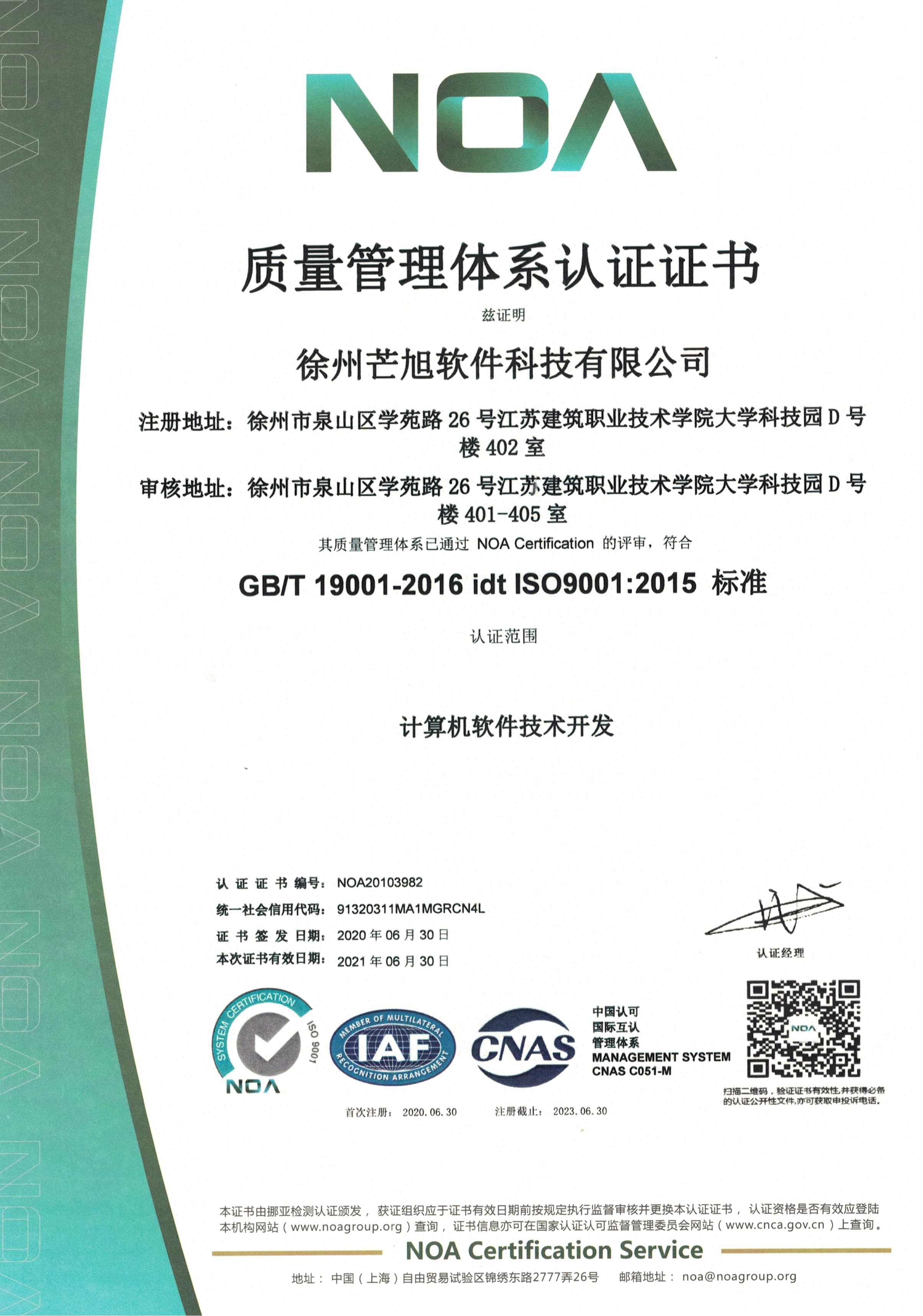
质量管理体系认证证书
PDF DocumentClick to view
高新技术企业证书
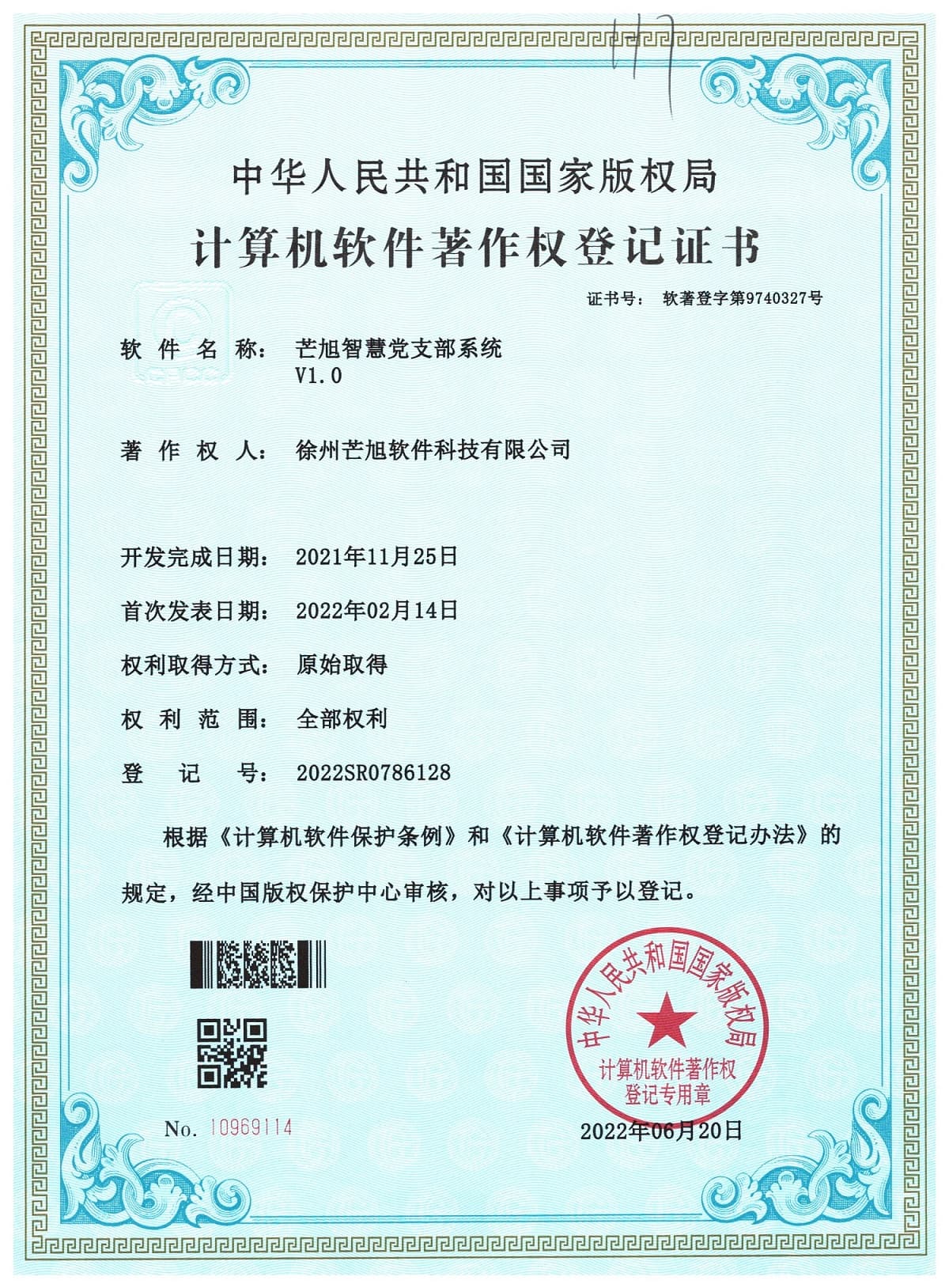
计算机软件著作权登记证书
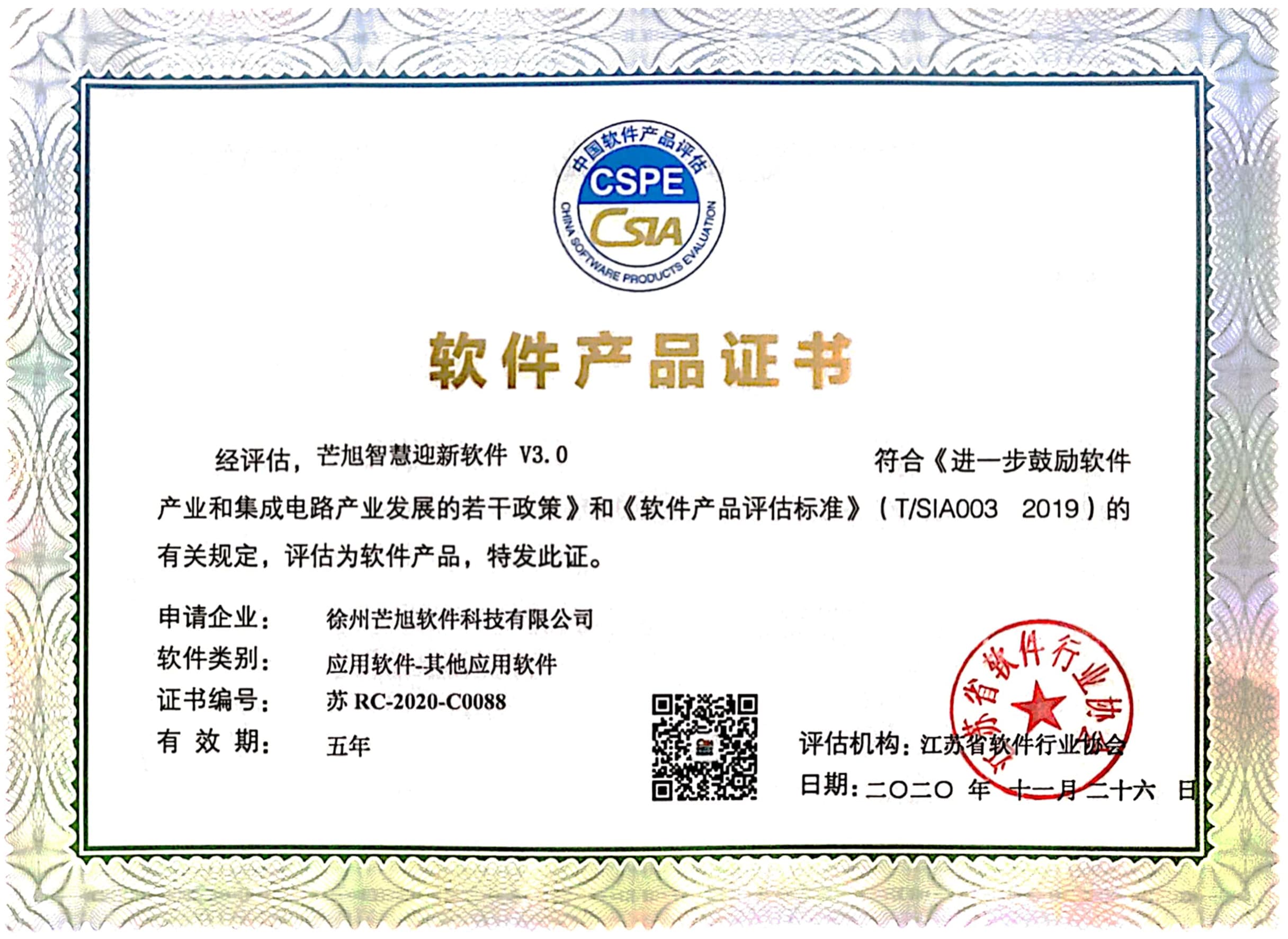
软件产品证书

软件企业证书
The Party Building Platform is a one-stop digital party affairs management tool for party organizations at all levels. Its core value lies in solving pain points such as low efficiency and difficult interaction in traditional party building through informatization. The platform provides five core functions: one-stop party affairs service, online organizational activity management, party member communication and interaction platform, big data analysis and display, and online supervision and discipline enforcement. The technical architecture supports private or cloud deployment, is compatible with PC and mobile multi-terminal access, and features data encryption and fine-grained permission management. Differentiated advantages include: efficiency-driven process reengineering, data-enabled governance upgrades, cohesion-building to strengthen the organization, and image display to expand influence. It is applicable from grassroots party branches to local party committees, covering multiple industries such as government, state-owned enterprises, higher education, etc., helping to improve organizational governance and party member cohesion.