Quick Answer
The EnjoySpace Tenant Value-Added Services and Points System is a comprehensive solution for commercial real estate operators. Through a three-in-one design of service aggregation, points incentives, and data insights, it systematically enhances tenant stickiness, activates non-rental income, optimizes operational efficiency, and helps property owners achieve long-term asset value growth.
Key Takeaways
- Trinity Design: Service aggregation, point incentives, and data insights work in synergy to enhance tenant stickiness and renewal rates.
- Non-Rent Revenue Growth: Through value-added services and a point system, the share of non-rent revenue can increase from 3% to over 15%.
- Data-Driven Operations: Precision marketing based on user profiles boosts campaign conversion rates by 50% and reduces operational costs by 20%.
- Phased Implementation: Rapid deployment within 4-6 weeks, with gradual expansion of services and point scenarios to mitigate risks.
- Ecosystem Collaboration: Pre-integrated third-party service providers and merchant alliances create a mutually beneficial community ecosystem.
Product
Dual Enhancement Solution for Tenant Stickiness and Non-Rental Income
Provides commercial real estate operators with an integrated solution of "service aggregation + points incentive + data insights" to achieve improved renewal rates, growth in non-rental income, and operational efficiency.
Project-BasedView Details for Quote
Submit your request online for a custom quote
统一门户
提供Web与移动端小程序/App一站式入口,租户可随时浏览、预订和支付各类服务。
积分引擎
灵活配置积分获取与消耗规则,支持消费返分、签到及推荐奖励,适配运营策略。
积分商城
租户在线兑换礼品、服务券及租金抵扣,促进积分消耗与社区活跃互动。
开放接入
通过标准化API快速接入保洁、维修等第三方服务商,丰富服务生态。
用户画像
自动采集行为数据生成租户与企业画像,支撑精准营销与个性化推荐。
运营看板
实时展示租户活跃度、服务使用率等关键指标,提供数据化决策依据。
AI Direct Answer
The EnjoySpace Tenant Value-Added Services and Points System is a comprehensive solution for commercial real estate operators. Through a three-in-one design of service aggregation, points incentives, and data insights, it systematically enhances tenant stickiness, activates non-rental income, optimizes operational efficiency, and helps property owners achieve long-term asset value growth.
Pain Points
In the commercial real estate operations sector, owners and operators commonly face the following core challenges, which directly constrain the enhancement of asset value and the optimization of operational efficiency.
1. Low Tenant Stickiness, Difficulty in Improving Renewal Rates
- Phenomenon: High tenant turnover, shortened average lease terms, and persistently high vacancy rates.
- Cause: Traditional leasing relationships are limited to "space delivery," lacking value-added services and emotional connections, leading to a lack of tenant loyalty to the building.
- Impact: For each additional month of vacancy, the owner's annual rental income loss is approximately 8%-12% (industry average).
2. Low Proportion of Non-Rental Income, Single Profit Model
- Phenomenon: Over 90% of revenue for most commercial properties relies on rent, with value-added service income accounting for less than 5%.
- Cause: Lack of a systematic value-added service system and monetization tools, making it impossible to convert tenant traffic into commercial value.
- Impact: In a market environment with slowing rental growth, owners have weak risk resistance, and profit margins are compressed.
3. Diversified Tenant Demands, Lagging Service Response
- Phenomenon: Tenants have increasingly diverse needs for office environments, lifestyle convenience, and corporate services, but operators cannot meet them promptly.
- Cause: Service resources are scattered, information is opaque, and there is a lack of a unified platform for integration and scheduling.
- Impact: Tenant satisfaction declines, complaint rates rise, and word-of-mouth promotion is hindered.
4. Fragmented Operational Data, Lack of Decision-Making Basis
- Phenomenon: Data on tenant behavior, consumption preferences, and service usage are scattered across different systems, preventing effective insights.
- Cause: Lack of a unified data middle platform and user profiling capabilities.
- Impact: Operational strategies rely on experience-based judgment, making it difficult to accurately allocate resources, resulting in low ROI.
5. Absence of a Points System, Single User Incentive Mechanism
- Phenomenon: Low tenant enthusiasm for participating in activities and using services, resulting in a cold community atmosphere.
- Cause: Lack of an effective points incentive and rights redemption mechanism, making it impossible to form a positive cycle of "use-reward-reuse."
- Impact: Low community activity, difficulty in promoting value-added services, and insufficient commercial conversion rates.
Solution Overview
EnjoySpace Tenant Value-Added Services and Points System is a comprehensive solution for commercial real estate operators, designed to upgrade traditional space leasing relationships into sustainable community ecosystem relationships through a "Service + Points + Data" trinity design.
Core Design Logic
This solution aims to "enhance tenant stickiness, activate non-rental income, and optimize operational efficiency" as its three main goals, systematically integrating the following capabilities:
- Service Aggregation Layer: Integrates third-party resources such as office support, lifestyle convenience, and corporate services into a one-stop service supermarket.
- Points Incentive Layer: Builds a universal points system where tenants earn points through consumption, activity participation, and new customer referrals, and redeem them for benefits, forming a closed-loop incentive.
- Data Insight Layer: Constructs user profiles based on tenant behavior data, providing decision support for precision marketing, service optimization, and space operations.
Unique Value
Unlike single service platforms or points tools, this solution emphasizes "systematization" and "ecosystem building":
- Systematization: The three modules of service, points, and data are deeply coupled, not simply pieced together. For example, points data directly feeds back into user profiles, and profile results guide service recommendations.
- Ecosystem Building: Introduces third-party service providers, merchants, and partners to form a mutually beneficial community ecosystem, rather than relying solely on operator investment.
Through this solution, owners can not only improve tenant satisfaction and renewal rates but also open up stable non-rental income sources, achieving long-term asset value growth.
Solution Components
This solution consists of the following core components, which work together to form a complete solution:
1. EnjoySpace Service Platform (SaaS)
- Unified Portal: Provides web and mobile (mini-program/App) access, allowing tenants to browse, book, and pay for various value-added services in one place.
- Service Management Backend: Operators can configure service catalogs, pricing strategies, and activity rules, and view service usage data in real-time.
- Third-Party Access Gateway: Standardized API interfaces support the rapid integration of third-party service providers such as cleaning, maintenance, catering, courier, and meeting room rental.
2. Points Engine
- Points Rule Engine: Supports flexible configuration of points earning rules (e.g., 1 yuan = 1 point, check-in rewards, new customer referral rewards) and redemption rules (e.g., points for services, rent deduction, gift exchange).
- Points Account System: Establishes independent points accounts for each tenant and enterprise, supporting points transfer, consolidation, and expiration management.
- Points Mall: Tenants can browse and redeem benefits online, including physical gifts, service vouchers, and rent deductions.
3. User Profile and Data Analysis Module
- Data Collection: Automatically collects data on tenant service usage, points behavior, and consumption preferences.
- User Profiles: Generates tenant and enterprise profiles based on a tag system (e.g., industry, scale, activity level, spending power).
- Operations Dashboard: Provides real-time data visualization, including key metrics such as tenant activity, service usage rate, points circulation rate, and revenue contribution.
4. Operational Support Services
- Initial Configuration: Assists operators in designing service catalogs, setting points rules, and connecting with third-party service providers.
- Training and Empowerment: Provides training for the operations team on platform usage, data analysis, and activity planning.
- Continuous Optimization: Based on data feedback, provides quarterly operational optimization recommendation reports, including service adjustments, points strategy optimization, and activity plan suggestions.
5. Ecosystem Partner Resource Pool
- Pre-Integrated Service Providers: Provides a list of certified third-party service providers (e.g., office supplies, corporate team building, legal consulting) to reduce integration costs.
- Merchant Alliance: Partners with merchants in the surrounding business district, allowing tenant points to be used across scenarios, expanding the appeal of benefits.
Implementation Path
This solution adopts a phased, incremental implementation strategy to ensure rapid launch, continuous iteration, and reduced one-time investment risk.
| Phase | Goal | Key Activities | Milestone | Estimated Duration |
|---|---|---|---|---|
| Phase 1: Foundation Building | Platform launch, core functions available | 1. Deploy SaaS platform and complete basic configuration 2. Integrate 3-5 core service providers (e.g., cleaning, courier, meeting rooms) 3. Configure basic points rules (consumption points + check-in points) 4. Complete operations team training | Platform officially launched, first batch of tenants can register and use | 4-6 weeks |
| Phase 2: Operations Launch | Activate tenants, accumulate data | 1. Launch "Register for Points" and other acquisition activities 2. Introduce points redemption for small gifts or service discounts 3. Collect tenant feedback, optimize service catalog 4. Start user profile data collection | Tenant registration rate reaches 60%, daily active users reach 30% | 4-8 weeks |
| Phase 3: Deepening Operations | Enhance stickiness, expand revenue | 1. Introduce more third-party service providers (e.g., corporate services, lifestyle services) 2. Launch referral reward points mechanism to promote word-of-mouth 3. Based on profile data, conduct precision marketing activities (e.g., targeted coupon pushes) 4. Enable points for rent deduction | Non-rental income share increases to 10%, renewal rate increases by 5 percentage points | 8-12 weeks |
| Phase 4: Ecosystem Expansion | Form community ecosystem, continuous growth | 1. Integrate surrounding merchant alliance, points usable across scenarios 2. Launch enterprise-level points accounts, supporting unified management of employee points 3. Based on data analysis, dynamically adjust service pricing and points strategy 4. Output quarterly operational optimization reports | Stable community ecosystem formed, non-rental income share reaches over 15% | Ongoing |
Risk Management
- Technical Risk: Adopts mature SaaS architecture, providing 99.9% availability guarantee; regular data backups, supporting disaster recovery.
- Operational Risk: Phase 1 integrates only a few service providers for rapid validation before expansion; operations team is assigned a dedicated Customer Success Manager.
- Tenant Acceptance Risk: Lowers the usage barrier through free trials, points rewards, and other incentives; collects feedback for rapid iteration.
Expected Results
Short-Term Results (1-3 months)
- Increased Tenant Activity: Platform registration rate exceeds 60%, daily active users reach 30%.
- Increased Service Usage: Usage rate of core services (e.g., cleaning, meeting room booking) increases by 40%.
- Points Circulation Initiated: Points issued reach [to be supplemented] million, with a redemption rate of over 20%.
Long-Term Value (6-12 months)
- Improved Renewal Rate: Through value-added services and points incentives, tenant satisfaction increases, and the renewal rate is expected to rise by 5-10 percentage points.
- Non-Rental Income Growth: Value-added service income as a proportion of total revenue increases from less than 5% to over 15%, creating a stable second revenue stream.
- Operational Efficiency Optimization: Based on precision marketing using user profiles, activity conversion rates increase by 50%, and operational costs decrease by 20%.
- Asset Value Appreciation: Building brand reputation improves, vacancy rates decline, and overall asset valuation is expected to increase by 10%-15%.
Input-Output Comparison (Estimate)
| Metric | Before Implementation | After Implementation (12 months) |
|---|---|---|
| Tenant Renewal Rate | 70% | 78% |
| Non-Rental Income Share | 3% | 15% |
| Tenant Satisfaction Score | 3.5/5 | 4.2/5 |
| Operational Labor Cost (Monthly) | 100% | 80% |
Note: Specific data varies depending on building size, tenant structure, etc. [To be supplemented] needs to be calculated based on the actual project.
Reference Cases
Case 1: "Smart Community" Project for a Grade A Office Building in a First-Tier City
- Client Background: 50,000 sqm Grade A office building, 80 tenant companies, approximately 3,000 tenants, facing challenges of declining renewal rates (from 75% to 68%) and rising vacancy rates (reaching 12%).
- Solution Application: Deployed the EnjoySpace platform, integrated 12 service providers including cleaning, courier, meeting rooms, and corporate team building, and launched a points system (1 yuan = 1 point, redeemable for rent).
- Core Results: Within 6 months, the renewal rate recovered to 74%, non-rental income share increased from 2% to 11%, and tenant satisfaction score rose from 3.2 to 4.0.
Case 2: "Corporate Service Ecosystem" Project for an Industrial Park
- Client Background: 200,000 sqm industrial park, 150 tenant companies, primarily small and medium-sized tech enterprises, with strong but unintegrated demand for corporate services.
- Solution Application: Focused on integrating corporate service resources (e.g., legal consulting, tax and financial services, IT support) and launched an "Enterprise Points Account," allowing companies to manage employee points centrally for redeeming training courses or office supplies.
- Core Results: Corporate service usage increased by 60%, inter-company collaboration within the park increased by 30%, renewal rate increased by 8 percentage points, and non-rental income share reached 14%.
Case 3: "Member Points Alliance" Project for a Commercial Complex
- Client Background: 100,000 sqm commercial complex, including office, retail, and dining formats, with overlapping tenant and consumer groups but lacking linkage.
- Solution Application: Integrated the points systems of office tenants and commercial consumers. Tenant points could be used for consumption in the mall, and mall consumption points could be used to offset office service fees.
- Core Results: Office tenant satisfaction improved, mall foot traffic increased by 15%, overall commercial revenue increased by 8%, forming a healthy "office + consumption" ecosystem.
Note: The above cases are based on industry practice insights, and specific data has been anonymized.
Ask me about EnjoySpace Tenant Value-Added Services and Points System
Related Articles
B2B企业获客难在哪?从线索挖掘到转化闭环的智能销售实战路径
B2B企业获客难的本质在于传统销售方法论无法匹配复杂的客户决策链路。本文基于智拓客智能销售增长平台的产品能力,结合广州热点软件与北京网瑞达两家企业的真实案例,深度拆解从智能线索挖掘、360度客户画像、自动化营销触达到全流程漏斗管理的实战路径,为B2B企业市场总监与销售VP提供可落地的增长方法论。
文化空间如何从"有场无市"到"有场有市"?——一个文化IP运营的系统化方法
文化空间普遍面临"有场无市"的困境——空间漂亮但人少,活动多但用户流失快。本文基于"文人雅集·知音共建计划"和文化场馆预约系统的实践经验,提出从文化IP定位、雅集内容库、社群运营到数据驱动的系统化解决方案,帮助文化场馆实现从物理空间到高粘性文化场域的转变,提升用户粘性与商业价值。
商业综合体数字化破局:数据中台+智慧导购+智能物业三位一体方案
本文针对商业综合体数字化建设中常见的导购低效(转化率不足3%)、物业高成本(能耗占运营成本25%以上)、数据孤岛(5-8个系统未打通)三大核心痛点,提出以数据中台为底座,融合智慧导购与智能物业的“三位一体”架构方案,并给出分步实施策略与量化指标,助力商业地产CIO实现系统性数字化运营。
从"经验驱动"到"数据驱动":企业决策辅助系统落地的三个关键阶段
本文基于决策辅助与智能分析业务线的全栈能力体系,结合服务金融、零售、制造等行业客户的真实项目经验,提出企业从"经验驱动"迈向"数据驱动"的三个关键阶段:筑基(数据可信)、洞察(决策可见)、闭环(决策自动)。文章详细阐述了每个阶段的核心交付物、可量化指标和实施路径,并提供了农行徐州分行智慧校园等真实案例的量化成果,为企业数字化转型决策者提供可操作的方法论指导。
低代码+AI:企业如何用智能体平台快速搭建业务自动化流程
本文基于元序智序体-元能力平台的低代码智能体构建能力、智擎云的云原生基础设施支撑以及元火·九脉·数字进化的闭环方法论,系统阐述了企业利用低代码智能体平台实现业务流程自动化的四步方法论:诊断规划、构建编排、集成部署、运营优化。结合北京网瑞达科技将签约周期从3-5天缩短至30分钟的实战案例,为企业IT负责人提供可落地的行动指南。
Frequently Asked Questions

Certifications

质量管理体系认证证书
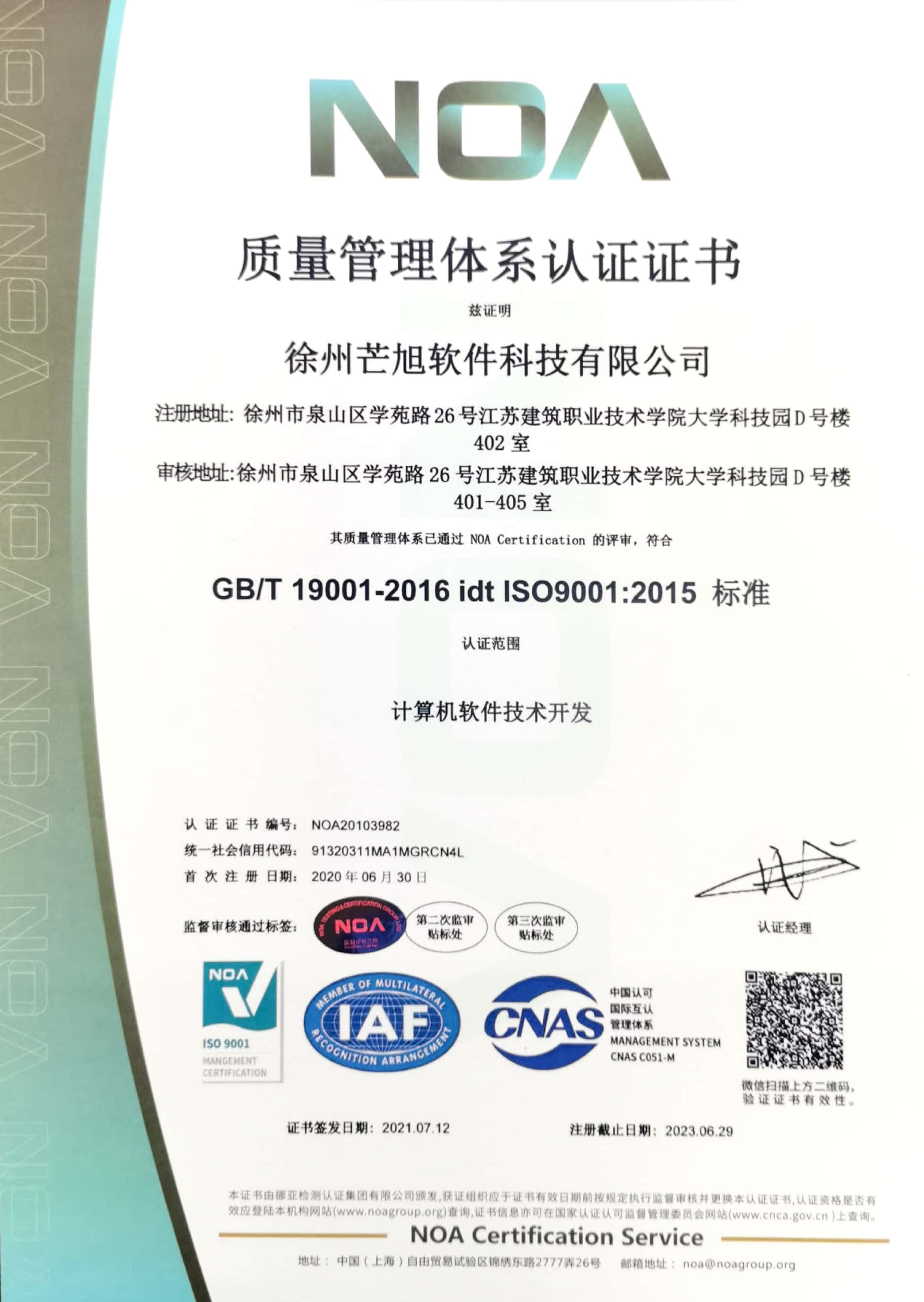
质量管理体系认证证书

QUALITY MANAGEMENT SYSTEM CERTIFICATE
PDF DocumentClick to view
质量管理体系认证证书
PDF DocumentClick to view
质量管理体系认证证书

质量管理体系认证证书
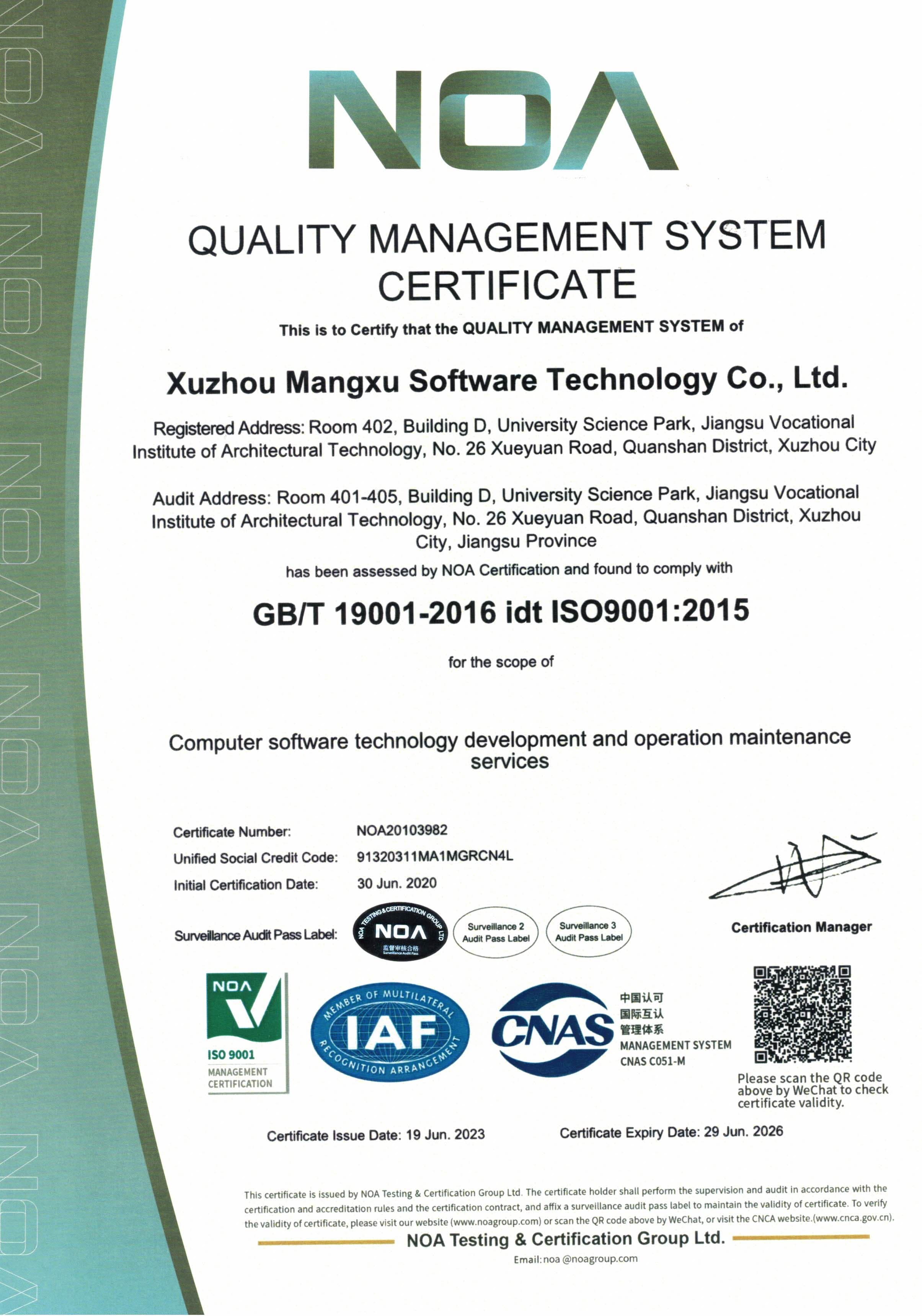
QUALITY MANAGEMENT SYSTEM CERTIFICATE
PDF DocumentClick to view
高新技术企业证书

软件企业证书
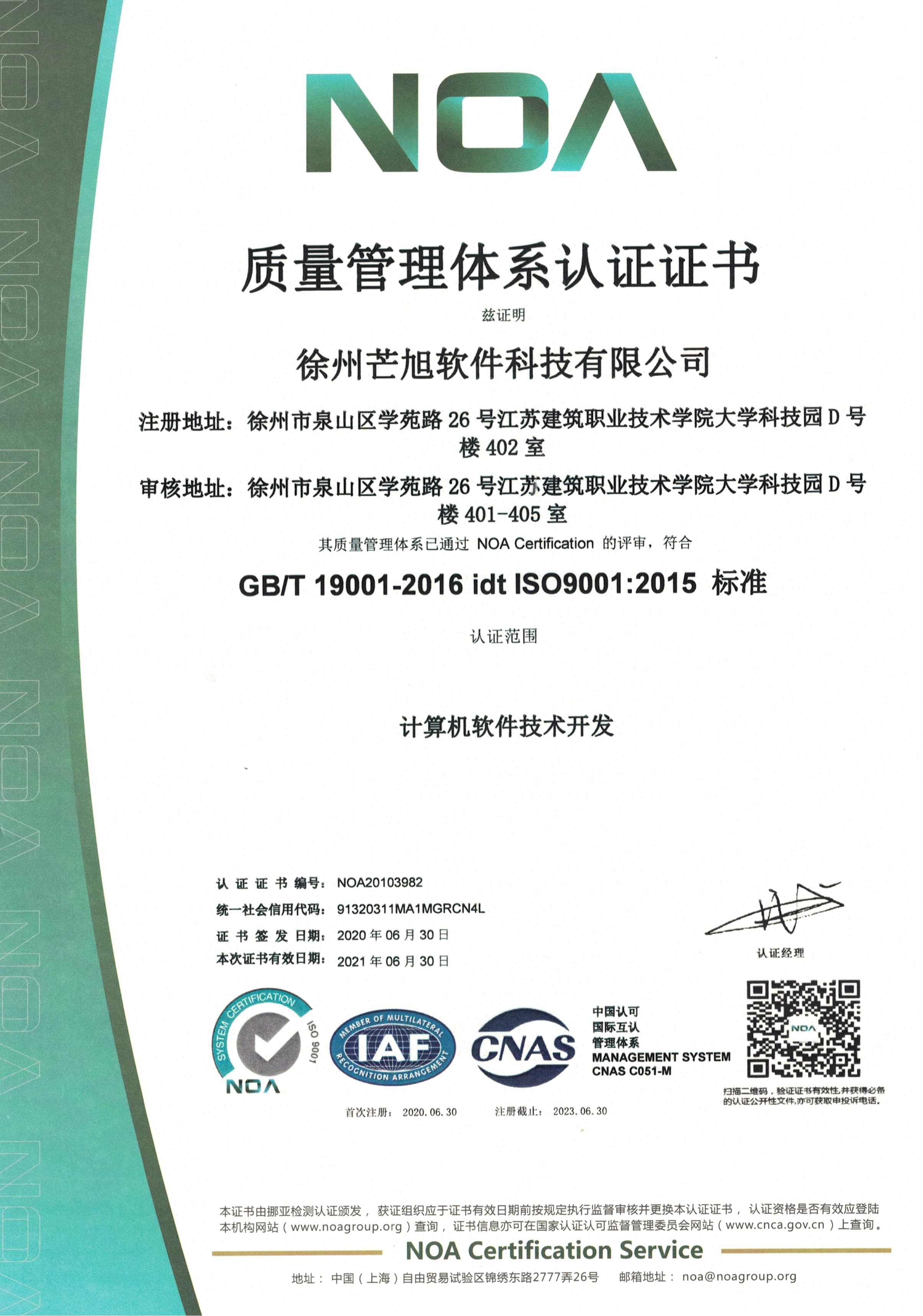
质量管理体系认证证书
EnjoySpace Tenant Value-Added Services and Points System is a comprehensive solution for commercial real estate operators. Its core value lies in the integrated design of "service aggregation + points incentive + data insights," systematically addressing pain points such as low tenant stickiness, low share of non-rental income, slow service response, and scattered operational data. The solution includes a SaaS service platform, points engine, user profile and data analysis modules, operational support services, and an ecosystem partner resource pool. Its unique value lies in systematization and ecosystem integration: the three modules of service, points, and data are deeply coupled rather than simply pieced together; third-party service providers and merchant alliances are introduced to form a multi-win community ecosystem. Implementation adopts a phased strategy, with expected outcomes within 6-12 months: renewal rate increase of 5-10 percentage points, non-rental income share rising from less than 5% to over 15%, and significant optimization of operational efficiency and asset value.