Quick Answer
This plan centers on "property management + elderly care," constructing a systematic solution integrating a unified platform, service stations, and smart hardware to help property management enterprises transition from space managers to comprehensive community elderly care service providers. Adopting a "1+3+N" architecture and driven by the dual engine of online platform and offline stations, it addresses pain points such as scattered resources, low efficiency, and unclear profit models, creating a "15-minute elderly care service circle." It is expected to reduce service response time by 60% within 6 months and achieve breakeven within 12 months.
Key Takeaways
- The plan centers on a 'property + elderly care' model, helping property enterprises transform into comprehensive community-based elderly care service providers.
- It adopts a '1+3+N' framework: one digital foundation, three major service engines (daily living, health, and spiritual/cultural needs), and N ecological access points.
- Through a dual-drive approach combining online platforms and offline service stations, it creates a '15-minute elderly care service circle,' addressing issues of resource fragmentation and the digital divide.
- Within six months, service response time is expected to be reduced by 60%, user satisfaction to reach over 85%, and breakeven to be achieved within 12 months.
- Its unique value lies in leveraging the deep-rooted advantages of property communities, mining value-added services through data accumulation, and forming a sustainable business model.
Product
One-Stop Transformation Solution for Property Management Elderly Care
A digital solution for property management enterprises focusing on "property management + elderly care," integrating resources and smart hardware to facilitate community elderly care transformation.
Project-BasedView Details for Quote
Submit your request online for a custom quote
智慧平台
线上平台联动用户、物业与管理员,支持预约、派单、支付与AI调度。
社区驿站
小区内建设实体服务空间,提供健康检测与社交互动,打通线下触达。
智能守护
手环与紧急按钮实时监测健康安全,异常自动告警并联动物业家属。
资源整合
筛选签约培训本地服务商,形成标准化目录和质量评价体系。
运营赋能
提供培训、补贴申报与活动策划,降低物业转型门槛。
数据洞察
沉淀健康行为数据,生成热力图报告,开拓增值服务。
AI Direct Answer
This plan centers on "property management + elderly care," constructing a systematic solution integrating a unified platform, service stations, and smart hardware to help property management enterprises transition from space managers to comprehensive community elderly care service providers. Adopting a "1+3+N" architecture and driven by the dual engine of online platform and offline stations, it addresses pain points such as scattered resources, low efficiency, and unclear profit models, creating a "15-minute elderly care service circle." It is expected to reduce service response time by 60% within 6 months and achieve breakeven within 12 months.
Pain Points
As China's population ages at an accelerated pace, the silver economy has become a focal point of social attention. However, traditional elderly care models face numerous challenges in implementation. Property management companies, serving as the "last mile" of community services, encounter the following core pain points when transitioning to elderly care services:
-
Fragmented community elderly care resources and insufficient service supply Current community elderly care services are mostly provided by scattered third-party institutions, lacking unified service standards and an integrated platform. Seniors often need to navigate multiple channels to access basic services such as meal assistance, cleaning, and medical care. Slow service response and inconsistent quality make it difficult to ensure a high quality of life for the elderly.
-
Difficulty in property company transformation and lack of systematic support Property companies have natural access to communities and a foundation of customer trust. However, when extending into elderly care services, they generally lack professional elderly care service platforms, operational experience, and talent reserves. Most property companies remain at the initial stage of "providing venues" or "referring services," struggling to form a sustainable business model.
-
Significant digital divide among seniors and low service reach efficiency The elderly population has limited acceptance and ability to use smart devices, making it difficult for traditional online platforms to effectively reach target users. Meanwhile, offline services rely on manual dispatch, leading to untimely information transmission, resulting in delayed responses in scenarios such as service booking and emergency assistance, highlighting safety risks.
-
Difficulty in realizing policy benefits and unclear profit models Although the state has introduced multiple policies to support the silver economy, property companies face challenges such as complex subsidy application processes, high compliance requirements, and long investment return cycles when implementing these policies. The lack of a clear profit model leaves many property companies "wanting to act but hesitant to do so."
-
Severe data silos hindering precise service delivery Seniors' health data, behavioral preferences, and service records are scattered across different systems and paper files. Property companies struggle to form a unified user profile, making it impossible to provide personalized, proactive elderly care services or generate valuable analytical reports for governments or insurance companies.
These pain points are intertwined, hindering the large-scale, professional, and sustainable development of community elderly care services. Property companies urgently need a systematic solution to transform their geographical advantages into genuine elderly care service capabilities.
Solution Overview
This solution adopts the "Property + Elderly Care" core model, building a property-based elderly care service platform that integrates service aggregation, intelligent dispatch, and data operations. It helps property companies transition from traditional "space managers" to "comprehensive community elderly care service providers."
The overall architecture adopts a "1+3+N" design:
- 1 Unified Platform: Serves as the digital foundation for property-based elderly care services, enabling core functions such as user management, service dispatch, payment settlement, and data analysis.
- 3 Service Engines: Includes the "Basic Life Services Engine" (meal assistance, cleaning, mobility support, etc.), "Health Management Engine" (chronic disease monitoring, emergency rescue, health records), and "Spiritual and Cultural Engine" (senior universities, social activities, psychological care).
- N Ecosystem Access Points: Connects to external resources such as government elderly care subsidy systems, medical institutions, housekeeping companies, and smart hardware manufacturers, forming an open service ecosystem.
The systematic nature of the solution lies in the fact that it does not simply "move elderly care services online." Instead, it redesigns service processes, personnel allocation, and profit models based on the actual operations of property companies. Through the dual-drive approach of "online platform + offline service stations," it addresses the digital divide among seniors while improving service response efficiency.
Unique Value: Unlike pure internet-based elderly care platforms, this solution fully leverages the deep community roots of property companies by embedding service stations within public spaces of residential complexes, creating a "15-minute elderly care service circle." Additionally, through data accumulation and intelligent analysis, it helps property companies uncover value-added services (e.g., age-friendly home modifications, health insurance recommendations), forming a sustainable business model where "basic services cover costs, and value-added services generate profits."
Solution Components
This solution consists of the following core components, which work together to form a complete property-based elderly care service system:
1. Smart Elderly Care Service Platform (Software System)
Serving as the "brain" of the solution, the platform includes a user interface (age-friendly APP/mini-program), a service interface (property staff work order system), and a management interface (data dashboard). It supports functions such as service booking, intelligent dispatch, online payment, and emergency calls, with built-in AI algorithms to optimize service dispatch efficiency.
2. Community Elderly Care Service Stations (Offline Physical Spaces)
Standardized service stations are renovated or newly built within residential complexes, equipped with health monitoring devices, age-friendly furniture, and activity spaces. These stations serve as both "outposts" for service delivery and "warm living rooms" for social interaction among seniors, operated by on-site property staff.
3. Smart Hardware Suite
Includes smart wristbands (heart rate, blood oxygen, fall detection), emergency call buttons, and smart door sensors (monitoring seniors' entry and exit). Hardware data is integrated into the platform in real-time, enabling automatic alerts for abnormal situations and notifying property security and family members' phones.
4. Service Resource Integration Package
The solution team assists property companies in screening, signing contracts with, and training local service providers (e.g., housekeeping companies, catering suppliers, rehabilitation institutions), forming a standardized service catalog. The platform provides service quality monitoring and evaluation systems to ensure consistency.
5. Operational Empowerment Services
Includes:
- Training Support: Provides training courses for property staff on elderly care, first aid skills, and system operation.
- Policy Application Guidance: Assists property companies in applying for government elderly care subsidies and age-friendly home modification subsidies.
- Marketing and Promotion Plans: Offers community event planning, member acquisition strategies, and brand promotion materials.
6. Data Insights and Value-Added Services Module
Based on user data accumulated on the platform, generates community elderly care demand heatmaps and health trend reports. Property companies can use this data to output anonymized reports to insurance companies, pharmaceutical companies, and age-friendly product manufacturers, or recommend value-added services, creating a secondary revenue stream.
All components are seamlessly integrated through platform APIs and a data middle platform, ensuring a full-chain closed loop from "booking" to "delivery" to "feedback."
Implementation Path
The solution adopts a "pilot first, gradual rollout" strategy, advancing in three phases to ensure controllable risks and visible results:
| Phase | Time | Goal | Key Activities | Milestone |
|---|---|---|---|---|
| Phase 1: Pilot Launch | Months 1-3 | Complete platform deployment and service validation in 1-2 benchmark communities | 1. Select pilot communities, complete service station renovation 2. Deploy platform and smart hardware 3. Train property staff 4. Sign contracts with initial service providers 5. Recruit 100 senior users | Platform goes live, first service order delivered |
| Phase 2: Optimization and Iteration | Months 4-6 | Optimize service processes and system functions based on pilot feedback | 1. Collect feedback from users and service providers 2. Optimize dispatch algorithms and user experience 3. Improve service quality monitoring mechanisms 4. Launch value-added service pilots (e.g., health insurance recommendations) | User satisfaction reaches 85%+, monthly active users grow by 50% |
| Phase 3: Scale Rollout | Months 7-12 | Replicate the solution to more communities, forming a regional network effect | 1. Develop standardized replication manual 2. Expand to 5-10 communities 3. Integrate with government elderly care subsidy systems 4. Commercialize data value-added services | Covers 1000+ users, achieves break-even |
Risk Control Measures:
- Conduct review assessments after each phase, adjusting plans for the next phase based on actual conditions.
- Establish a "Service Emergency Response Team" to handle sudden complaints or safety incidents.
- Partner with insurance companies to purchase liability insurance for service processes, reducing operational risks.
Through gradual implementation, property companies can see initial results within 6 months and form a replicable business model within 12 months.
Expected Results
After implementation, property companies will achieve significant improvements in service capability, operational efficiency, and commercial value:
Short-Term Results (1-3 Months)
- Service response time reduced by 60%: Average time from user order to service personnel arrival drops from 2 hours to under 45 minutes.
- User satisfaction rises to 85%+: Through standardized service processes and real-time evaluation mechanisms, service complaint rates decrease by 70%.
- Property staff efficiency increases by 30%: Intelligent dispatch and work order systems reduce manual scheduling time, allowing each staff member to serve 3-5 more households per day.
Long-Term Value (6-12 Months)
- Service revenue growth: Monthly revenue from basic services (meal assistance, cleaning, etc.) can reach [to be filled] yuan per community, with value-added services (health management, age-friendly modifications, etc.) contributing an additional 30%-50% of revenue.
- Enhanced user stickiness: Monthly active rate of senior users reaches 80%+, with an average of 6-8 service uses per month. Property fee collection rates simultaneously increase by 5-10 percentage points.
- Data asset monetization: By outputting anonymized health reports and demand analyses, it is expected to generate [to be filled] yuan in value-added revenue annually.
Comparative Results
| Indicator | Before Implementation | After Implementation (12 Months) |
|---|---|---|
| Service types | 3-5 types | 15-20 types |
| Service coverage | 30% of communities | 80% of communities |
| Average annual user spending | [to be filled] yuan | [to be filled] yuan |
| Property company profit margin | 5%-8% | 12%-18% |
These results will help property companies seize opportunities in the silver economy wave, transitioning from "cost centers" to "profit centers."
Reference Cases
The following cases demonstrate the successful practice of the "Property + Elderly Care" model in different scenarios:
Case 1: "Yixiang Elderly Care" Project by a Leading Property Group
This group piloted the solution in 3 cities in East China, renovating 5 community service stations. Six months after launch, it served 1,200 senior users, with monthly service orders exceeding 8,000. By integrating local housekeeping and catering resources, service costs were reduced by 20%, and user renewal rates reached 90%.
Case 2: "Silver Age Butler" Service by a Mid-Sized Property Company
This company used the solution to provide elderly care services in 2 old residential communities, focusing on the safety of seniors living alone. After deploying smart wristbands and emergency call buttons, it successfully handled 3 incidents of seniors falling, with 100% family satisfaction. Additionally, by accessing government subsidies for age-friendly modifications, the company received a one-time subsidy of [to be filled] yuan, effectively reducing initial investment.
Case 3: "Shared Elderly Care" Platform by a Regional Property Alliance
Five small and medium-sized property companies jointly adopted the solution, sharing service stations and smart hardware resources. Through unified platform dispatch, service coverage expanded to 15 communities, and service costs were reduced by 35% after sharing. The alliance also negotiated with insurance companies to provide customized health insurance for senior users, generating annual premium revenue sharing of [to be filled] yuan.
These cases prove that regardless of the size of the property company, a systematic platform solution can help them find a sustainable development path in the silver economy.
Ask me about Property Management Elderly Care Service Platform Construction Plan in the Context of the Silver Economy
Related Articles
社区体重管理数字化:为什么「智能硬件+App」的模式很难持续?——一个基于社区运营视角的实战复盘
本文基于社区体重管理数字化平台合作方案的真实设计经验,深度复盘了"智能硬件+App"模式在社区健康管理中的局限性。文章指出,单纯的硬件+App模式因缺乏服务闭环和运营机制,导致数据孤岛和居民依从性差(超70%参与者3个月内退出)。真正可持续的模式需要智能硬件、数字化平台、健康管理服务和社区运营四大组件协同运作,形成"采集-分析-干预-评估"的完整闭环。文章提供了详实的数据支撑和分阶段实施路径,为社区卫生管理者和健康管理机构提供了可落地的实践建议。
商业综合体「物业数字化」为什么比「导购数字化」更难落地?——从数据中台到智能物业的四个关键断点与实战解法
商业综合体物业数字化比导购数字化更难落地,根源在于设备异构、数据标准缺失、跨部门协同难三大核心痛点。本文基于明台数字基建生态系统的交付经验,拆解四个关键断点——系统孤岛、数据标准缺失、流程割裂、协同壁垒,并提供连接器引擎、数据集成、AI智能体中枢、开放平台等实战解法,为商业地产数字化负责人提供可落地的行动路线图。
商业综合体「数字化导购」怎么做才不变成「电子广告牌」?——从数据中台到商户协同的实战路径
商业综合体的数字化导购,不是给导购配一台平板电脑推送广告,而是通过"数据中台+智慧导购+智能物业+商户协同"四位一体的系统化建设,重构"人、货、场"的协同关系。本文基于真实项目案例,拆解如何避免数字化导购沦为"电子广告牌",提供从架构设计到分阶段落地的完整实战路径,涵盖工单处理时长缩短40%、能耗降低12%、导购转化率提升20%等可量化成效。
从「被动维修」到「主动服务」:校园报修系统与安全管理平台联动的实战路径
本文基于智慧报修系统与校园安全管理平台的产品设计经验,结合江苏移动信息系统集成有限公司与正方软件股份有限公司在高校数字化转型中的实战案例,深入剖析如何通过两大系统的数据联动,实现从「师生报修」到「主动发现设施隐患」的运维模式升级,为高校后勤管理处、保卫处及校园运维项目负责人提供可落地的实施路径。
Frequently Asked Questions



Certifications

质量管理体系认证证书
PDF DocumentClick to view
高新技术企业证书

软件企业证书
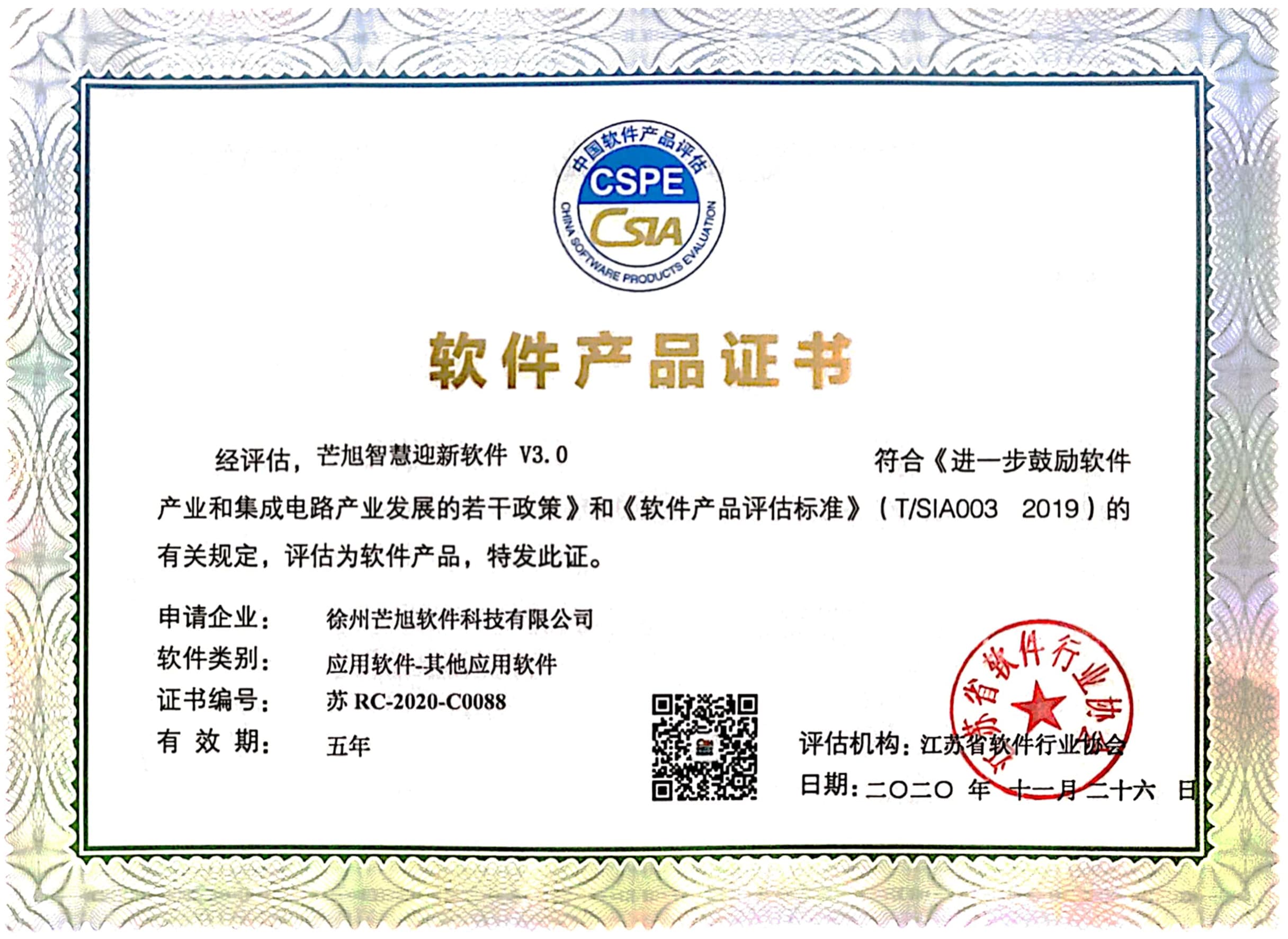
软件产品证书

企业信用评价AAA级信用企业

计算机软件著作权登记证书

计算机软件著作权登记证书
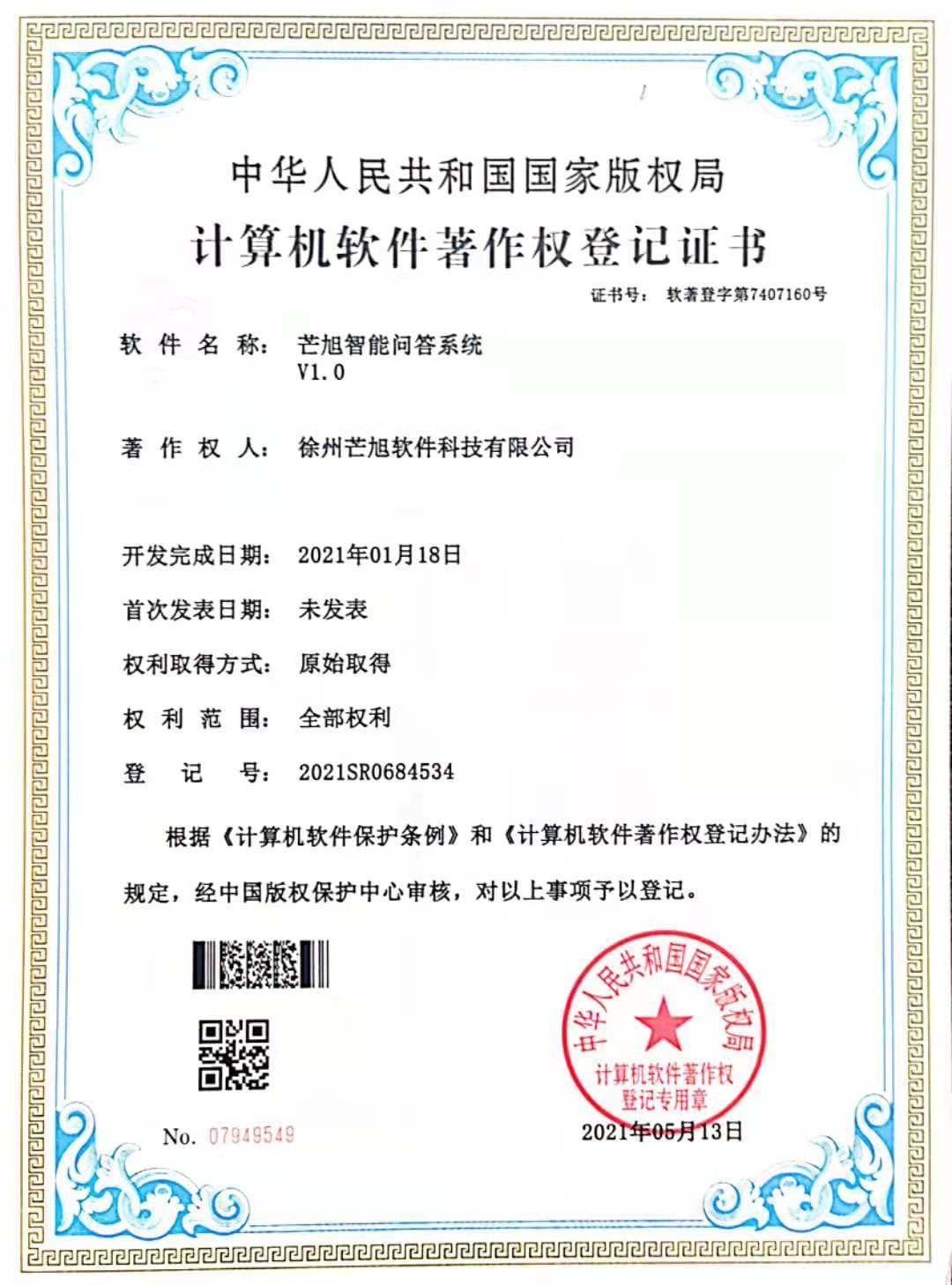
计算机软件著作权登记证书
PDF DocumentClick to view
计算机软件著作权登记证书

计算机软件著作权登记证书
This plan is centered on 'Property + Elderly Care', building an elderly care service platform that integrates service aggregation, intelligent dispatch, and data operations. It aims to systematically help property enterprises solve pain points such as fragmented community elderly care resources, low service efficiency, and unclear profit models. The plan adopts a '1+3+N' architecture, including a smart elderly care platform, community service stations, smart hardware kits, service resource integration packages, and operational empowerment services. Driven by the dual engines of 'online platform + offline stations', it achieves a 15-minute elderly care service circle. The implementation path is divided into three phases: pilot launch, iterative optimization, and scale promotion. It is expected to reduce service response time by 60% within 12 months, achieve user satisfaction over 85%, and form a sustainable business model of 'basic services covering costs, value-added services generating profits', helping property enterprises transform from space managers to comprehensive elderly care service providers and seize the opportunities of the silver economy.