Quick Answer
Mingtai Digital Infrastructure Ecosystem is an AI-native, low-code enterprise-level digital infrastructure that breaks down system silos, achieves process automation, and natively embeds AI capabilities into business, suitable for medium to large organizations to quickly integrate systems and embrace AI.
Key Takeaways
- AI native deeply embedded in business: Achieves intelligent approval, data analysis, etc. through Function Calling, not bolt-on AI.
- Zero-code connect everything: Connector Engine visual configuration, no coding needed to connect to third-party APIs like DingTalk, WeCom.
- Open and growable: Integrates into existing IT ecosystem via Open Platform, API, JS-SDK, becoming enterprise IT hub.
- Enterprise-grade security and control: Permission control fine-grained to field level, AI supports BYOK, meeting strict compliance requirements.
- All-in-one solution: Integrates six engines including connectivity, intelligence, data, automation, no need to piece together multiple products.
One-Time PurchaseView Details for Quote
Submit your request online for a custom quote
AI智能体中枢
基于Semantic Kernel,AI通过Function Calling直接执行业务操作,实现智能驱动。
连接器引擎
零代码可视化配置,快速连接钉钉、企业微信等第三方API,实现数据同步与集成。
数据集成
节点式流程编排,支持多源数据拉取、转换与增量同步,消除数据孤岛。
开放平台
提供API Explorer、SignalR实时通讯和JS-SDK,让第三方系统轻松调用能力。
计划任务
支持Cron表达式和双语言脚本,自动化执行数据同步、报表生成等运维任务。
组织与权限
权限管控精细到字段级别,确保不同角色安全访问,满足企业合规要求。
AI Direct Answer
Mingtai Digital Infrastructure Ecosystem is an AI-native, low-code enterprise-level digital infrastructure that breaks down system silos, achieves process automation, and natively embeds AI capabilities into business, suitable for medium to large organizations to quickly integrate systems and embrace AI.
Product Overview
Mingtai Digital Infrastructure Ecosystem is a low-code, AI-native enterprise-level digital base platform designed for medium and large organizations. It aims to solve core pain points commonly faced by enterprises, such as system silos, fragmented processes, scattered data, and low intelligence levels. By providing six core engines—Connector Engine, AI Agent Hub, Data Integration, Open Platform, and more—Mingtai transforms complex IT capabilities into visual configuration and intelligent interaction, enabling enterprises to quickly build, integrate, and optimize their core business applications. Its unique value lies in not being a single application but a growable, connectable, and intelligent digital ecosystem that helps enterprises natively embed AI capabilities into every business link, shifting from "people finding tasks" to "tasks finding people." Mingtai's market positioning is as the central node of enterprise IT architecture, suitable for organizations that need to deeply integrate existing systems and rapidly embrace AI capabilities.
Core Features
-
Connector Engine: Break Down System Silos Connect to third-party APIs such as DingTalk, WeCom, and DeepSeek via visual configuration without coding, enabling data synchronization, message push, and payment integration. Supports multi-step orchestration and script mode, making complex integrations simple.
-
AI Agent Hub: Natively Embed into Business Built on Microsoft Semantic Kernel, supports switching between multiple models (DeepSeek, Tongyi Qianwen, etc.). AI not only converses but also directly executes business operations through Function Calling, such as querying forms, initiating approvals, and analyzing data, truly achieving "intelligent-driven."
-
Data Integration: Eliminate Data Silos Provides node-based visual workflow orchestration, supports pulling data from HTTP APIs, external databases, and other data sources, and performs transformation using built-in functions or scripts. Supports Cron scheduled triggers and incremental synchronization to ensure accurate and efficient data flow.
-
Scheduled Tasks: Achieve Automated Operations Precisely schedule using standard Cron expressions, supports JavaScript and C# scripts, automatically executes tasks such as data synchronization, report generation, and scheduled cleanup, enabling 7x24 unattended operation.
-
Open Platform: Integrate into Existing IT Ecosystem Provides a complete developer account system and API Explorer, allowing third-party systems to call Mingtai's data and capabilities through standard interfaces. Built-in SignalR real-time communication, QR code integration, and JS-SDK make Mingtai the IT hub of the organization.
-
Organization and Permission System: Secure and Controllable Permission control covers from "application isolation" to "field level," ensuring different roles can only access data and functions within their authority, meeting enterprise-level security and compliance requirements.
Technical Specifications
| Module | Technical Specifications |
|---|---|
| Connector Engine | Supports visual configuration; authentication methods: no authentication, OAuth 2.0 (auto-refresh token), custom script; execution modes: API mode (HTTP requests), script mode (C#/JS); supports multi-step chained orchestration |
| AI Agent Hub | Based on Microsoft Semantic Kernel; supports large models compatible with OpenAI protocol such as DeepSeek, Tongyi Qianwen; supports model routing (keyword/regex matching); supports BYOK (Bring Your Own Key); SSE streaming real-time response; hot deployment of configuration changes within 5 minutes |
| Data Integration | Node-based visual workflow orchestration; supports data sources such as HTTP API, external databases; built-in function library (string, date, numeric, etc.); supports C#/JS script nodes; trigger methods: Cron scheduling/manual; supports timestamp-based incremental synchronization |
| Scheduled Tasks | Standard Cron expression scheduling; supports JavaScript and C# scripts; supports referencing shared script libraries and DLL assemblies; supports manual immediate execution; provides complete execution logs |
| Open Platform | Supports multiple developer accounts (CorpId + SecretKey); built-in API Explorer; message notifications: internal messages, template messages (DingTalk/WeCom/WeChat/SMS); real-time communication: SignalR long connection (point-to-point/broadcast/group); supports QR code integration and JS-SDK |
| Organization and Permissions | Permission granularity: from application level to field level |
Application Scenarios
-
Scenario 1: Cross-system Data Synchronization and Process Automation Pain Point: Enterprises use multiple systems (e.g., ERP, CRM, OA) with no data interoperability, requiring employees to manually transfer data between systems, leading to low efficiency and high error rates. Solution: Use Mingtai's Connector Engine and Data Integration modules to visually configure a data synchronization pipeline from ERP to CRM, and execute it on a schedule via Scheduled Tasks. When an order status changes in CRM, the connector automatically triggers, syncing the update to ERP and notifying relevant personnel, achieving end-to-end automation.
-
Scenario 2: AI-driven Intelligent Approval and Data Analysis Pain Point: In approval processes, managers need to manually review large numbers of documents (e.g., invoices, contracts) and make judgments, which is time-consuming and labor-intensive. Data analysis reports require IT staff to manually write SQL, preventing business users from self-serving insights. Solution: Embed AI Agent in approval nodes to automatically recognize key invoice information, extract contract summaries, and assist managers in decision-making. Business users can directly ask the AI in natural language (e.g., "What is the sales trend for last month?"), and the AI automatically invokes Tool Calling to execute statistical queries and generate visual interpretations.
-
Scenario 3: Build a Unified Enterprise-level Intelligent Customer Service Pain Point: Scenarios such as student inquiries, patient navigation, and property owner reports require 7x24 response, but human customer service is costly and slow. Solution: Based on Mingtai's AI Agent Hub, quickly build an intelligent Q&A bot. The bot can connect to backend knowledge bases and business systems, automatically answer common questions, and when needed, query user information or initiate service tickets via Tool Calling, enabling full self-service.
-
Scenario 4: Legacy System Data Migration and Rapid New Application Development Pain Point: Enterprises want to replace old systems but worry about difficult historical data migration and long, costly new application development cycles. Solution: Use Mingtai's Data Integration module to securely migrate old system data to new forms via ID mapping and consistency verification. Simultaneously, leverage Mingtai's low-code capabilities to quickly build new business applications and seamlessly integrate with the existing IT ecosystem through the Open Platform's API.
Competitive Advantages
- AI Native, Deeply Embedded in Business: Unlike bolt-on AI chat modules, Mingtai's AI capabilities are natively embedded into every business link—form filling, process approval, data analysis—via Function Calling, achieving true "intelligent-driven."
- Visual Integration, Zero-code Connect Everything: The Connector Engine supports visual configuration, enabling connection to mainstream platforms like DingTalk, WeCom, and DeepSeek without coding, significantly lowering system integration barriers and costs.
- Open and Growable: Mingtai positions itself as the central node of the IT ecosystem, allowing third-party systems to easily call its capabilities through Open Platform, API, JS-SDK, etc., rather than being a closed silo.
- Enterprise-grade Security and Control: Permission control is fine-grained down to the field level. AI supports BYOK (Bring Your Own Key), ensuring enterprise data security and cost transparency, meeting the strictest enterprise compliance requirements.
- All-in-one Solution: Integrates core capabilities including connectivity, intelligence, data, automation, and openness into one platform. Enterprises do not need to piece together multiple standalone products to obtain a complete, collaborative digital base.
Target Customers
- Target Enterprise Size: Medium and large enterprises, as well as rapidly growing organizations, typically having multiple business systems (e.g., ERP, CRM, OA) facing system silos and process fragmentation, with high demands for data security and compliance.
- Target Industries: Widely applicable to manufacturing, finance, healthcare, education, government, retail, internet, and other industries. Especially suitable for organizations that want to quickly embrace AI capabilities but do not want to be locked into a single cloud vendor.
- Target Roles:
- CIO/CTO/IT Directors: Looking for a unified platform that can consolidate existing IT assets, reduce technical debt, and quickly respond to business innovation needs.
- Business Department Heads: Want to reduce over-reliance on IT departments, enabling autonomous and rapid building and optimization of their own business applications.
- Enterprise Architects/Development Teams: Need an open, extensible technical base to efficiently integrate third-party systems, develop new applications, and introduce AI capabilities.
- Typical Customer Cases: [To be supplemented] The product documentation does not mention specific customer cases, but it can be inferred that it is suitable for organizations with clear digital transformation and intelligent upgrade needs.
Ask me about Mingtai Digital Infrastructure Ecosystem
Related Articles
高校数据孤岛怎么破?从融合门户到人员管理平台的一体化实践
高校数据孤岛问题长期困扰信息化建设者。本文基于融合门户系统、人员管理平台、数据中台与数据治理服务的多项目集成经验,结合湖北中医药大学智慧迎新实战案例,系统梳理了从"入口统一"到"数据统一"再到"治理统一"的三层一体化破局路径,为高校信息中心主任和数字化建设负责人提供可落地的实践指南。
「明台数字基建生态系统」如何帮企业把「系统孤岛」变成「数据河流」?——低代码+AI原生架构的集成实践与选型评估
本文以「明台数字基建生态系统」为分析对象,深入探讨低代码+AI原生架构如何解决企业系统集成与数据孤岛问题。通过连接器引擎、AI智能体中枢、数据集成等六大核心引擎的技术拆解,结合广州热点软件与北京网瑞达两家企业的真实落地案例,为企业CTO/CIO提供数字化基座选型的五大评估维度和实践建议。
高校数据治理的五个常见陷阱与应对策略——基于真实项目的复盘
本文基于德州职业技术学院、桂林医学院等高校数据治理项目的真实实践,系统复盘了高校在数据中台与数据治理项目中常见的五个陷阱:将数据治理等同于上系统、忽视数据标准建设、重建设轻运营、忽视业务部门参与、定制功能质量失控。针对每个陷阱,结合真实案例和可量化的服务承诺,提供了经过验证的应对策略,并提出了高校数据治理的"三步走"路线图,为高校信息化管理者提供务实参考。
「明台」数字基座:企业系统集成从「点对点打通」到「AI原生连接」的进化路径
本文基于明台数字基建生态系统的产品设计理念及多行业系统集成项目实施经验,深度解析企业系统集成从「点对点打通」到「AI原生连接」的三级进化路径:连接器引擎(可视化编排)→ 数据集成+计划任务(主动自动化)→ AI智能体中枢(智能连接),为CTO/CIO提供可落地的实践框架。
高校「数字基座」选型:为什么很多学校上了低代码平台,数据孤岛反而更严重了?
本文基于明台数字基建生态系统与元火·九脉·数字进化的实战经验,以及桂林医学院、扬州大学的交付复盘,深入剖析高校数字化基座建设中低代码平台导致数据孤岛加剧的悖论。文章指出,低代码平台解决的是"搭建"问题而非"连接"问题,真正的数字化基座应具备连接能力、数据能力和AI原生能力。通过两个高校案例的对比分析,提出"连接优先"的选型标准和四大实践建议,帮助高校CIO避免"新系统=新孤岛"的陷阱。
Frequently Asked Questions

Certifications
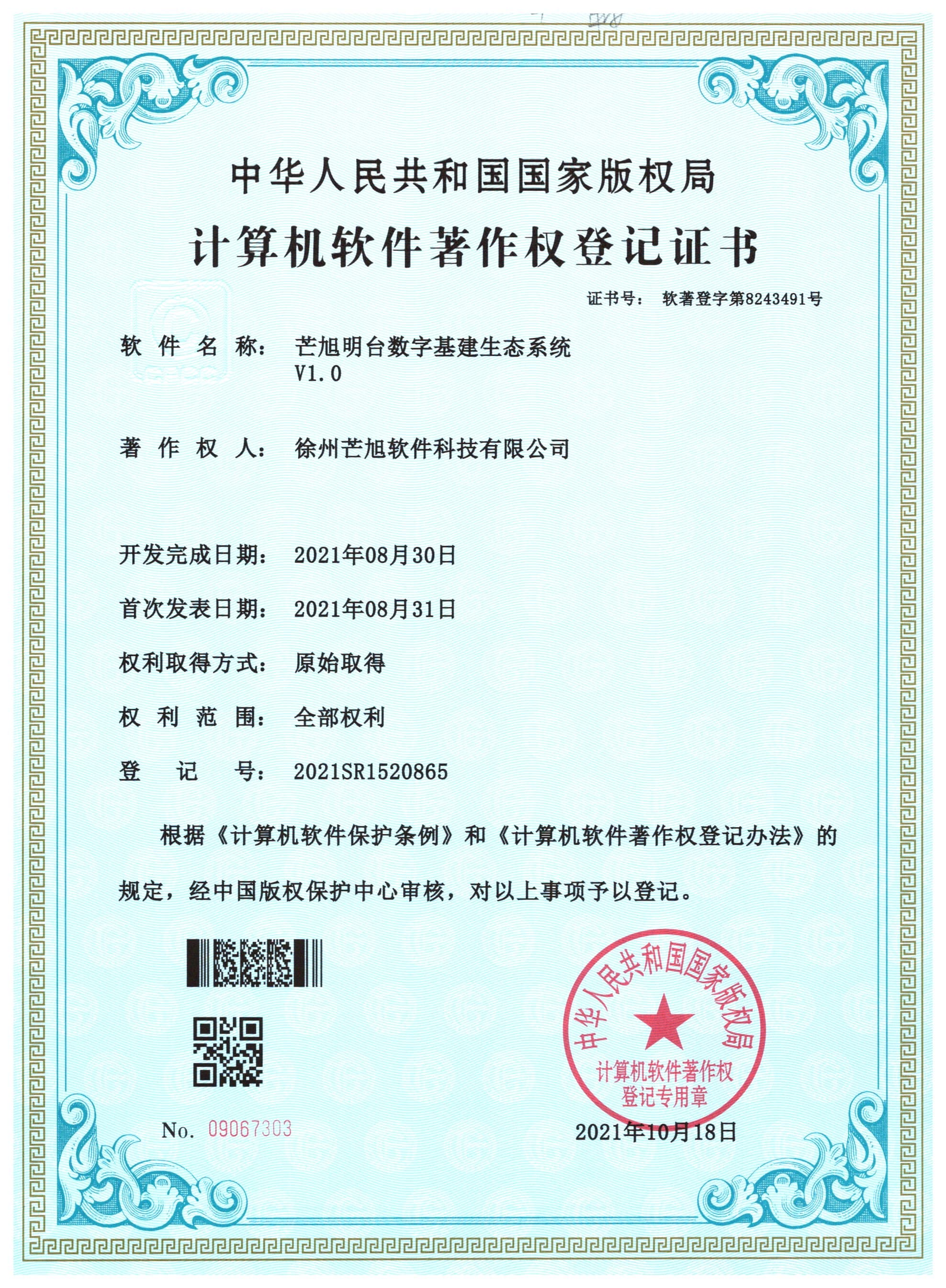
计算机软件著作权登记证书
PDF DocumentClick to view
高新技术企业证书
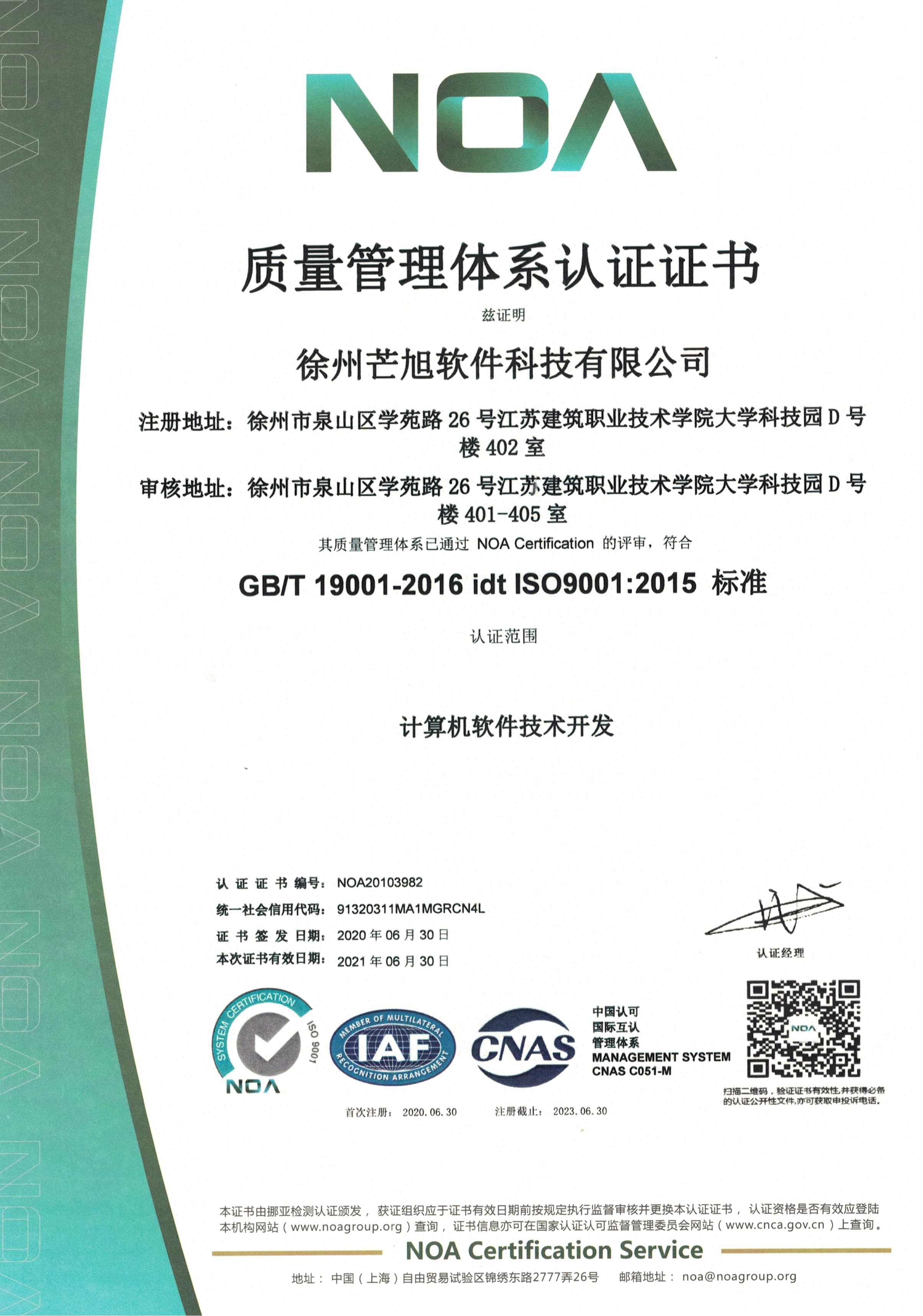
质量管理体系认证证书
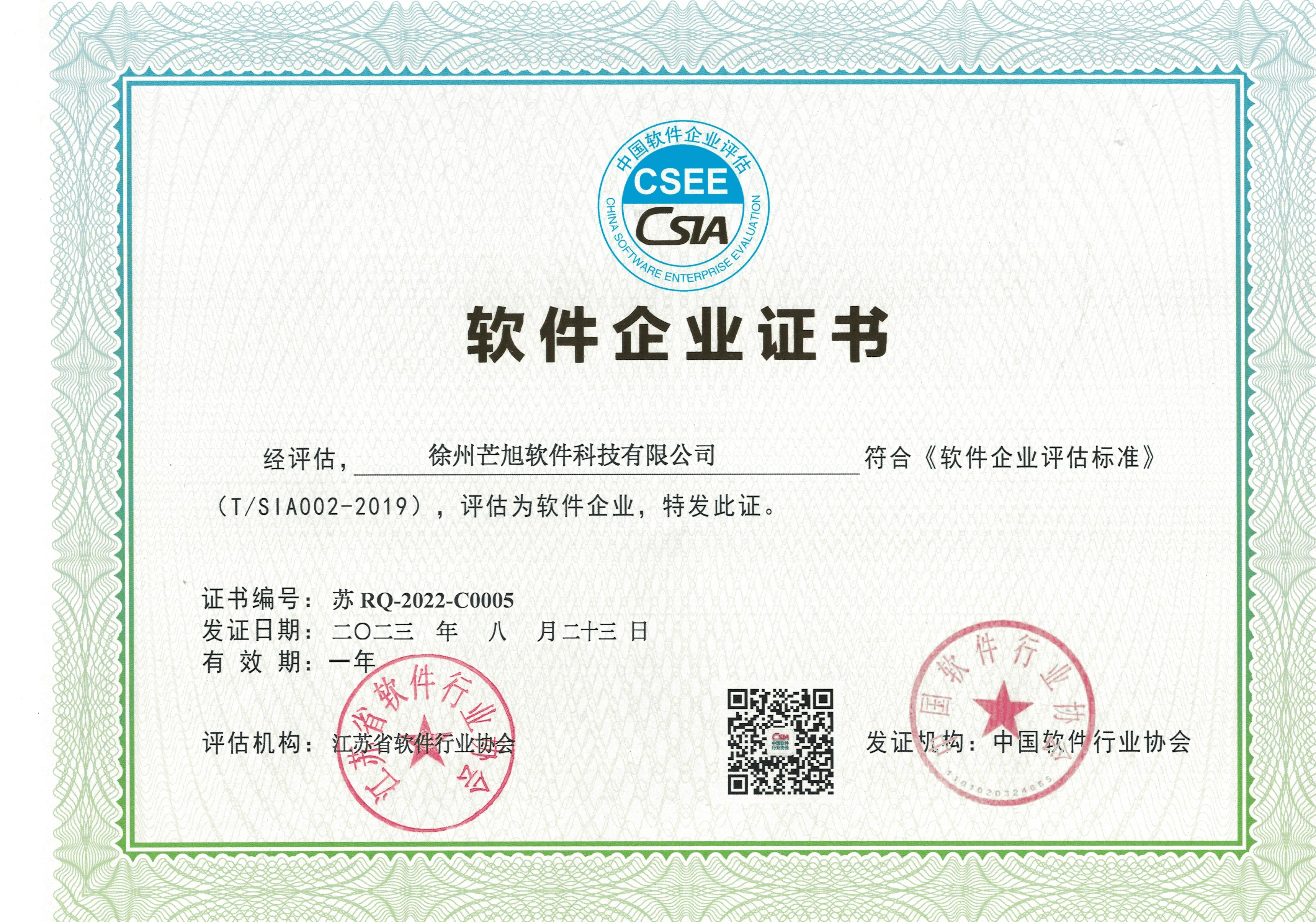
软件企业证书
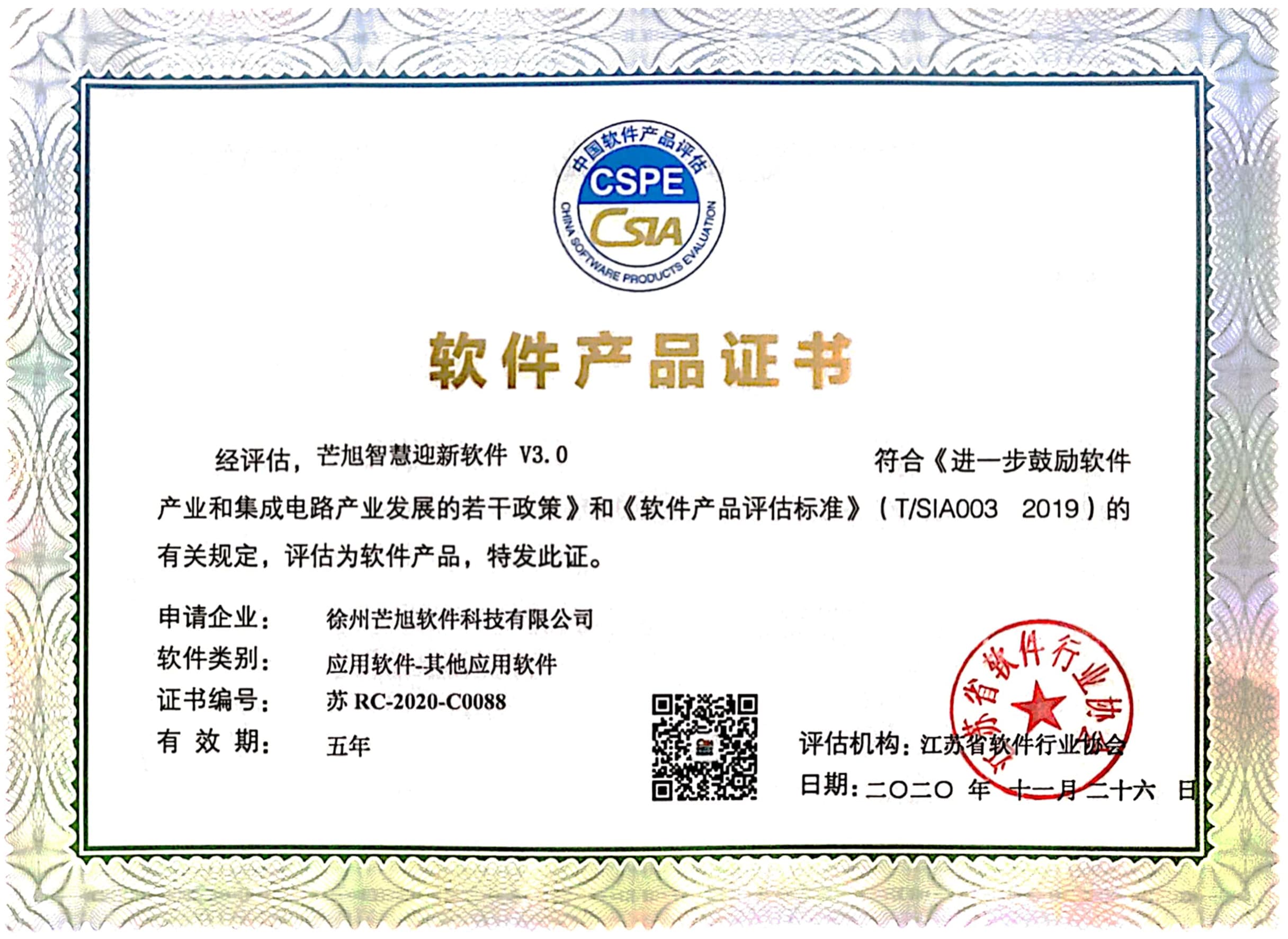
软件产品证书
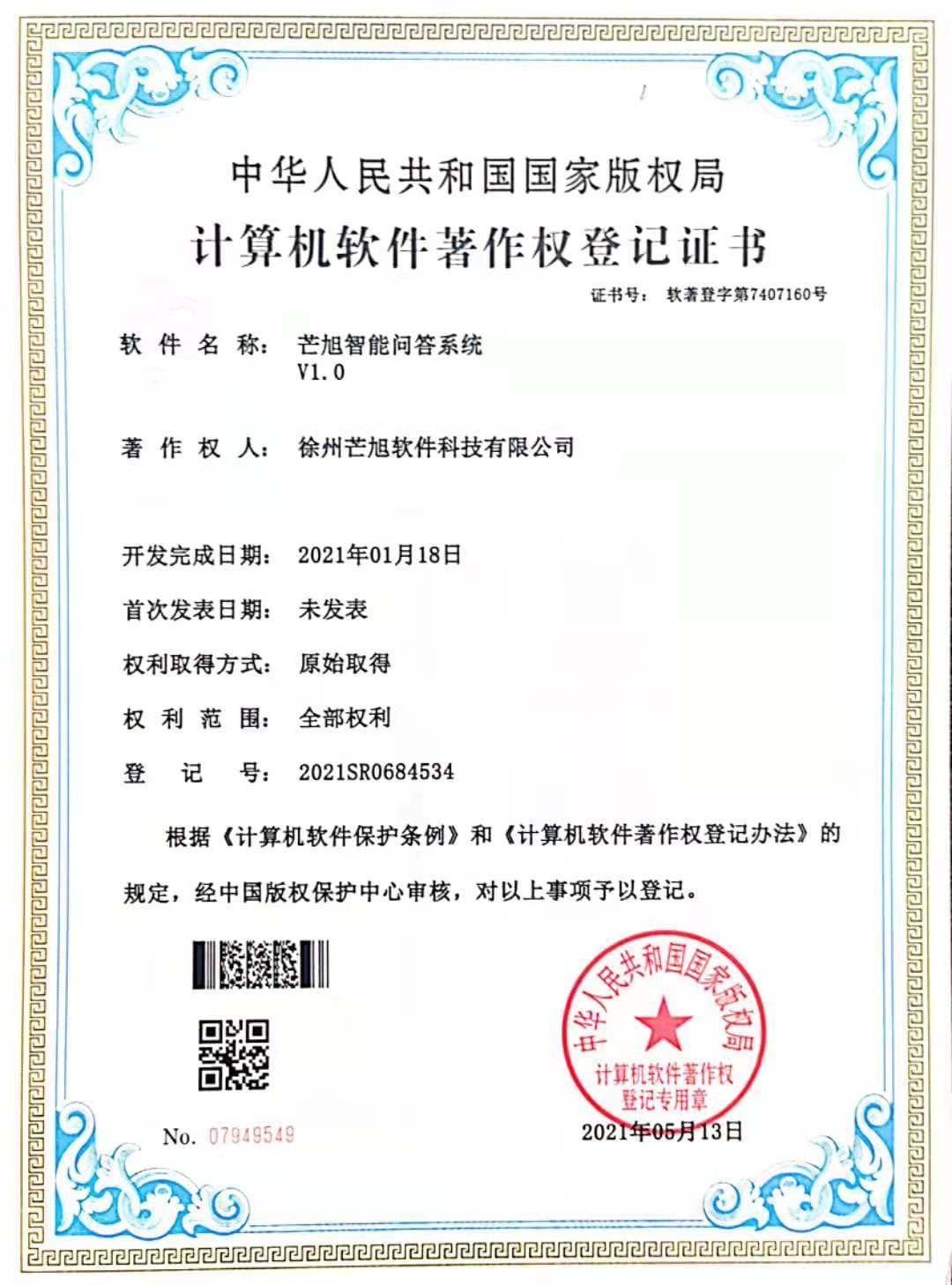
计算机软件著作权登记证书
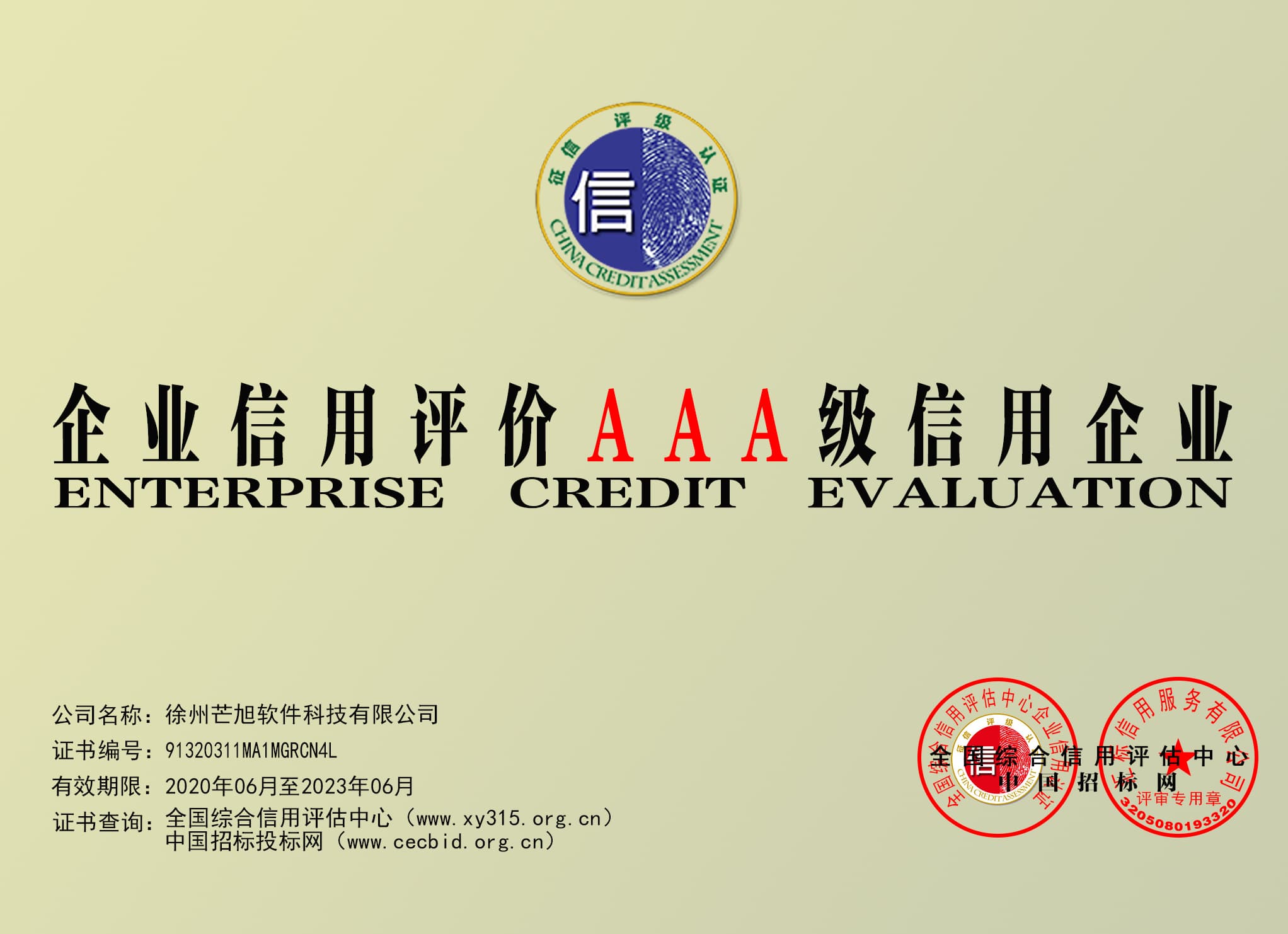
企业信用评价AAA级信用企业
PDF DocumentClick to view
计算机软件著作权登记证书
PDF DocumentClick to view
计算机软件著作权登记证书
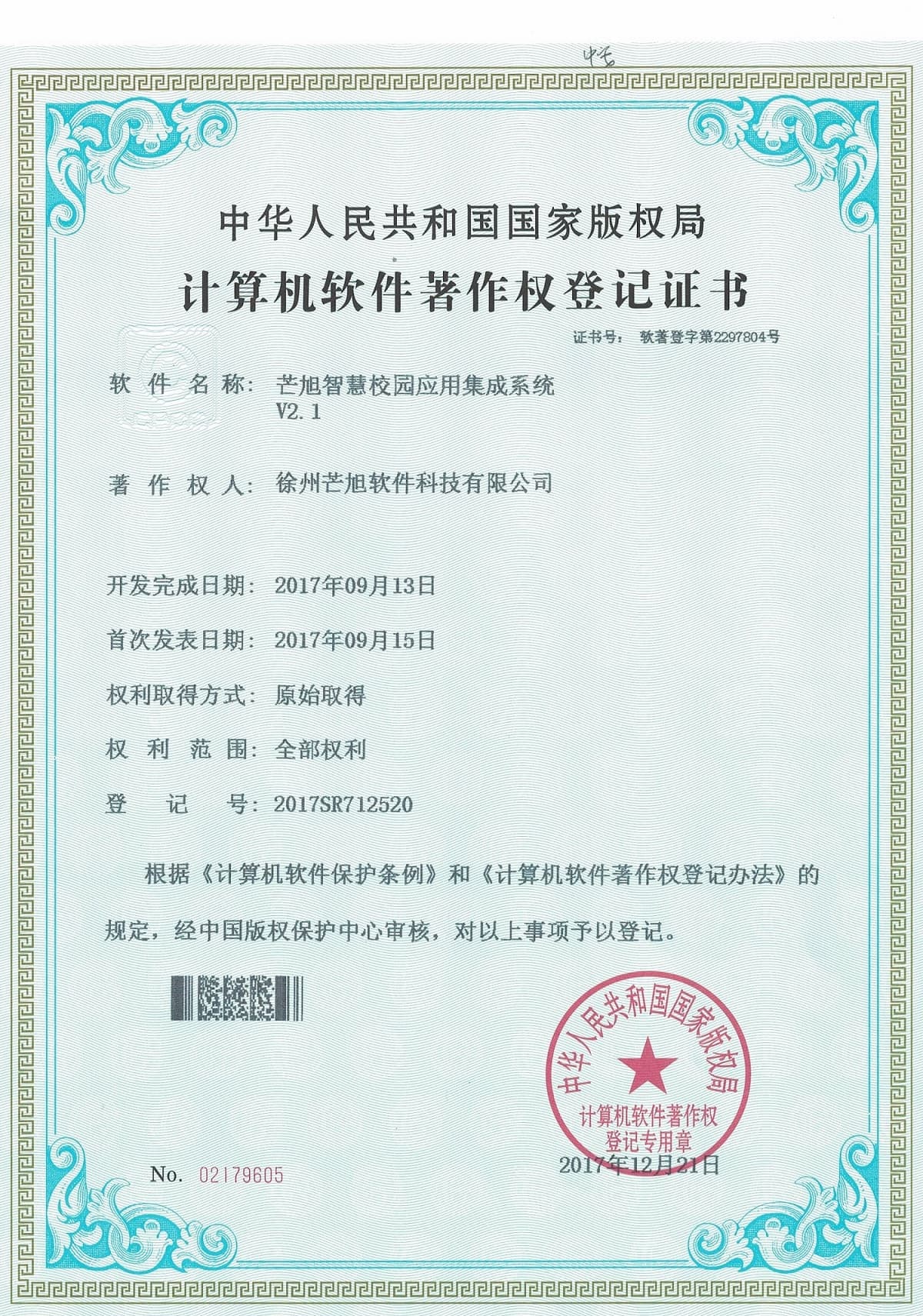
计算机软件著作权登记证书
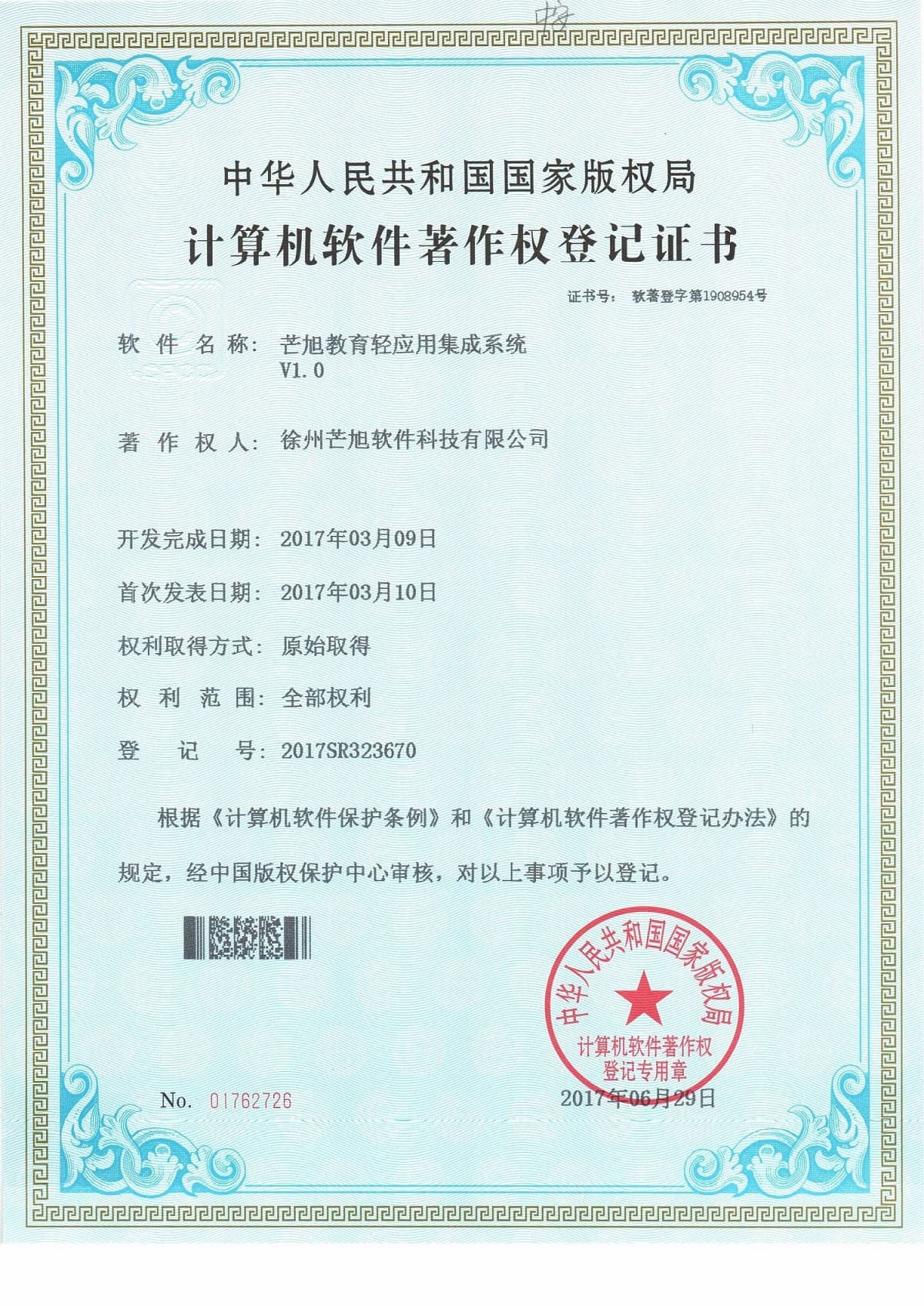
计算机软件著作权登记证书
Mingtai Digital Infrastructure Ecosystem is an AI-native, low-code enterprise-level digital infrastructure platform designed for medium to large organizations. Its core value lies in addressing pain points such as system silos, fragmented processes, and lack of intelligence through six core engines including Connector Engine, AI Agent Hub, and Data Integration. The platform supports zero-code connection to third-party APIs, enabling cross-system data synchronization and process automation. AI capabilities are natively embedded into business via Function Calling, driving scenarios like intelligent approval, data analysis, and customer service. Differentiating advantages include: AI-native deep embedding into business rather than external add-on, visual integration lowering the barrier, open platform integrating with existing IT ecosystems, and enterprise-level security and control (field-level permissions, BYOK). It is suitable for industries such as manufacturing, finance, and healthcare, especially for organizations needing to quickly integrate existing systems and embrace AI capabilities, achieving the transformation from 'people finding tasks' to 'tasks finding people'.