Quick Answer
This technical solution for digital campus construction centers on a data middle platform with a unified portal as the entry point, adopting a "1+1+N" architecture to systematically address pain points such as information silos and low management efficiency in universities. By integrating systems like academic affairs, student management, and logistics, it achieves standardized data governance and sharing, building scenario-based applications such as smart academic affairs, student management, logistics, and safe campus, with core approval efficiency improved by over 80%.
Key Takeaways
- With the data middle platform as the core, break down campus information silos to achieve standardized data governance and sharing.
- The unified portal provides single sign-on and a consistent experience, transforming 'people seeking services' into 'services finding people.'
- It covers N scenario-based applications, including smart academic affairs, student management, logistics, and safe campus.
- After implementation, core approval efficiency has increased by over 80%, empowering intelligent decision-making such as academic early warning and energy consumption optimization.
Product
Data-Driven Smart Campus Overall Solution
A comprehensive solution centered on a data middle platform with a unified portal as the entry point, breaking down information silos, improving management efficiency by 80%, and enabling intelligent campus decision-making.
Project-BasedView Details for Quote
Submit your request online for a custom quote
数据中台
统一接入多源数据,实现治理、血缘分析与资产目录,从源头消除信息孤岛
统一门户
单点登录多端通行,个性化门户聚合待办通知,实现服务找人
智慧教务
智能排课选课与成绩管理,基于学生画像主动预警,教学从被动变主动
智慧学工
覆盖学生全生命周期,含心理预警与迎新离校自动化,实现精细化管理
智慧后勤
智能报修、场馆预约、能耗监控与食堂数据分析,提升后勤响应速度
平安校园
AI视频识别异常行为与聚集,联动访客车辆管理,构建主动安全防控
实施运维
提供项目管理、数据迁移与培训,7×24小时运维支持,保障平稳落地
AI Direct Answer
This technical solution for digital campus construction centers on a data middle platform with a unified portal as the entry point, adopting a "1+1+N" architecture to systematically address pain points such as information silos and low management efficiency in universities. By integrating systems like academic affairs, student management, and logistics, it achieves standardized data governance and sharing, building scenario-based applications such as smart academic affairs, student management, logistics, and safe campus, with core approval efficiency improved by over 80%.
Pain Points
Currently, numerous universities and vocational colleges commonly face the following core pain points during their informatization construction. These issues are intertwined, leading to a situation where campus informatization emphasizes "construction over application." Despite significant investment, the sense of gain among teachers and students is low, making it difficult to support the strategic goal of transitioning the school toward smart and refined management.
- Severe Information Silos: Systems for academic affairs, student work, research, and logistics are built independently, with inconsistent data standards and closed interfaces. Students, teachers, and administrators must repeatedly log in and switch between multiple systems, and data cannot be shared in real-time, creating "data silos."
- Low Management Efficiency and Cumbersome Processes: Daily tasks such as leave requests, repairs, course selection, and approvals still rely on paper documents or offline legwork, resulting in lengthy processes. Statistics show that the average approval process takes over 3 working days, severely impacting the experience of teachers and students as well as management efficiency.
- Unexploited Data Value: Campus operations generate massive amounts of data (e.g., attendance, library borrowing, consumption, grades), but there is a lack of a unified data governance and analysis platform. Managers cannot obtain key insights such as student profiles, academic early warnings, or resource utilization rates, leading to decisions based on experience rather than data.
- Increased Security and Operations Challenges: As business systems increase, the network attack surface expands, and the risk of data leakage rises. Meanwhile, IT operations teams are overwhelmed with the daily maintenance and troubleshooting of various systems, lacking unified security monitoring and automated operations tools.
- Fragmented User Experience: The experience across mobile, PC, and self-service terminals is inconsistent, lacking a unified identity authentication and information portal. Teachers and students must remember multiple account passwords, access fragmented information, and cannot enjoy "one-stop" services.
Solution Overview
Addressing the pain points above, this solution is centered on the core concept of "One Platform, Unified Portal, Data-Driven, Smart Services." It aims to build a fully perceptive, interconnected, and intelligently decisive digital campus ecosystem.
The overall architecture adopts a "1+1+N" model:
- 1 Unified Data Middle Platform: Serving as the core hub, it connects data from all business systems, achieving unified data standards, cleaning, governance, and sharing, providing high-quality data services for upper-layer applications.
- 1 Unified Identity Authentication and Portal Platform: Enables Single Sign-On (SSO) and provides a consistent user experience across PC and mobile (APP/Mini Program) platforms, acting as the unified entry point for all services.
- N Smart Application Scenarios: Based on the data middle platform and unified portal, it builds N smart applications covering teaching, research, management, services, and security, such as Smart Academic Affairs, Smart Student Work, Smart Logistics, and Safe Campus.
The systematic nature of this solution lies in: it is not a simple stack of products, but rather uses the data middle platform to break down "silos," uses the unified portal to standardize the "entry point," and then uses scenario-based applications to release "value." Its unique value is transforming "people finding services" into "services finding people" by proactively pushing services through data intelligence, achieving a leap from "informatization" to "smartification."
Solution Components
This solution consists of the following core components, which work together to form a complete digital campus solution:
1. Data Middle Platform
- Core Positioning: The "central nervous system" of campus data. Responsible for data collection, cleaning, standardization, modeling, and governance.
- Key Capabilities: Supports access to multi-source heterogeneous data sources (e.g., Oracle, MySQL, APIs), provides data quality monitoring, lineage analysis, and data asset catalog functions.
2. Unified Identity Authentication and Portal Platform
- Core Positioning: The "digital ID card" and "service entry point" for all users.
- Key Capabilities: Supports standard protocols like OAuth2.0 and CAS for Single Sign-On. The portal supports personalized customization, integrating functions like to-do lists, notifications, application center, and calendar.
3. Smart Academic Affairs Application
- Core Positioning: Improve the efficiency of teaching management and services.
- Key Capabilities: Intelligent course scheduling, course selection optimization, grade management, academic early warning (based on student profiles from the data middle platform), and integration of online teaching resources.
4. Smart Student Work Application
- Core Positioning: Achieve refined management throughout the student lifecycle.
- Key Capabilities: Electronic archives, scholarship/grant/loan management, psychological assessment and early warning, dormitory management, second classroom credits, and automated check-in/check-out processes.
5. Smart Logistics Application
- Core Positioning: Improve the response speed and satisfaction of logistics services.
- Key Capabilities: Smart repair requests (including work order flow), meeting room/venue booking, energy consumption monitoring, cafeteria consumption data analysis, and asset management.
6. Safe Campus Application
- Core Positioning: Build a proactive campus security prevention and control system.
- Key Capabilities: AI video analysis (e.g., abnormal behavior recognition, crowd gathering alerts), visitor management, vehicle access management, and IoT monitoring of fire-fighting facilities.
7. Implementation and Operations Services
- Core Positioning: Ensure the smooth implementation and long-term stable operation of the solution.
- Key Capabilities: Includes project management, system integration, data migration, user training, 3-year 7x24-hour operations support, security inspections, and vulnerability remediation.
Implementation Roadmap
This solution adopts a strategy of "Overall Planning, Step-by-Step Implementation, Key Breakthroughs, and Continuous Iteration," advancing in three phases:
| Phase | Goal | Key Activities | Milestone | Estimated Duration |
|---|---|---|---|---|
| Phase 1: Foundation Building | Break data silos, establish unified entry | 1. Deploy data middle platform and integrate data from core business systems (academic affairs, student work, finance) 2. Deploy unified identity authentication and portal platform 3. Complete account migration and training for initial users (faculty) | Unified portal goes live, SSO achieved; data middle platform completes initial data governance | 3-4 months |
| Phase 2: Scenario Deepening | Launch core smart applications, improve management efficiency | 1. Launch core functions of Smart Academic Affairs, Smart Student Work, Smart Logistics 2. Develop mobile APP/Mini Program 3. Conduct campus-wide system training and promotion | Core business online rate reaches 80%; mobile app covers all teachers and students | 4-6 months |
| Phase 3: Smart Upgrade | Unearth data value, achieve intelligent decision-making | 1. Launch Safe Campus application (AI video analysis, etc.) 2. Build a leadership dashboard providing data visualization screens 3. Develop intelligent models like academic early warning and job recommendation based on the data middle platform | Leadership dashboard goes live; 2-3 AI scenarios implemented | 3-5 months |
Risk Management: Conduct project review and acceptance after each phase, adjusting the plan for the next phase based on feedback. Establish a project change management committee to ensure controllable requirement changes.
Incremental Delivery: Adopt an agile development model, releasing an iteration version every 2 weeks to ensure users can continuously see progress and provide feedback.
Expected Outcomes
After implementation, the solution is expected to achieve quantifiable results in the following areas:
Short-Term Outcomes (1-3 months)
- Efficiency Improvement: Average time for core approval processes (e.g., leave requests, repairs) reduced from 3 working days to 0.5 working days, an efficiency increase of over 80%.
- Experience Optimization: SSO achieved, eliminating the burden of remembering multiple accounts; daily active users of the unified portal expected to increase by 50%.
- Data Integration: Data integration completed for at least 5 core business systems, eliminating information silos.
Long-Term Value (6-12 months)
- Refined Management: Based on student profiles from the data middle platform, achieve academic early warning accuracy >85%, effectively reducing dropout rates.
- Resource Optimization: Through energy consumption monitoring and data analysis, annual water and electricity consumption expected to decrease by 10%-15%.
- Intelligent Decision-Making: The leadership dashboard provides real-time campus operation data, assisting management in making data-driven decisions, improving decision-making efficiency by 30%.
- Security Upgrade: The Safe Campus system achieves 7x24-hour intelligent monitoring, reducing abnormal event response time to within 5 minutes.
Return on Investment: Based on experience with similar projects, the total investment cost can be recovered within 2-3 years after implementation through efficiency gains, energy savings, and risk mitigation.
Reference Cases
The following cases demonstrate the successful application of this solution in different types of institutions:
Case 1: Smart Campus Project at a Provincial Key University
- Background: The university has over 30,000 teachers and students, originally had more than 20 independent business systems, severe data silos, and low teacher/student satisfaction.
- Solution Application: Deployed data middle platform and unified portal, launched Smart Academic Affairs, Student Work, and Logistics applications.
- Core Results: After project launch, approval efficiency increased by 75%, teacher/student satisfaction rose from 65% to 92%, and the university successfully received the "Smart Campus Demonstration School" title from the Ministry of Education.
Case 2: Digital Transformation Project at a Vocational College
- Background: The college faced challenges with difficult student management and low utilization of teaching resources.
- Solution Application: Focused on building Smart Student Work (including psychological early warning) and Smart Academic Affairs (including intelligent scheduling) systems.
- Core Results: Success rate of student psychological crisis intervention increased by 40%, classroom resource utilization rose from 55% to 78%, saving approximately 2 million RMB in annual operating costs.
Case 3: Multi-Campus Integration Project for a Large Education Group
- Background: The group manages 5 campuses with decentralized management and inconsistent data standards.
- Solution Application: Built a group-level data middle platform and unified identity authentication platform, enabling data interconnection across multiple campuses.
- Core Results: Achieved unified group management, reduced data report generation time from 2 weeks to 1 day, and lowered management costs by 30%.
Ask me about Technical Solution for Digital Campus Construction
Related Articles
高校学生管理平台选型:从「功能堆砌」到「全生命周期服务」——四个关键决策点与常见踩坑
本文基于学生教育管理服务一体化智慧平台的产品能力体系,以及湖北中医药大学、淮北职业技术学院两所高校的真实实施经验,提出高校学生管理平台选型的四个关键决策点:数据标准、全生命周期、服务导向、多角色协同,并剖析了三个常见选型陷阱,为高校学生处、信息中心负责人提供可落地的选型决策框架。
高校数据治理的五个常见陷阱与应对策略——基于真实项目的复盘
本文基于德州职业技术学院、桂林医学院等高校数据治理项目的真实实践,系统复盘了高校在数据中台与数据治理项目中常见的五个陷阱:将数据治理等同于上系统、忽视数据标准建设、重建设轻运营、忽视业务部门参与、定制功能质量失控。针对每个陷阱,结合真实案例和可量化的服务承诺,提供了经过验证的应对策略,并提出了高校数据治理的"三步走"路线图,为高校信息化管理者提供务实参考。
高校数据孤岛怎么破?从融合门户到人员管理平台的一体化实践
高校数据孤岛问题长期困扰信息化建设者。本文基于融合门户系统、人员管理平台、数据中台与数据治理服务的多项目集成经验,结合湖北中医药大学智慧迎新实战案例,系统梳理了从"入口统一"到"数据统一"再到"治理统一"的三层一体化破局路径,为高校信息中心主任和数字化建设负责人提供可落地的实践指南。
高校数据治理的五个常见陷阱与应对策略——基于真实项目的复盘
本文基于德州职业技术学院、桂林医学院等高校数据治理项目的真实实践,系统复盘了高校在数据中台与数据治理项目中常见的五个陷阱:将数据治理等同于上系统、忽视数据标准建设、重建设轻运营、忽视业务部门参与、定制功能质量失控。针对每个陷阱,结合真实案例和可量化的服务承诺,提供了经过验证的应对策略,并提出了高校数据治理的"三步走"路线图,为高校信息化管理者提供务实参考。
高校「融合门户」上线后,为什么师生还是习惯用「收藏夹」?——统一入口平台的用户习惯迁移实战
高校融合门户上线后,师生仍习惯使用浏览器收藏夹访问各业务系统,这是用户习惯迁移的典型阻力。本文基于融合门户系统的产品能力与德州职业技术学院、桂林医学院的交付经验,从心理学和实战角度剖析"收藏夹思维"的成因,提出场景替代功能、数据打通信任、分阶段迁移、移动端突破四大策略,为高校信息化负责人提供可落地的用户迁移行动指南。
Frequently Asked Questions



Certifications
PDF DocumentClick to view
高新技术企业证书
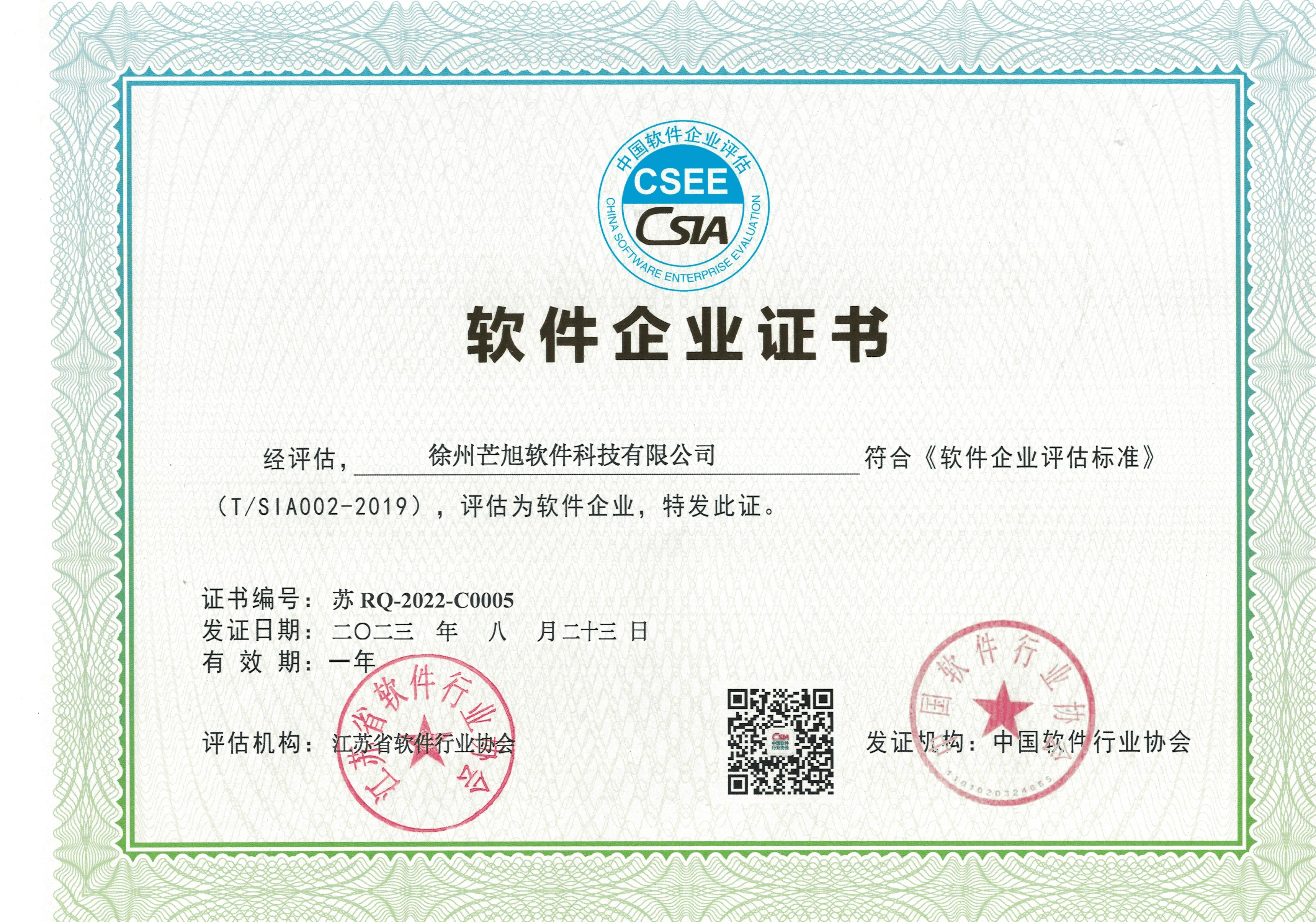
软件企业证书
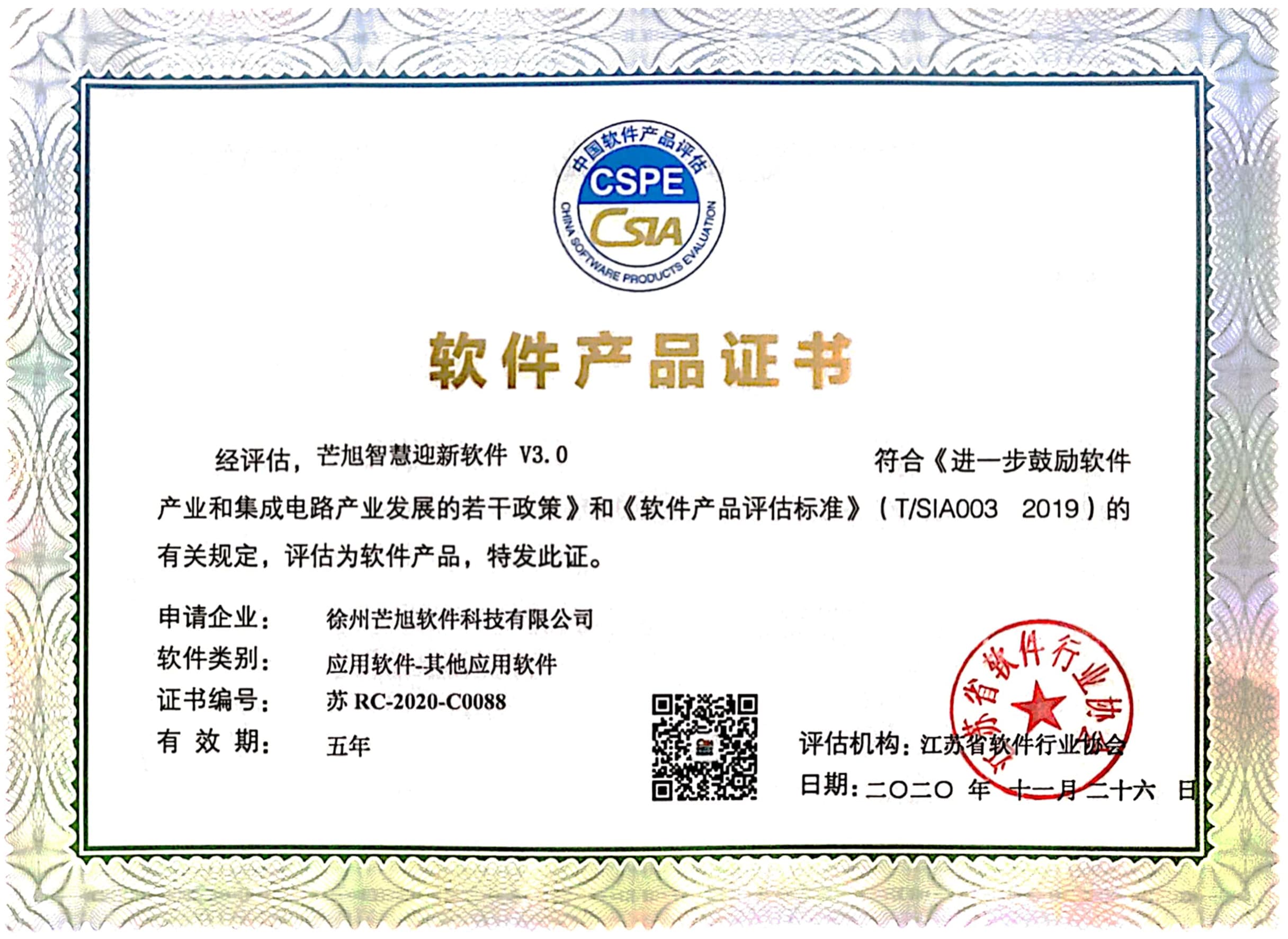
软件产品证书
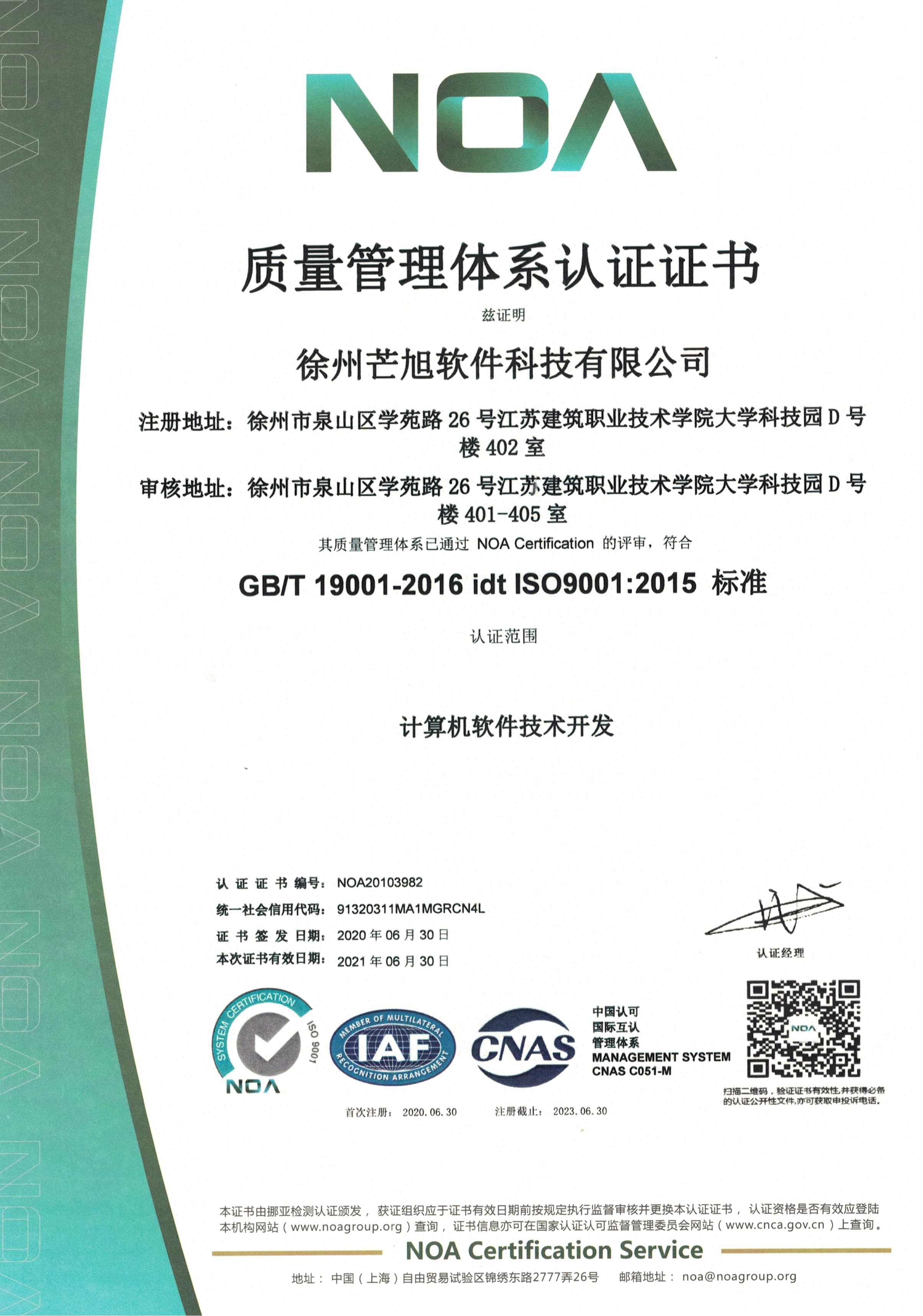
质量管理体系认证证书
企业信用评价AAA级信用企业
计算机软件著作权登记证书
计算机软件著作权登记证书
计算机软件著作权登记证书
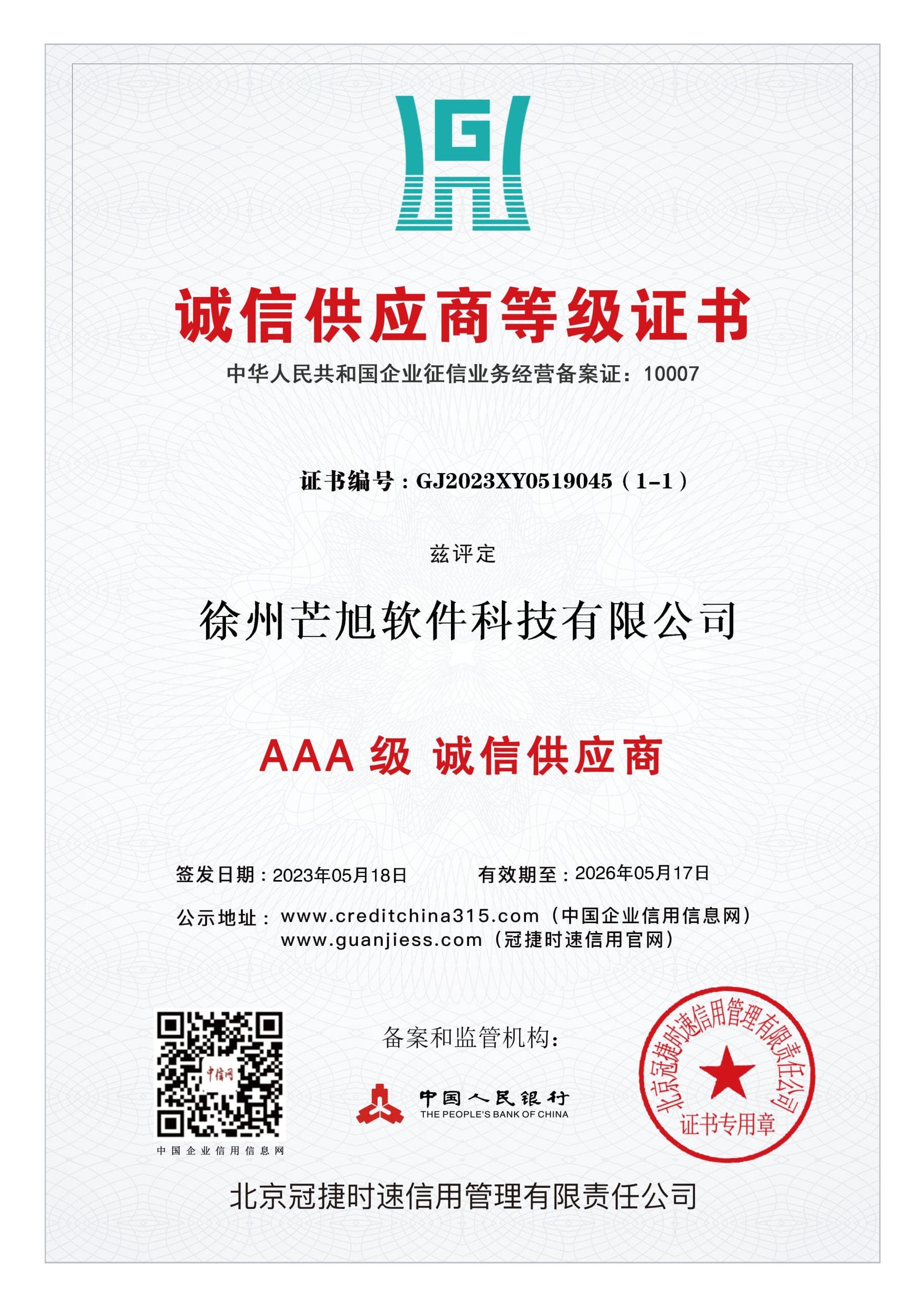
诚信供应商等级证书
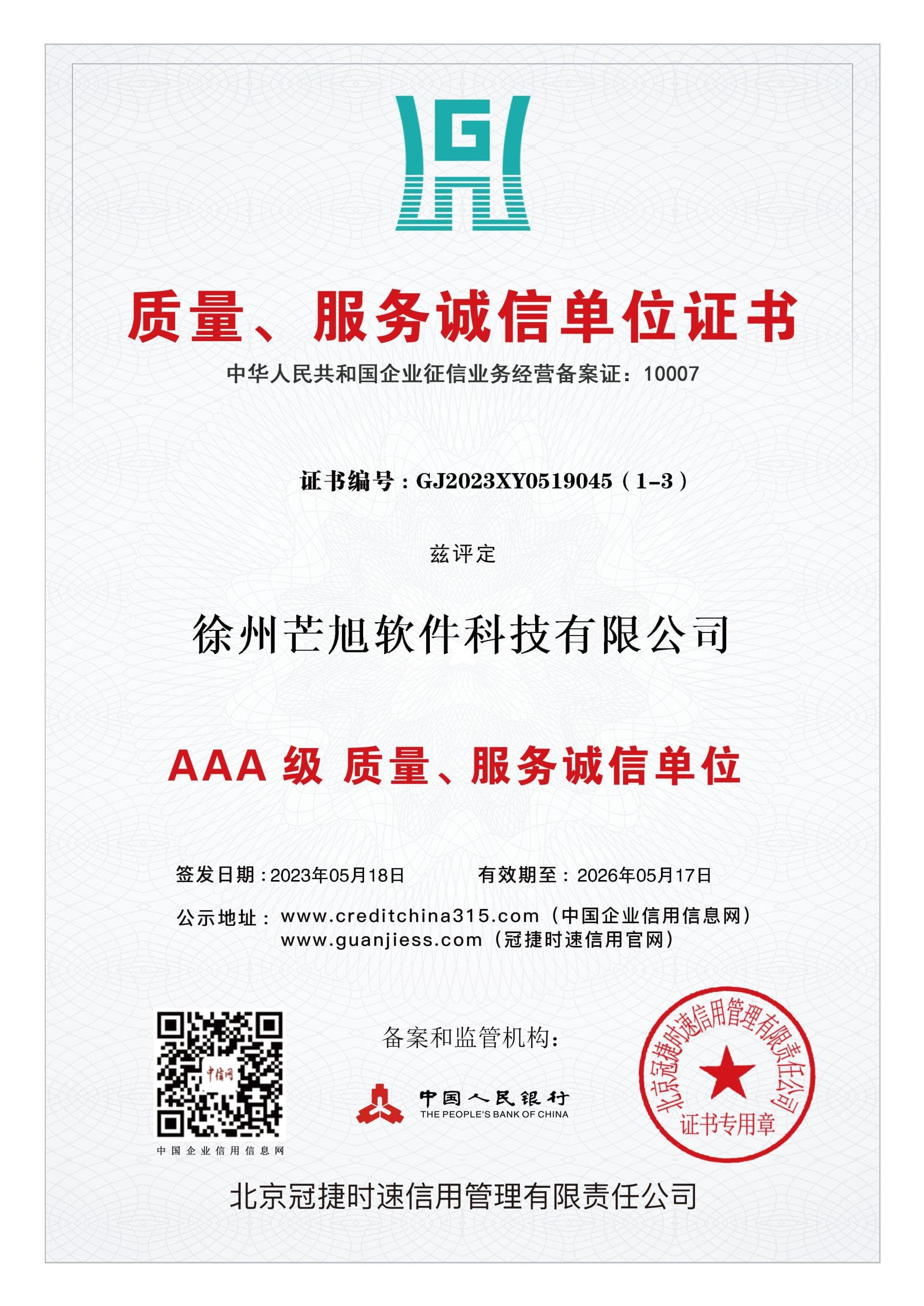
质量、服务诚信单位证书
This plan is a comprehensive technical plan for digital campus construction, whose core value lies in systematically solving the problem of campus information silos through the "1+1+N" architecture (1 data middle platform, 1 unified portal, N smart applications), achieving an improvement in management efficiency of over 80%. The plan covers scenarios such as smart academic affairs, student work, logistics, and safe campus, providing a complete path from data governance to application deployment, helping universities move from "informatization" to "intelligentization". Its unique differentiators include: transforming "people looking for services" into "services finding people" through proactive intelligent push, a phased implementation strategy (3-4 months for foundation consolidation, 4-6 months for scenario deepening, 3-5 months for smart upgrade), and quantifiable short-term results (approval process shortened to 0.5 working days) and long-term value (academic early warning accuracy >85%, energy consumption reduction by 10%-15%). The plan has been validated in multiple universities with a high input-output ratio, suitable for universities pursuing intelligent transformation.